The U.S. Is Falling Behind—11 Climate Fixes Other Countries Are Already Doing

While the U.S. lags, these 11 brilliant climate solutions from around the globe are already changing the world.
©Image license via iStock

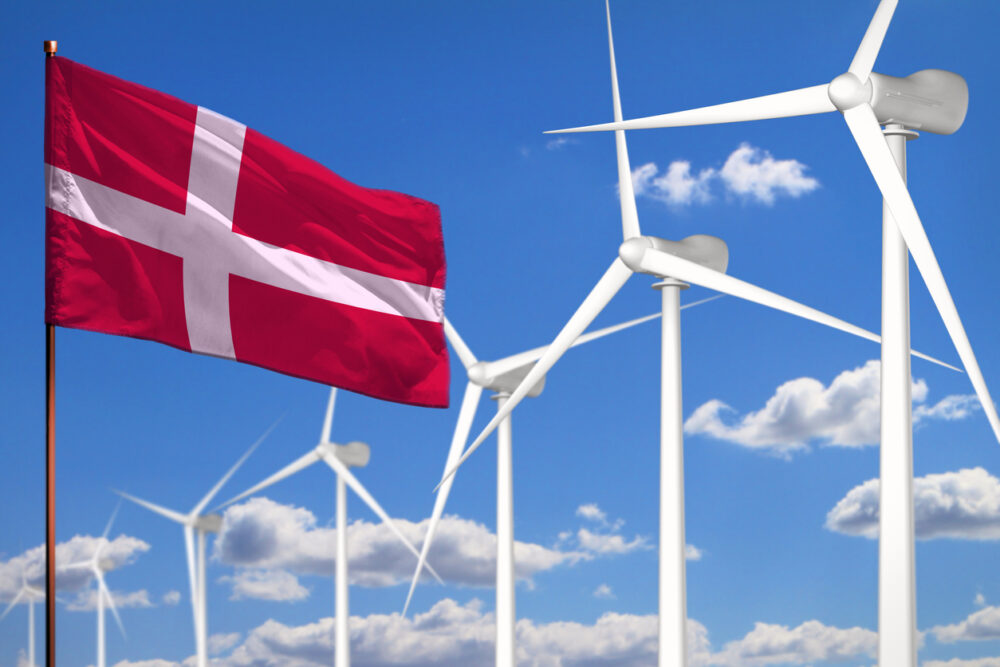
We often hear that the United States is a leader, a trendsetter, especially when it comes to innovation. But in the critical race against climate change, the uncomfortable truth is that we’re lagging behind. While political debates sometimes stall progress here, other countries around the world aren’t just talking about climate solutions; they’re actively implementing groundbreaking strategies that are already making a tangible difference.

Imagine entire nations powered by renewable energy, cities designed for zero waste, or technologies pulling carbon directly from the air. These aren’t far-off dreams; they are present-day realities in places embracing bold, forward-thinking approaches. The rest of the world isn’t waiting, and their successes offer a clear blueprint for how we, too, can accelerate our efforts. It’s time to look beyond our borders and recognize that effective climate action isn’t a distant fantasy, but a practical reality being built elsewhere, right now. U.S. leaders need to wake up to these inspiring climate fixes that other countries are already doing, proving that a greener, more sustainable future is not just possible, but already in motion.


Read more

You Don’t Need to Retreat to the Woods—These 11 Lifestyle Shifts Work Anywhere

Nature isn’t a destination—it’s a mindset you can bring home.

©Image license via Canva

There’s a romantic fantasy about escape. You picture yourself in a remote cabin, growing your own food, living slowly, breathing deeply—finally free from the noise. But most people can’t drop everything and move to the forest. Rent is due. Kids have school. The real world doesn’t come with a wood-burning stove and a sunrise over the pines. That doesn’t mean you can’t live differently.

You don’t have to disappear into the wilderness to live more consciously. You can start right where you are—apartment, suburb, city block—and build a life that feels less extractive and more grounded. It’s not about being perfect. It’s about shifting how you relate to time, food, energy, and attention. These aren’t aesthetic tweaks. They’re real choices that move you closer to balance, even if there’s a highway outside your window.

Read more

Your Yard Might Be a Dead Zone—Here Are 10 Ways to Bring It Back to Life

If your lawn is neat but empty, it’s probably doing more harm than good.

©Image license via Canva

It’s easy to assume a well-manicured lawn is a sign of care. But for local ecosystems, it’s often the opposite. A flat, green, pesticide-laced lawn might look tidy, but it offers nothing to pollinators, birds, or soil health. In fact, it actively drives life away. Beneath that surface is a quiet crisis: compacted dirt, shallow roots, dead microbial life, and silence where there should be birdsong and buzzing.

You don’t have to rewild your whole yard or turn it into a full-blown prairie. Simple shifts—planting native flowers, letting one patch grow wild, ditching synthetic sprays—can help revive the soil and welcome back the species that belong there. The goal isn’t perfection. It’s participation. When your yard starts humming again—with bees, butterflies, fungi, and birds—it stops being a chore and starts being a habitat. A place where things grow because they’re supposed to.

Read more

Men Were Taught to Provide—But These 12 Values Are Costing the Planet

The traits praised as masculine success are fueling environmental collapse.

©Image license via iStock

Generations of men were taught that their worth came from what they could build, buy, and pass down. Providing wasn’t just a role—it was a full identity. The provider archetype was praised for being dependable, strong, practical. But no one stopped to ask what all that “providing” was actually costing. The house, the car, the steady income, the nonstop growth—these ideals weren’t built with the planet in mind.

This isn’t about blaming men for the climate crisis. It’s about seeing how gendered expectations shaped a culture of extraction, ownership, and overconsumption. Traits that once felt noble—stoicism, dominance, control—now show up as unsustainable habits in a world that’s hitting its ecological limits. Masculinity isn’t inherently harmful, but it’s been molded into something that rewards depletion over regeneration. If we want to survive the next chapter, we’ll have to rewrite what strength really looks like—and who we allow to embody it.

Read more

Is It Love or a Life Lesson? 13 Ways to Know It’s a Karmic Relationship

The universe keeps throwing you together for a reason you can’t ignore.

©Image license via Canva

You know that relationship that feels like a cosmic magnet—you can’t stay away, even when it’s tearing you apart? That’s not just drama. That might be karma. You meet this person and something inside you snaps to attention like you’ve known them forever, but things get intense—fast. It’s passion and chaos all rolled into one wild emotional ride, and no matter how hard you try to walk away, the pull keeps dragging you back. Sound familiar?

People talk about soulmates and twin flames like they’re all hearts and roses, but karmic relationships are a whole different animal. They burn bright, teach hard lessons, and leave you changed—sometimes for the better, sometimes bruised. The connection might be real, but it’s rarely peaceful. And deep down, a part of you senses that this isn’t just about love. It’s about growth, healing, or maybe even past-life baggage showing up in your present.

Read more

10 Surprising and Scientific Truths About the Light Human Bodies Emit Before Death

Scientists discovered something eerie about the glow our bodies emit before we die.

©Image license via Canva

Your body might be doing something absolutely mind-blowing in the final moments of your life—and you probably have no idea. As unsettling as it sounds, scientists are discovering clues that suggest humans emit a faint, mysterious light right before death. Not in some spiritual, metaphorical way, but in a real, measurable, biological sense. You’re glowing—literally. And what that glow means is opening up a whole new layer of questions about life, death, and what might happen in between. It’s the kind of finding that sounds like science fiction but is rooted in hardcore research.

The deeper scientists dig, the more it seems like the end of life may be accompanied by one final, bizarre burst of energy. You’ve heard of going out with a bang—what if it’s more like a shimmer? This stuff is equal parts fascinating and freaky, and once you know about it, you won’t be able to stop thinking about it.

Read more

12 Foods That Mess With Testosterone—and Trash the Planet in the Process

What’s bad for your body is often just as brutal for the Earth.

©Image license via Canva

Some foods come with warnings printed right on the label. Others sneak under the radar, wrapped in marketing, nostalgia, or convenience. But the truth is, plenty of everyday staples aren’t just wrecking hormonal health—they’re also fueling environmental destruction on a massive scale. The connection isn’t always obvious, but it’s there. What drives hormone disruption—like plastic packaging, pesticide overload, or inflammatory fats—often overlaps with what drives pollution, waste, and deforestation.

This isn’t about clean eating perfection. It’s about recognizing how closely your body and the planet are linked. If something disrupts one system, there’s a good chance it’s harming the other, too. And in most cases, these aren’t rare or obscure ingredients—they’re the stuff you probably eat every week without thinking twice. It’s not about shame. It’s about power. Because when you understand how these foods function, you can choose differently—for yourself and for the planet you live on.

Read more

These 10 Political Loopholes Keep Undermining Environmental Progress

Behind every stalled climate bill is a legal escape hatch no one wants to close.

©Image license via Canva

On paper, it looks like things are moving forward—emissions targets, green investments, ambitious pledges. But when it comes to actual impact? The progress is slower than it should be. That’s not just because of gridlock or denial. It’s because the system is riddled with carefully engineered loopholes that let industries pollute, delay, or opt out entirely—without technically breaking the rules.

These loopholes don’t make headlines, but they quietly do the most damage. They’re how oil companies keep drilling, how pipelines get approved, and how corporations meet “net zero” goals without cutting actual emissions. It’s all legal. It’s all intentional. And it’s why the climate fight keeps stalling just when it needs to accelerate. Until these backdoors are closed, even the most promising legislation won’t hold. Because behind every watered-down bill or “compromise” policy is a loophole that someone made sure stayed open.

Read more

When the Wild Dies, So Do We—11 Alarming Clues from the Natural World

The silence in the woods isn’t peace—it’s a funeral without mourners.

©Image license via Canva

You don’t need a climate model to see what’s happening. You just need to go outside. The birdsong you used to wake up to is quieter now. The fireflies don’t show up in summer the way they used to. Streams that once trickled year-round go dry for months. Nature isn’t vanishing all at once—it’s disappearing in pieces. And most people barely notice until it’s gone.

These losses aren’t isolated or symbolic—they’re warnings. Each vanishing species, each broken cycle, each eerie silence is a sign that the living systems we depend on are unraveling. When the wild breaks down, it doesn’t just hurt animals or forests—it weakens the scaffolding that supports human life. Food, water, health, stability—they’re all tied to ecosystems that are flashing every danger signal they’ve got. The world isn’t waiting for us to act. It’s already changing without us.

Read more

There’s Nothing Ethical About These 10 Everyday Essentials You Probably Use

These items hide behind convenience—but the cost is everything.

©Image license via Canva

They’re sitting in your bathroom, your kitchen, your tote bag. They’re part of your routine. And they seem harmless—basic, even. But a closer look at how they’re made, who’s exploited to produce them, and how long they stick around after you toss them paints a different picture. These so-called essentials come with a hidden cost that rarely shows up on a receipt.

That’s the trap of convenience. It hides the truth in plain sight. You don’t see the sweatshop, the chemical runoff, the animal testing, or the plastic island forming in the ocean. You just see something that works. But everyday harm adds up—quietly, consistently, globally. This isn’t about guilt-tripping your routine. It’s about seeing it clearly. Because when products are built on suffering or destruction, calling them “essentials” just makes the damage feel inevitable. And it isn’t.

Read more