The Oceans Won’t Recover from These 11 Tourist Mistakes

Your dream vacation could be leaving behind a permanent scar on marine life.
©Image license via iStock

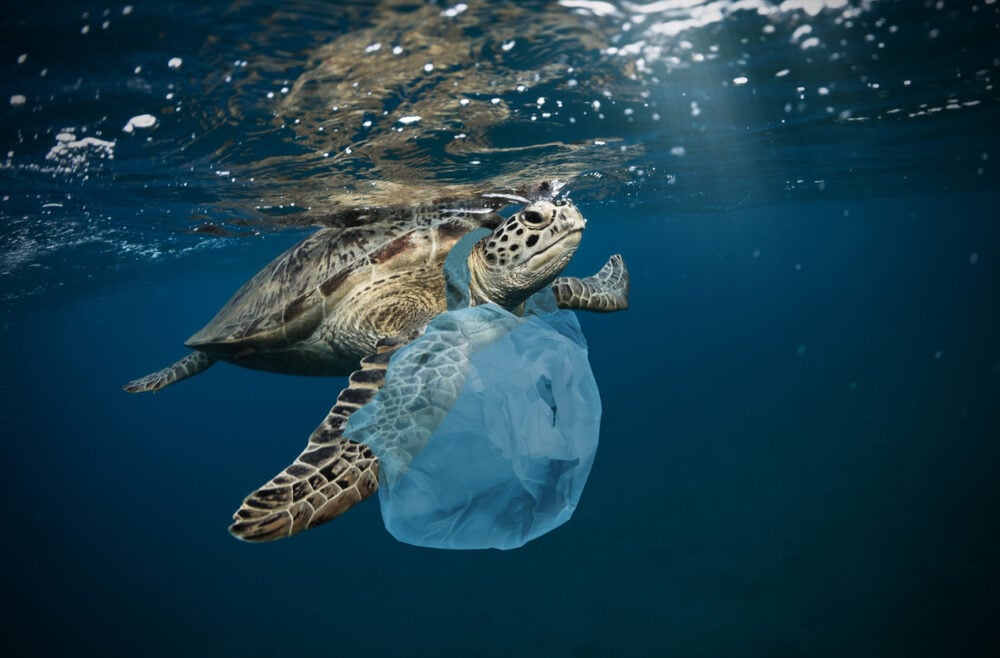
The damage isn’t always dramatic. No oil spill, no shipwreck. Just sunscreen in the water, a snapped coral branch, a trail of plastic crumbs across a beach. But these small choices pile up. Tourism now plays a major role in ocean degradation—damaging reefs, polluting coastlines, and disrupting marine ecosystems that were already under stress.

Many travelers don’t realize the harm they’re doing. The cruise felt harmless, the dolphin swim felt magical, the seafood dinner felt fresh and local. But the ripple effects are long-lasting. Coral takes decades to regrow. Microplastics don’t just vanish. The oceans are already absorbing the fallout of climate change; they can’t keep absorbing careless tourism too. These mistakes may be common, but their consequences are not reversible.


Read more

From Food to Face Masks—12 Unusual Beauty Ingredients Worth Trying

Your next skincare fix might already be in your kitchen or garden.

©Image license via Canva

Some beauty ingredients sound more like grocery list items than skincare staples. But in a world overloaded with synthetic creams and expensive serums, the most effective solutions sometimes come from unexpected places. Natural ingredients once dismissed as too simple or too odd are now showing up in masks, oils, and exfoliants with results that rival luxury brands.

This isn’t just a return to nature—it’s a shift in how beauty is defined. These ingredients don’t promise perfection. They offer function, gentleness, and surprising power. From the inside of a fruit peel to the bloom of a flower, they’ve quietly built reputations through results rather than hype. Whether they come from your pantry or the forest floor, these unconventional additions to your routine might just outshine the lab-made stuff.

Read more

Rest Doesn’t Always Feel Good at First—Here Are 10 Times It Got Misread as Boredom

Stillness can feel uncomfortable when your body is used to survival mode.

©Image license via Canva

Periods of stillness can bring surprising discomfort. After long stretches of managing stress, pushing through tasks, or navigating social demands, a sudden pause might feel more unsettling than peaceful. Instead of relief, there’s restlessness. Instead of clarity, there’s a strange sense of absence. It can be easy to mistake this tension for boredom or aimlessness, but more often, it’s the nervous system adjusting to the absence of adrenaline. When urgency has been a constant companion, calm can feel unfamiliar—almost unsafe.

Many people interpret this unease as a sign they’re doing something wrong. They may fill the quiet with distractions, assuming their discomfort means they’re lazy or undisciplined. In reality, this reaction is common in the early stages of real rest. It takes time for the body and mind to relearn how to settle without a looming task. What feels like boredom is often recovery in progress, arriving awkwardly but with purpose.

Read more

More Mask Than Mirror—10 Reasons You Feel Disconnected From Your Digital Self

Your online presence was supposed to reflect you, but it’s starting to replace you.

©Image license via Canva

Online life was once about connection. People found pieces of themselves in blogs, forums, and DMs. For many, it became a space to feel more seen than in their own homes. But somewhere along the way, what once felt expressive became performative. It wasn’t just about sharing anymore—it became about curating, optimizing, and feeding an algorithm. The result? A digital self that looks vibrant from the outside but feels hollow inside.

This isn’t simply about tech overload or screen time. It’s about identity erosion. The slow drift between who someone is and who they’re expected to be online leaves a quiet ache behind. Posts are polished. Replies are fast. And still, there’s a strange numbness in the quiet moments when the screen goes dark. When digital life begins to define real life, it becomes harder to tell which version is actually in charge.

Read more

The Sacred Isn’t Always Shiny—These 11 Everyday Things Were Once Holy

Objects we overlook today once carried prayers, rituals, and power.

©Image license via Canva

It’s easy to forget how much meaning an object can hold when we’re surrounded by mass production and endless duplicates. But throughout history, the most ordinary tools and materials weren’t just functional—they were sacred. Their shapes, uses, or origins linked them to something larger: cycles of nature, stories of creation, ancestral memory. These weren’t just symbols; they were living parts of ritual and reverence.

Over time, as belief systems shifted and modern life sped up, much of that symbolism faded. What once carried protection, fertility, or divine connection now fills junk drawers or sits on shelves unnoticed. Yet in old stories, regional traditions, and archaeological finds, those meanings still flicker. From salt to mirrors to thread, the sacred has long lived in places we now ignore. Rediscovering that history doesn’t mean we have to return to the past—but it can shift how we see the things we touch every day.

Read more

Your Thoughts Aren’t Facts—13 Reasons to Tune Them Out and Feel Better

Revolutionize your well-being by understanding why your thoughts aren’t always what they seem.

©Image license via iStock

You know that relentless voice in your head, the one that whispers doubts, replays mistakes, or spins endless “what if” scenarios? It’s easy to get caught in its web, treating every passing thought as gospel truth. But what if I told you that your thoughts aren’t always facts, and believing them blindly could be contributing to your stress, anxiety, and even unhappiness?

We’re often taught to analyze our thoughts, to dig deep into every feeling, but sometimes, the most liberating thing you can do is simply acknowledge a thought and let it pass by. Imagine gaining the power to observe your mental chatter without getting tangled in it, like watching clouds drift across the sky. This isn’t about ignoring your emotions or suppressing important insights; it’s about recognizing that many of the stories your mind tells you are just that—stories, not concrete realities. Tuning out the incessant noise of your thoughts can profoundly transform your well-being, helping you feel lighter, clearer, and truly more at peace.

Read more

The Earth Remembers Everything—These 10 Objects Leave a Trace

Long after we forget, the planet is still holding what we left behind.

©Image license via Canva

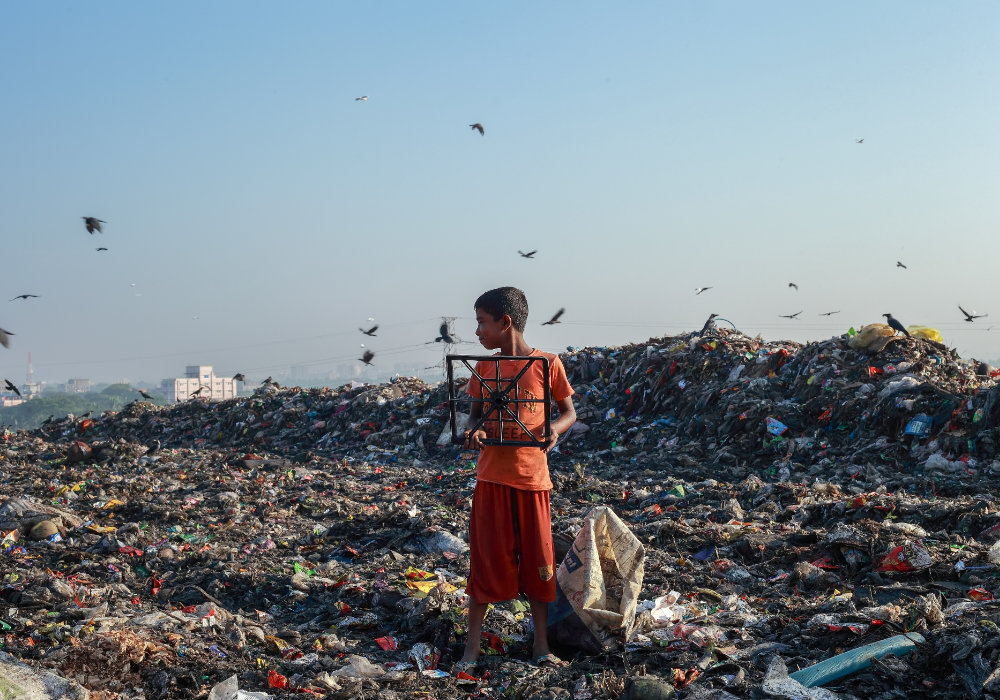
The items we use every day rarely feel significant. A straw, a receipt, a grocery bag—they serve a function, then disappear. Or so it seems. In reality, most of these objects are still out there. Sitting in landfills. Floating in rivers. Breaking down into particles that enter the soil, the water, and eventually, the food chain. The convenience was temporary, but the impact is not.

It’s easy to overlook this when so much waste is whisked away from view. But even the most ordinary objects leave marks that last generations. Some will take centuries to degrade. Others will release toxins along the way. And nearly all of them could be replaced—or avoided altogether. This isn’t about guilt. It’s about paying closer attention to what sticks around after we’re done with it. Because while we move on, the earth does not forget.

Read more

You’re Living in the Debris of Convenience—Here Are 12 Ways to Dig Out

All that ease came with a cost—and you’re the one left cleaning it up.

©Image license via Canva

That takeout container, that Amazon box, that half-used gadget gathering dust—none of it felt like a big deal when it showed up. But convenience has a way of snowballing. One quick solution becomes a daily habit, and before long, you’re surrounded by things designed to save time that somehow stole your peace. The mess isn’t just physical. It clutters your schedule, your mind, your planet. And it didn’t happen overnight.

This isn’t about shame. It’s about noticing the systems that made the mess in the first place. The single-use mindset. The overwork that makes you lean on shortcuts. The design of everything from packaging to lifestyle that values speed over sustainability. Digging out isn’t just about tidying—it’s about asking better questions. Who benefits from your convenience? Who pays for it? And how can you start living in a way that feels lighter, clearer, more intentional?

Read more

10 Things You Pay For Because Corporations Won the War on Public Life

You’re not paying for extras—you’re paying for what used to be free.

©Image license via Canva

Once, the basics of life were part of a shared agreement. Public benches. Water fountains. Clean parks. Buses that showed up on time. Schools stocked with what kids needed. You didn’t have to buy your way into comfort, safety, or connection—because the infrastructure existed for everyone. But that version of public life has been quietly dismantled, piece by piece, until what was once free now comes with a monthly fee or a brand name.

Corporations didn’t just fill in the gaps—they created them. As public funding shrank and services faltered, private companies stepped in to offer “solutions” that were really subscriptions. The more public systems fail, the more you’re told to rely on personal spending to meet your needs. What feels like convenience or innovation is often just privatization in disguise. If you’ve ever wondered why everything suddenly costs more, the answer might be hiding in plain sight.

Read more

These 11 Creatures Are Adapting to Cities in Strange and Terrifying Ways

Concrete jungles are breeding creatures we barely recognize.

©Image license via Canva

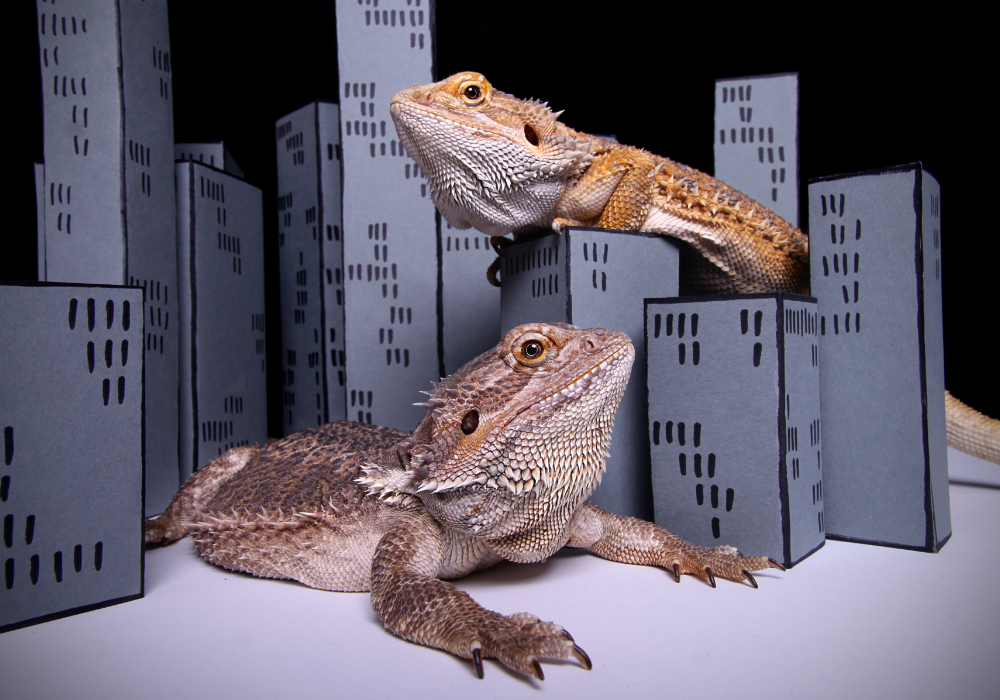
Urban life was never meant for wild animals. But as natural habitats vanish, more species are moving in—and not just surviving, but changing. Some are getting smarter. Some are getting bolder. Others are developing traits we haven’t seen before. These aren’t the same animals that once stayed on the outskirts. They’re evolving alongside us, shaped by trash, traffic, concrete, and noise.

It’s easy to think of cities as human spaces, with animals pushed to the margins. That’s no longer the case. Pigeons build nests in traffic lights. Coyotes slip through side streets at night. Rats outsmart bait stations, and raccoons learn to open locked bins. But the changes go deeper than behavior. City life is altering diets, immune systems, reproduction, and even brain structure. These animals are becoming urban creatures in every sense—adapted to our chaos and sometimes thriving in it. The question now isn’t just how we live with them. It’s how they’ll keep changing.

Read more