Are We the Arsonists? 11 Ways Human Behavior Is Igniting Catastrophic Fires

What you do every day could be sparking the next devastating blaze.
©Image license via iStock

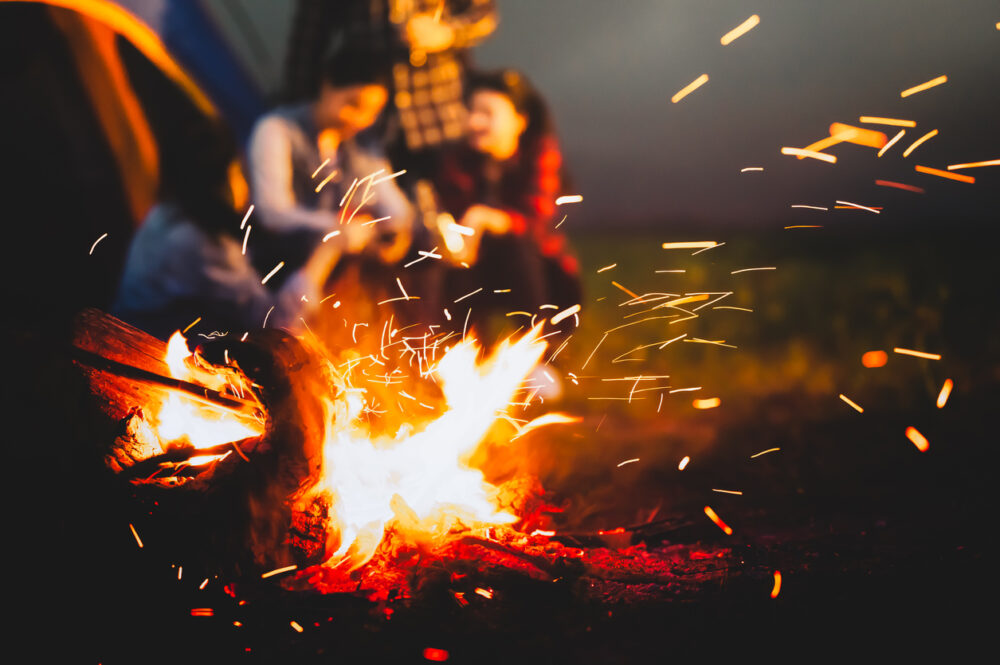
You might be lighting the match and not even know it. No, really—it’s not just the firebugs or freak accidents anymore. The way things are going, it’s easy to forget that our everyday choices could be fanning the flames—literally. You probably don’t wake up thinking, “How can I help fuel the next major disaster today?” But that’s kind of the point. The scariest part isn’t some arsonist hiding in the woods—it’s how normal, everyday behavior can quietly stack the odds against us until something sparks and everything goes up in smoke.

You hear about these out-of-control blazes, see the footage, and think, That’s awful… but what does it have to do with me? More than you think. You don’t need to be holding a lighter to be part of the problem. And once you realize just how many small, human-made triggers are hiding in plain sight, it’s hard to unsee them. So if you’re ready for a little self-check (and maybe a reality check), you’re in the right place. It’s uncomfortable, sure—but so is losing everything to a fire that didn’t have to happen.

Read more

What You Feed Your Dog Could Be Worsening the Climate—11 Better Options

Your pet’s dinner might be leaving a bigger footprint than yours.

©Image license via Canva

We love our dogs like family—but their diets can come with a hidden cost. The pet food industry is massive, and a surprising amount of it runs on the same unsustainable systems as industrial agriculture. From factory-farmed meat to overfished oceans, the kibble and canned food stacked in your pantry often has a larger environmental footprint than your own meals. And because dogs are such loyal omnivores, they’re caught in a system that prioritizes profit, not sustainability.

That doesn’t mean you have to start feeding your pup salad. But it does mean we should think more critically about what’s in that scoop of kibble. Many dog foods are loaded with low-quality animal byproducts, carbon-heavy ingredients, and unnecessary packaging. There are better ways to keep your dog healthy without feeding into destructive systems. A few small changes can lower your dog’s impact—and maybe even improve their health at the same time.

Read more

Your Candle Might Be Polluting More Than Your Car—10 Surprising Sources of Indoor Smog

The air inside your home isn’t as innocent as it smells.

©Image license via Canva

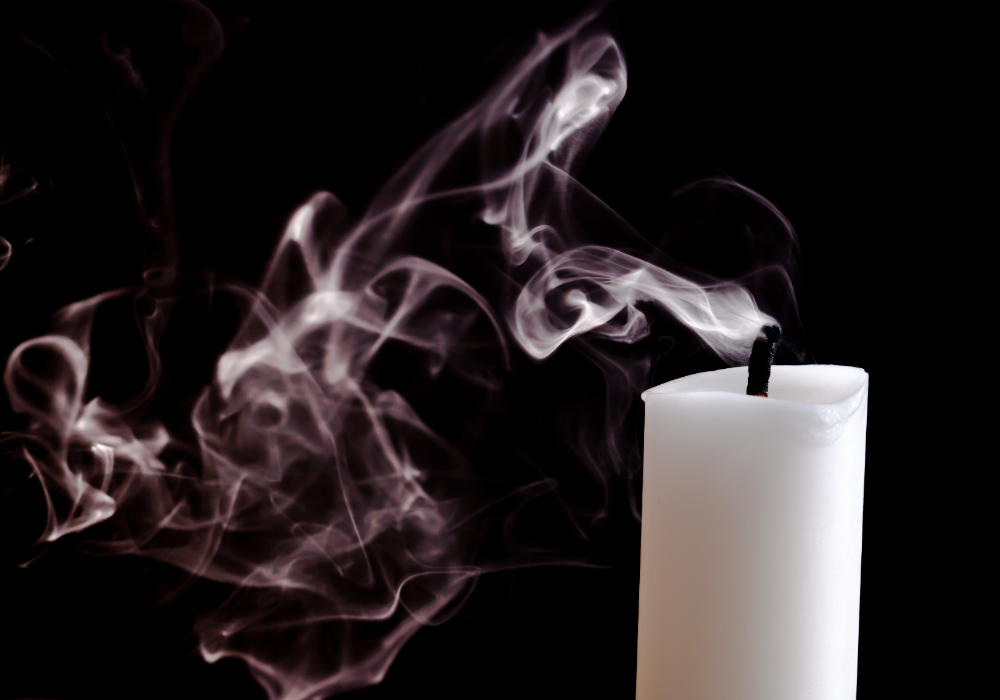
Most people assume air pollution is something that happens outside—smog over the city, exhaust on the highway, smoke from a wildfire. But the air in your living room could be worse. Indoor air doesn’t just come from outside; it builds up from everything you do inside. Cooking, cleaning, lighting candles, spraying air fresheners—it all leaves traces behind. And unlike outdoor air, there’s no breeze to carry it away.

The problem is, many of the worst offenders are things we associate with comfort and cleanliness. That lavender candle. The citrusy multi-surface spray. Even your new couch. It’s not just one thing, either. When all these pollutants combine and stay trapped indoors, they can form a toxic soup that’s harder on your lungs than city traffic. If you’ve ever cracked a window just to “freshen things up,” you were onto something. Your air might be cozier than the freeway—but it’s not necessarily cleaner.

Read more

The Fastest Route Cut the Deepest Wounds—12 Ways Roads Displaced People and Wildlife

Generations were uprooted in the name of speed and convenience.

©Image license via Canva

Roads are often framed as signs of progress—connections between cities, lifelines for trade, access to opportunity. But for countless communities, they were the beginning of the end. Highways didn’t just slice through empty land. They cut through neighborhoods, forests, sacred sites, and migration paths. The people and animals in their way were often treated as afterthoughts—moved, erased, or simply forced to adapt. And once the concrete was poured, there was no undoing the damage.

What’s left is a legacy of broken ecosystems and displaced histories. Wildlife corridors vanished. Families were evicted with little warning. Entire cultures were divided by traffic noise and off-ramps. These aren’t growing pains—they’re open wounds that still shape how people and animals move through the world today. The road may be smooth, but the cost was jagged. And we’re still living with what was lost in the rush to move faster.

Read more

These 10 “Plant-Based” Items Have Nothing to Do With Sustainability

Not everything made from plants is made for the planet.

©Image license via Canva

“Plant-based” has become the golden ticket of marketing—stick it on a label and it instantly sounds clean, conscious, and eco-aligned. But the truth is, plenty of so-called plant-based products are far from sustainable. Some are soaked in chemicals, processed beyond recognition, or wrapped in plastic before they ever hit a shelf. Others rely on monocrops, high water use, or industrial farming that drains ecosystems more than it helps. A plant origin doesn’t always mean a product breaks down, supports biodiversity, or even reduces your carbon footprint.

Just like “natural” or “green,” the term has been stretched to the point of near-meaninglessness. While some plant-based options genuinely aim to reduce harm, many are just dressed-up versions of the same old wasteful habits. It’s not about guilt-tripping your choices—it’s about getting real with the labels we trust. Because sustainability isn’t about what something’s made from. It’s about how it’s made, used, and discarded.

Read more

You Didn’t Sign Up for the Surveillance—But These 11 Appliances Are Watching Anyway

Your fridge, your TV, and even your toothbrush are reporting back.

©Image license via Canva

You don’t need a security clearance to be surveilled anymore. These days, all it takes is a kitchen remodel. Or a new phone. Or a thermostat that promised to save you 10% on heating. One minute you’re trying to make life easier with “smart” upgrades, and the next your blender is leaking data to a third-party analytics firm in Singapore. This isn’t a sci-fi dystopia—it’s just your average Tuesday in a connected home.

The creep factor doesn’t always come from obvious cameras or mics, either. A lot of the time, it’s buried in the fine print. That “accept all” button? It opened the door. And now everything from your vacuum to your doorbell is quietly gathering info, watching your routines, and selling that data off to whoever’s buying. You might not have signed up for this, but your appliances definitely did.

Read more

What’s in Your Mattress Isn’t Just Foam—It’s a Mix of 10 Materials That Don’t Break Down

Underneath the sheets, your mattress hides a whole lot of forever waste.

©Image license via Canva

If you’ve ever dragged an old mattress to the curb, you know they’re heavy, awkward, and weirdly dense. What most people don’t realize is that those things are built like tanks—layered with materials that were never meant to decompose. They’re cozy for a while, sure, but once they’re tossed, they sit in landfills for decades. Sometimes centuries. It’s not just the foam you can blame, either. The modern mattress is a Frankenstein blend of synthetic fibers, chemical adhesives, petroleum products, and sneaky microplastics. Even the ones labeled “natural” or “eco-friendly” often come packed with hidden materials that are tough to recycle and impossible to break down.

The truth is, most mattresses are designed for comfort, not sustainability. And while we’ve become more conscious about fast fashion and plastic packaging, mattresses somehow fly under the radar. It’s time to pull back the covers and take a closer look at what we’re actually sleeping on—because the materials inside your bed aren’t just temporary. They’re forever.

Read more

What It’s Really Like to Work Full-Time and Still Fear Eviction—13 Painful Truths

The paycheck covers just enough to keep you broke, anxious, and hanging by a thread.

©Image license via iStock

You can work 40+ hours a week and still lie awake wondering if you’re about to lose your home. That’s the gut punch no one wants to talk about. You show up, do your job, hustle through the exhaustion—and yet, stability feels like some distant reward you never quite reach. Rent climbs, bills pile up, and one unexpected expense sends everything into panic mode. It’s not laziness or bad decisions—it’s the math just not adding up anymore.

According to the U.S. Census Bureau, over 21 million renter households—about 49.7% of the 42.5 million renter households—spent more than 30% of their income on housing costs in 2023. Households spending more than this threshold are considered “cost-burdened,” and those spending over 50% are “severely cost-burdened.”

That’s nearly half of renters feeling the pressure every single month—and a lot of them are full-time workers. This isn’t about skipping lattes or budgeting harder. It’s about a system that doesn’t reward effort with security anymore. And when your paycheck disappears the second it hits your account, the fear of eviction isn’t dramatic—it’s a daily, creeping reality.

Read more

Hurricanes Are Coming But Will FEMA Show Up? 11 Downright Scary Facts

You could be left stranded while the government scrambles.

©Image license via iStock

You might think FEMA will always have your back—but that assumption could leave you in serious trouble. When a hurricane’s barreling toward your town, the last thing you want to realize is that the safety net you counted on is full of holes. You’ve probably seen the dramatic images on TV—flooded streets, families on rooftops, chaos in shelters. But what you don’t see is just how flawed the emergency response can be behind the scenes. It’s easy to assume someone, somewhere has a plan. That trucks are lined up, resources are ready, and people know exactly what to do. But the truth? It’s a lot messier than you’d think. Delays happen. Promises fall through. And the people who need help the most often get it last—if at all.

You can’t afford to rely on a system that might not show up when you need it most. Before the winds start howling and the water starts rising, you need to know what you’re really dealing with. Because by the time the storm hits, it’s already too late to be surprised.

Read more

Why Storms Feel Scarier Now—10 Climate Trends Behind the Surge

Nature’s warning signs are louder now, and they’re not letting up.

©Image license via iStock

Storms used to be background events—loud, maybe inconvenient, but not terrifying. Now they feel personal. A siren that once signaled a passing threat feels like the beginning of a long, uncertain night. Rain sounds different when you know it could flood your street. Thunder rattles more than windows—it shakes whatever sense of safety you thought still applied.

This isn’t just perception. Storms really are changing. They’re bigger, faster, wetter, slower, colder, hotter—depending on what kind of system you’re facing. Climate change doesn’t just turn the temperature up a few degrees; it rewires the systems that once kept weather in balance. We’re no longer dealing with freak events—we’re adjusting to a new normal that’s still shifting. And while the forecasts try to keep up, communities on the ground are the ones absorbing the fallout.

Read more