11 New MRI Discoveries Reveal How Even Low-Level Pollution Damages Your Heart

What looks harmless in the sky turns hostile once it’s inside your bloodstream.

©Image license via Canva

Pollution isn’t just a lung problem. New imaging is making that painfully clear. Thanks to advanced MRI scans, researchers are starting to see how even small, routine exposures to air pollution affect the heart directly—sometimes silently, but often permanently. The most shocking part? You don’t need to live near a factory or wait for a red-alert smog day. It’s happening in ordinary neighborhoods, on ordinary days, with levels we’ve been told are “safe.”

Unlike previous studies that relied on long-term health records, these discoveries come straight from inside the body—detailed images showing real-time damage to blood vessels, heart tissue, and circulation. The heart responds to pollutants faster and more dramatically than anyone expected. And while these findings are still being processed by public health systems, the scans don’t lie. Damage is happening earlier, deeper, and with less exposure than we’ve ever acknowledged.

Read more

13 Comebacks That Shut Down Condescending People Instantly

You can stay calm and still cut straight through their arrogance.

©Image license via iStock

There’s nothing like condescension to make your blood boil. The smug tone, the fake concern, the backhanded compliments—it’s a tactic meant to shrink you down while the other person gets to feel big. And whether it’s coming from a coworker, a relative, or someone who just loves the sound of their own voice, the worst part is how it often catches you off guard.

The goal isn’t to out-snark them or start a shouting match. It’s to reestablish control of the conversation without sinking to their level. These comebacks work because they’re cool, clear, and direct. No name-calling. No emotional unraveling. Just sharp responses that call out the behavior without inviting more of it. You don’t have to prove anything to someone trying to talk down to you. You just have to make it clear you’re not playing along.

Read more

The Grass Is Always Greener Until It’s Banned—11 Places Rethinking Lawns

From fines to rebates, local governments are done with thirsty lawns.

©Image license via iStock

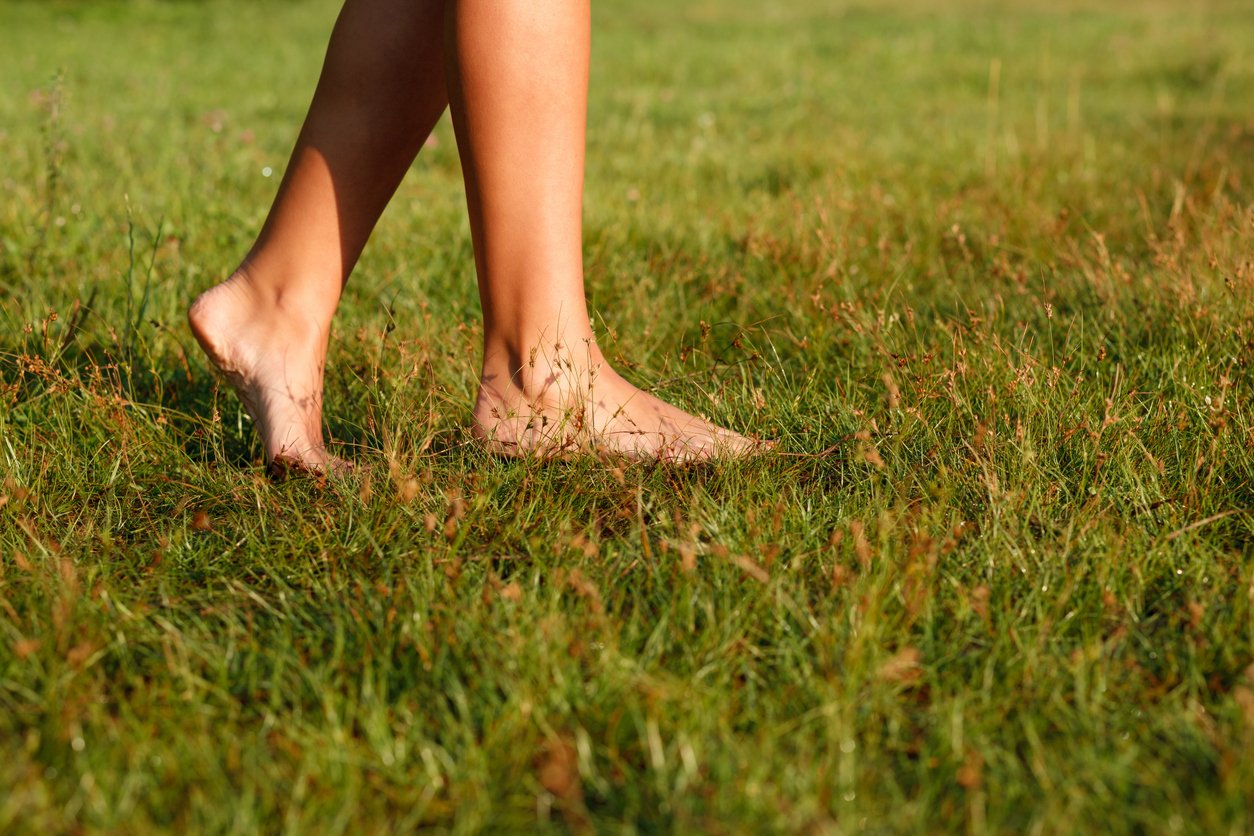
For decades, a tidy green lawn was treated like the gold standard of homeownership—an aesthetic signal of order, prosperity, and care. But as the climate shifts and water supplies dwindle, that patch of turf is starting to look a lot less innocent. Grass lawns suck up resources, repel biodiversity, and contribute almost nothing to the environment. In many places, they’ve become symbolic of waste—and cities and towns are finally taking action.

What once seemed untouchable is now getting phased out, ripped up, or outright banned. Whether it’s through fines, public incentive programs, or new zoning laws, communities across the globe are challenging the supremacy of turfgrass. And while that may feel like a small shift, it signals something bigger: a culture beginning to favor sustainability over appearances. Lawns are no longer the default. And the places leading the charge are showing what a more resilient, climate-conscious landscape can actually look like.

Read more

When the Air Turns Against You, These 12 Symptoms Start to Show Up

Symptoms you’ve blamed on stress might actually be pollution.

©Image license via iStock

You don’t need to live next to a refinery to feel the effects of bad air. Sometimes the warning signs aren’t dramatic—they’re just easy to ignore. A lingering headache. A scratchy throat. That foggy, exhausted feeling you chalk up to work stress. The truth is, polluted air doesn’t always look or smell toxic. But your body still reacts to it, often in quiet, cumulative ways.

Indoor and outdoor air pollution both play a role, from wildfire smoke to synthetic cleaning sprays. The irritants might be microscopic, but the symptoms are real—and they don’t always show up right away. Instead, they creep in slowly, disguised as everyday complaints. If you’ve been feeling “off” for a while, the problem might not be your routine. It might be the air that surrounds you.

Read more

The Trash Can Isn’t a Magic Portal—12 Things That Come Back to Haunt You

Your trash might vanish from sight, but not from the planet.

©Image license via Canva

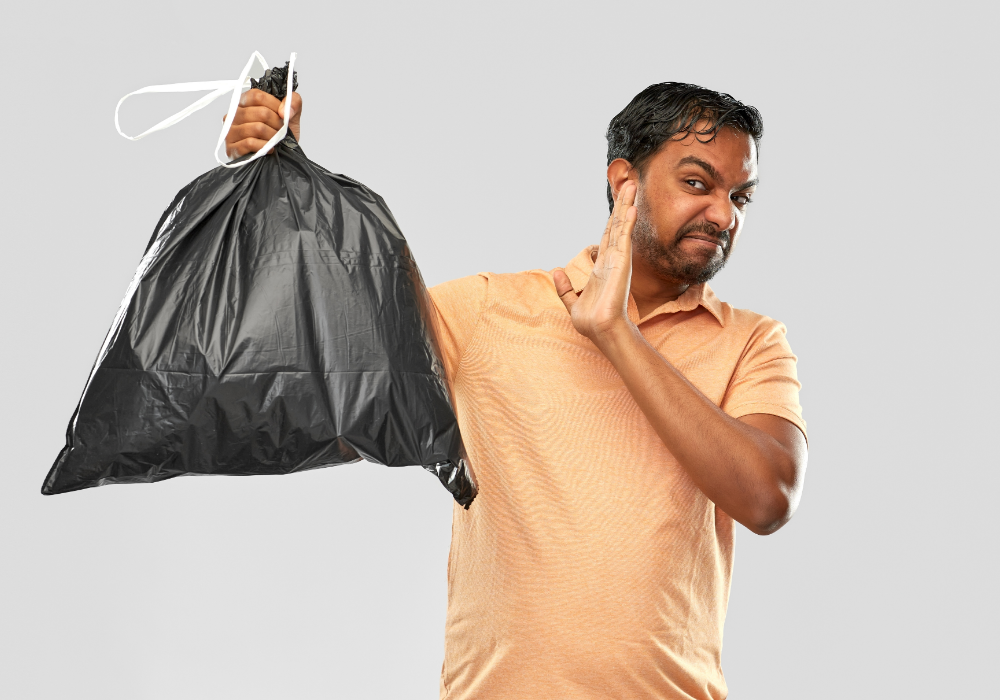
It’s comforting to think that once something hits the bin, it’s gone. Out of sight, out of mind. But most of what we throw away doesn’t break down, vanish, or get responsibly handled—it just goes somewhere else. Landfills don’t erase trash. Incinerators don’t neutralize every toxin. Recycling systems are often broken or overloaded. We’ve created an illusion of disposal, when in reality, our waste loops back through soil, water, and air in ways we rarely see.

The haunting part isn’t just the volume—it’s how ordinary so much of it is. The most damaging items aren’t always the obvious ones. They’re the ones we don’t think twice about. A handful of lint, a sparkly sticker, a silicone mat that seemed like a better choice. All of it comes back—slowly, quietly, and often in forms we barely recognize. But the impact lingers long after the trash truck pulls away.

Read more

Fast Upgrades Age Like Spoiled Milk—11 Products That Got Worse With Every Version

Innovation doesn’t mean improvement when profit’s the only goal.

©Image license via Canva

Not everything gets better with time. Some things just get… shinier. Or thinner. Or more fragile. In the rush to roll out the next version, companies often sacrifice what made the original good in the first place—durability, user control, even basic functionality. It’s not about making things last or work better anymore. It’s about churn, hype, and squeezing out every last dollar.

That’s why a product you loved five years ago feels like junk now. Whether it’s built-in obsolescence or cost-cutting hidden under the guise of “streamlining,” these so-called upgrades are often downgrades in disguise. Fewer ports, flimsier materials, software that stops working when the company says so. We didn’t ask for faster failure cycles—but the market thrives on them. And the more we adapt to the new normal, the easier it is for quality to quietly disappear.

Read more

These 11 Garden Trends Are Quietly Destroying Native Ecosystems

Landscaping fads are wiping out the wildlife we need most.

©Image license via Canva

Not all greenery is created equal. While modern landscaping trends promise clean lines, curated blooms, and curb appeal, they often do more harm than good. The push for tidy, Instagram-worthy yards has quietly turned residential spaces into ecological dead zones. Native plants are ripped out, wildlife is pushed away, and entire microhabitats vanish beneath mulch, stone, or ornamental imports. This results in a patchwork of sterile outdoor spaces that might look beautiful—but leave nothing behind for birds, bees, or biodiversity.

What’s marketed as low-maintenance or pollinator-friendly is often just another version of control: controlling weeds, controlling wildlife, controlling nature. But when everything’s been engineered for appearance, there’s little room left for the messy, complex systems that actually keep ecosystems alive. If you care about the planet, it’s time to question what’s growing in your yard—and what’s been lost to make it look that way.

Read more

The Food System Isn’t Designed for Nutrition—These 10 Clues Reveal the Truth

Your grocery cart is full, but your body is still starving.

©Image license via iStock

It’s easy to assume that if food is cheap, convenient, and everywhere, it must be doing its job. But nutrition isn’t built into the system—it’s often left out entirely. The shelves are packed, the ads are loud, and the packaging screams “healthy” at every turn. Still, so many people feel depleted, inflamed, or undernourished despite eating regularly. That’s not a personal failure. It’s a design flaw.

The food industry isn’t structured around your well-being. It’s structured around profit margins, shelf life, and addictive flavors. That means ultra-processed snacks get priority over whole ingredients. It means subsidies go to corn syrup instead of kale. And it means the most calorie-dense options are often the cheapest. When health is treated like an afterthought, it shows up in your body—and not in a good way. This isn’t about individual choices. It’s about a system that was never meant to nourish you.

Read more

Think Twice Before Moving to These 11 Places—They May Be Unlivable in 50 Years

These popular places are quietly sliding toward an unlivable future.

©Image license via iStock

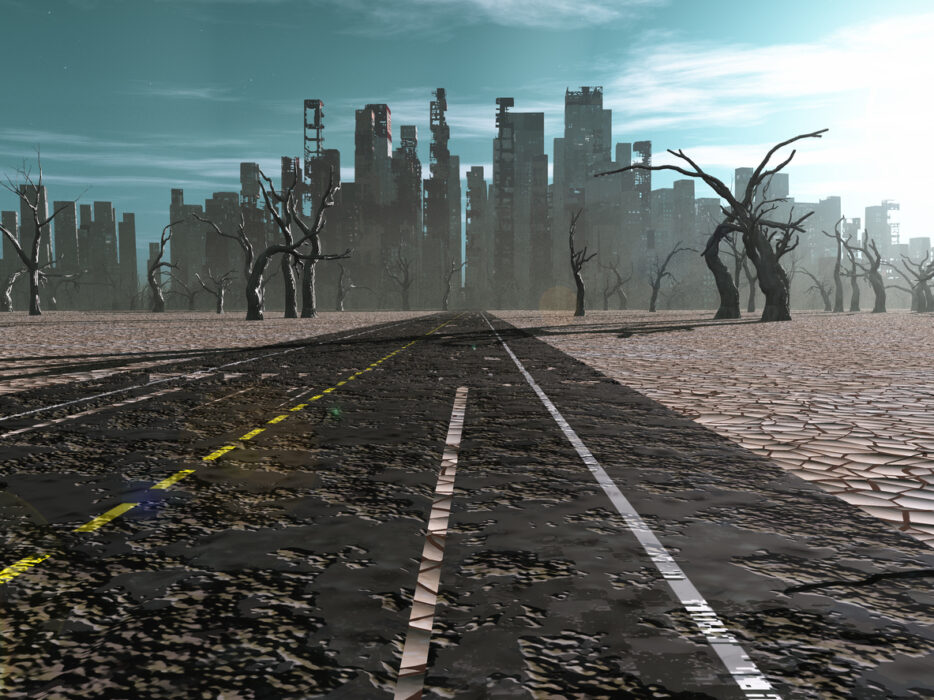
You could be packing your boxes for a place that won’t be livable by the time you retire. That sounds dramatic, but it’s not some far-off sci-fi scenario. Climate change is reshaping entire regions—quietly, steadily, and way faster than most people realize. You might be dreaming about palm trees, mountain views, or wide-open spaces, only to find out later that your perfect spot comes with water shortages, fire risks, unbearable heat, or rising seas. The crazy part? A lot of people are still moving to these places in droves, totally unaware of the long-term risks.

It’s not just about hurricanes or droughts anymore—it’s about how livable a place actually stays when the environment around it starts shifting. And those shifts are already happening. You might not feel them this year. Maybe not even next. But 30, 40, 50 years from now? You—or your kids—could be stuck in a location that’s struggling to support basic life. So before you fall in love with a postcard-perfect town, it might be worth asking: Will this place still love you back in the decades to come?

Read more

Your Body Is Giving You Clues—Here Are 13 Ways to Eat Smarter by Listening

Eating right gets a whole lot easier when you actually know what your body needs.

©Image license via iStock

Your body’s been trying to talk to you—you just haven’t been taught how to listen. That bloated feeling after a “healthy” meal? The crash an hour after breakfast? The cravings that show up out of nowhere? They’re not random. They’re messages. But most of us were raised to ignore our bodies and follow rigid food rules instead. You’re told what to eat, how much, and when—no questions asked. And when it doesn’t feel right, you blame your willpower instead of realizing the plan wasn’t built for you.

The truth is, your body isn’t the enemy. It’s actually incredibly wise. It knows when something’s off. It nudges you with subtle signs and sometimes yells with symptoms when things go too far. Once you start tuning in, things begin to click. Eating becomes less about control and more about communication. Your energy shifts. Your mood steadies. Your gut calms down. It’s not about being perfect—it’s about getting curious. Because when you stop ignoring your body’s clues and start responding to them, eating smarter stops feeling like a struggle and starts feeling like self-respect.

Read more