From Drowning to Displacement—12 Brutal Ways Flash Floods Devastate Wildlife

These sudden floods do more than wash out roads—they wipe out entire ecosystems.
©Image license via Shutterstock

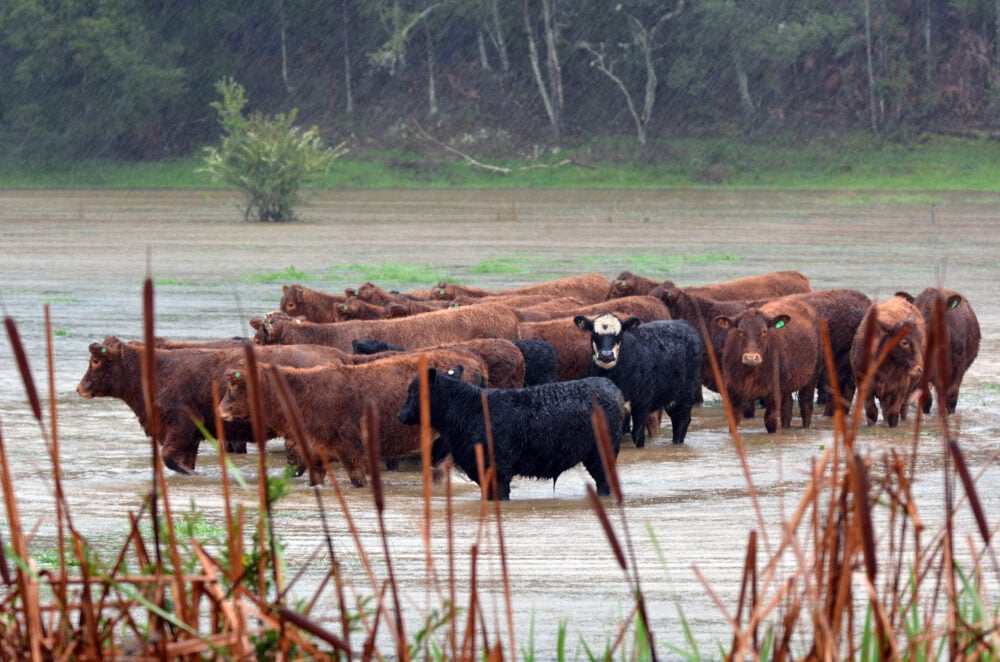
You probably think flash floods are just a human problem—but the truth is, wildlife suffers even more. One minute, an animal’s home is safe and sound. The next, it’s underwater, wrecked, or simply gone. It’s easy to forget how fast and unforgiving these floods are when you’re not the one running for your life.

But imagine being a tiny frog, a sleeping bird, or a mother fox with babies tucked away in a hidden den. They don’t get flood warnings. They don’t have escape plans. And they definitely don’t have rescue teams waiting to swoop in.

What they face is raw and brutal, and most of us never see it. But once you do, it’s hard to forget. It’s not just the rising water—it’s the ripple effect of destruction that touches every branch, burrow, and nest. And the cost to the animal kingdom? Far worse than you’d think.


Read more

These Everyday Habits May Increase Your Cancer Risk Without You Knowing

Most people do these daily and have no idea they could be toxic.

Woman eating cake. ©Image license via Canva

You brush it off as stress eating. Or just needing a glass of wine to unwind. Maybe it’s binge-watching with snacks in hand or always needing noise in the background. But these common behaviors—things that soothe, distract, or numb—might be doing more than messing with your routine. They could be feeding a dangerous cycle in your body.

Cravings for stimulation, food, or substances light up your brain’s reward system, but they also trigger the same biochemical chaos that fuels inflammation and weakens your immune response.

Over time, that disruption can set the stage for serious disease—including cancer. It’s not about fear-mongering. It’s about seeing how everyday habits add up in ways we never connected. The science is clear: what we reach for to cope could quietly be turning our bodies into fertile ground for illness we never saw coming.

Read more

People Who Are Calm and Centered Do These 12 Things Before 9 A.M.

If you’re feeling scattered, adopting these simple routines could change everything.

Calm woman reading a book. ©Image license via Canva

Some people wake up and just seem… unshakable. While the rest of us are spilling coffee, checking emails in a panic, and wondering what day it is, calm and centered people are already setting the tone for a balanced day. It’s not magic or some rare personality trait—it’s what they do before the chaos begins.

Their mornings aren’t rushed or reactive—they’re intentional, grounding, and quietly powerful. These people don’t wait for peace to find them—they create it before most of the world even hits snooze. If your mornings feel like a mess of stress and distraction, it might be time to rethink your routine. Because what you do before 9 a.m. can shape everything that comes after.

Read more

12 DIY Renewable Energy Projects You Can Build at Home

You don’t need to be an engineer to build these genius renewable energy solutions.

Man examining DIY project. ©Image license via Canva

You don’t need a huge budget, a degree in engineering, or a team of contractors to start generating your own clean energy. In fact, you can turn your backyard, garage, or even your windowsill into a mini renewable power station with just a few smart DIY moves. Solar, wind, hydro—you name it, there’s probably a version you can build yourself with basic tools and a little patience.

And no, this isn’t about living off the grid in a cabin (unless you’re into that). It’s about reducing your utility bills, learning something cool, and having more control over where your energy comes from.

Plus, these projects are surprisingly fun—especially when you get the family involved. So if you’re ready to turn sunlight, wind, or even kitchen scraps into power, these DIY renewable energy ideas are the perfect place to start.

Read more

Nature Doesn’t Want to Be Pretty—These 10 Wild Places Prove It

What nature creates without us is often the most breathtaking of all.

©Image license via Canva

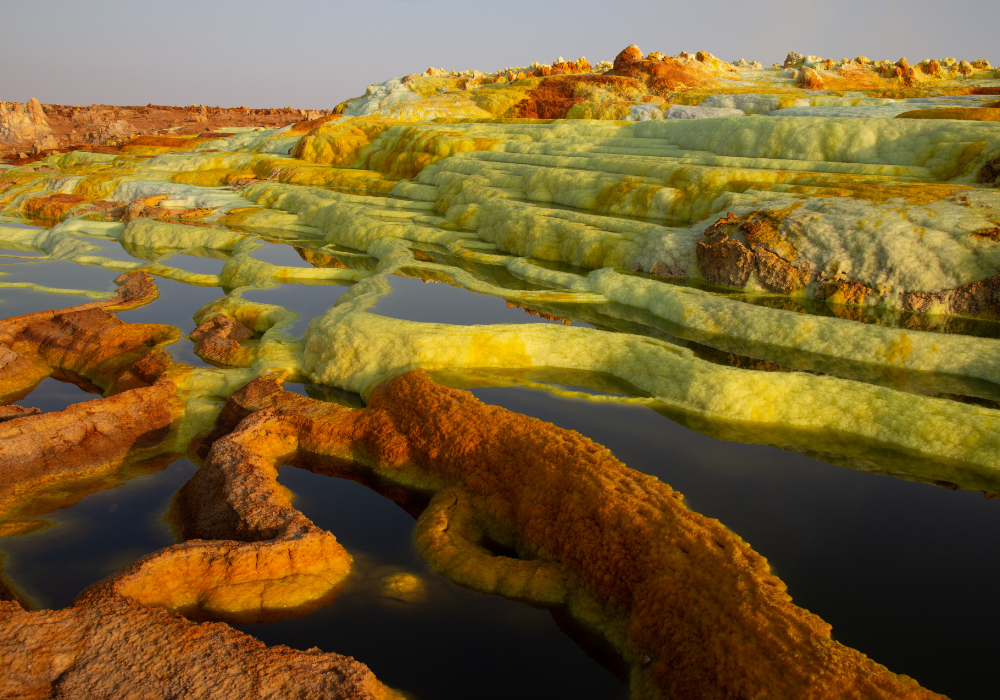
We like to frame nature in soft pastels and sweeping views—cherry blossoms, calm lakes, golden-hour hills. But wild nature doesn’t always aim to be beautiful. Sometimes it’s harsh, asymmetrical, or even hostile. It’s full of cracked rock, boiling water, crooked trees, and animals that would rather not be seen. These places don’t exist to please anyone. And maybe that’s the point.

Some of the most powerful landscapes on Earth aren’t tidy or tranquil—they’re jagged, raw, and bursting with energy. You can’t manicure a volcanic field. You can’t make tundra symmetrical. And when you stop expecting perfection, the land starts to speak for itself. It tells stories of survival, chaos, resilience, and deep time. These places don’t care if you find them beautiful. But once you witness them, it’s hard to look away.

Read more

You Can’t See the Air You Breathe—But These 12 Products Make It Dirtier

That “fresh” smell might be masking something far more toxic.

©Image license via Canva

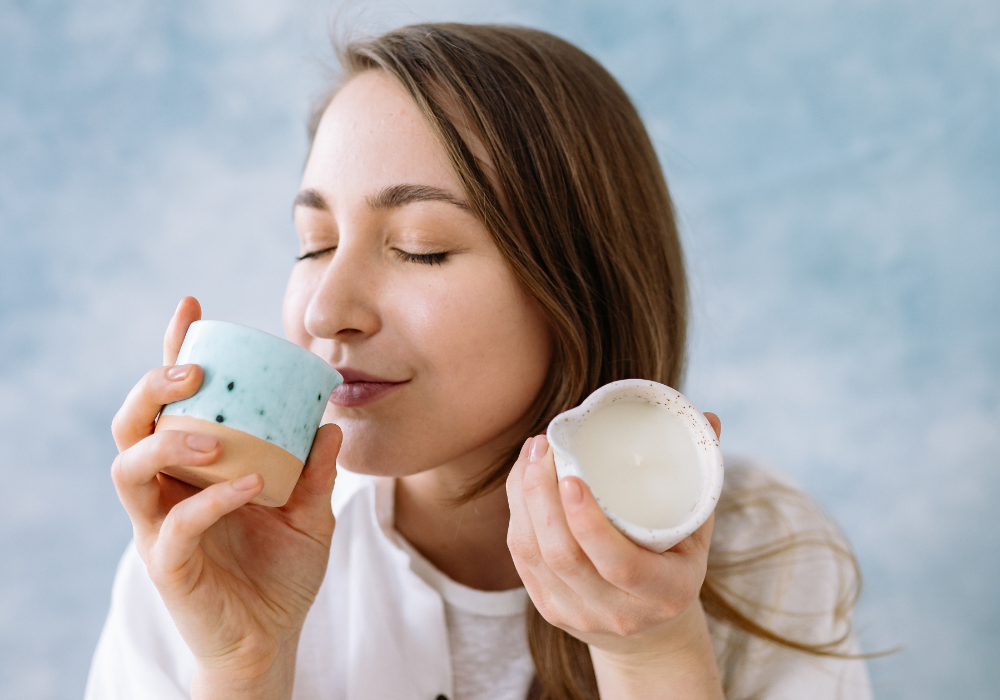
Air purifiers, open windows, the occasional scented candle—most of us think we’re doing enough to keep our homes feeling fresh. But indoor air isn’t just shaped by how often you clean or how often you ventilate. It’s shaped by the everyday products you use, the ones you probably don’t think twice about. Many items designed to improve comfort or cleanliness are actually polluting the air in ways that aren’t immediately obvious.

What smells nice or looks spotless might be quietly releasing chemicals, trapping particles, or triggering respiratory reactions. And because indoor air has less circulation than outdoor air, it’s easier for these pollutants to accumulate. That’s part of what makes it so insidious—it doesn’t feel dangerous. But when headaches, allergies, or constant fatigue show up, the real culprit might be something as simple as your laundry detergent or couch cushions.

Read more

13 Things in Your Bathroom That Should Never Go Down the Drain

Flushing these things won’t make them disappear—it only makes things worse.

©Image license via Canva

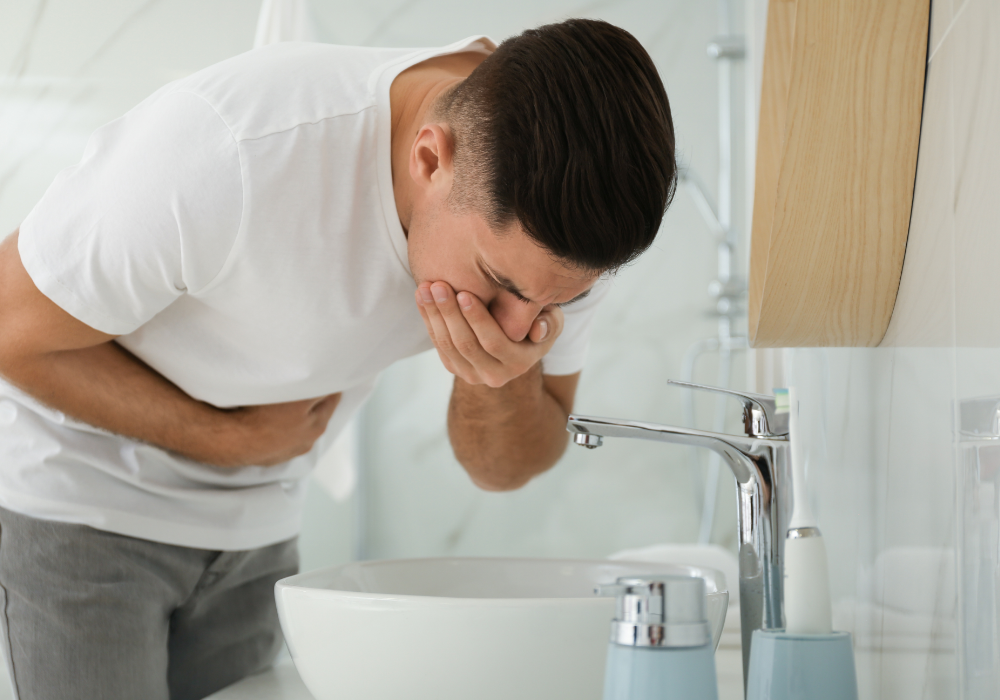
There’s something weirdly satisfying about watching water carry waste away. It feels clean, quick, and convenient—like a problem instantly solved. But the illusion doesn’t last. What vanishes down the drain in seconds often ends up somewhere it shouldn’t, from clogged pipes in your home to polluted waterways downstream. And while a few culprits are obvious, others might seem harmless until they build up in plumbing systems or leach toxins into soil and water.

The bathroom is one of the biggest problem zones for hidden waste. Personal care routines, cleaning habits, and daily hygiene often involve rinsing, flushing, or washing things away without a second thought. Unfortunately, many of those things don’t break down properly—or at all. Some gum up wastewater equipment, others kill helpful bacteria in septic systems, and several contribute to microplastic pollution or chemical contamination. A little more awareness here can make a huge difference.

Read more

If the Internet Vanished Tomorrow, These 11 Habits Would Go With It

Most of your daily routine depends on something you can’t see and don’t own.

©Image license via iStock

It’s woven into your routines so tightly that you barely notice it—until you try to go without it. The internet isn’t just a tool anymore. It’s a backdrop, a scheduler, a middleman, and a reward system. From the moment you wake up to the second you fall asleep, it holds your attention, fills your calendar, and filters your social life. And if it vanished overnight? The ripple effects would be stranger than most people expect.

Some shifts would feel liberating. Others would leave you disoriented. Because so many everyday habits, from shopping to socializing to relaxing, weren’t shaped around your needs—they were shaped around what the internet makes convenient. It’s not just about losing Google or TikTok. It’s about realizing how much of your behavior only exists because the internet did.

Read more

14 Toxic Things No Healthy Partner Would Ever Say to You

A caring partner would never let these toxic words leave their mouth.

©Image license via Shutterstock

You know something’s off when the words sting more than the silence. A healthy partner should build you up—not chip away at your confidence with backhanded comments or subtle digs. But toxic phrases often slip into relationships disguised as jokes, frustration, or “just being honest.” If you’ve ever felt smaller, confused, or like you’re constantly walking on eggshells after a conversation, it’s not in your head. The way someone speaks to you reveals way more than just their mood—it shows their respect for you.

And if they keep saying things that leave you questioning your worth, it’s time to take a hard look at what you’re tolerating. You deserve communication that feels safe, honest, and kind—not soul-crushing.

Read more

Are Holistic Doctors Legit—or Just Wellness Influencers with a Diploma?

Some treat chronic illness—others just sell supplements on Instagram. Can you tell the difference?

©Image license via Canva

Holistic doctors are popping up everywhere—from trendy wellness centers to your TikTok feed—and they’re not all cut from the same cloth. Some are licensed MDs or DOs who’ve added integrative tools to their toolkit. Others are naturopathic doctors, chiropractors, or functional medicine practitioners with different training and philosophies. A few lean deeply into nutrition and detox protocols, while others focus on energy healing, acupuncture, or homeopathy.

It sounds promising—treating the whole person instead of just slapping on a prescription. But how do you know if someone’s a true healer or just a wellness influencer with a nice website and a diploma on the wall? With so many titles, approaches, and personalities in the mix, it’s getting harder to tell what’s legit and what’s just cleverly packaged hype. Your health deserves clarity, not confusion disguised as “holistic wisdom.”

Read more