11 Hotel Perks You Might Lose Thanks to the EU’s New Climate Laws

You may want to pack extra: these once-standard comforts are on the chopping block.

©Image license via Canva

If you’ve grown used to free air conditioning, endless towel swaps, and breakfast buffets piled high, your next European vacation might look a little different. The European Union is rolling out strict new climate regulations aimed at cutting carbon emissions from the tourism and hospitality sectors.

Hotels are being pushed to conserve energy, reduce waste, and rethink luxury through a green lens. While the planet may benefit, travelers could see some beloved comforts scaled back or disappear entirely. These hotel perks could become rare—or vanish altogether—as climate-conscious laws reshape the European travel experience.

Read more

White House Targets EPA’s Greenhouse Gas Warning That Launched Climate Action

The 2009 finding sparked U.S. climate policy—now it’s on the chopping block.

©Image license via Canva

The 2009 EPA endangerment finding marked a seismic shift in U.S. climate policy. Declaring greenhouse gases a threat to public health and welfare, it laid the legal groundwork for regulating emissions under the Clean Air Act. Now, new moves by the White House aim to dismantle or redefine that very foundation.

Rolling back the endangerment finding could strip the EPA of its power to address carbon pollution—jeopardizing decades of climate progress. As the political battle intensifies, here are the far-reaching consequences of targeting the ruling that jumpstarted America’s climate response.

Read more

Why Heat Domes Are Breaking Records—and Breaking the Rules of Forecasting

Scientists thought they understood heat domes—then this summer shattered all expectations.

©Image license via Canva

Heat domes used to be freak weather events—now they’re showing up like uninvited guests who never leave. You feel it when you walk outside and the air hits like a furnace blast. But there’s something bigger going on than just a few extra hot days.

These monster domes are breaking temperature records left and right—and meteorologists are scrambling to keep up. What we’re seeing isn’t just hotter summers. It’s a total shake-up in how weather behaves, and forecasting tools that worked for decades are suddenly falling short.

Read more

10 Artists Turning Trash Into Stunning Works of Environmental Art

Meet the visionaries using garbage to spark conversation and reimagine sustainability.

©Image license via Flickr

As the planet grapples with a growing waste crisis, a bold movement in the art world is turning discarded debris into creative protest. From ocean plastic and industrial scrap to e-waste and food packaging, artists are reclaiming what society throws away and transforming it into arresting works that challenge how we see the environment—and ourselves. These creators aren’t just making art; they’re raising awareness about consumption, pollution, and the consequences of throwaway culture.

Their works straddle the line between beauty and discomfort, forcing viewers to reckon with the materials we mindlessly discard. This fusion of environmentalism and artistry is reshaping both the gallery and the conversation, proving that even the ugliest remnants of human waste can become powerful, transformative symbols in the hands of visionaries who refuse to look away.

Read more

10 Expectations That Are Slowly Killing Your Relationship

Unspoken rules and silent disappointments may be sabotaging your love more than you realize.

©Image license via Canva

Every relationship comes with expectations—but when those expectations are rigid, unrealistic, or unspoken, they can quietly sabotage your connection. You might not even realize how much pressure they’re creating until resentment builds or communication breaks down. While wanting love, respect, and support is natural, expecting your partner to meet every emotional, physical, or lifestyle need can lead to disappointment and detachment.

Relationships thrive on understanding, not perfection. The good news? Letting go of these toxic expectations doesn’t mean lowering your standards—it means freeing your relationship to grow, breathe, and feel more human.

Read more

11 Lies About Mental Health That Too Many People Still Believe

When false ideas go unchecked, real healing becomes nearly impossible.

©Image license via Canva

Mental health isn’t a character flaw, a passing mood, or a private shame—but far too often, that’s how it’s treated. Despite growing awareness and expanding conversations, many dangerous myths about mental illness still shape how we think, talk, and act. These lies keep people from seeking help, fuel stigma, and prevent real understanding and support.

They show up in everyday conversations, social media soundbites, and even medical settings, reinforcing outdated and harmful assumptions. Mental health challenges are complex, widespread, and deeply human—but misinformation makes them seem alien, dramatic, or even fake. If we want to truly support ourselves and each other, we have to confront what we’ve been told.

Read more

You’re Wasting Water, Time, and Money with These 12 Cleaning Habits

These so-called “cleaning hacks” are secretly draining your wallet and the planet.

©Image license via Canva

You might think your cleaning routine is efficient, but some of your habits are quietly draining your wallet, wasting precious water, and eating up your time. From rinsing dishes that are already clean to overusing cleaning products that do more harm than good, these everyday missteps add up fast.

What feels like being thorough often turns out to be unnecessary—or even counterproductive. In a world where conserving resources and saving time matter more than ever, it’s worth rethinking how you scrub, spray, and sanitize. Here are 12 cleaning habits you need to break if you want a cleaner, smarter routine.

Read more

You’re Not Forgetful—You’re Overstimulated by These 13 Daily Triggers

Your brain isn’t failing—it’s just drowning in constant noise, distractions, and demands.

©Image license via Canva

You walk into a room and forget why you’re there. You miss appointments, misplace your phone, or blank on a name you’ve known for years. Before you panic about memory loss, consider this: you’re not forgetful—you’re overstimulated. In today’s fast-paced world, your brain is constantly bombarded by notifications, noise, decisions, and distractions. That mental overload clogs your focus and short-circuits short-term memory. What feels like a cognitive decline is often just your mind waving a white flag. These 13 daily triggers are quietly hijacking your attention and clouding your clarity. Once you spot them, you can start reclaiming your mental space.

Read more

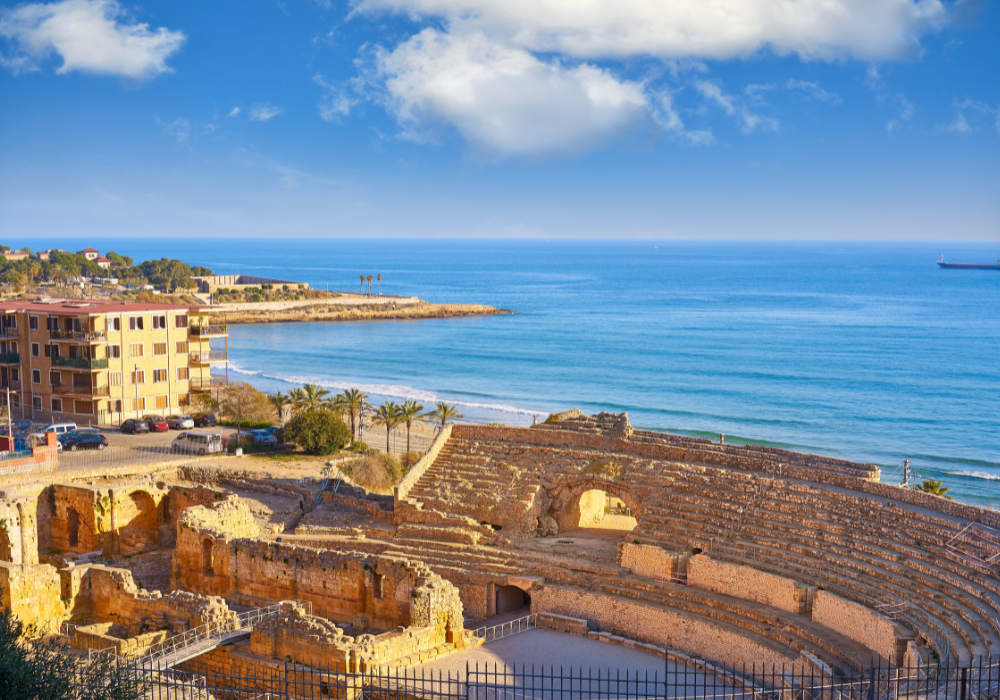
A 2,000-Year-Old Roman Law Could Be the Key to Saving America’s Beaches

This ancient legal principle once governed empires—and it might now protect our eroding coasts.

©Image license via Canva

As rising seas swallow coastlines and private development fences off public access, America’s beaches are in crisis. But a 2,000-year-old Roman law might offer a surprising solution. Known as the Public Trust Doctrine, this ancient legal principle held that shorelines, rivers, and the sea were common property—owned by no one and shared by all. In Roman times, it protected the public’s right to access and use natural resources. Today, that same doctrine could be the key to reclaiming eroding beaches, restoring public access, and challenging private interests that treat the coast as their own. It’s old—yet more urgent than ever.

Read more

The Next Pandemic Could Be Worse—12 Alarming Gaps in Our Readiness

Despite everything we’ve learned, we’re still frighteningly unprepared for what comes next.

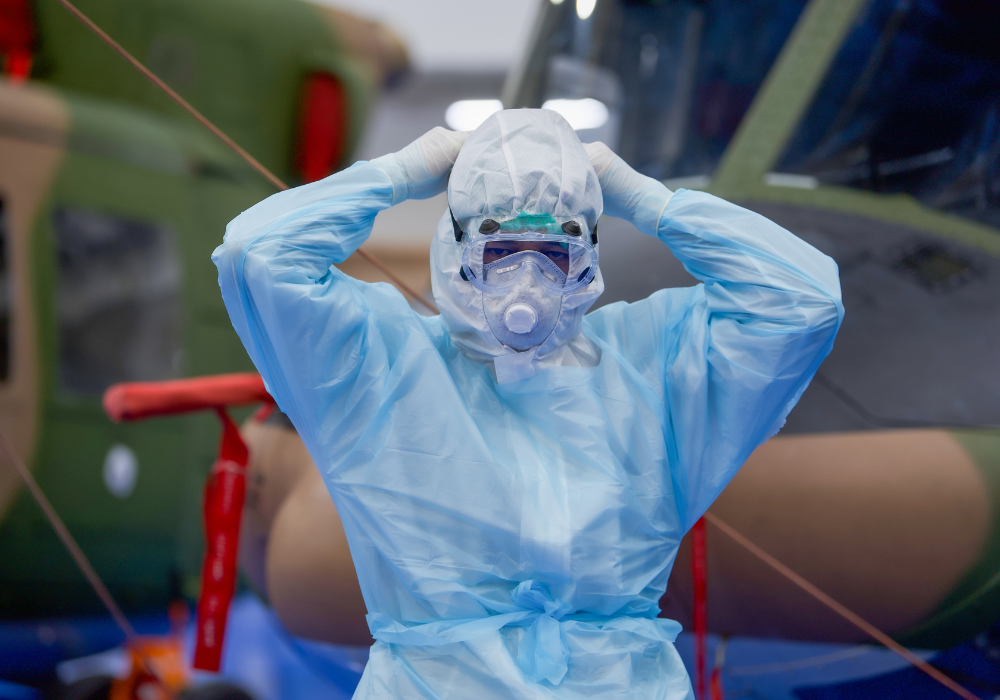
Health worker wearing protective clothing. ©Image license via Canva

The world is still recovering from the shock of COVID-19—but the next pandemic could be even deadlier, and we’re alarmingly unprepared. Despite the devastating lessons of recent years, critical gaps remain in nearly every aspect of our pandemic defense—from early detection and hospital capacity to global cooperation and public trust. New infectious threats are emerging faster due to climate change, urbanization, and global travel, yet many systems meant to protect us remain outdated or underfunded. This isn’t fearmongering—it’s a wake-up call. Here are 12 glaring vulnerabilities in our current readiness that could make the next pandemic far worse.

Read more