What the Latest NOAA Hurricane Outlook Means for West Coast Preparedness

The West Coast isn’t hurricane-proof anymore, and NOAA’s data proves it.
©Image license via PX Here

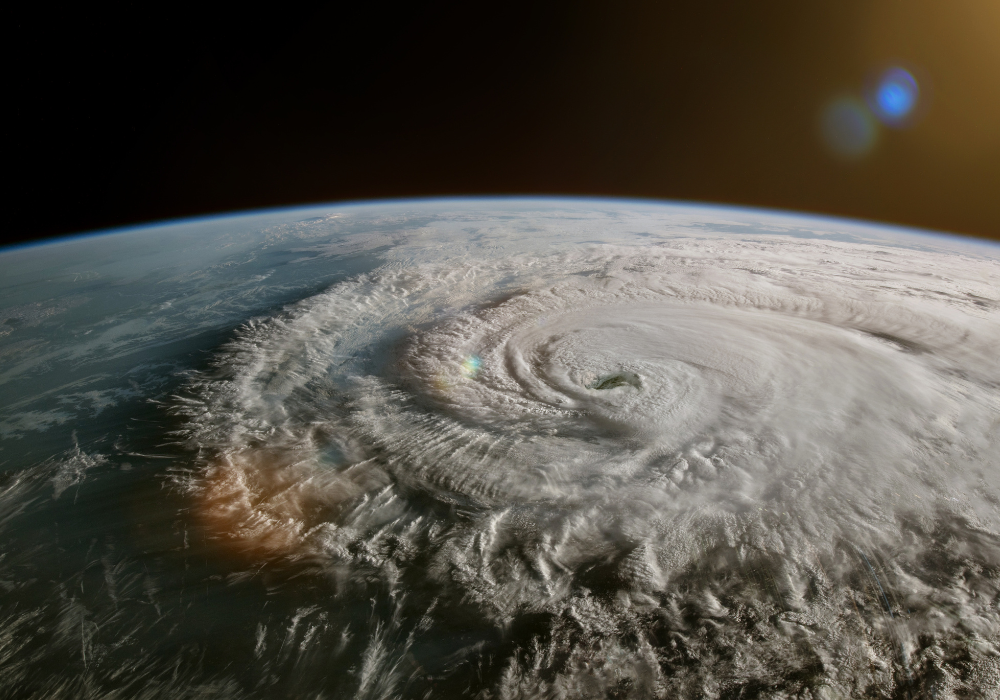
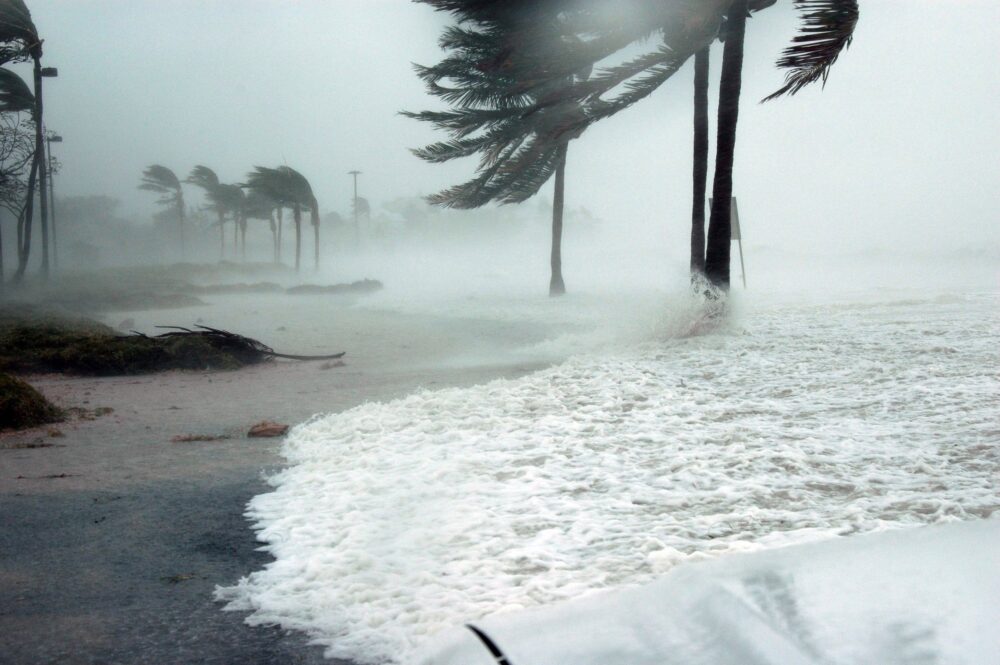
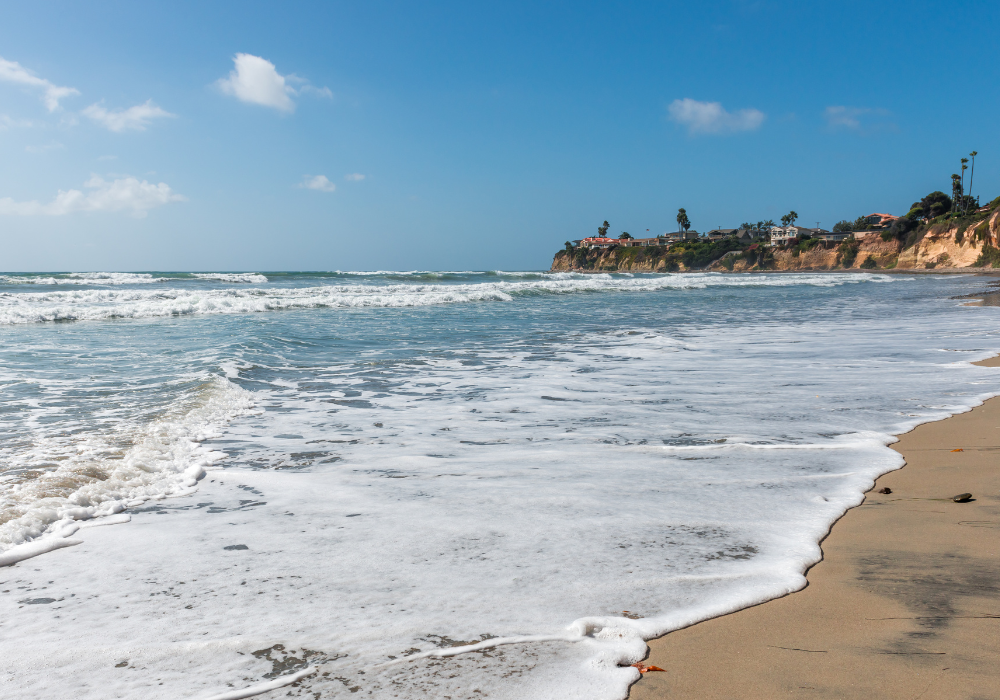
For decades, the U.S. West Coast has largely been spared the fury of hurricanes. But the 2025 NOAA Hurricane Outlook is challenging that sense of security. With rising ocean temperatures in the Pacific, a brewing El Niño, and shifting atmospheric patterns, storm systems are behaving in ways scientists haven’t seen before.

Though the Atlantic remains the primary breeding ground for major hurricanes, NOAA’s forecast highlights an increasing likelihood that remnants—or even rare direct strikes—could affect the West. The report underscores vulnerabilities in infrastructure, emergency response systems, and public awareness along the Pacific coast.

In a time when climate surprises are becoming the norm, coastal residents can no longer rely on historical luck. It’s time to face the storm—literally and figuratively—with better plans, smarter infrastructure, and real awareness.
Read more

Can the World Tackle Climate Change Without the U.S.? What Our Absence at COP30 Means for the Planet

Global leaders are moving ahead—but can they succeed without the world’s second-largest polluter?

©Image license via Flickr

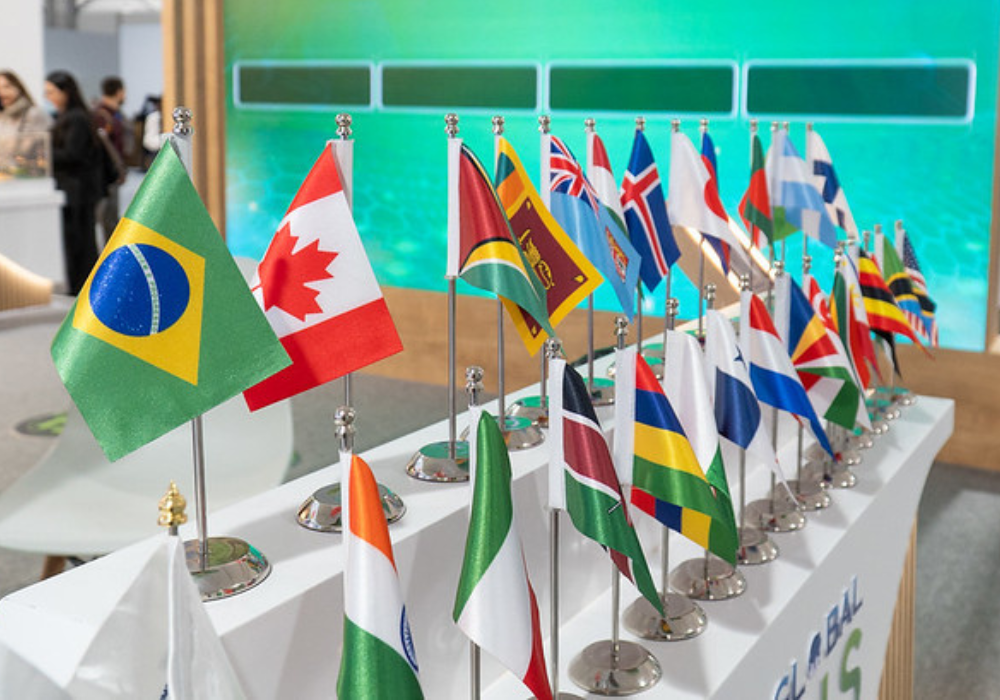
The world is gathering in Brazil for COP30, the next pivotal climate summit, but one key player may be missing: the United States. With shifting political winds and waning federal commitment, America’s presence at international climate talks is anything but certain. That’s a serious problem.

The U.S. is not just a top emitter—it’s a global superpower whose absence could stall progress, weaken accountability, and embolden other nations to backslide on promises. At COP30, countries are expected to finalize their next round of national climate commitments.

Without American leadership—or even participation—the global community faces a fractured front against a worsening crisis. Can the world reach ambitious climate goals without one of its biggest contributors at the table?

Read more

The Bold U.S.-Mexico Deal That Could Finally Stop Sewage from Poisoning San Diego’s Beaches

After decades of pollution and finger-pointing, both countries are teaming up to reclaim a coastline in crisis.

©Image license via Canva

For decades, raw sewage has flowed across the U.S.-Mexico border into the Tijuana River and onto the beaches of San Diego. The toxic brew has closed shorelines, sickened swimmers, and turned what should be paradise into a public health disaster.

But now, a landmark binational agreement offers a glimmer of hope. Backed by over half a billion dollars from both governments and coordinated by the International Boundary and Water Commission, the deal focuses on fixing treatment plants, repairing failing infrastructure, and expanding capacity on both sides of the border.

For communities in San Diego and Tijuana, this isn’t just a win for water quality—it’s a long-overdue act of justice. If implemented fully and transparently, the agreement could mark a turning point in one of North America’s longest-running environmental crises.

Read more

The ‘Doomsday Glacier’ Is Breaking: Could This Be the Climate Domino That Floods the World?

Scientists say Antarctica’s most dangerous glacier is hanging on by a thread—and it could snap fast.

©Image license via Flickr

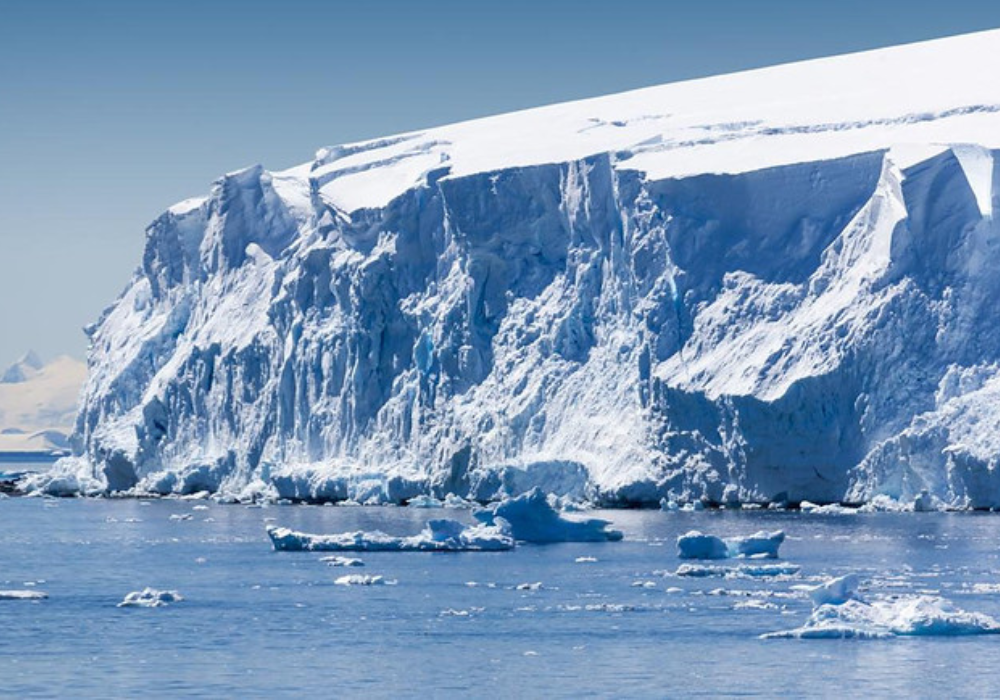
Scientists warn that Antarctica’s most dangerous glacier—Thwaites—is hanging on by a thread, and if it gives way, the world will feel the impact. Often called the “Doomsday Glacier,” Thwaites is rapidly destabilizing due to warm ocean currents melting it from below.

According to glaciologist Ted Scambos, a senior research scientist at the University of Colorado Boulder, “Thwaites is the widest glacier in the world and it’s only weakly anchored. If it collapses, it could destabilize the rest of West Antarctica.”

That collapse alone could raise sea levels by over two feet and trigger a chain reaction of melting. Cities, coastlines, and entire ecosystems stand in the path of what could be a global flooding crisis. The clock is ticking—and faster than anyone hoped.

Read more

A New Plastic That Disappears Could Help You Protect the Oceans Without Lifting a Finger

Scientists develop a breakthrough material that dissolves deep at sea—no cleanup crews required.

©Image license via Canva

Plastic pollution is strangling our oceans—literally. Every year, millions of tons of plastic end up in waterways, breaking down into toxic microplastics that harm sea life and end up in our food. But what if plastic didn’t stick around for centuries? Enter disappearing plastic—also known as biodegradable or compostable plastic alternatives.

These innovative materials are designed to vanish after use, sparing the planet from long-term damage. You don’t have to change much about your lifestyle to make a big difference. From food packaging to clothing fibers, these plastics are infiltrating industries in a way that could transform everything we thought we knew about waste.

Here’s how these futuristic materials could quietly revolutionize your relationship with the environment—without you even noticing.

Read more

The Race to Vacuum CO₂ from the Sky—Can It Save Our Warming Planet?

New technologies aim to erase decades of damage—but can they scale fast enough?

©Image license via Canva

As the world scrambles to avoid the worst impacts of climate change, one high-tech solution is drawing global attention: direct air capture (DAC), or what some call “vacuuming carbon from the sky.”

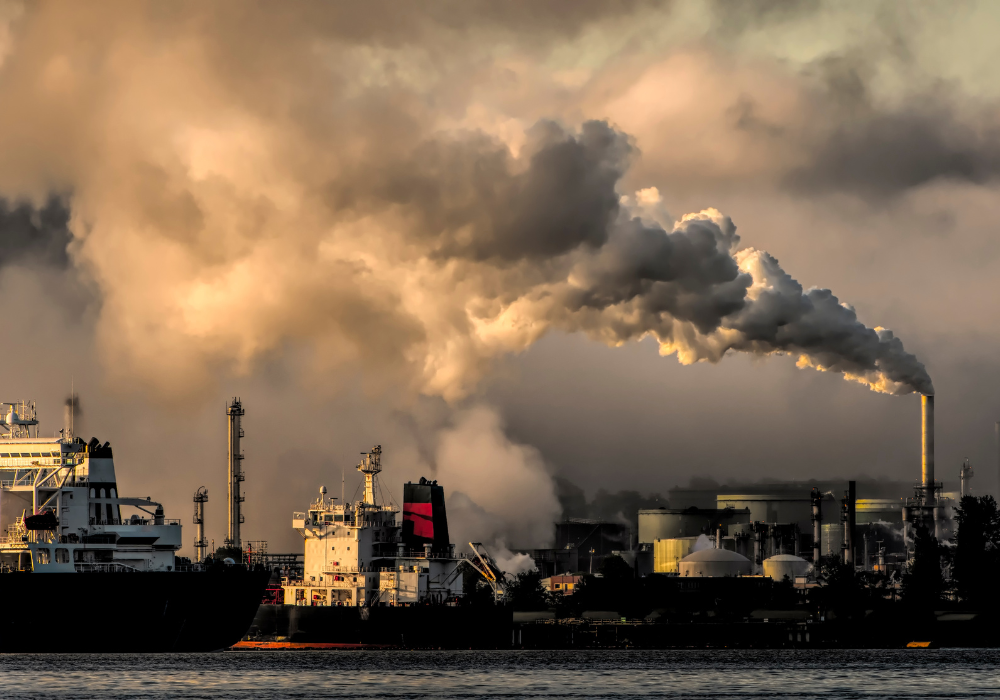
These technologies are designed to pull carbon dioxide straight from the atmosphere, storing it underground or using it in other industries. With emissions still rising despite international pledges, the urgency to reduce atmospheric CO₂ has never been greater.

Governments, investors, and scientists are racing to scale these carbon-sucking systems—but can they really make a dent in global warming? With promises of negative emissions and fears of false hope, DAC stands at a critical crossroads. It’s a bold gamble on our planetary future—and the stakes couldn’t be higher.

Read more

America Is Numb—11 Ways Constant Crises Are Killing Our Capacity to Care

From mass shootings to climate disasters, our compassion has an expiration date—and it’s getting shorter.

©Image license via Canva

We’ve barely recovered from one crisis before the next one hits. Wildfires choke the skies, mass shootings flash across the news, economic fears rattle our nerves—and it just doesn’t stop. Somewhere along the way, feeling overwhelmed became our default.

And now, something darker is happening: people are starting to shut down emotionally. It’s not that we don’t care—it’s that we’ve hit our limit. When every headline screams disaster, our brains protect us by tuning it all out. Compassion fatigue, desensitization, burnout—whatever you call it, it’s spreading fast. We scroll past tragedy with barely a blink. We feel powerless, detached, even cynical.

But this emotional numbing isn’t just about stress—it’s rewiring how we connect with others and respond to injustice. Here’s how constant crisis mode is quietly eroding America’s emotional core.

Read more

What 2025’s El Niño Could Mean for Weather in the Western U.S.

This powerful climate cycle is poised to drench some states while drying out others.

©Image license via Canva

The climate pattern known as El Niño is heating up again—and forecasts suggest that 2025 could bring one of the most disruptive versions in recent memory. El Niño refers to the warming of ocean waters in the central and eastern Pacific, which shifts atmospheric patterns around the globe.

For the Western U.S., this can mean anything from intense storms and flooding to unseasonal drought and dangerous heatwaves. Scientists are already warning that the emerging signal looks strong, with the potential to scramble regional weather in ways we haven’t seen in decades.

The stakes are high for agriculture, water supply, wildfire risk, and even infrastructure resilience. Understanding what may be coming isn’t just about curiosity—it’s about preparation. These are the ripple effects that 2025’s El Niño could unleash across the West.

Read more

Night Owls Beware: 24,000-Person Study Uncovers Alarming Effects of Late Bedtimes

New research links chronic late nights to serious physical and mental health risks.

©Image license via Canva

In one of the largest sleep studies to date, researchers analyzed data from over 24,000 adults to explore how bedtime habits impact long-term health—and the results aren’t looking good for night owls.

People who consistently go to bed after 1 a.m. were found to have higher risks for depression, obesity, chronic illness, and even early death. The study, published in Chronobiology International, adds to a growing body of evidence showing that late sleep schedules may throw off the body’s circadian rhythm in ways that ripple through nearly every biological system.

It’s not just about how many hours you sleep—it’s when you sleep that may determine everything from your mood to your metabolic function. If you’re staying up late out of habit or necessity, it may be time to rethink your nightly routine before your health pays the price.

Read more

The Next ‘Storm of the Century’ Is Brewing—It Could Be Worse Than Ever

Rising ocean temps and atmospheric chaos are fueling storms we may no longer be able to predict—or survive.

©Image license via Canva

A storm is forming that scientists warn may surpass anything seen in modern U.S. weather history. With climate change intensifying atmospheric dynamics, events once deemed rare—”hundred‑year storms”—are unfolding multiple times per decade. NOAA and climate experts predict an above-average Atlantic hurricane season in 2025, while western states face increasing risks from amplified atmospheric rivers capable of dumping catastrophic rainfall.

These supercharged storms, fueled by warmer sea surface temperatures and increased moisture in the air, threaten to shatter infrastructure, flood cities, and overwhelm emergency systems. As history rewrites what counts as extreme, preparedness systems may lag behind the new normal. This series of escalating dangers could unleash a summary-level “storm of the century”—only this time, it may come with far greater ruin.

Read more