What an Apocalypse-Resistant City Would Actually Look Like

Future cities may be designed less for convenience and more for survival.
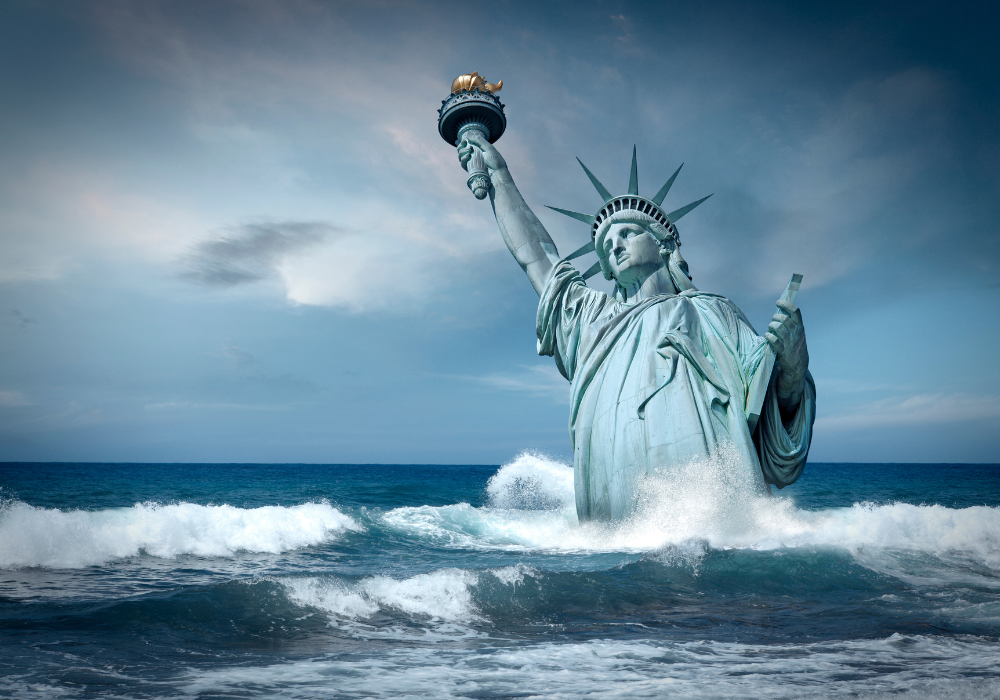
©Image license via Canva

From rising sea levels to extreme weather, cities as we know them aren’t designed to withstand the escalating challenges of climate change. But what if urban spaces weren’t just resilient, but practically indestructible? Architects, engineers, and visionaries around the world are already crafting bold designs that could make cities self-sustaining, disaster-resistant, and nearly apocalypse-proof.

These concepts go beyond adding more solar panels or planting a few green roofs. We’re talking floating neighborhoods, underground energy hubs, and skyscrapers that literally clean the air. Some of these ideas may sound like science fiction, but many are already being tested, or even built.


Read more

What Happens to Your Body After a Long Walk, According to Science

Your daily walk triggers physical changes that support healing and long-term health.

©Image license via Canva

A long walk might seem like nothing more than a way to pass the time, but under the surface, it’s sparking powerful changes in your body. Scientists have found that walking isn’t just exercise; it’s medicine. It repairs cells, lowers stress hormones, reduces inflammation, and even rewires brain chemistry. Every step triggers a cascade of benefits that work quietly behind the scenes to strengthen and heal from the inside out.

Unlike intense workouts that can wear the body down, walking works with your natural rhythms, supporting long-term health without strain or exhaustion. It sharpens the mind, keeps joints fluid, and even alters gene expression to slow the aging process.

Read more

Why Younger Generations Feel Like Everything Is Falling Apart

The world is changing fast, and today’s youth are struggling to keep up.

©Image license via Canva

For previous generations, life followed a predictable script: go to school, get a job, buy a house, start a family, and eventually retire. While there were always challenges, the general roadmap to adulthood remained clear. But for Gen Z and younger, that structure has crumbled. Traditional milestones are either unattainable or no longer appealing, leaving many wondering what a successful, fulfilling life is even supposed to look like.

Massive societal shifts have made the future feel less certain than ever. Economic instability, climate change, technological advancements, and cultural transformations have all contributed to a growing sense of unease.

Read more

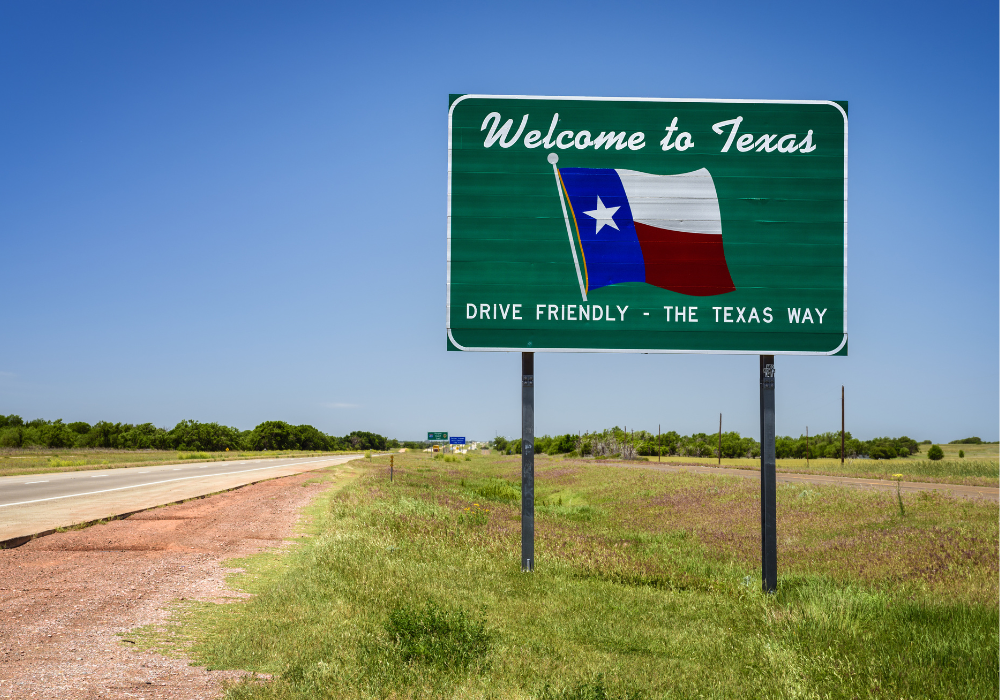
Will Texas Be Livable in a Decade? Climate Scientists Are Raising Concerns

Rising heat, drought, and extreme weather are forcing hard questions about Texas’s future.

Welcome to Texas sign. ©Image license via Canva

You might love Texas for its big skies, bold pride, and booming cities—but what happens when the heat starts winning? In the next decade, the Lone Star State could go from a land of promise to a climate pressure cooker. Scientists and forecasters aren’t sugarcoating it: triple-digit temperatures, deadly droughts, and sky-high utility bills are already here, and it’s going to get worse. The real question isn’t if things will change—but whether Texans will be able to adapt fast enough.

Read more

These Predictions About 2075 Seem Far-Fetched—Until You See What’s Happening Now

Long-term forecasts about technology, climate, and society are already taking shape today.

©Image license via Canva

The future always sounds wild until you realize it’s already slipping into the present when you aren’t paying attention. Big changes don’t usually kick down the door—they creep in quietly, disguised as upgrades, new trends, or cool tech. One day you’re laughing at sci-fi movies, and the next you’re using something they predicted without even thinking about it. That’s the strange thing about the times we’re living in right now.

Progress feels slow day-to-day, but step back for a second, and it’s obvious we’re racing toward a world that would blow our grandparents’ minds. A lot of what’s coming by 2075 won’t be shocking because we’ll have lived through the small shifts that made it feel normal. If you still think crazy future predictions are just fantasy, it might be time to look around a little closer. The future isn’t waiting for 2075 to arrive—it’s already moving in.

Read more

Why Gen Z and Millennials Are Saying No to Kids and Why It Matters, A Lot

The choice not to have kids isn’t just personal—it’s a cultural earthquake.

©Image license via Canva

Think it’s just a trend that young people aren’t having kids? It’s way bigger than that—it’s a full-blown generational shift that could upend everything from the economy to elder care. Gen Z and Millennials are saying “no thanks” to the traditional life script, and it’s not just about money (though that’s a huge piece of the puzzle). They’re rethinking what it means to build a meaningful life—and kids aren’t always part of that picture.

This isn’t some passing phase. Birth rates are plummeting, and the ripple effects are going to hit hard in ways most people haven’t even considered. If you think this only impacts parents, think again. A world with fewer babies affects all of us—sooner than you might expect.

Read more

Gen Z Won’t Want to Admit It, but Boomers Nailed These 13 Things

You’ll never say it out loud, but Boomers were actually right about these things.

©Image license via Canva

You might laugh at their fashion, their music obsession, or how they still use Facebook like it’s breaking news—but Boomers actually got some seriously important things right. Behind the dad jokes and fondness for print newspapers, there’s a generation that stood up, spoke out, and built a ton of what we take for granted today. It’s easy to criticize them for the messes left behind—and sure, some of those critiques are fair—but it’s also true that Boomers shaped the world in ways that still benefit you now.

They weren’t just sitting around talking about change—they were marching for it, inventing it, voting for it, and raising hell when it mattered. Some of their wins are the very foundation of your freedoms, rights, and modern lifestyle. It’s easy to forget how much heavy lifting they did when you’re staring at a meme, but real history paints a way different picture.

Read more

Astronomers Stunned by Black Hole Growing 2.4 Times Faster Than Physics Predicts

The early-universe object is devouring matter at rates once thought impossible.

©Image license via Canva

Astronomers have spotted a black hole that seems to be breaking the rules of physics. According to new research, the object is growing 2.4 times faster than current theories say should be possible. Found in the early universe, this black hole is swallowing matter at an almost unbelievable rate. Scientists say the discovery challenges long-held ideas about how black holes form and grow, forcing researchers to rethink one of space’s biggest mysteries.

Read more

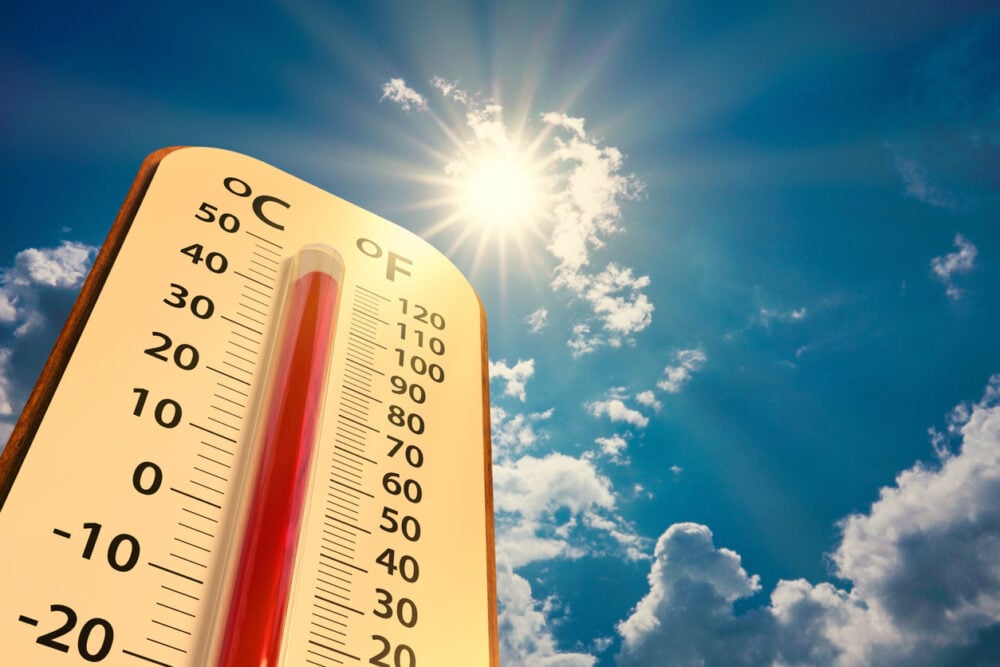
Life on a 4-Degree Hotter Planet May Be Almost Unrecognizable

A 4-degree temperature rise causes drastic environmental and societal changes worldwide.

Outdoor plaza, oversized thermometer, vertical composition, midday sunlight with blue sky, editorial travel photo, no people.
©Image license via Canva

A 4-degree Celsius increase in Earth’s average temperature will trigger widespread consequences impacting ecosystems, weather patterns, human health, and economies. Experts from NASA, IPCC, NOAA, and more warn that such warming intensifies sea level rise, extreme weather, and biodiversity loss, disrupting food and water security. Understanding these risks highlights the urgent need for global climate action and adaptation efforts to minimize harm and protect communities.

Read more

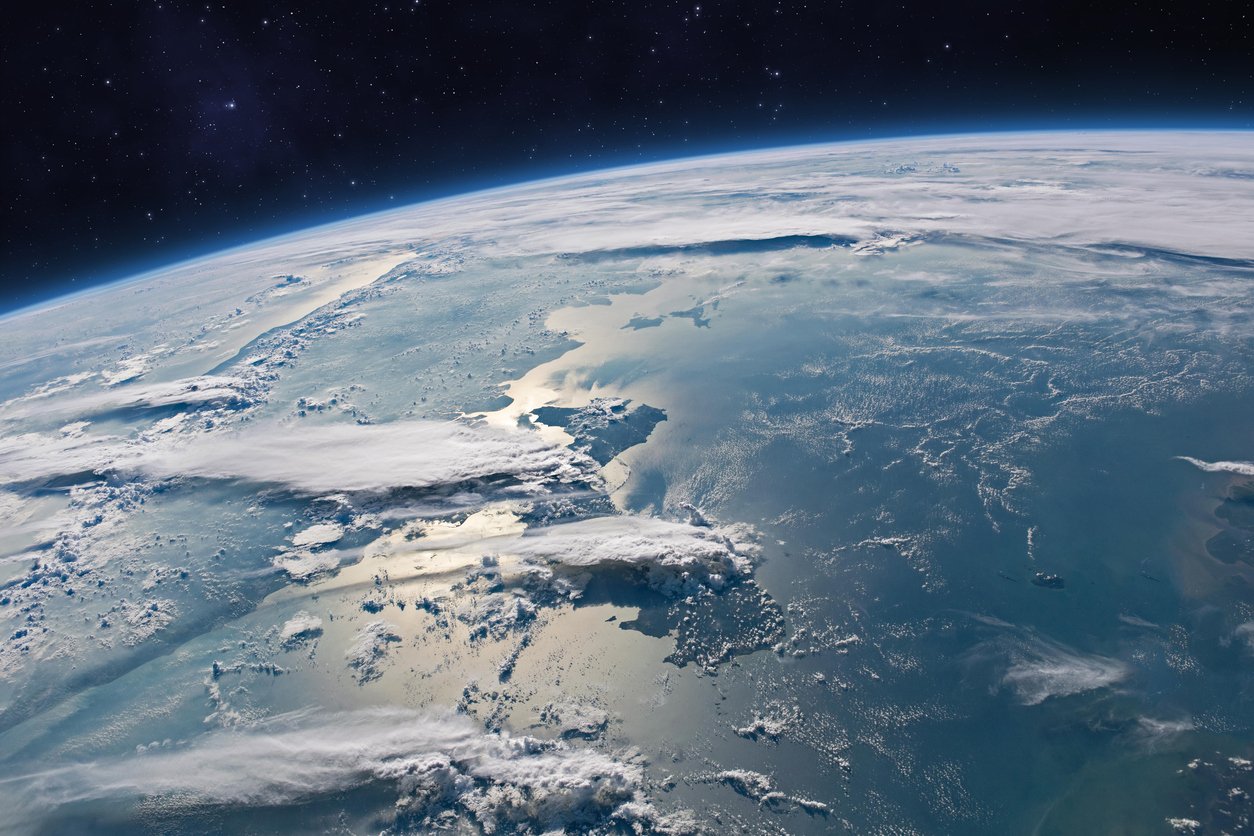
NASA Satellites Now Spot Sewage Polluting the Seas

Satellites reveal troubling sewage hotspots along coastlines across the globe.

© Image license via iStock

NASA satellites utilize remote sensing technology to track sewage pollution across vast ocean surfaces, offering a comprehensive view unattainable by traditional methods. By detecting chemical signatures and monitoring changes in water quality, these satellites help identify pollution hotspots and track contamination spread over time. Although satellite data requires ground verification and expert analysis, it significantly enhances the understanding and management of marine sewage pollution.

Read more