The Dangerous Waste Dumps That Could Be Closer to You Than You Think

Toxic fires and fumes from hidden landfills are threatening health and safety in communities nationwide.

©Image license via Canva

You probably drive past toxic waste sites every day without even knowing it. There are currently 1,335 Superfund sites on the National Priorities List, and many more contaminated areas that haven’t made it onto the official cleanup roster yet. These aren’t just abandoned industrial zones in the middle of nowhere – they’re woven into our everyday neighborhoods, hiding behind shopping centers, underneath parks, and sometimes right next to schools.

The scary truth is that many of these contaminated sites look completely normal from the outside. You might see a vacant lot, an old gas station, or even a thriving business built on top of decades-old pollution. The health effects from living near contaminated sites can include increased cancer rates, birth defects, and respiratory problems, but most people have no idea they’re at risk. What you don’t know about the ground beneath your feet could be slowly poisoning your family.

Read more

Could Skipping Steak Do More for the Planet Than Driving an Electric Car?

Experts say adopting a vegan diet could cut emissions and reshape the fight against climate change.

©Image license via Canva

Your neighbor just bought a shiny new Tesla and won’t stop talking about their carbon footprint, while you’re still driving your trusty 2015 Honda. But here’s a plot twist that might surprise both of you—what’s on your dinner plate could matter more than what’s in your driveway.

The conversation around climate action has largely focused on transportation and energy, but scientists are increasingly pointing to our food choices as one of the most powerful tools we have for environmental impact.

While electric cars grab headlines and government subsidies, the humble decision between beef and beans at the grocery store might be quietly doing more heavy lifting for the planet than we ever imagined.

Read more

These U.S. Cities Sit on Shaky Ground—and Most Residents Have No Idea

Hidden fault lines and unstable soil put millions at risk in cities you’d never expect.

©Image license via Canva

When most Americans think about earthquakes, California instantly comes to mind. But while everyone’s watching the San Andreas Fault, nearly 75% of the United States could experience a damaging earthquake. From sleepy Southern towns to bustling Midwest metropolises, millions of people are living above geological time bombs they don’t even know exist.

The East Coast’s recent 4.8 magnitude quake near New Jersey was just a wake-up call—seismic threats are hiding in plain sight across America. These unexpected earthquake zones could catch entire regions completely unprepared.

Read more

12 Everyday Things You Waste That Could Save You Hundreds a Year

Hidden money drains in your home that add up to serious cash without you realizing it.

©Image license via Canva

You probably think you’re pretty good with money—you clip coupons, hunt for deals, and maybe even have a budget spreadsheet. But while you’re scrutinizing every restaurant receipt, hundreds of dollars are quietly slipping through your fingers in ways so mundane you don’t even notice them happening.

Most of this waste involves things you’ve already paid for once—food, utilities, products, and services that you’re essentially throwing money away on through small daily habits. Once you start seeing these hidden drains, you’ll be amazed how much cash you can keep in your pocket without changing your lifestyle at all.

Read more

New Orleans Faces a Flood Threat Worse Than Katrina—Here’s Why

Sinking land, rising seas, and aging levees create a perfect storm for catastrophic flooding.

©Image license via Canva

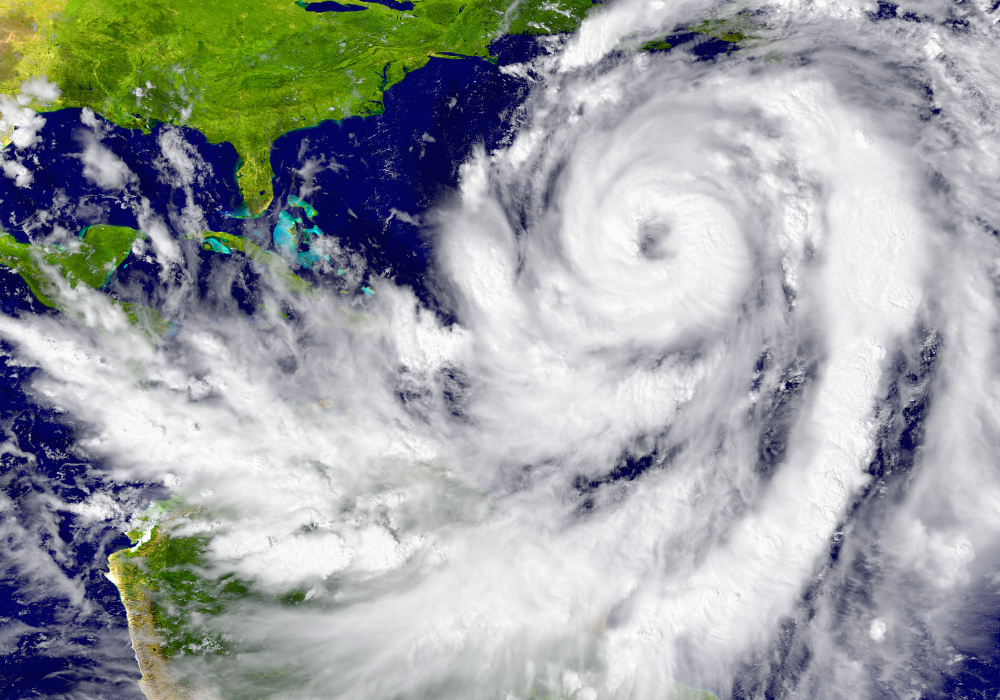
Twenty years after Hurricane Katrina, New Orleans should feel safer. The city spent $15 billion building bigger levees, stronger floodwalls, and better pumps. But new research reveals a disturbing truth: the very flood defenses meant to protect the city are sinking into the ground faster than anyone expected.

Some areas are losing nearly two inches of elevation every year, while sea levels keep rising. It’s like trying to build a sandcastle while the tide is coming in and the sand keeps washing away beneath your feet.

Scientists warn that this combination of sinking land and rising water could create flooding scenarios even worse than Katrina. The city that rebuilt itself to be stronger might actually be more vulnerable than ever before.

Read more

The Hidden Ice Collapse Under Antarctica That Could Flood Cities Worldwide

Scientists warn a massive Antarctic ice collapse could trigger flooding that reshapes coastlines across the globe.

©Image license via Wikimedia Commons

While politicians debate climate policy and scientists measure global temperatures, something catastrophic might already be happening beneath your feet—or rather, beneath the world’s most remote ice sheets.

Deep under Antarctica’s frozen surface, warm ocean water is quietly eating away at massive ice shelves that hold back enough ice to raise global sea levels by several feet. This isn’t a distant future scenario that might happen in 100 years; satellite data shows the collapse is accelerating right now, and some researchers believe we’ve already crossed critical tipping points that make catastrophic flooding inevitable.

Read more

How Scientists Are Turning Old Electronics Into Wildlife-Saving Tech

Researchers are repurposing discarded electronics into wildlife cameras, sensors, and trackers, giving e-waste a second life in conservation.

©Image license via Canva

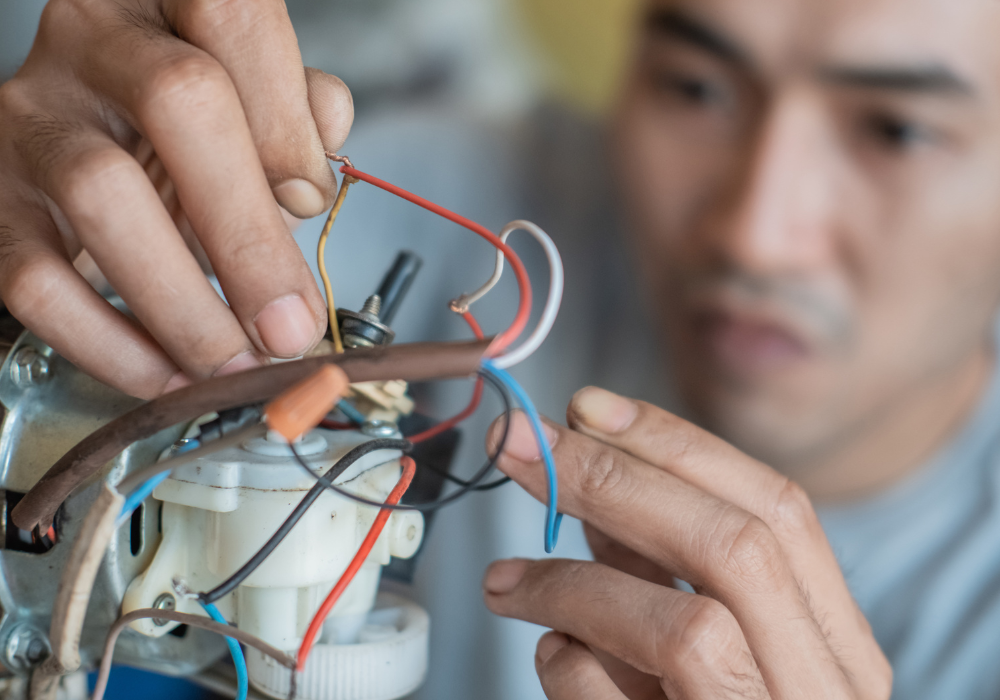
What happens to your old phone, camera, or laptop once it’s tossed aside? For a growing number of scientists and conservationists, the answer isn’t a landfill—it’s the wild. Around the world, researchers are salvaging parts from discarded electronics to build gadgets that track, monitor, and protect endangered species.

From field sensors hidden in forests to underwater cameras capturing rare marine life, these creative tools are proving that e-waste can have a second life with serious impact. The results are as ingenious as they are inspiring—here’s how tech trash is being transformed into a force for protecting biodiversity.

Read more

10 “Healthy” Snacks That Are Basically Dessert in Gym Clothes

These so-called healthy snacks with hidden sugar are basically dessert in disguise.

©Image license via Canva

Some snacks wear yoga pants and carry water bottles, but underneath, they’re still all about the sugar. We’ve been taught to reach for “healthy snacks” when hunger hits, trusting the labels that promise protein, whole grains, and wholesome goodness. But not everything in the health-food aisle is as saintly as it looks.

Hidden sugar, sneaky calories, and dessert-level indulgence can lurk behind even the most innocent-looking packaging. And while enjoying a treat now and then is part of living well, knowing what you’re really eating can help you make smarter choices—without giving up the flavors you love.

Read more

The Surprising Climate Impact of Planetary Moons

Scientists reveal how moons shape weather patterns, ocean tides, and atmospheric conditions across the solar system.

©Image license via Canva

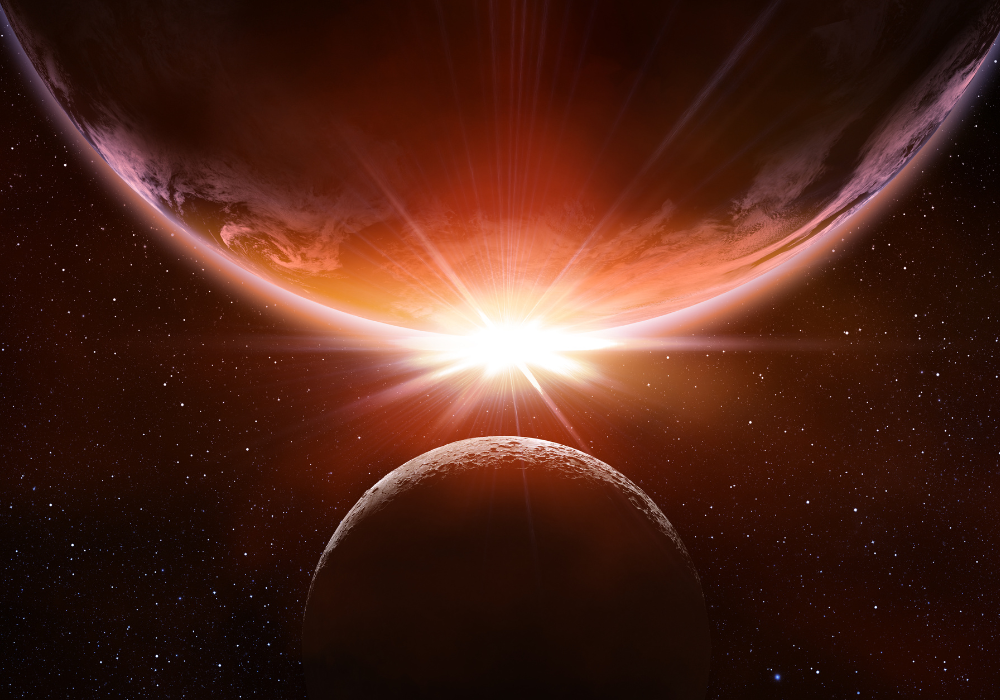
When you look up at the moon, you probably think of it as a pretty but fairly useless rock floating in space. Turns out, you couldn’t be more wrong. Scientists are discovering that moons are actually some of the most important climate controllers in the universe, quietly shaping weather and keeping planets livable in ways most people never imagine.

Our moon isn’t just creating those twice-daily tides at the beach. It’s literally holding Earth’s climate together and preventing us from experiencing the kind of catastrophic weather changes that would wipe out all life. And it’s not just Earth’s moon doing important work—moons throughout the solar system are creating weather, generating heat, and even making their own atmospheres.

Read more

Millennials Are Abandoning Traditional Retirement Plans Because of Climate Change

Rising climate costs, extreme weather, and economic uncertainty are forcing young adults to abandon traditional financial planning.

©Image license via Canva

Financial advisors are noticing something different about their millennial clients—many are questioning whether traditional retirement planning makes sense in a world facing climate change.

While previous generations focused on maximizing 401(k) contributions and buying homes, today’s young adults are grappling with questions their parents never had to consider: Will my coastal property be underwater in 30 years? Should I invest in companies that contribute to climate problems? How do I plan for retirement when I’m not sure what the world will look like?

This shift in thinking is leading to new approaches to financial planning that factor in environmental concerns alongside traditional investment goals.

Read more