Nuclear Fusion Is No Longer Science Fiction—It’s Coming Faster Than Expected

Scientists are racing toward breakthroughs that could deliver limitless clean energy sooner than anyone imagined.
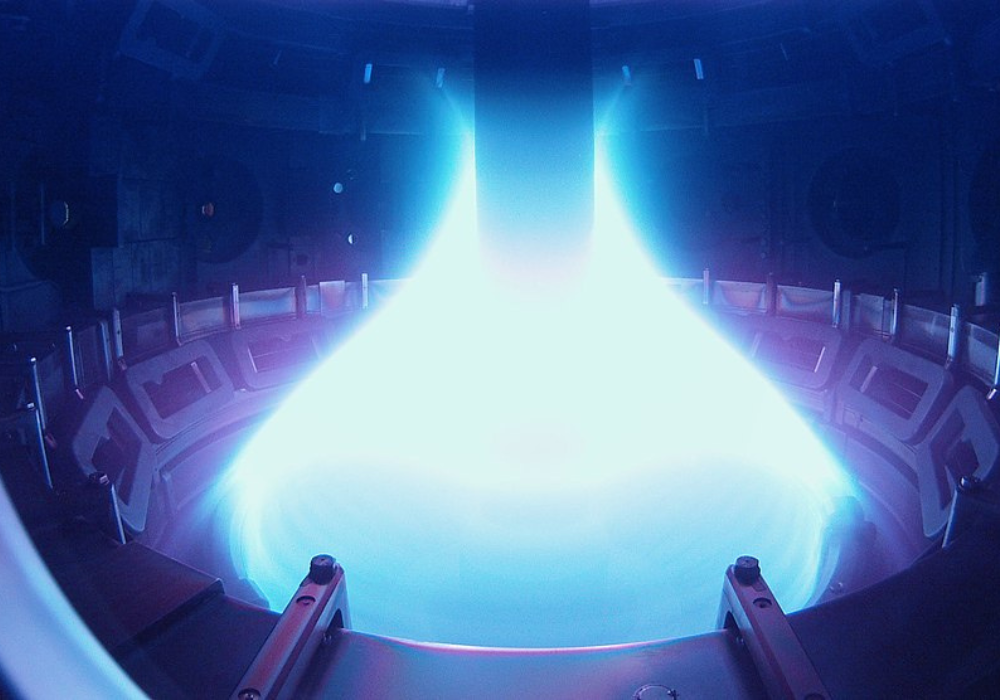
©Image license via Wikimedia Commons

Nuclear fusion has long been described as the “holy grail” of energy—clean, safe, and virtually limitless. For decades, it felt like science fiction, always a distant dream. But now, researchers say the finish line is closer than ever.

In 2022, the U.S. Department of Energy confirmed that scientists at Lawrence Livermore National Laboratory achieved a net energy gain from fusion for the first time—a milestone once thought impossible. Experts caution there’s still work ahead, but the breakthrough shows fusion may arrive much faster than anyone expected, reshaping how the world powers its future.


Read more

12 Everyday Shortcuts That Quietly Fuel Exploitation

The shortcuts we barely notice are driving hidden suffering, from exploited workers to environmental damage.

©Image license via Canva

We like to think convenience makes life easier, but sometimes it comes with hidden costs we rarely stop to notice. The choices we make every day—what we buy, how we use technology, and the shortcuts we rely on—can ripple outward in ways we don’t always see.

Behind the scenes, those small decisions often shape bigger realities for workers, communities, and even the planet itself. It’s easy to overlook, but once you start paying attention, you realize that “easy” often isn’t so simple.

Read more

Record Numbers Are Dying in El Paso’s Heat—And It May Be Just the Beginning

Soaring temperatures are pushing El Paso past survival limits, with experts warning the deadly trend is only accelerating.

©Image license via Canva

El Paso has become ground zero for America’s heat death crisis, with temperatures turning the desert border city into a lethal furnace that’s claiming lives at unprecedented rates. In 2024, heat killed 171 people and contributed to an additional 281 deaths, according to preliminary state data.

Dr. Maria Rodriguez from the University of Texas Health Science Center at El Paso warns that the city’s unique combination of extreme heat, geography, and border dynamics creates a perfect storm for heat-related mortality. Temperatures are rising faster in El Paso than in almost any other U.S. city, transforming what was once survivable desert heat into a daily death sentence for the city’s most vulnerable residents.

Read more

10 Forgotten Superfoods That Could Transform Your Health

Rediscover these nutrient-packed powerhouses that can boost energy, fight disease, and support overall wellness.

©Image license via Canva

Some of the most powerful foods for your health aren’t new trends—they’re old favorites that quietly slipped out of the spotlight. Once valued for their healing properties and dense nutrition, these forgotten superfoods are now making a well-deserved comeback.

Packed with vitamins, minerals, and unique compounds, they can give your meals a serious nutritional upgrade. Best of all, most of them are easy to find and simple to add to your routine. Whether you’re looking to boost your energy, strengthen your immune system, or just eat more wholesomely, these long-lost foods are worth a second look.

Read more

The Unexpected Perks of Living With Just One Car

Living with just one car can simplify your life, cut costs, and open up more freedom than you’d expect.

©Image license via Canva

Most families think they absolutely need two cars to function in modern society, but what if that second vehicle is actually making your life more complicated rather than easier? The average American household spends about $9,600 per year on each car they own, between payments, insurance, gas, and maintenance. That’s nearly $20,000 annually for two vehicles—money that could go toward vacations, retirement, or paying off debt faster.

But the benefits of downsizing to one car go far beyond just saving money. Couples who make this choice often discover that sharing a vehicle strengthens their relationship, simplifies their daily routines, and opens up lifestyle possibilities they never considered. Sometimes having less really does give you more.

Read more

Why Random Acts of Kindness Might Be Better Than Therapy

See how small gestures of kindness can spark joy, reduce stress, and boost emotional well-being.

©Image license via Canva

Sometimes the simplest actions have the deepest impact. A kind word, a small favor, or even holding the door for a stranger can shift your entire mood. It’s easy to think you have to spend hours in therapy to feel better, but kindness works in unexpected ways.

Helping others can create a ripple effect that changes not just their day, but yours too. It builds connection, lifts your spirits, and reminds you of your place in something bigger. The best part? You don’t need a prescription—just a willingness to notice and act when kindness calls.

Read more

We Ignored These Places for Years—Now They Might Be Humanity’s Lifeline

Once dismissed as worthless, these overlooked landscapes may hold the key to saving our planet’s future.

©Image license via Canva

For decades, we’ve dismissed swamps as mosquito-infested wastelands and kelp forests as underwater weeds that get in the way of swimmers. These overlooked ecosystems seemed useless to most people – just soggy ground that needed draining or underwater tangles that boats had to navigate around. Scientists studying climate change are now discovering that these ignored places might hold the key to saving our planet from catastrophic warming.

The numbers are mind-blowing and could change everything about how we fight climate change. Peatlands store about one-third of all soil carbon despite covering only 3% of global land area. Kelp forests and seaweed beds could potentially capture 36 million metric tons of carbon annually if properly managed and restored worldwide.

Read more

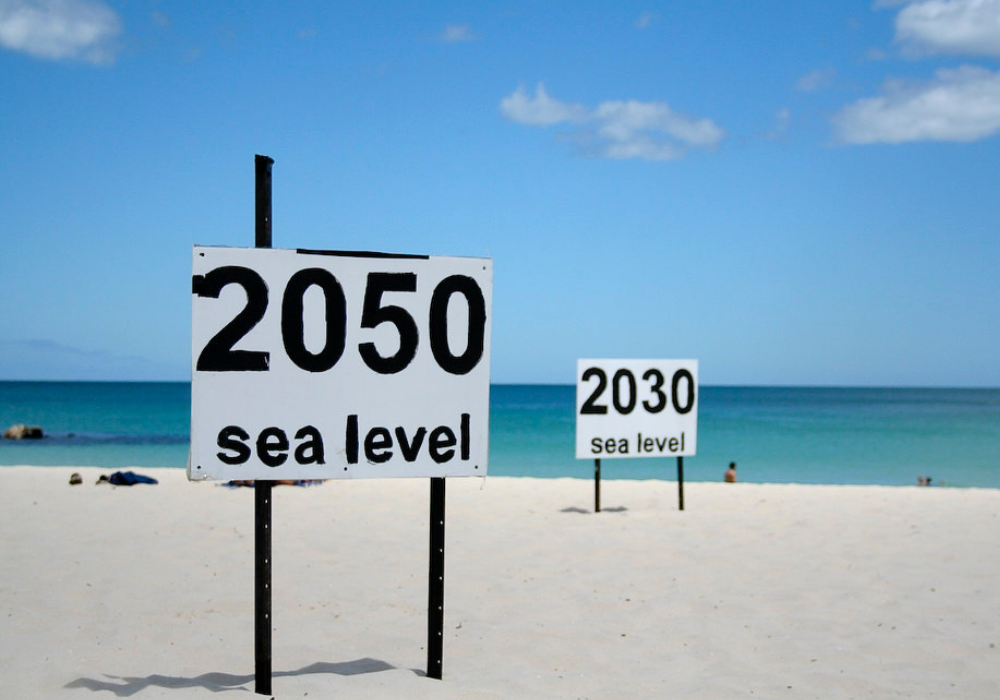
Rising Seas Are Pushing These Nations to the Edge of Extinction

Coastal nations face a drowning future as climate change drives oceans higher and survival grows uncertain.

©Image license via Flickr

Entire countries are about to disappear from the map, and there’s nothing anyone can do to stop it. Small island nations across the Pacific are watching their homes get swallowed by rising seas, with some communities already planning the world’s first climate-induced national relocations.

These aren’t distant future scenarios – families are losing their ancestral lands right now, and children growing up on these islands might be the last generation to call them home.The numbers are staggering and heartbreaking. Pacific Island nations such as Tuvalu, Kiribati, and Fiji will experience at least 6 inches of sea level rise in the next 30 years, regardless of what happens with emissions.

Projected sea level rises could submerge 50-80 percent of major urban areas in these countries by 2070-2110. We’re watching entire cultures, languages, and ways of life get erased by water that keeps rising no matter what these nations do to protect themselves.

Read more

Widely Used Weedkiller Ingredient May Harm Human Organs and Gut Health, Research Warns

Scientists warn a common weedkiller ingredient could harm vital organs and disrupt the gut microbiome.

©Image license via Canva

A new study led by scientists at Nanjing University in China has raised serious concerns about diquat, a weedkiller ingredient now widely used across the U.S. Researchers found that even at low levels, the chemical may damage organs and disrupt gut bacteria, two critical systems for long-term health.

Experts warn that diquat is following a troubling pattern in U.S. agriculture, where one controversial chemical is often swapped for another without enough research on safety. While the Environmental Protection Agency has not yet launched a full review, advocates say the findings highlight an urgent need for tighter oversight.

Read more

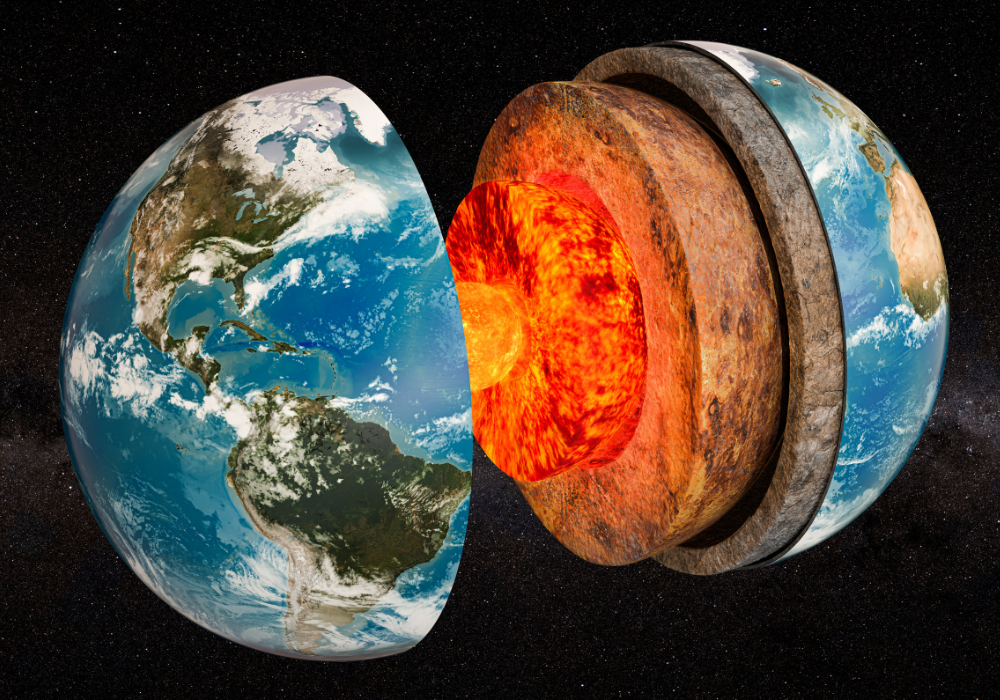
New Hydrogen Breakthrough Could Fuel Humanity for Millennia, Researchers Say

Discovery of vast natural hydrogen reserves could fuel clean energy and reshape Earth’s future power supply.

©Image license via Canva

Some discoveries have the power to flip our energy outlook upside down. That’s exactly what’s happening with a new study led by researchers at the University of Oxford, Durham, and the University of Toronto: they found that Earth’s crust has produced enough hydrogen over the past billion years to meet global energy needs for about 170,000 years.

According to Professor Chris Ballentine of Oxford—who helped lead the study—this hydrogen might still be trapped underground, offering a low-carbon energy option the world hasn’t had before. It’s a discovery with huge potential—if we can figure out how to tap into it safely and affordably.

Read more