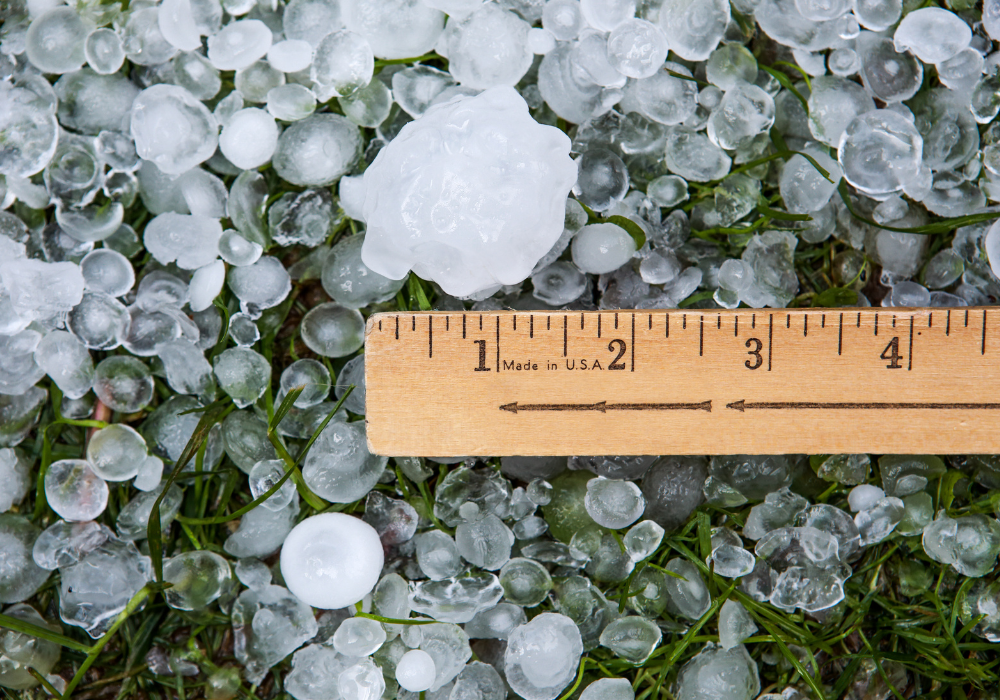
11 Cities Where Hail Is Bigger and Costlier

Discover the top cities where large hailstorms cause major damage and hefty repair bills.
©Image license via Canva

Hailstorms can vary greatly across different regions, sometimes causing extensive damage in certain cities. Understanding which urban areas face the heaviest hail and the resulting financial impact helps highlight the importance of preparedness. These cities often deal with frequent severe hail events that damage vehicles, homes, and infrastructure, driving up insurance claims and repair costs. Recognizing local hail patterns can aid in anticipating and mitigating risks effectively.

Read more

Will Your Career Survive Climate Change? 12 That Might Not

As the climate crisis accelerates, these jobs could vanish or change beyond recognition.

©Image license via Canva

Climate change isn’t just an environmental issue—it’s also reshaping the world of work. Rising temperatures, stronger storms, and shifting ecosystems are already disrupting industries that millions of people depend on for their livelihoods. According to the International Labour Organization, climate change could put the equivalent of 80 million full-time jobs at risk by 2030 due to heat stress and other impacts.

From agriculture to tourism, no sector is completely safe. Understanding which jobs are most vulnerable shows how the climate crisis affects not only the planet but also the future of workers everywhere.

Read more

Why Every Storm Now Feels Like the Start of a Disaster Movie

Today’s storms feel bigger, darker, and far more dangerous than the ones we grew up with.

©Image license via Canva

Storms across the globe are growing more intense and frequent due to interconnected climate changes. Rising sea surface temperatures and increased atmospheric moisture supply storms with extra energy and fuel, strengthening their impact. Altered weather patterns, including jet stream shifts and expanded tropical zones, also influence storm behavior. Understanding these climate trends clarifies why storms feel scarier and highlights the importance of adapting to a changing environment.

Read more

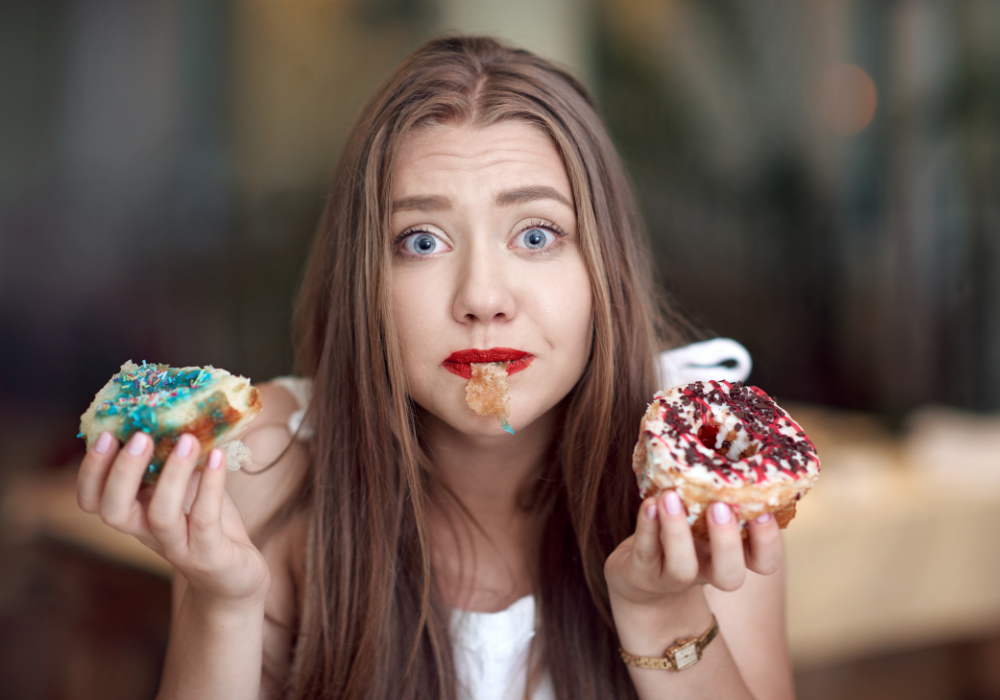
How Long Does It Really Take to Break a Sugar Craving?

Breaking free from sugar is tough, but science shows your cravings fade sooner than you think.

©Image license via Canva

If you’ve ever tried to cut back on sweets, you know how stubborn sugar cravings can be. That urge for something sweet isn’t just in your head—research shows sugar activates the brain’s reward system much like addictive substances.

The American Heart Association warns that most people consume far more added sugar than recommended, fueling cravings that can feel impossible to resist. Fortunately, those urges don’t last forever. Experts say your body and brain begin to adjust once sugar intake drops, and cravings usually fade on a predictable timeline.

Read more

The Hidden Price Tag of Climate Change Is About to Shock Your Wallet

From food to housing, the rising cost of survival could soon push everyday life out of reach.

©Image license via Canva

Climate change isn’t just reshaping the planet—it’s reshaping your wallet. The price of basics like food, water, and energy is climbing faster than most households can keep up with. What once felt stable and affordable is now unpredictable, as extreme weather, droughts, and rising demand strain the systems we rely on every day.

For millions, the cost of survival is no longer a background worry but a growing threat to daily life. The reality is stark: in a warming world, even the essentials may soon feel out of reach.

Read more

The Surprising Bean That Could Rescue Coffee From Climate Change

As rising heat threatens coffee crops worldwide, scientists are turning to a long-forgotten bean for hope.

©Image license via Canva

Your morning coffee might be living on borrowed time, but salvation could come from a wild bean that most people have never heard of. Climate change is systematically destroying the delicate growing conditions that coffee plants need to survive, pushing cultivation zones higher up mountains and threatening to make your daily caffeine fix an expensive luxury.

But deep in the forests of West Africa grows a hardy relative of coffee called Coffea stenophylla, a forgotten species that could save your morning ritual from climate catastrophe. This resilient bean thrives in conditions that would kill regular coffee plants, yet it tastes remarkably similar to the arabica coffee that fills your favorite mug.

Read more

The Silent Collapse of Antarctica Could Drown Cities Worldwide

The frozen continent is breaking apart faster than expected—and the impacts could reach every coastline.

©Image license via Canva

Antarctica, the frozen giant at the bottom of the world, is unraveling faster than scientists once believed. New research from NASA shows that some of its massive ice sheets are melting at record speeds, contributing significantly to global sea level rise.

The Intergovernmental Panel on Climate Change (IPCC) warns that if the current trend continues, major coastal cities could face devastating floods within this century. What happens in Antarctica won’t stay there—it will reshape coastlines, displace communities, and test our ability to respond to a crisis that is no longer distant, but unfolding right now.

Read more

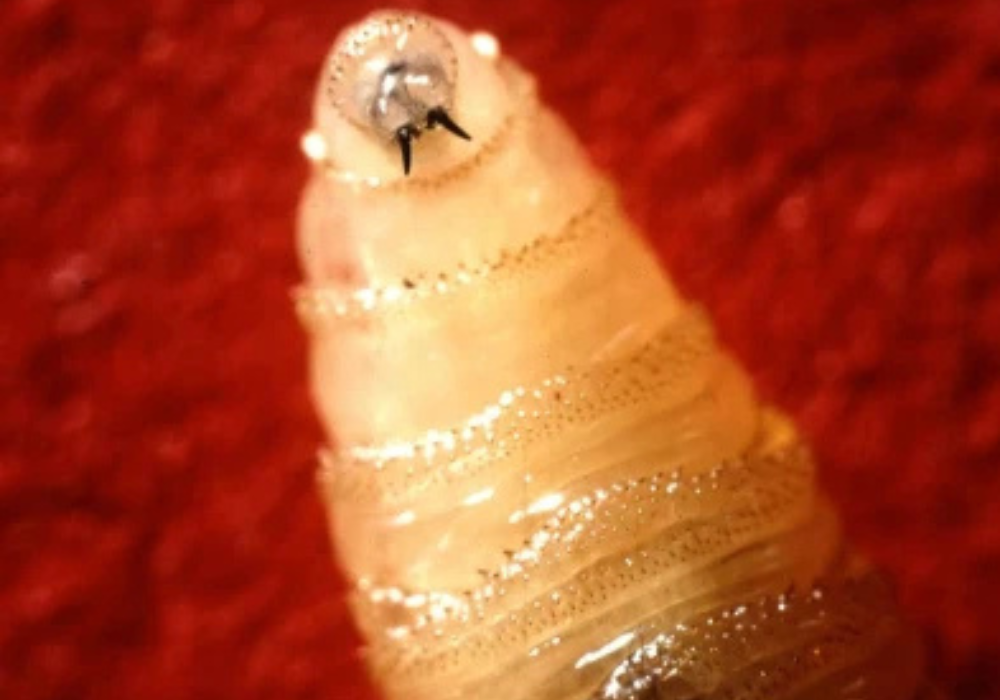
The U.S. Just Confirmed It’s First Human Case of This Flesh-Eating Parasite—Here’s What to Know

The rare parasite known as the New World screwworm has now infected a human in the U.S.

©Image license via Animalia

Health officials have confirmed the first U.S. human case of a rare flesh-eating parasite called the New World screwworm. The parasite, which feeds on living tissue, has historically been a serious threat to livestock across the Americas but only rarely infects people.

According to the U.S. Department of Agriculture (USDA), outbreaks in animals were once widespread before eradication programs nearly eliminated the pest in the United States. The new case highlights how dangerous the parasite can be and why scientists are urging vigilance to prevent its spread back into vulnerable ecosystems and human populations.

Read more

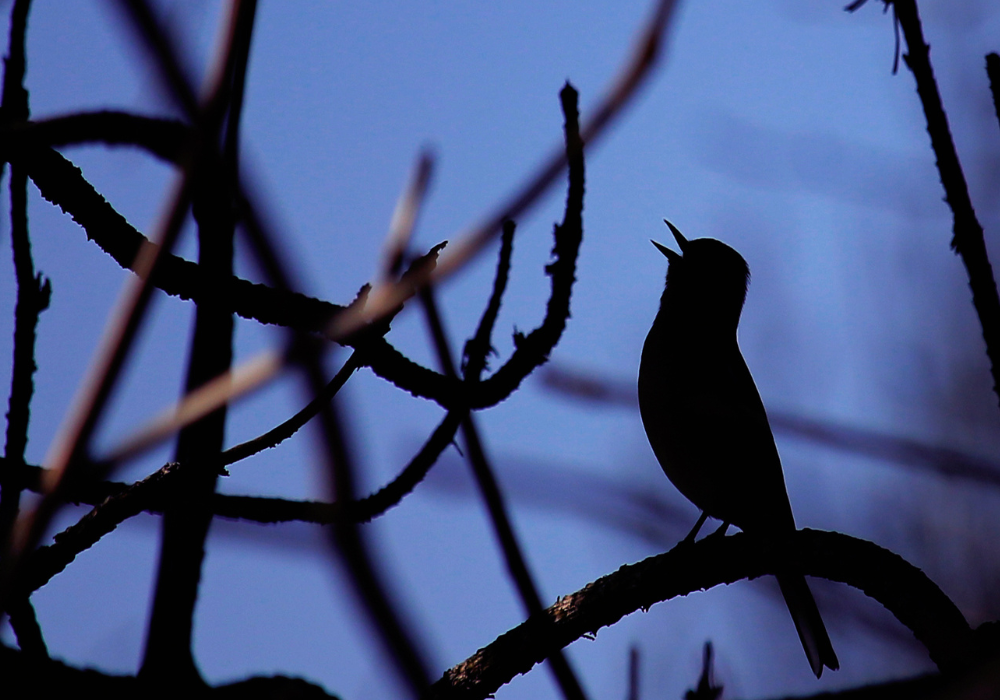
Why Are Birds Singing in the Middle of the Night? Blame the City Lights

Artificial light is disrupting birds’ natural rhythms, keeping them awake and changing the soundtrack of our nights.

©Image license via Canva

If you’ve been hearing birds chirping outside your window at 2 AM lately, you’re not going crazy – and it’s not your imagination. Birds that should be fast asleep are belting out full concerts in the middle of the night, and it’s happening in cities around the world.

What used to be the peaceful quiet of nighttime is now filled with confused robins, cardinals, and mockingbirds singing their hearts out when they should be roosting. The culprit isn’t some mysterious bird disease or climate change gone wrong. It’s something much simpler and more fixable: our obsession with lighting up the night.

Read more

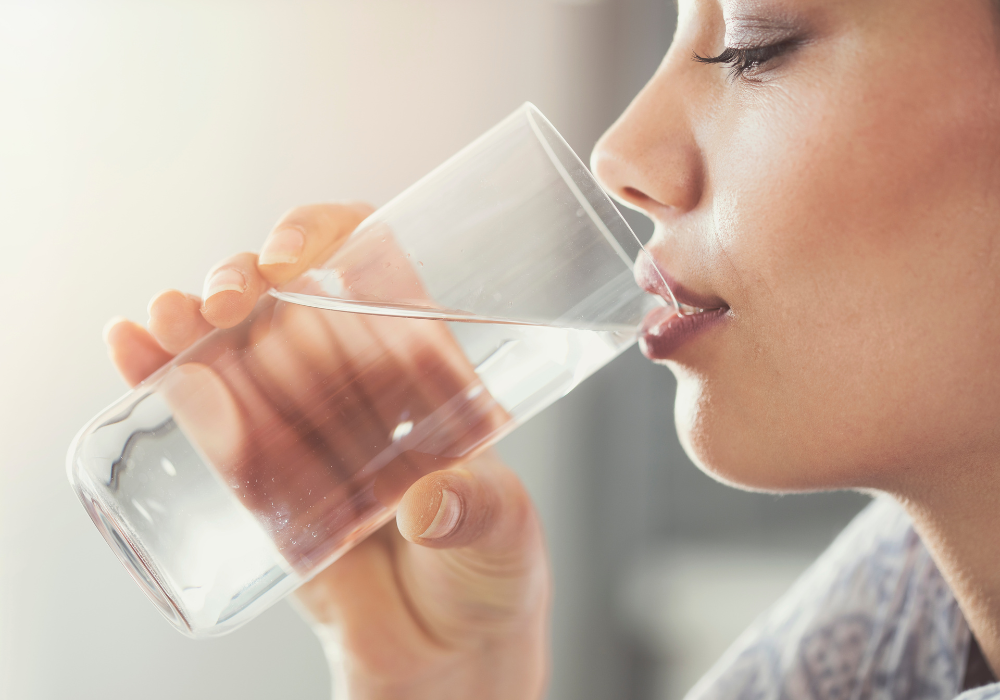
Your Water Isn’t Clean Just Because It’s Clear—Here Are 12 Things Hiding in the Tap

Think your tap water is safe? You won’t believe what could be floating in it.

©Image license via Canva

That crystal-clear glass of water from your kitchen tap might look pristine, but it’s basically a chemistry set wearing a disguise. We’ve been conditioned to equate clarity with purity, assuming that if we can see through something, it must be safe to drink. It’s like judging a person’s character by their appearance – sometimes the most dangerous things come in the most innocent packaging.

Your municipal water supply works hard to keep the really scary stuff out, but plenty of unwanted guests still manage to crash the party. The truth is, your tap water has more passengers than a rush-hour subway car, and most of them didn’t buy tickets.

Read more