The 10-Minute Tricks That Will Finally Declutter Your Digital Life

A clutter-free digital life is just a few quick fixes away.

©Image license via Canva

Most people don’t realize how much digital clutter is draining their time, focus, and even storage space. Old emails, endless notifications, unused apps, and forgotten files pile up fast, making it harder to stay organized and productive.

The good news? You don’t need hours to fix it. Small, intentional changes—ones that take 10 minutes or less—can clean up your devices, streamline your workflow, and make your digital world feel lighter.

These quick tricks aren’t just about deleting junk; they help you regain control of your online space so that your devices work for you, not against you. If your phone, laptop, or inbox feels overwhelming, here are the best ways to declutter fast and keep things organized for good.


Read more

Forget Fad Diets—12 Ayurvedic Hacks for the Ultimate Personalized Health Plan

Ancient wisdom meets modern health through a personalized approach.

©Image license via Canva

Trendy diets promise quick results but often fail to address individual health needs. Ayurveda, a 5,000-year-old system of holistic medicine, takes a different approach—one that recognizes each person’s unique constitution, or dosha, and tailors diet and lifestyle choices accordingly. Instead of a one-size-fits-all plan, Ayurveda provides a framework that adapts to your body type, energy levels, and natural tendencies.

By understanding how food, digestion, and daily routines interact with your unique physiology, Ayurveda offers a sustainable path to balance and long-term wellness. It’s not about restriction or calorie counting—it’s about aligning your habits with what your body truly needs. Here’s how Ayurveda personalizes health and why it might be the missing link in modern nutrition.

Read more

These Radical Treatments Are Taking Over Hospitals—Would You Try Them?

New therapies are changing the way hospitals approach healing.

©Image license via Canva

Modern healthcare is expanding beyond conventional treatments. While medications and surgeries remain the foundation of hospital care, alternative therapies are gaining traction as powerful tools for pain relief, stress management, and recovery.

Acupuncture, meditation, and even music therapy are proving to be more than just wellness trends—they are now backed by research and actively used in medical settings. These therapies don’t replace traditional medicine but work alongside it, giving patients a more holistic healing experience.

Whether it’s hands-on treatments like massage therapy or energy-based practices like Reiki, hospitals are beginning to see that true healing involves both the body and mind. Across the country, alternative medicine is transforming patient care and redefining what it means to heal.

Read more

What No One Tells You About Who’s Really Leading the Climate Fight

Wealthier nations hold the power, but vulnerable countries are paying the highest price.

©Image license via Canva

The climate crisis isn’t just about rising temperatures—it’s about rising inequalities. Across the Global South, communities that contribute the least to greenhouse gas emissions are grappling with the most devastating consequences. From severe droughts in sub-Saharan Africa to intensified cyclones in Southeast Asia, the human toll is mounting while wealthier nations continue to fall short on promises of financial aid and meaningful action.

As the planet warms, the fight for climate justice is becoming more urgent. These countries are demanding not just recognition, but reparations and systemic change from the global powers driving the crisis. This isn’t a battle for sympathy—it’s a call for accountability and equity on a global scale. Without a shift in power, funding, and climate policies, the divide between those responsible for the crisis and those suffering its consequences will only deepen.

Read more

Vegan Leather vs. Real Leather: Which Is Worse for the Environment?

The leather debate isn’t just about style it’s about saving the planet

©Image license via Canva

Leather has always been seen as a symbol of luxury and durability, but now there’s a new player in town: vegan leather. It’s marketed as the cooler, cruelty-free alternative to traditional leather, but is it actually better for the environment? Spoiler alert: It’s complicated. While vegan leather skips the animal cruelty part, a lot of it is made from plastics that hurt the planet in other ways.

Meanwhile, real leather production contributes to deforestation, water pollution, and massive carbon emissions. Neither option is totally eco-friendly, but some choices are definitely worse than others. For Gen Z, who actually care about both ethics and sustainability, the real question isn’t just which material looks better but which one does less damage in the long run. Here’s what you need to know before you flex your next leather look.

Read more

11 Scary Things That Big Corporations Are Doing to the Ocean Right Now

Big corporations are wrecking the ocean and getting away with it.

©Image license via Canva

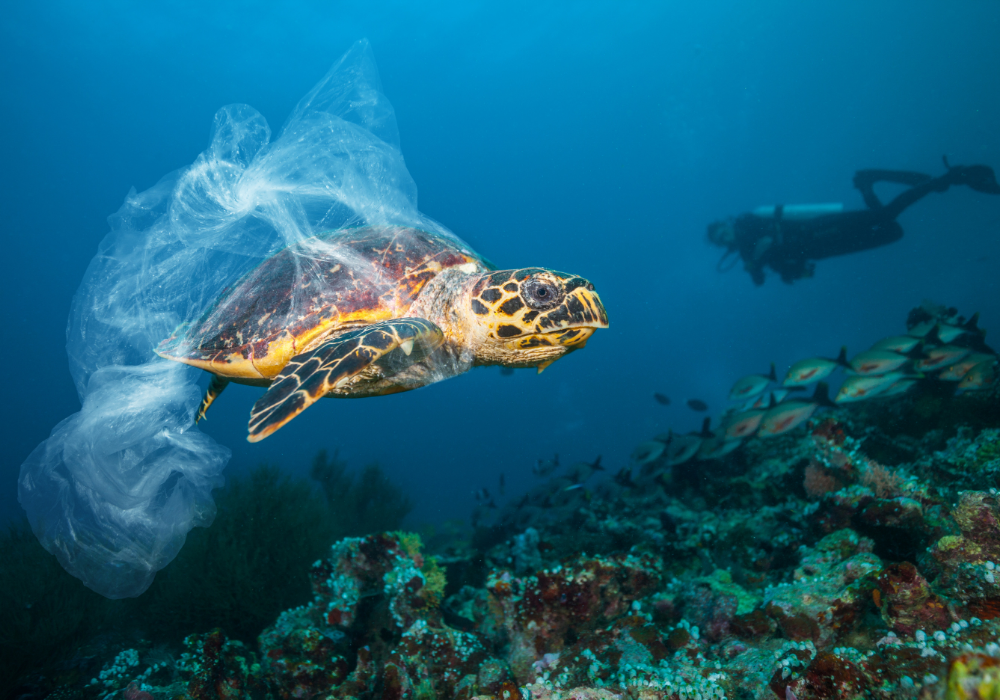
The ocean isn’t just a pretty backdrop for vacation pics—it’s literally what keeps life on Earth going. It produces most of the oxygen we breathe, regulates the climate, and supports countless ecosystems. But here’s the scary part: while we’re busy posting beach photos, big corporations are turning the ocean into a dumping ground for profit. From oil spills and plastic pollution to deep-sea destruction, the damage they’re causing is pushing marine life to the brink—and it’s happening right now.

The worst part? They’re doing it quietly, while throwing around “green” labels to keep us distracted. If we don’t start holding them accountable, rising sea levels and dying ecosystems won’t just be someone else’s problem—they’ll be ours. Here are 11 terrifying ways big businesses are destroying the ocean right now and why Gen Z needs to be the generation that fights back.

Read more

These “Eco-Friendly” Products Are Actually Greenwashing Scams

Companies love using green labels, but not all of them actually mean something.

©Image license via Canva

Sustainability is trending, and brands are capitalizing on it. Slapping a leaf icon on packaging, adding words like “natural” or “eco-friendly,” and making vague promises about reducing waste have become standard marketing tricks. While some companies are making real changes, many are just pretending. This deceptive practice, known as greenwashing, allows brands to cash in on eco-conscious consumers without putting in the work to actually lower their environmental impact.

A product wrapped in green branding isn’t always as sustainable as it claims to be. Some still contain harmful materials, are produced under unethical conditions, or are only slightly better than their conventional counterparts. For Gen Z, a generation that demands real change, it’s important to see through these tactics. Here are the biggest offenders in the world of fake eco-friendly marketing and what to look for instead.

Read more

The Hidden Tension Between Captivity and Conservation in the Modern Zoo Industry

The ethical tightrope between welfare and preservation narrows daily.

©Image license via Canva

Behind the cheerful family portraits at feeding time lies a complex ethical landscape most zoo visitors never contemplate. Modern zoos exist in a perpetual identity crisis – simultaneously functioning as entertainment venues, conservation centers, and arks for species teetering on extinction’s edge.

As habitat destruction accelerates, zoos transform from Victorian-era curiosity cabinets into something more urgent: genetic repositories for species that may soon have nowhere else to go.

Read more

Toxic Ingredients Hiding in Your Skincare (And What to Use Instead)

Your skincare routine might be harming your skin more than helping it.

©Image license via Canva

Most people trust that if a product is on the shelf, it’s safe to use. But the truth is, many skincare products contain ingredients that do more harm than good. Companies use preservatives, artificial fragrances, and cheap fillers to extend shelf life and create a luxurious feel, but some of these chemicals are linked to skin irritation, hormone disruption, and even long-term health risks.

If you’ve ever dealt with unexplained breakouts, redness, or dryness, your skincare might be the culprit. For Gen Z, a generation that actually reads ingredient lists and cares about clean beauty, knowing what’s in your products is essential. The good news is that better alternatives exist, and switching to safer options doesn’t mean sacrificing effective skincare. Here are 10 toxic ingredients you should watch out for and what to use instead.

Read more

Why Plant-Based Eaters Live Longer—And What We Can Learn From Their Diets

A plant-based diet is more than a trend; it’s a blueprint for longevity and better health.

©Image license via Canva

It’s no coincidence that some of the world’s longest-living populations follow predominantly plant-based diets. From the Mediterranean’s abundance of fresh vegetables and olive oil to the legumes and grains central to Okinawan cuisine, these eating patterns are linked to lower rates of heart disease, diabetes, and certain cancers. But plant-based eating isn’t just about adding more greens to your plate—it’s about embracing a lifestyle that prioritizes whole, nutrient-dense foods over processed options.

Beyond health, plant-based diets offer environmental benefits by reducing the carbon footprint of food production. As more research connects plant-based eating with increased lifespan and overall vitality, it’s worth exploring the lessons we can learn and apply to our own lives, even without going fully vegetarian or vegan. Small shifts in daily food choices could lead to big changes in how long—and how well—we live.

Read more