NASA Spots a ‘Super-Earth’ Practically in Our Cosmic Backyard

A newly discovered planet stuns scientists with its size, potential, and surprising closeness.
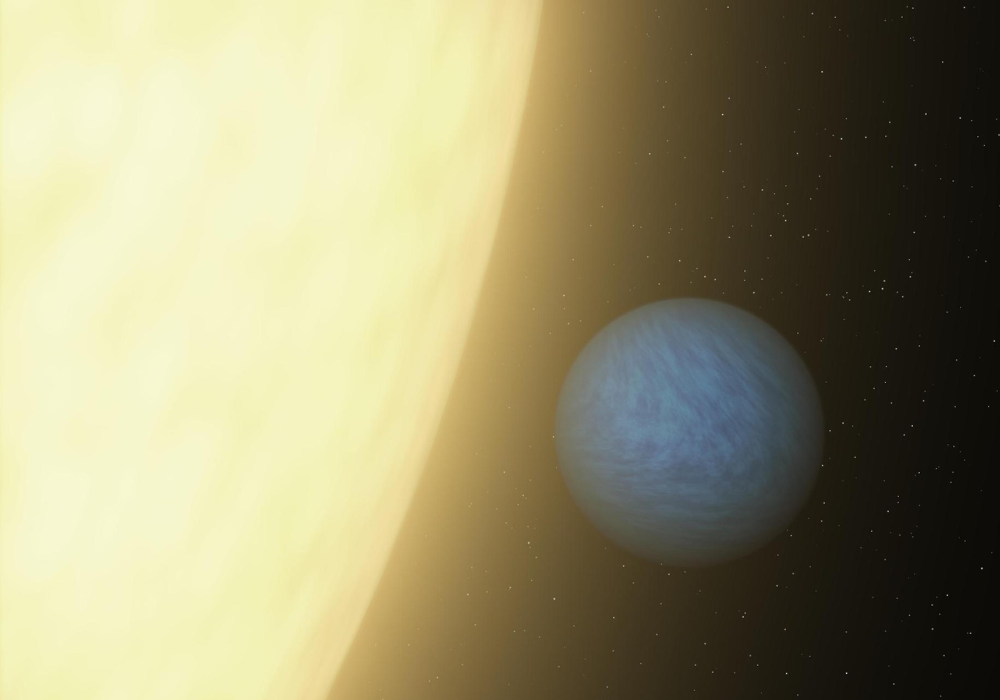
Image license via NASA

You might think Earth is the only neighborhood we’ll ever know—but it turns out we’re not alone. NASA has just revealed a “super-Earth” lurking surprisingly close in space, and scientists are buzzing. This planet, about one and a half times Earth’s size, orbits within the so-called habitable zone of its red dwarf star—meaning it could potentially hold liquid water. As astronomer Aki Roberge of NASA’s Goddard Space Flight Center explains, we now have the tools to ask if there are truly Earth-like worlds out there.


Read more

Is Veganism as Great as It Seems? 10 Truths That Might Surprise You

From hidden health risks to environmental trade-offs, here’s why veganism isn’t always what it seems.

©Image license via Canva

Veganism appeals to many for ethical and environmental reasons, but it also presents unique challenges that deserve thoughtful consideration. Nutritional deficiencies, such as vitamin B12 and iron gaps, require careful planning and supplementation, according to experts at the Academy of Nutrition and Dietetics.

Practical issues like social dynamics, food accessibility, and environmental trade-offs add complexity to adopting a fully vegan diet. Understanding these factors helps clarify when veganism may or may not be the best choice for individual health and sustainability goals.

Read more

How to Be an Eco-Activist Without Quitting Your Day Job

Practical ways to fight climate change while keeping your paycheck and making a real difference.

©Image license via Canva

You care about the planet, but you also care about paying rent. Sound familiar? You’re not alone. Millions of people want to make a real difference for the environment but feel stuck between their values and their need for a steady paycheck. Fortunately, you don’t have to choose between saving the world and keeping your job. Here’s how to become an effective eco-activist while staying employed.

Read more

AI Could Become the Planet’s Most Powerful Climate Forecaster

From rising seas to mega-storms, AI may help science predict Earth’s most dangerous shifts.

©Image license via Canva

Artificial intelligence is changing the way scientists predict climate risks by sorting through massive amounts of environmental data faster than humans ever could. Machine learning can pick up patterns and early warning signs we’d likely miss, helping spot threats like extreme storms, wildfires, or water shortages before they hit. Experts at NASA’s Goddard Institute say combining AI insights with human expertise makes forecasts sharper and more timely, giving researchers and policymakers a clearer view of the challenges ahead.

Read more

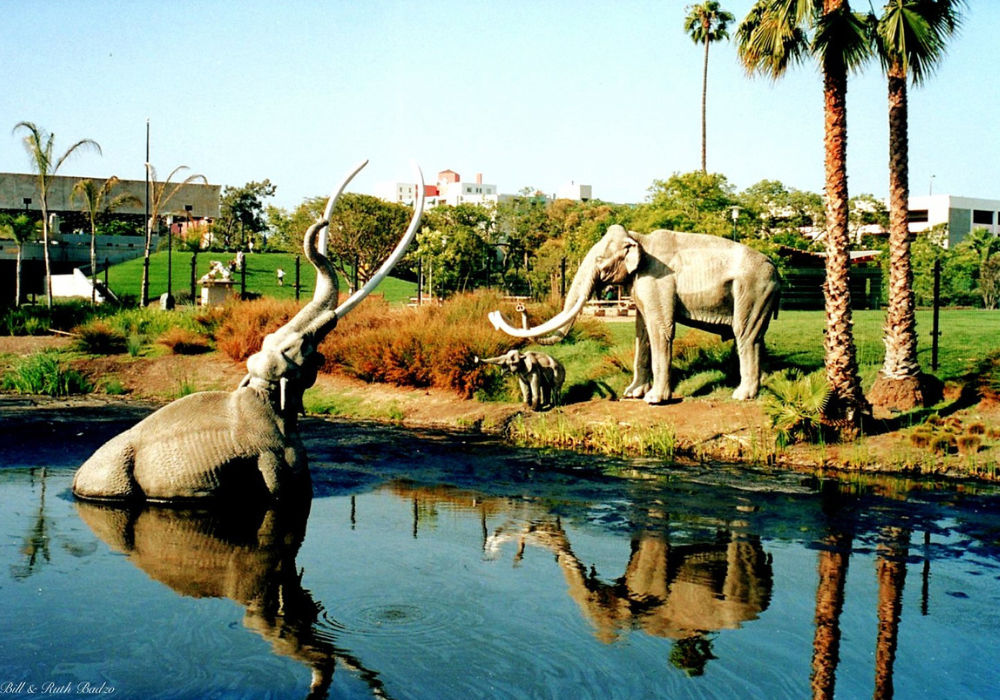
The La Brea Tar Pits Hold a Dark Warning About Mass Extinction

Ancient bones trapped in tar may hold clues to species disappearing today.

©Image license via Flickr / Bill Badzo

Beneath the streets of Los Angeles lies a place where time seems frozen in tar. The La Brea Tar Pits aren’t just a quirky tourist stop—they’re a haunting reminder of how quickly life can vanish. For thousands of years, creatures big and small wandered into the sticky pools and never escaped. Their fate offers more than ancient history—it’s a chilling mirror for the threats facing our world today.

Read more

A Sleeping Ocean Engine Is Stirring— What It Could Mean for Our Weather

Scientists warn a powerful ocean force could unleash storms and reshape our climate.

Open ocean, swirling turquoise currents and white foam, right-framed composition, midday light, editorial travel photo, no people.
©Image license via Canva

Ocean currents act as a massive underwater engine, driving the distribution of heat and nutrients across the globe. When these deep currents alter their usual patterns, they can trigger shifts in weather that ripple from local climates to global systems. Understanding these changes reveals critical connections between marine circulation and atmospheric effects that shape temperature, precipitation, and storm behaviors worldwide.

Read more

Why Everything You Think You Know About ‘Dangerous’ Mental Illness Is Wrong

Experts reveal how false beliefs fuel fear, stigma, and misunderstanding around mental illness.

©Image license via Canva

Mental illness often encounters unwarranted fear fueled by common myths that portray affected individuals as dangerous or incapable. These misconceptions overlook scientific evidence and the diverse realities faced by those living with psychological disorders. By exploring and debunking false beliefs rooted in stigma, this article clarifies how mental health conditions truly manifest, emphasizing compassion, informed perspectives, and the potential for recovery supported by trusted authorities.

Read more

Why a “Storm of the Century” Might Be Snowless

The climate shift that is turning historic blizzards into rain-soaked disasters.

©Image license via Canva

Not all storms named ‘Storm of the Century’ deliver heavy snowfall as expected. Various meteorological elements, such as warm air masses, humidity levels, and shifting storm tracks, can influence whether a storm results in snow or rain. Understanding temperature layers, weather patterns, and climate impacts helps clarify why intense storms sometimes remain snowless despite their severity.

Read more

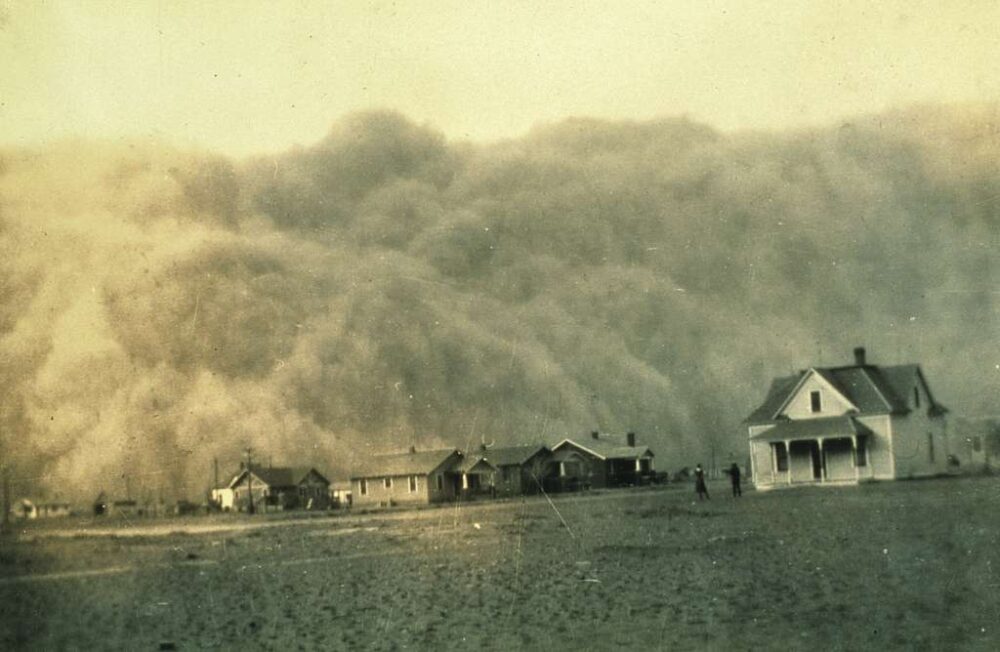
12 Alarming Signs the West Could Be Headed for Another Dust Bowl

Erosion, drought, and fierce winds hint at a crisis echoing the 1930s Dust Bowl.

©Image license via Picryl

The Great Plains face significant challenges with wind erosion, a process where strong winds lift and carry away exposed soil. This natural phenomenon intensifies due to factors like drought, sparse vegetation, and certain farming practices that leave soil unprotected. Historical events such as the Dust Bowl reveal how human actions combined with environmental conditions can lead to severe soil degradation, informing current conservation efforts to maintain land health and productivity.

Read more

12 Powerful Reasons to End the Stigma Around Medication

Understanding the vital benefits of ending medication stigma for health and society.

©Image license via Canva

Stigma around medication often creates unnecessary barriers that affect treatment adherence and patient support. This negative perception can lead to misunderstanding, isolation, and reluctance to seek help, particularly for mental health and chronic conditions. Reducing stigma fosters open conversations, empowers individuals, and encourages society to view medication as a legitimate, essential part of healthcare, improving overall public health outcomes.

Read more