Silent Poison: 12 Disturbing Ways Your Food Is Becoming More Dangerous Every Year

The danger isn’t in the label—it’s in what they don’t tell you.

©Image license via Canva

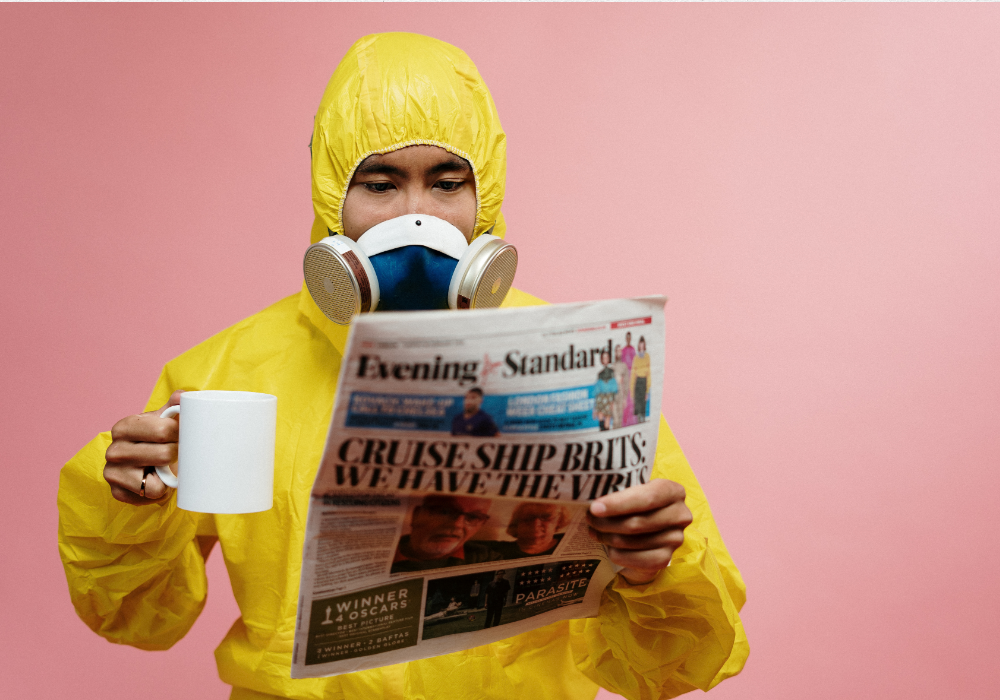
Food used to feel safe. You bought what looked fresh, cooked what sounded good, and called it a day. Now? Even the healthiest meal might come with a dose of chemicals, plastic particles, or something you can’t pronounce. The ingredients haven’t changed as much as the world around them—and that’s where it gets dangerous.

Between climate shifts, factory farming, pollution, and corporate corner-cutting, our food system is absorbing more risk than most people realize. And the worst part? A lot of it isn’t listed anywhere. There’s no label for microplastics or heat-stressed crops or “pesticides that got approved way too fast.” So while you’re doing your best to eat clean, something dirty could still be making its way in. This isn’t about fear-mongering. It’s about awareness. Because once you see what’s creeping into everyday meals, you won’t look at your grocery cart the same way again.

Read more

13 Reasons Gen Z Is Turning to TikTok for Mental Health Answers—and What That Really Means

Therapy is expensive, but scrolling is free and always awake.

©Image license via Canva

Mental health isn’t hush-hush anymore—but that doesn’t mean it’s accessible. For Gen Z, opening up about anxiety, burnout, or trauma isn’t the issue. It’s where to go next that gets tricky. Therapy is pricey, waitlists are long, and not everyone has a safe space to be honest. So they turn to the one place that’s always open, always buzzing, and oddly comforting: TikTok.

What started as a place for dance challenges and chaotic humor is now packed with therapists breaking down symptoms, creators sharing coping tips, and strangers venting in 60-second clips. For better or worse, it’s become a kind of mental health lifeline. It’s relatable. It’s real. And it’s right there when things feel heavy. But this shift says a lot about where traditional systems are falling short—and what Gen Z is doing to fill in the gaps themselves.

Read more

Lose the Climate Guilt Without Losing Your Mind—13 Easy Ways to Make a Change

You don’t need to live off-grid to make a real difference.

©Image license via iStock

Trying to “go green” can feel like an all-or-nothing lifestyle overhaul—like if you’re not composting banana peels in a solar-powered tiny house, you’re part of the problem. But the truth is, most people don’t need a total transformation. What actually helps? Small, repeatable actions that fit into real life. The kind that won’t blow your budget, wreck your routine, or make you want to give up after three days.

Climate guilt is exhausting, and perfection is a myth. The goal isn’t to become a carbon-free superhuman—it’s to do better, more often, without burning out. That means habits that stick, swaps that make sense, and changes that don’t feel like punishment. It’s not about overhauling your life. It’s about making choices that actually work for the one you’ve already got. If you’re looking for ways to feel useful instead of overwhelmed, this is a solid place to start.

Read more

Your Body Is Filling With Plastic—These 10 Sources Are to Blame

Every sip, bite, and breath is delivering more plastic than you think.

©Image license via Canva

You eat clean, drink filtered water, maybe even avoid fast food—but microplastics couldn’t care less. They’re in your body right now, sneaking in through habits so normal, they don’t even register as risky. It’s not just a problem for ocean life or future generations—it’s already happening. These plastic particles are tiny, invisible, and pretty much impossible to dodge completely. And while the science is still catching up, early research is pointing to inflammation, hormone disruption, and even cellular damage.

This isn’t about panic—it’s about awareness. Because once you know where the plastic is coming from, you can start making choices that at least slow it down. Spoiler: the biggest culprits aren’t what most people think. If it goes in your mouth, touches your skin, or fills your lungs, it’s probably part of the problem. Here’s where the plastic’s getting in—and how it’s doing it without asking.

Read more

The Food You Love Is Going Extinct—These 14 Swaps Are Taking Over

Climate change is rewriting your grocery list faster than you think.

©Image license via Canva

You might not notice it at first. Maybe your favorite fruit seems a little less sweet, or your go-to snack keeps disappearing from the shelf. But slowly, quietly, the foods you love are getting harder to grow, more expensive to produce, or downright impossible to find. Climate change isn’t just reshaping coastlines—it’s reshaping dinner. Heatwaves, droughts, floods, and shifting growing seasons are making it tougher to grow the classics, and big food producers are already scrambling for alternatives.

Some of these swaps are clever, some are kind of weird, and a few might already be on your plate without you realizing it. This isn’t some distant future problem—it’s happening right now, in restaurants, grocery stores, and home kitchens everywhere. Here’s a look at what’s disappearing, what’s replacing it, and how climate change is rewriting what “normal” tastes like.

Read more

Grandma and Grandpa Weren’t Lecturing—They Were Leaving You These 11 Truths

Those old kitchen-table talks were the real life lessons.

©Image license via Canva

Some of the best life advice didn’t come from a self-help book or a viral post. It came from a grandparent, standing at the stove, fixing something with duct tape, or handing you a dollar bill with a wink. They didn’t sit you down and say, “Here’s how life works.” They just lived it—out loud, unapologetically, and in a way that stuck with you even if you didn’t realize it at the time. The lessons were woven into casual conversations, quiet moments, and well-worn routines that felt ordinary back then but feel like gold now.

They weren’t trying to impress anyone. They weren’t chasing trends. They were just being themselves—honest, practical, a little stubborn, and deeply loving. And in the process, they handed down more wisdom than they probably ever knew. Here’s what they left behind—and why it still matters.

Read more

These 12 Signs Billionaires Are Planning to Escape Climate Fallout—Not Stop It

The rich aren’t preparing to save the world, just themselves.

©Image license via Canva

While the rest of us are sorting our recycling and worrying about flood maps, billionaires seem to be playing a very different game. It’s not about fixing the climate crisis—it’s about surviving it, comfortably, privately, and very far away from the chaos. They’re not throwing their fortunes behind collective solutions or grassroots action. They’re building bunkers, buying land in “safe zones,” and investing in tech that looks less like innovation and more like a getaway plan.

This isn’t fear-mongering—it’s trend-spotting. From luxury doomsday shelters to off-grid compounds with private security, the ultra-wealthy are signaling loud and clear: they don’t expect to fix this mess. They expect to outlive it. And if that sounds harsh, well… it kind of is. Here’s what they’re doing while the world heats up—and what those moves say about who they’re really planning to protect.

Read more

The Top 15 Biodiversity Hotspots You Need to See Before They Disappear

If biodiversity had a bucket list, these places would be at the top.

©Image license via Canva

Some places feel like they hold the entire planet’s imagination—dense jungles, coral kingdoms, fog-wrapped mountains, and islands overflowing with life. These are biodiversity hotspots, regions teeming with unique species that exist nowhere else on Earth. They’re not just beautiful. They’re irreplaceable. And they’re disappearing.

What makes a hotspot isn’t just the number of species, but how fragile that richness is. These ecosystems represent less than three percent of Earth’s surface, yet they support more than half of all plant and animal life. Many are being lost to deforestation, climate change, overdevelopment, and extraction—faster than scientists can even document what’s there.

To see them now is to witness nature in its most concentrated form. To lose them is to erase entire chapters of evolution. These places aren’t just worth protecting—they’re essential to the balance of life on Earth. And once they’re gone, no amount of effort will bring them back.

Read more

The Vanishing Seasons: Spring and Fall Are Fading—and These 14 Changes Prove It

These warning signs say nature’s rhythm is falling out of sync.

©Image license via Canva

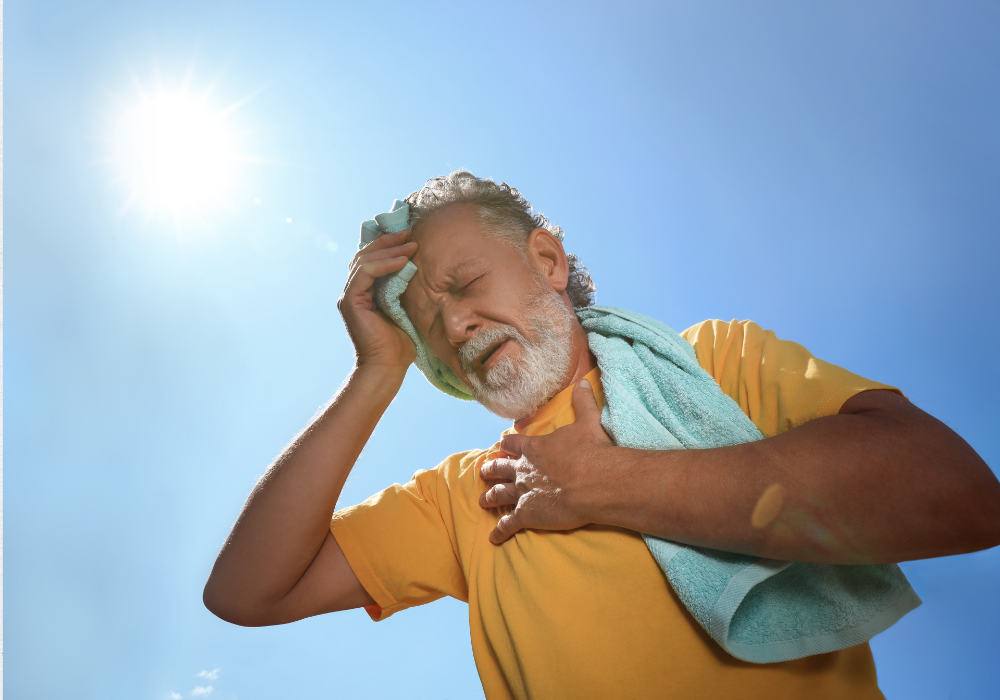
Spring and fall have always been the breath between extremes. A gentle warming. A soft cooling. They gave plants time to stretch, animals time to adapt, and humans a chance to settle into the shift. But lately, that space has been shrinking. The once-reliable transitions that defined these in-between seasons are now collapsing into abrupt changes that leave little room to adjust.

What used to take weeks now happens in days. Cold turns to heat, green turns to bare, and the soft edges of the calendar are becoming jagged. This isn’t just about earlier blooms or shorter leaf seasons—it’s about a global rhythm coming undone. Timing is everything in nature, and when it falls apart, so does everything that depends on it. The signs aren’t subtle anymore. They’re right in front of us. And they’re adding up to something we can’t afford to ignore much longer.

Read more

These 10 Everyday Things Got a Glow-Up—and the Planet Noticed

Eco-friendly finally figured out how to go viral.

©Image license via Canva

Once upon a time, “eco-friendly” meant rough fabrics, sad soap bars, and toothpaste that tasted like regret. It was noble, but never exactly…cute. Fast-forward to now, and sustainability has officially entered its glow-up era. The packaging is sleek. The formulas actually work. And saving the planet? Turns out it doesn’t have to come with a side of inconvenience.

This new wave of eco-conscious products isn’t trying to guilt anyone into better habits—it’s just making those habits way easier to fall in love with. These are the upgrades people are raving about online, casually showing off in group chats, and working into their routines without sacrificing comfort or style. Swapping out the single-use stuff doesn’t have to feel like a chore anymore.

Whether you’re just dabbling in sustainability or fully committed to the low-waste life, these everyday essentials prove one thing loud and clear: the planet’s not the only one getting an upgrade.

Read more