Concerned About The Planet? 12 Reasons to Stop Buying Fast Fashion

Understanding how fast fashion damages the environment and exploits labor globally.

©Image license via Canva

Fast fashion delivers trendy, inexpensive clothing quickly, but this convenience comes at a significant cost beyond the price tag. The industry heavily impacts the planet through excessive water use, pollution, and waste, while also relying on unethical labor practices. Recognizing these hidden consequences reveals why the true price of cheap clothes extends far beyond the store, urging more mindful choices to protect both people and the environment.

Read more

The Surprising Role of Lead Poisoning in Humanity’s Rise Over Neanderthals

New evidence suggests early humans’ tolerance to lead may have given them an evolutionary advantage.

©Image license via World History Encyclopedia

A new study reveals that early humans may have survived toxic lead exposure better than Neanderthals—an unexpected twist in our shared evolutionary story. By analyzing ancient teeth and bones, researchers found traces of lead suggesting both species lived near contaminated sites. But modern humans seemed to handle the exposure with fewer long-term effects. Scientists think this resilience could have provided a hidden survival edge, helping our ancestors adapt to harsh environments while Neanderthals gradually disappeared.

Read more

A Deep-Sea Discovery May Finally Solve the Amelia Earhart Mystery

Sonar scans reveal a plane-shaped object deep in the Pacific, renewing hope of solving Earhart’s mystery.

©Image license via Canva

Nearly nine decades after Amelia Earhart vanished during her 1937 flight around the world, a new underwater discovery may offer the most promising lead yet. Deep-sea sonar scans captured by marine exploration company Deep Sea Vision show what appears to be a plane-shaped object resting nearly 5,000 meters below the Pacific Ocean’s surface. The find lies west of Howland Island—the same area where Earhart was last heard from—renewing global hopes that her long-lost Lockheed Electra may finally be found.

Read more

Space Signal That Traveled 200 Million Years Just Gave Up Its Secrets

Astronomers have decoded a 200-million-year-old radio burst that reveals new clues about deep-space physics.

©Image license via PickPik

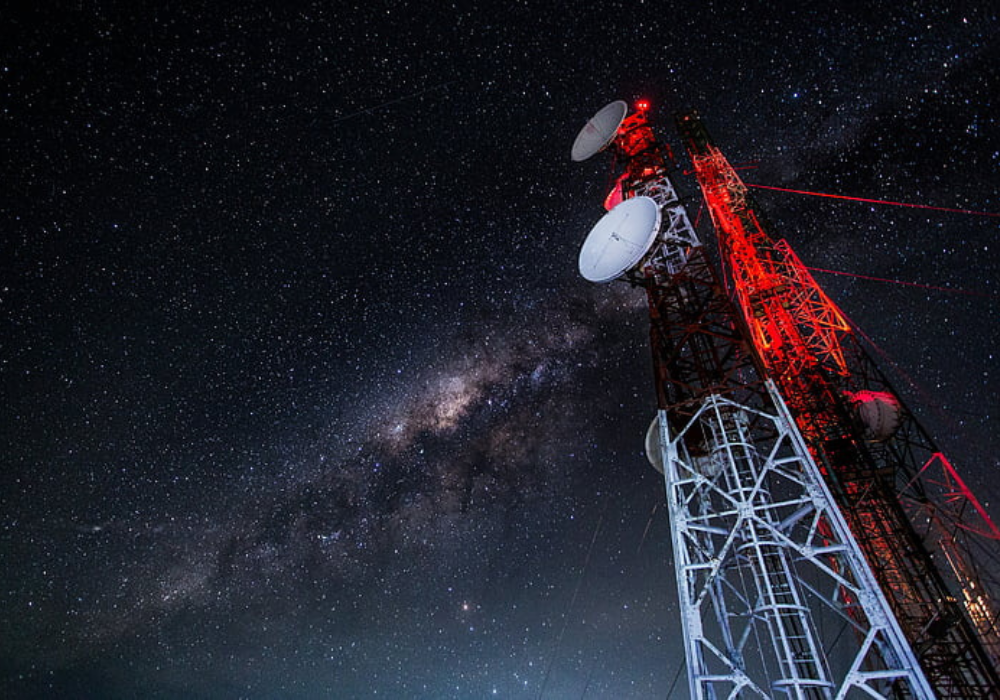
After traveling across 200 million years of space, a mysterious cosmic radio signal has finally been decoded. The burst, known as a fast radio burst or FRB, originated from a magnetized neutron star—one of the universe’s densest and most extreme objects. Using data from the Very Large Array and other telescopes, scientists determined the signal’s unique structure offers new insight into how these high-energy pulses form, helping researchers better understand the violent forces shaping distant galaxies.

Read more

Could This Turkish Cave Be a Lost Christian Sanctuary? Rare Jesus-Paul Fresco Stirs Debate

Archaeologists in Cappadocia uncover a cave depicting Jesus and St. Paul, sparking historical debate.

©Image license via Chat GPT

A newly restored cave near the ancient city of Syedra in southern Turkey is capturing international attention for what lies within its walls. Decorated with Byzantine-era frescoes depicting St. Paul and a possible image of Jesus Christ, the site may have served as a baptismal cave between the 5th and 7th centuries A.D. The discovery offers a vivid look at early Christian worship in Anatolia’s countryside, where faith, art, and community merged far from the grand basilicas of the empire.

Read more

Antarctica Is Starting to Melt Like Greenland—Here’s Why That’s So Alarming

New research shows Antarctica’s glaciers are warming and melting in the same rapid pattern seen in Greenland.

©Image license via Canva

Scientists studying Antarctica’s ice sheets say a troubling transformation is underway—one that mirrors the rapid melt seen in Greenland. The new research, published in Nature Geoscience, reveals that warm ocean water is creeping beneath Antarctic glaciers, destabilizing the ice from below. This “Greenlandification” process is accelerating ice loss and could raise global sea levels far faster than previous models predicted. Experts warn the shift may mark a dangerous tipping point for the planet’s climate system.

Read more

You’re Not Just Tired — Climate Change Is Rewiring Your Body Clock

Scientists say rising temperatures and shifting seasons are quietly throwing our bodies out of rhythm.

©Image license via Canva

If you’ve been feeling unusually tired, anxious, or out of sync, the planet’s changing climate may be partly to blame. Scientists are finding that warmer nights, longer summers, and disrupted daylight cycles can confuse the body’s internal clock — the system that regulates sleep, hormones, and mood. These subtle shifts don’t happen overnight, but over time, they’re affecting how well we rest, focus, and even cope with stress in a rapidly warming world.

Read more

The Quiet Exodus: How Climate Change Is Moving People Without Us Realizing

Small changes in weather, water, and land are already pushing families to move — often without headlines.

©Image license via Flickr

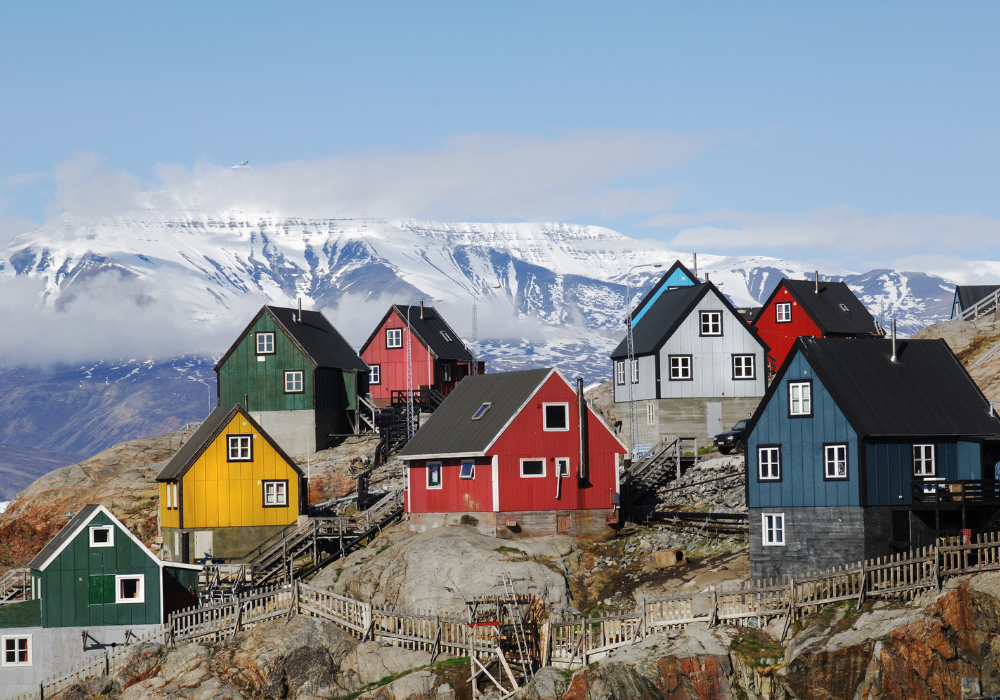
You may not see it in the news, but climate change is already reshaping where people live. Rising seas, intensifying storms, droughts, and shifting farmland are quietly nudging whole communities to relocate. For many families, the move starts as an extra flood, a failed crop, or a handful of dry wells. Over time, those small losses add up—and force decisions about leaving homes behind in search of somewhere safer and more stable.

Read more

12 Animals the Planet Couldn’t Survive Without

Scientists say these often-overlooked animals are vital to keeping Earth’s ecosystems alive and thriving.

©Image license via Canva

Earth’s ecosystems rely on a delicate web of relationships that keep air, water, and soil in balance. When one vital species disappears, the entire system begins to unravel. Scientists warn that losing even a few key animals could disrupt pollination, food chains, and climate stability. Each plays an unseen but crucial role in keeping nature’s cycles running smoothly — a reminder that the planet’s health depends on far more than what we see above the surface.

Read more

Can Cash Save the Rainforest? Brazil’s Bold New Plan Says Yes

A groundbreaking “forest income” program is paying Amazon residents to protect trees—and it’s already working.

©Image license via Rawpixel

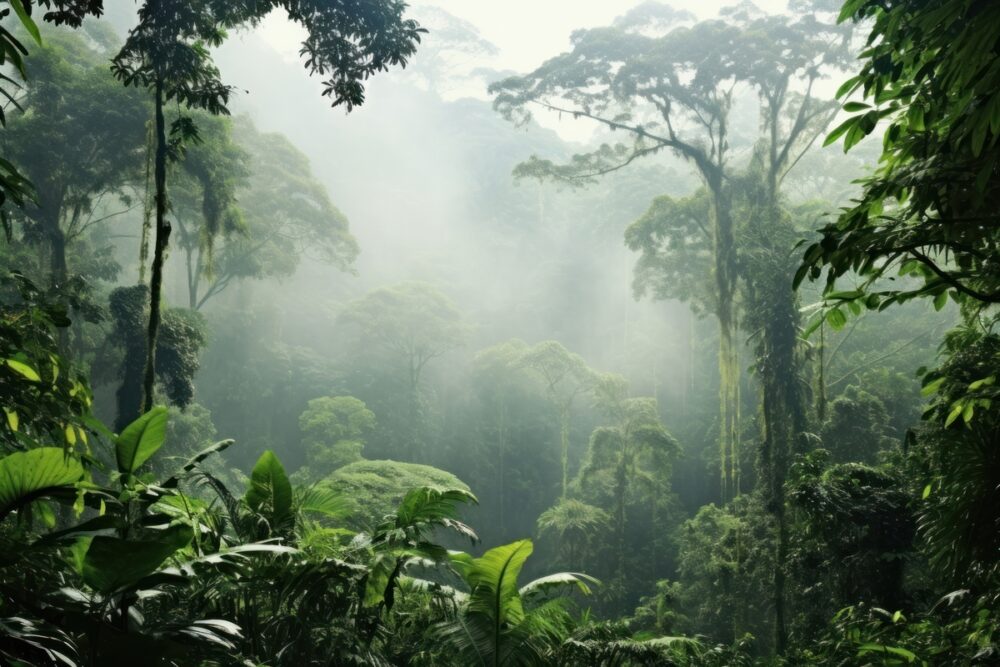
In the heart of the Amazon, a new approach to conservation is turning traditional economics upside down. Instead of punishing people for deforestation, Brazil’s Conservation Basic Income is rewarding them for keeping forests intact. The pilot program pays rural and Indigenous families a steady income to preserve trees and biodiversity, creating a financial alternative to logging and mining. Early results show fewer trees are being cut—and more communities are choosing protection over profit, reshaping how conservation can work worldwide.

Read more