New Research Warns the World’s Population Is Shrinking Faster Than Anyone Anticipated

New global data reveals declining fertility and aging populations are arriving far sooner than predicted.

©Image license via Canva

A major demographic analysis published in The Lancet, supported by updated UN World Population Prospects data, shows global fertility rates falling far faster than experts once projected. Many countries are now well below the replacement rate of 2.1 children per woman, and researchers warn the world could enter population decline earlier than previously forecast. These shifts stem from economic pressures, aging populations, urbanization, and expanded access to education and contraception. The findings reveal a rapidly changing demographic landscape that will reshape economies, social systems, and global population patterns in the decades ahead.

Read more

Multiple Storm Systems Are Bringing Dangerous Weather Across the U.S. This Week

Meteorologists warn that heavy snow, flooding rains, and strong winds could disrupt travel and daily life across several regions.

©Image license via Canva

A series of storm systems is moving across the United States this week, bringing a mix of heavy snow, flooding rain, strong winds, and rapid temperature changes to several regions. Forecasters say shifting jet-stream patterns are allowing multiple disturbances to form in quick succession, increasing the likelihood of hazardous weather from coast to coast. As these systems interact, conditions may vary widely by location, with some areas facing winter hazards while others see heavy rain or thunderstorms. Officials are urging travelers and commuters to monitor local forecasts closely.

Read more

How Hidden AI Sensors Are Catching Wildlife Poachers in Real Time

Hidden sensors deep in the jungle are picking up sounds humans can’t—revealing threats long before they strike.

©Image license via Picryl

Illegal poaching is one of the biggest dangers facing wildlife today, especially in remote forests where rangers can’t monitor every corner. But a new breakthrough in AI listening technology is giving conservation teams a powerful new tool. Scientists are deploying hidden acoustic sensors that can pick up the faintest sounds—gunshots, chainsaws, motorbikes, and other noises linked to illegal activity. The system analyzes sound instantly and alerts rangers within seconds. This real-time detection could transform how wildlife is protected, especially in areas where poachers often strike unseen.

Read more

Puppy Pile-Ons Are Lifting Spirits of Sick Kids — And It’s Working Wonders

Tiny rescue puppies offer comfort, hope, and much-needed smiles to children facing difficult medical battles.

©Image license via Canva

For kids facing serious illnesses, hospital days can feel long, painful, and lonely. But one nonprofit has found a simple, heart-melting way to brighten those difficult moments: covering children in piles of wriggling, snuggling puppies. The Portland-based non-profit, Pile of Puppies, brings litters of eight-week-old pups directly to families whose children are battling tough medical conditions. For an hour, these kids get to laugh, cuddle, and forget the stress of treatments. Doctors and parents say the experience brings real emotional relief—sometimes more powerful than anyone expected.

Read more

This Startup Wants to Turn Night Into Day But Astronomers Say It’s a Cosmic Crime

A plan to beam sunlight from orbit is gaining momentum, but experts warn it could disrupt astronomy and darken our view of the cosmos.

©Image license via Canva

A startup is proposing an ambitious plan to place giant mirrors in orbit to redirect sunlight onto Earth after dark. The company says it could reduce energy use, illuminate cities, and help during emergencies, but astronomers warn the mirrors could brighten the night sky, interfere with research, and worsen light pollution. The debate raises big questions about how commercial ideas could reshape Earth’s skies and who gets to decide what happens in orbit.

Read more

The Apocalyptic Events That Already Happened—and What They Warn About Our Future

Why the Maya and other fallen empires offer surprising hope for today.

©Image license via World History Encyclopedia

Ancient history is littered with tales of collapse—forgotten cities, devastating droughts, and entire civilizations that seemingly vanished, like the Classic Maya. We often view these apocalyptic events as terrifying cautionary tales, believing they prove humanity is fragile in the face of catastrophe. However, archaeologists studying these ruins are challenging that narrative. They see not final endings, but profound societal transformations. By examining how survivors of these dark periods adapted and reinvented their world, we find unexpected inspiration and a powerful blueprint for resilience for facing our own intertwined modern crises.

Read more

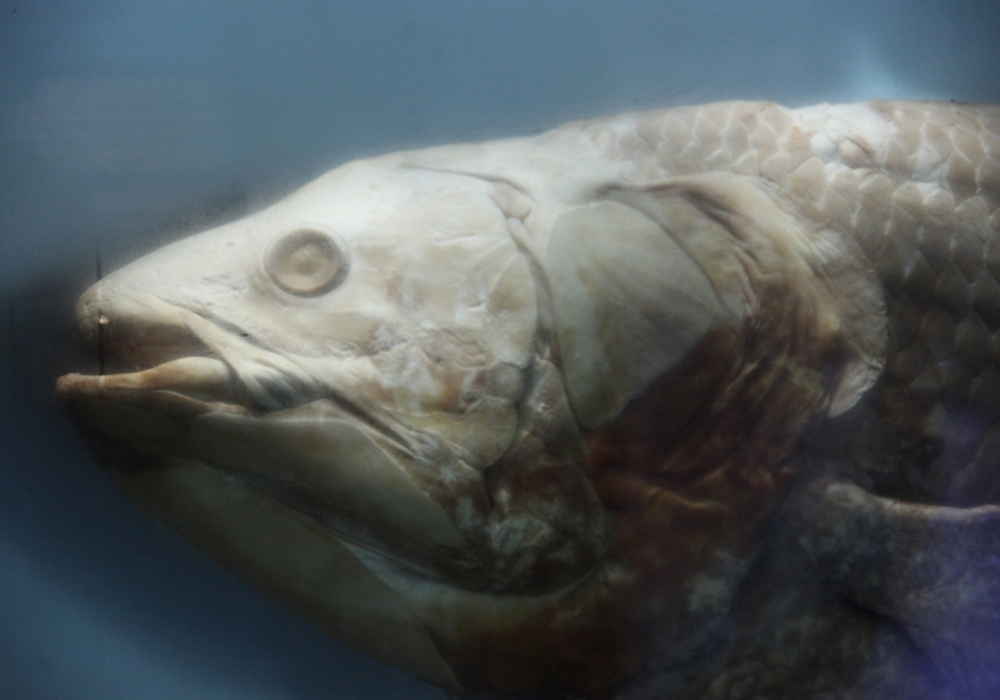
When a Small-Town Museum Curator Uncovered a Fish Thought Extinct for 66 Million Years

A lone fisherman’s routine catch in 1938 revealed a creature scientists believed vanished with the dinosaurs.

©Image license via Flickr/Tim Evanson

A routine catch off the coast of South Africa in 1938 led to one of the most astonishing scientific discoveries of the century. When a small-town museum curator examined a strange blue fish brought in by a local fisherman, she realized it resembled a species believed to have vanished 66 million years ago. Her persistence set off an international scramble to confirm the find, ultimately revealing that a creature thought lost since the age of dinosaurs had somehow survived in the deep.

Read more

Toxic Tide Warning: 5,500 Hazardous Coastal Sites Could Flood by 2100

Scientists say rising oceans may turn industrial sites into sources of dangerous, widespread pollution.

©Image license via Raw Pixel

Rising seas aren’t just threatening coastal homes and beaches—they may also unleash toxic chemicals stored at thousands of industrial sites along U.S. shorelines. New analysis shows more than 5,500 coastal facilities sit in areas likely to be reached by sea-level rise or storm-driven flooding in the coming decades. These sites store hazardous materials that could leak into water, soil, and nearby neighborhoods if inundated. As climate-driven flooding becomes more common, millions of Americans may face environmental risks they never knew were there.

Read more

This Attic Find Just Became the Most Expensive Comic Book in the World

A pristine copy of “Superman No. 1” hidden for decades just sold for an astonishing $9.1 million.

©Image license via Foro3D

A simple attic clean-out in Northern California has turned into one of the most astonishing discoveries in comic-book history. Three brothers sorting through their late mother’s belongings found a pristine 1939 copy of Superman No. 1, the first comic ever devoted entirely to the Man of Steel. When they brought it to auction, the book sold for an unprecedented $9.12 million, making it the most valuable comic ever recorded. Its astonishing condition and iconic status helped push it past every previous sales record, reshaping the landscape of high-end comic collecting.

Read more

Air Traffic Controllers Break Their Silence: The Unexplained Objects They Were Told to Ignore

Aviation insiders reveal why unexplained aerial encounters rarely made it into official records.

©Image license via Canva

This is the moment an entire profession decided it could no longer quietly accept silence around unexplained events in the sky. For decades, commercial and military air traffic controllers have reported radar contacts that moved strangely, appeared and vanished quickly, or behaved unlike any known aircraft. Historically, many of these incidents were brushed aside as clutter or interference. Now, with official UAP investigations underway and more witnesses speaking openly, people inside the system are finally explaining how such cases were handled—and what that reveals about safety, secrecy, and accountability.

Read more