If Your Tire Blows Out on the Highway, Do This Immediately

Why staying calm and avoiding one instinctive move can help you regain control.
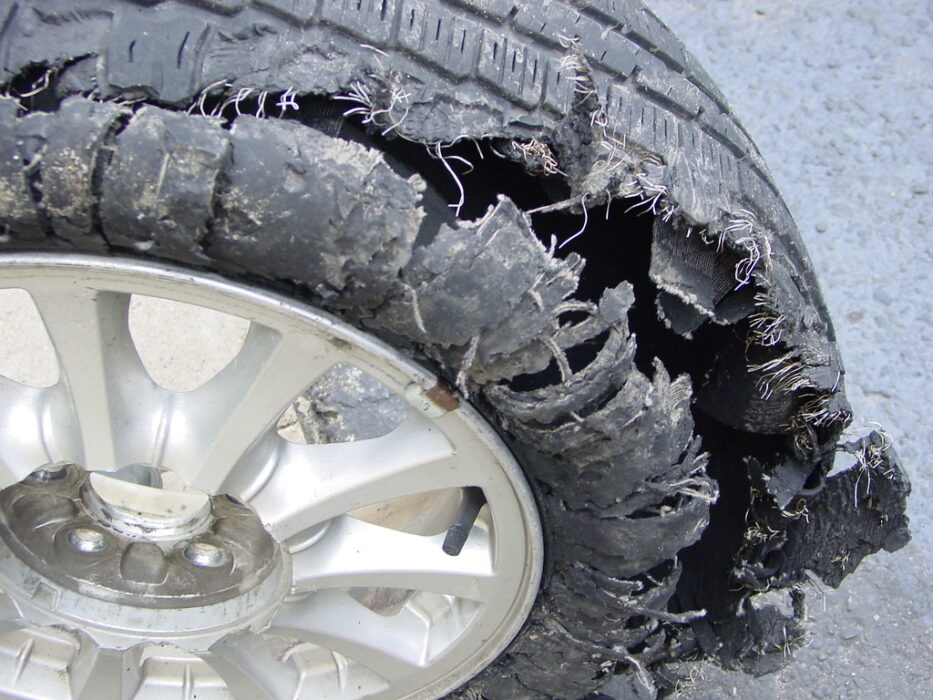
©Image license via Flickr

A tire blowout at highway speed is the kind of moment that makes your stomach drop. The bang is loud, the car can yank sideways, and your brain wants to hit the brakes or jerk the wheel. That split-second reaction is what turns many blowouts into crashes.

Safety groups like AAA stress the same basics: hold steady, don’t slam the brakes, and slow down smoothly before you move over. The goal isn’t to stop fast—it’s to stay predictable until you can get to a safe spot. Do the calm thing first, and everything else gets easier.

If you’ve pictured the steps ahead of time, you’re far more likely to stay calm and keep control.

Read more

If Your Neighbor’s Tree or Yard Debris Lands in Your Yard, Who’s Responsible May Surprise You

Who pays, what you can touch, and when a friendly chat matters more than the law.

©Image license via Canva

Most people don’t think much about trees or yard debris until a branch crashes down or a neighbor’s leaf blower sends a pile of leaves straight onto their lawn. Suddenly, a quiet neighborhood issue turns into a confusing question of responsibility.

Is it your problem because it landed on your property, or does your neighbor have to deal with it since it came from their yard? The answer isn’t always what people expect, and it often depends on details most homeowners never consider.

Before frustration sets in or tempers flare, it helps to know the basic rules, what you’re allowed to do, and when a simple conversation can prevent a much bigger conflict.

Read more

If You See a Wild Animal Hit by a Car, Don’t Rush In. Do This Instead

One wrong move can make things worse for you and the animal.

©Image license via Canva

You’re driving along when something ahead doesn’t look right. At first it just seems like debris, but then you realize it’s a wild animal on or near the road. Your chest tightens, your instincts kick in, and helping feels like the only option.

That moment is emotional, but it’s also risky. Injured wildlife can behave unpredictably, and stopping the wrong way can put you in real danger fast—especially with traffic still moving around you.

Before you pull over, step out, or rush toward the animal, there are a few things you should know that can keep you safe and actually make a difference.

Read more

New Study Raises Doubts About the Benefits of Intermittent Fasting

Researchers found meal timing alone didn’t improve key metabolic markers.

©Image license via Canva

Intermittent fasting and time-restricted eating have become mainstream diet trends, often touted as metabolic and heart-health boosters.

But a new study found that when women ate the same number of calories, narrowing their eating window didn’t improve blood sugar, blood pressure, cholesterol, or other key markers after two weeks.

Researchers also observed shifts in circadian rhythms tied to meal timing, hinting that the timing of food influences internal clocks. But when it comes to metabolic improvements, energy balance remains crucial.

Read more

How Greenland Shark Eyes Could Hold Clues to Preserving Human Vision

What scientists learned from shark eyes that function despite damage and extreme darkness.

©Image license via Planet Sage/Chat GPT

For centuries, Greenland sharks have lived in the dark, icy depths of the Arctic, surviving far longer than almost any other vertebrate on Earth. Their extreme longevity has made them biological curiosities, but scientists are now paying close attention to one unexpected feature: their eyes.

New research published in Nature Communications focuses on how these sharks sense light despite living in near-total darkness and carrying parasites on their eyes. The findings challenge long-held assumptions about what damaged or aging eyes can still do.

By studying how Greenland shark eyes function under extreme conditions, researchers believe they may uncover clues that could one day help protect or preserve human vision as it ages.

Read more

Scientists Find The Oldest Poison on Arrows 60,000 Years Old

Residues found on ancient arrow tips show poison use goes back much further than thought.

©Image license via Planet Sage/Ghat GPT

Sixty thousand years ago, hunting wasn’t just about strength or sharp stone—it was about chemistry. Scientists analyzing tiny residues on ancient stone points found something that changes the timeline of human ingenuity: evidence of poison use that far back in the past.

The artifacts come from Umhlatuzana Rock Shelter in South Africa, and the chemical traces point to plant-based toxins applied to arrow tips. The research was published in Science Advances in January 2026.

It suggests early humans weren’t only making projectiles; they were engineering slow-acting effects that helped them bring down larger animals and survive in tough conditions.

Read more

Humans May Have 33 Senses Not Just Five, Say Scientists

Researchers say the nervous system tracks dozens of signals beyond the five classic senses.

©Image license via Canva

For most of us, school taught the five senses: sight, hearing, touch, taste, and smell. But modern research suggests that’s only part of the story. Psychologists and neuroscientists now argue humans can have many more sensory systems—possibly up to about 33 distinct senses

Beyond the classic five, scientists point to senses like proprioception (awareness of body position), interoception (perception of internal body states such as hunger or heart rate), and balance via the vestibular system.

These discoveries don’t rewrite biology textbooks overnight, but they expand how we understand perception, showing that the way we experience the world and our own bodies is far more complex and integrated than the traditional model suggests.

Read more

Six Living Relatives Could Help Solve the Mystery of Where Leonardo da Vinci Is Buried

A centuries-long DNA trail may finally reveal where the Renaissance genius was laid to rest.

©Image license via Canva

Leonardo da Vinci left behind paintings, notebooks, and inventions, but not a confirmed body. For centuries, people have argued about where his remains ended up after his original burial site in Amboise was damaged and demolished.

Now a team tracing the da Vinci family line says living male-line relatives share matching Y-chromosome markers that run through Leonardo’s father’s branch. That gives scientists a genetic “signature” to test old bones against.

If the same Y markers appear in historical remains linked to the family, researchers may finally confirm whether any burial site truly holds Leonardo, or someone else.

Read more

Why Venezuela’s Massive Oil Reserves Are a Big Problem for the Climate

Why the world’s largest oil reserves come with an unexpected climate burden.

©Image license via Canva

Venezuela sits on the world’s largest reported oil reserves—but much of that “oil” is extra-heavy crude, closer to tar than the light petroleum most people picture. Getting it out and turning it into usable fuel can take more energy and create more emissions.

Most of those reserves are in the Orinoco Belt, where producers often blend the thick crude with diluents or upgrade it before it can be shipped and refined.

When you add aging equipment, methane leaks, and routine gas flaring, scientists say the climate impact per barrel can jump—making “abundance” look a lot less like a win for the planet.

Read more

When Loud Neighbors Won’t Stop, This Approach Works Better Than Confrontation

Practical steps to protect your peace without escalating conflict or risking retaliation.

©Image license via Canva

If loud neighbors are wrecking your sleep, focus, or downtime, you’re not being dramatic. Constant noise hits differently when it’s happening in your own space, especially late at night or during work hours when you’re already stretched thin. It’s hard to relax when you’re bracing for the next interruption.

This issue matters even more now that more people work from home, keep odd schedules, or live in apartments with thin walls. What used to be a mild annoyance can turn into daily stress that affects your mood, productivity, and patience.

Handling it the right way can mean the difference between peace and an ongoing neighbor feud. This guide walks through practical, low-key ways to deal with loud neighbors without turning the situation into something bigger than it needs to be.

Read more