‘Mammoth’ Bones Sat in a Museum for 70 Years — But Turned Out to Be Something Else Entirely

A decades-old museum mystery is finally solved by modern analysis.

©Image license via Canva

For 70 years, two fossil “mammoth” bones sat quietly in an Alaska museum, tagged from a 1951 expedition near Fairbanks and treated as a rare clue to the last woolly mammoths in North America.

Then scientists took a closer look, and the story flipped. Isotope chemistry hinted at a marine diet, not a land grazer, so researchers dug into the records and ran ancient DNA testing.

The result was stranger than anyone expected: the fossils belonged to two different whales. Now the headline isn’t “young mammoth” at all, but a new mystery about how whale bones ended up deep in Alaska’s interior, miles from the coast.

Read more

Recent Evidence Is Upending What We Believed About the Shroud of Turin

Advanced testing suggests the Shroud’s history may not match earlier carbon-dating conclusions

©Image license via Planet Sage/Chat GPT

Recent studies from Italy’s National Agency for New Technologies, Energy and Sustainable Economic Development (ENEA) are reigniting one of history’s most controversial debates.

Using advanced imaging and spectral analysis, researchers claim the faint image on the Shroud of Turin, a linen cloth long believed by some to bear the image of Jesus, shows properties that earlier tests may have overlooked.

The findings suggest the shroud’s markings were not created by paint, dye, or traditional radiation. While the results don’t prove authenticity, they raise new questions that challenge decades of scientific and theological assumptions.

Read more

If You See a New Login Alert from ‘An Unknown Device,’ Here’s What It Really Means

Why this warning appears and when you should actually worry.

Plain light backdrop, worried man in maroon shirt, hand on head, daytime soft lighting, documentary style, one person.
©Image license via Canva

Seeing a login alert from an “unknown device” can trigger instant panic. It looks serious, sounds ominous, and makes it feel like someone may already be inside your account. For many people, the first instinct is to assume they’ve been hacked.

In reality, these alerts are far more common than most users realize, and they’re often triggered by completely normal behavior. Security systems are designed to err on the side of caution, even if that means alarming people who are not actually under attack.

Understanding why these alerts appear, and how to tell a harmless trigger from a real threat, can help you respond quickly without overreacting or ignoring something important.

Read more

Getting Texts From ‘Unknown’ That Use Your Name? Here’s What It Really Means

How scammers use your name to trigger replies and steal information.

©Image license via Canva

Getting a text from an unknown number that opens with your name can feel unsettling. It sounds personal, casual, and just familiar enough to make you wonder if you’re forgetting someone. That reaction is exactly what scammers are counting on.

These messages are part of a growing wave of low-effort, high-volume scams designed to start a conversation, not finish one. The goal is to get you to reply, click, or engage just enough to move the scam forward.

Knowing why these texts work, how scammers got your name, and what to do next can help you shut them down fast without putting yourself at risk.

Read more

If You Receive a Text Claiming to Be Your Bank, Don’t Click—Here’s What to Do Next

How to spot bank text scams quickly and protect your money before damage is done.

Plain white background, woman in denim shirt checks phone, portrait composition, bright even lighting, editorial style, one person.
©Image license via iStock

Bank text alerts have become so common that most people barely pause when one appears. Messages about unusual charges, locked accounts, or security checks often feel routine, especially during a busy day.

Scammers rely on that familiarity, copying real bank language and timing to lower suspicion. Their goal is urgency, pushing people to react before verifying what’s actually happening.

Understanding how these scams work and knowing the right next step can prevent a harmless-looking text from becoming a costly mistake.

Read more

A New Question at National Park Gates Is Making Some Visitors Turn Around and Leave

What park officials are asking and why it’s catching travelers off guard.

©Image license via Planet Sage/Chat GPT

Driving all the way to a national park usually feels like the easy part. But in early 2026, some visitors reached the entrance booth and heard a new question that stopped the trip cold: Are you a U.S. resident?

That question is tied to a new pricing rule that adds a $100 surcharge for non-U.S. visitors at 11 of the most visited parks, and higher costs for nonresident annual passes. Rangers say it’s creating confusion, longer lines, and tough conversations.

Here’s what’s happening at the gate, why people are turning around, and how to avoid getting caught off guard on your next park visit this winter.

Read more

Vets Warn This Common Way People Show Dogs Affection Often Backfires

What looks loving to humans can feel stressful to dogs.

©Image license via Canva

Most dog owners show affection the same way they would to another person—hugging, kissing, squeezing, or leaning in close. It feels natural, loving, and harmless. After all, dogs are family, and affection is how we bond.

But dogs don’t interpret touch the same way humans do. What feels comforting to us can feel confusing, stressful, or even threatening to them, especially when it limits their movement or invades their space.

Veterinarians and behavior experts say many dogs quietly tolerate these moments rather than enjoy them. Learning how dogs actually experience affection can strengthen trust, reduce stress, and help your dog feel safer around you.

Read more

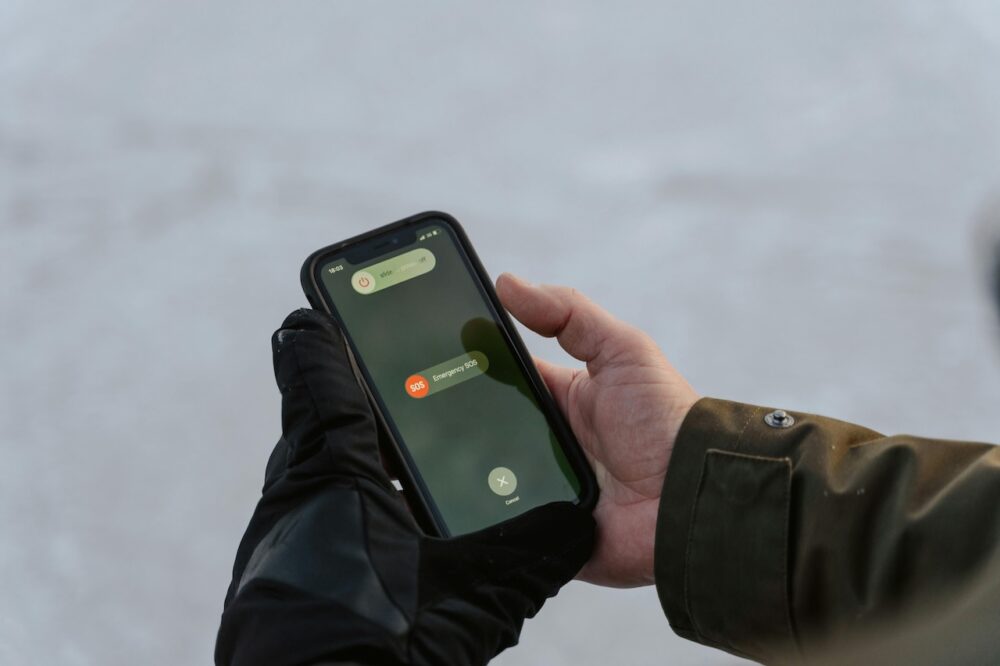
Why Your Phone Says “SOS Only” and What It Means for Your Service

When your phone can still call for help but not connect to a regular network.

©Image license via Pexels

Most people glance at their phone dozens of times a day, so when something unfamiliar appears on the screen, it’s easy to feel a jolt of concern. Seeing “SOS Only” instead of your usual signal bars can feel especially alarming, even if everything seemed fine moments earlier.

The message sounds serious, but it doesn’t usually mean your phone is broken or that service is permanently gone. In most cases, it’s a temporary status tied to coverage, network access, or location.

Understanding what “SOS Only” actually means can take the panic out of the moment. Once you know what’s happening behind the scenes, it becomes much easier to decide whether to wait it out or take action.

Read more

If You Smell Rotten Eggs in Your House, Here’s the Immediate Step to Take

©Image license via Canva

Most smells in a home are harmless annoyances. Burnt food, trash that needs taking out, or something forgotten in the fridge usually explain themselves quickly. But one smell stands out as different for a reason.

A rotten egg or sulfur-like odor can signal a potentially dangerous situation. It’s not something to investigate casually or ignore until later, even if the smell seems faint or comes and goes.

Knowing what that smell can mean and how to respond immediately can protect your home, your health, and the people inside. The key is acting calmly, quickly, and in the right order.

Read more

NASA’s Supercomputer Just Revealed How Long Earth Can Still Support Life

Models suggest a tipping point where oxygen-rich air may no longer be sustainable.

©Image license via Canva

Using advanced climate and atmospheric models on NASA’s supercomputing systems, scientists have estimated when Earth will no longer be able to support most forms of life.

Their simulations suggest that in roughly one billion years, rising solar radiation will cause oxygen levels to collapse as photosynthetic organisms die off.

Without oxygen, complex life—including animals and humans—would disappear, leaving only microbial life. While that timeline is distant, researchers say it reveals how fragile Earth’s long-term habitability truly is.

Read more