Some Polar Bears Are Getting Fatter Despite Losing Their Sea Ice Hunting Grounds

New research suggests some polar bears are adapting in unexpected ways as Arctic sea ice continues to shrink.
©Image license via Canva

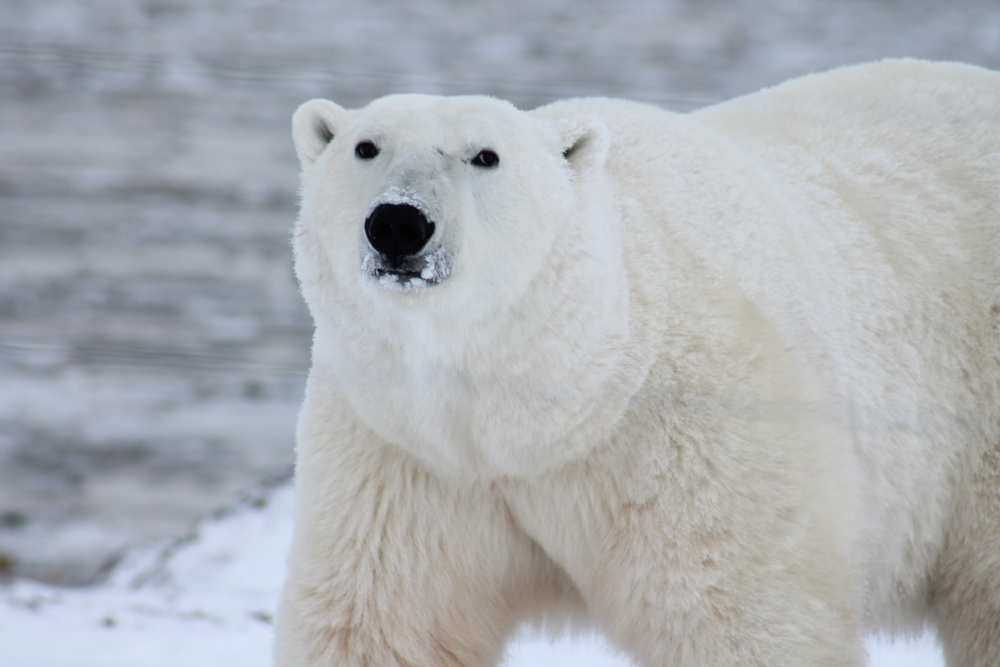
For years, polar bears have been seen as one of the clearest victims of climate change, closely tied to the fate of Arctic sea ice.

As that ice disappears, scientists have warned that the bears’ ability to hunt seals—and survive—would decline. But recent observations from the Arctic are complicating that picture.

In parts of the Arctic, some polar bears appear to be gaining weight, even as their traditional hunting grounds shrink, raising new questions about how adaptable the species may be.
Read more

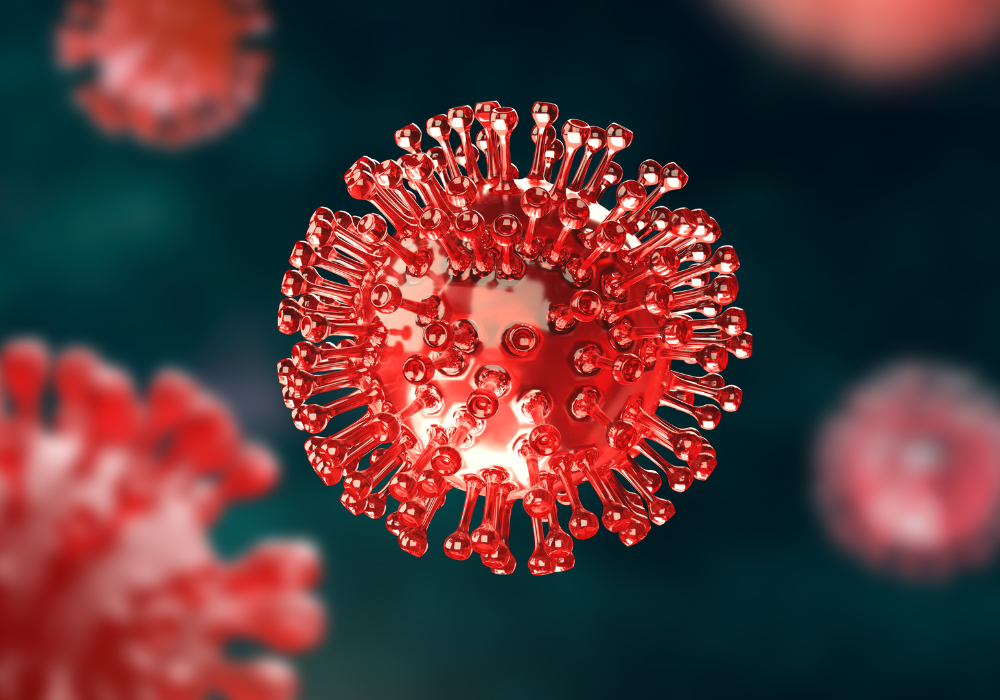
Leftover Pieces of COVID-19 Can Target and Kill Important Immune Cells, Study Finds

New research suggests fragments of the virus can linger, group together, and damage immune defenses long after infection.

©Image license via Canva

For many people, COVID-19 doesn’t fully end when the virus leaves the body. Scientists are increasingly finding evidence that remnants of the virus can persist and continue interacting with the immune system in unexpected ways.

Recent laboratory research shows that pieces of the coronavirus may band together and actively kill key immune cells. These findings offer a possible explanation for lingering immune problems and some of the symptoms reported by people with long COVID.

Read more

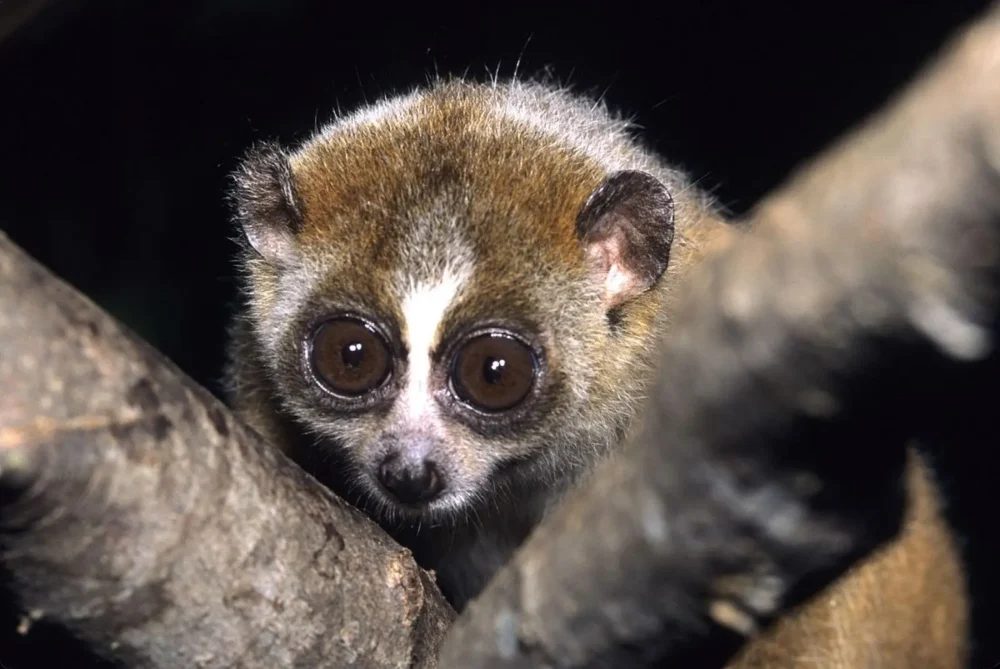
This Big-Eyed Baby Primate Is Adorable—and Surprisingly Venomous

Born in a conservation program, the newborn belongs to the only primate species known to produce venom.

©Image license via Animalia.bio

At first glance, the wide eyes and tiny hands make this newborn primate look impossibly gentle. Its soft fur and careful movements give it the appearance of a living plush toy, more cuddly than dangerous.

But this baby, born at the Bronx Zoo, belongs to one of the most unusual primate species on Earth. Despite its sweet looks, it carries a rare and powerful biological defense.

The newborn is a pygmy slow loris, a critically endangered primate and the only one known to produce venom. Its birth highlights a species that blends cuteness, danger, and conservation urgency in a way few animals do.

Read more

Why Changes in Global Climate Patterns Matter More to the U.S. Than You Might Think

Scientists say the climate is flipping, and the U.S. won’t escape the fallout.

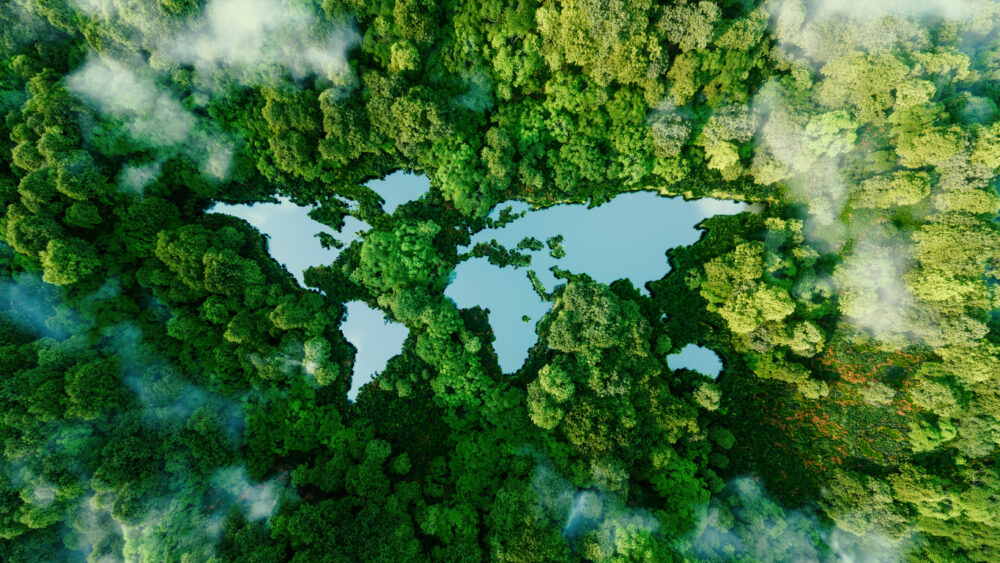
Dense forest landscape, world map-shaped lake center, overhead view, morning misty light, editorial travel photo, no people.
©Image license via iStock

Global climate patterns are shifting in ways we’ve never seen before—and the U.S. is already feeling the fallout. As jet streams wobble, ocean currents weaken, and polar systems behave unpredictably, the weather we’ve come to expect is quickly becoming a thing of the past. These changes aren’t happening decades from now—they’re unfolding right now, quietly reshaping everything from farming and housing to energy and insurance.

You might think it’s just another weird weather year, but it’s actually part of a massive global reversal with long-term consequences. From unexpected freezes in the South to wildfire seasons that never end, the climate playbook is being rewritten. And if you live in the U.S., your local forecast might never be the same again.

Read more

The Uncomfortable Truths About Zoos Few Visitors Think About

What happens behind the scenes often challenges how people think about zoos.

©Image license via Canva

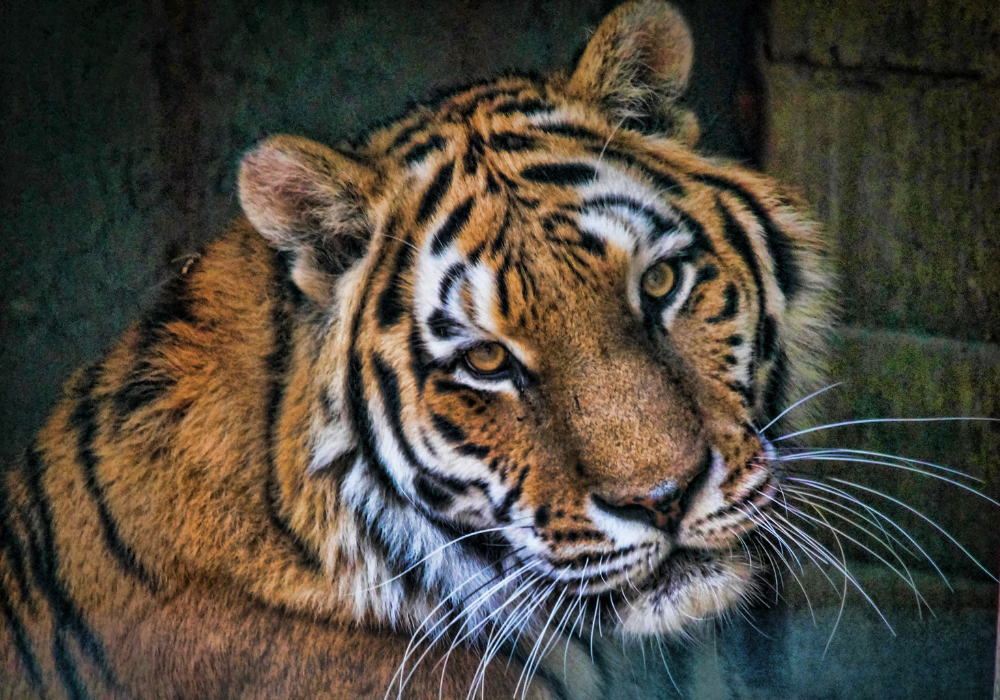
More tigers live in cages across the U.S. than exist in the wild, a startling fact that reveals the hidden cost of captivity. While zoos often brand themselves as conservation champions, less than 10% of animals in their care are endangered species. And a 2017 YouGov survey found one in four adults are now more opposed to zoos than a decade earlier. Behind the glossy exhibits lie unsettling truths about what captivity really means.

Read more

If You Always Feel Tired, These Overlooked Reasons Might Explain Why

Everyday habits, subtle health issues, and hidden stressors can quietly drain your energy without you realizing it.

White couch, businesswoman face down, arm draped holding pink book, soft daylight, editorial travel photo, one person.
©Image license via iStock

Feeling tired all the time can be frustrating, especially when it starts to feel normal. Many people assume constant fatigue is just part of modern life, but experts say ongoing tiredness is often a sign that something small but important is being overlooked.

Energy levels are shaped by sleep quality, daily routines, nutrition, and mental load, not just how busy you are. Identifying the real reasons behind persistent fatigue can make it easier to regain focus, motivation, and stamina.

Read more

If Your Phone Battery Is Dying Faster Than Ever, This Is Probably Why

Modern phone habits and hidden settings are quietly draining batteries faster than most users expect.

©Image license via Canva

If your phone battery seems to lose power faster than it used to, you’re not imagining it. Many people notice sharp drops in battery life long before their phone feels “old.” While aging hardware plays a role, experts say everyday habits, software features, and behind-the-scenes processes are often bigger culprits.

Modern smartphones are constantly working, even when they’re in your pocket, and small changes in how you use them can make a noticeable difference. Understanding what’s really draining your battery is the first step toward making it last longer each day.

Read more

115,000-Year-Old Footprints Are Changing What Scientists Thought About When Humans Spread

New dating suggests humans reached unexpected places far earlier than established timelines assumed.

©Image license via Canva

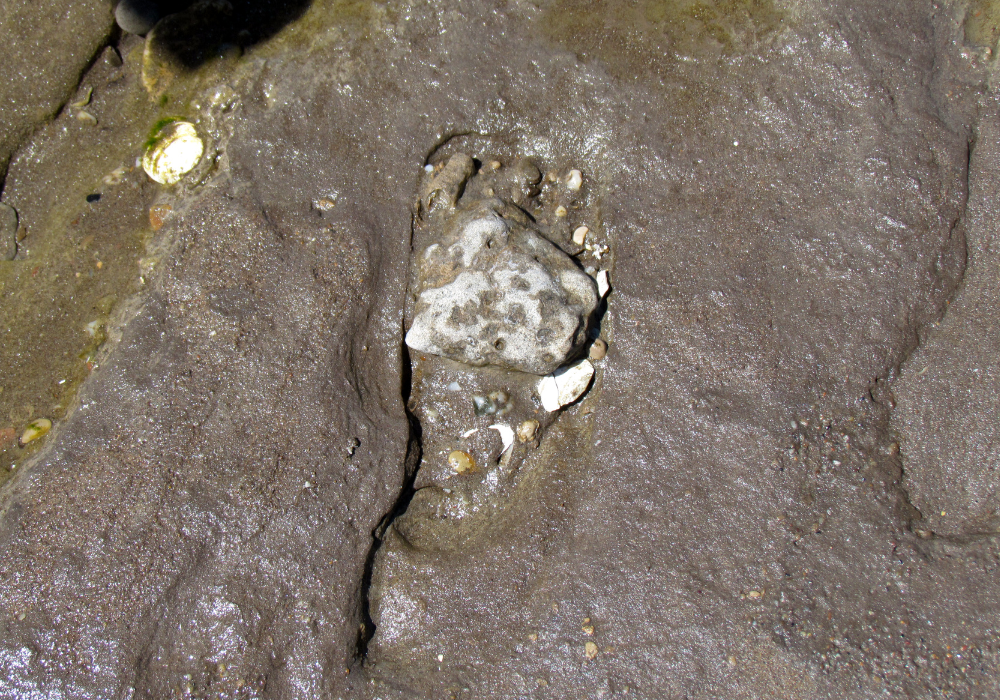
Archaeologists have uncovered something astonishing in Saudi Arabia’s Nefud Desert: 115,000-year-old human footprints preserved in the mud of a long-vanished lake. The discovery challenges long-held beliefs that this harsh, arid region was uninhabitable for early humans.

According to research published in Science Advances in 2020, the prints are the oldest known human footprints on the Arabian Peninsula. Alongside them were tracks from elephants, camels, and other animals, revealing that the desert was once a vital watering hole. Scientists say the find could rewrite humanity’s migration timeline and show just how adaptable our ancestors truly were.

Read more

Science Says This Weird Signal May Reveal When Someone Is Really Listening

Researchers found a small, involuntary response that changes when the brain is deeply focused on understanding speech.

©Image license via Canva

Knowing whether someone is truly listening can be surprisingly difficult, even in face-to-face conversation. A recent neuroscience study led by researchers at the Dartmouth College suggests the brain may reveal the answer without a single word being spoken.

By measuring subtle physiological responses during conversation, scientists identified a signal that reliably shifts when a person is genuinely engaged.

The finding doesn’t rely on body language or eye contact, but on an automatic response most people never notice, offering new insight into how attention works in real time.

Read more

These Popular Tech Features Collect More Data Than Most Users Expect

Many everyday settings quietly gather more information than people realize, often in the background.

©Image license via Canva

Smartphones, apps, and connected devices are designed to feel helpful and seamless. But that convenience often comes with a tradeoff that isn’t always obvious.

Many popular tech features collect far more data than users expect, sometimes continuously and sometimes even when the feature doesn’t seem active.

Understanding which tools gather the most information—and why—can help people make more informed choices about what they enable, adjust, or turn off entirely.

Read more