11 Signs Your Insurance Company May Dump You After the Next Natural Disaster

Rising climate risks mean your “guaranteed” coverage might not be so guaranteed.

Worried couple looking at computer. ©Image license via Canva

You pay your insurance premiums faithfully, trusting your provider will have your back when disaster strikes. But here’s the harsh truth—some insurance companies are already planning their exit before the next storm even forms. With wildfires, floods, hurricanes, and other natural disasters on the rise, insurers are scrambling to protect their bottom line—and that often means dropping you. Fast.

Homeowners across the country are waking up to cancellation notices or steep rate hikes right when they need protection the most. These red flags can help you spot the warning signs early—before you’re left uninsured when you need it most.


Read more

More Women Are Finally Getting ADHD Diagnoses—Here Are 12 Reasons Why

Late diagnoses are revealing how deeply society misunderstood female brains.

Woman covering her eyes. ©Image license via Canva

For decades, ADHD was seen as a hyper boy’s condition—fidgeting in classrooms, blurting out answers, bouncing off the walls. Meanwhile, girls who quietly struggled to focus, finish tasks, or manage their emotions were often labeled “spacey,” “moody,” or “lazy.”

The truth is, their symptoms didn’t match the loud, disruptive behaviors doctors were trained to spot. As more research shines a light on how ADHD presents in women, a flood of overdue diagnoses is finally happening.

From hormonal changes to high-functioning masking, women are piecing together a lifelong puzzle that suddenly makes sense. And for many, the diagnosis isn’t a crisis—it’s a massive relief. It means they’re not broken, just misunderstood.

Read more

10 Things You Forgot You Liked Because the Algorithm Stopped Feeding Them to You

These forgotten gems show how easily digital trends erase your interests.

©Image license via Canva

Remember when you loved quirky indie films, deep-dive blogs, or lo-fi music that made you feel something? Chances are, you didn’t outgrow those things—the algorithm just stopped showing them to you. As platforms like YouTube, TikTok, Instagram, and even Spotify refine what they think you want, they quietly erase what doesn’t “perform.” That doesn’t mean your tastes changed—it means your feed did. Our digital lives are increasingly curated for engagement, not nostalgia or nuance. If you’ve felt disconnected from your former favorites, you’re not alone.

Read more

11 Ways Trump’s Immigration Crackdown Could Trigger a Grocery Crisis

Trump’s immigration raids could leave fruits, vegetables, and meat boxes bare—and prices soaring.

Farm workers in a field. ©Image license via Canva

As Donald Trump revives promises of sweeping immigration crackdowns, America’s food supply may be heading toward a full-blown crisis. Immigrant labor—much of it undocumented—is the backbone of the U.S. agricultural system, handling everything from planting and harvesting to processing and packaging. Without these workers, farms can’t function, supply chains falter, and grocery store shelves begin to thin out. The fallout won’t just be empty bins in the produce section—it could mean skyrocketing food prices, spoiled crops, and economic turmoil for rural communities.

Read more

From Sleepmaxxing to Cognitive Shuffling—These Are 2025’s Top Self-Care Hacks

These trending self-care hacks sound wild, but science says they might actually work.

Woman drawing heart on mirror. ©Image license via Shutterstock

Self-care in 2025 has officially left the realm of scented candles and cucumber eye masks. These days, it’s all about optimization—sleepmaxxing, dopamine cycling, even cognitive shuffling. What sounds like sci-fi or internet slang is actually grounded in real science and wildly popular among younger generations, especially Gen Z and Millennials. They’re not just managing stress; they’re reverse-engineering it. The new wave of wellness isn’t just about feeling good—it’s about being sharper, faster, calmer, and more resilient in a chaotic world.

Read more

Why the NWS Just Issued a ‘Do Not Enter’ Water Warning for 13 Million People

A sudden surge in currents and waves has triggered a serious hazard alert by the National Weather Service.

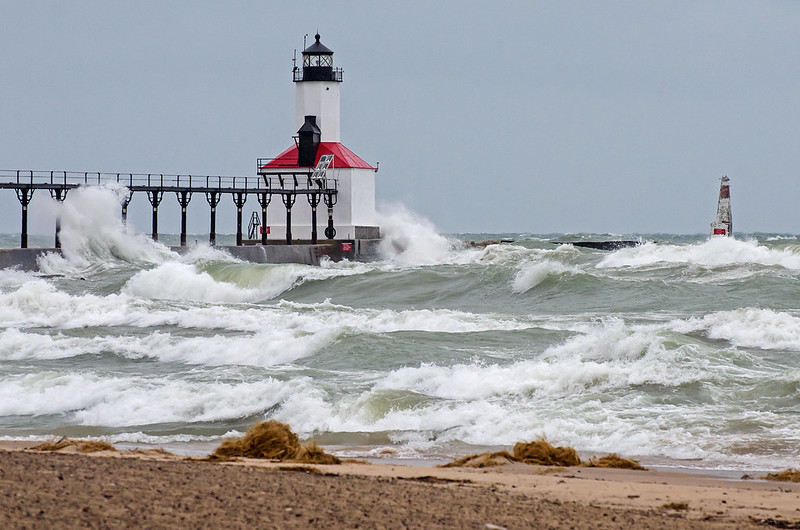
Waves on Lake Michigan. ©Image license via Canva

You may want to think twice before wading into the water this week. The National Weather Service has issued a stark “Do Not Enter” water warning affecting 13 million people due to dangerous swimming conditions across several U.S. states. From massive waves to powerful rip currents, officials are urging the public to steer clear of beaches, lakes, and piers.

Even seasoned swimmers could be caught off guard by rapidly shifting conditions that look deceptively calm. With recent drownings and rescues on the rise, lifeguards and weather experts are raising red flags—literally and figuratively—to keep this summer from turning deadly.

Read more

Dinner Parties Have Made a Comeback — 11 Ways Having Friends Over Helps Your Mind

Hosting dinner parties might be the mental health hack you never saw coming.

Friends having meal outside. ©Image license via Canva

There’s something magical happening around kitchen tables and backyard patios again. Dinner parties—the real kind, with mismatched chairs, wine-stained conversations, and way too much dessert—are back. And they’re doing more than just feeding bellies. They’re feeding our minds.

After years of isolation, screen fatigue, and fast-paced everything, people are rediscovering that sitting down with friends for a meal might just be the most nourishing thing we can do for our brains. You don’t need a Pinterest-worthy setup or gourmet flair. What matters is the laughter, the eye contact, the stories told over second helpings.

These gatherings can rewire how we feel, think, and relate—not in some lofty theoretical way, but in tangible, beautiful shifts you’ll feel for days. Here’s how dinner parties are quietly healing us from the inside out.

Read more

11 Extinct Creatures That Could Be Brought Back—Thanks to DNA Tech

Scientists aren’t just dreaming—these lost species might actually walk the earth again.

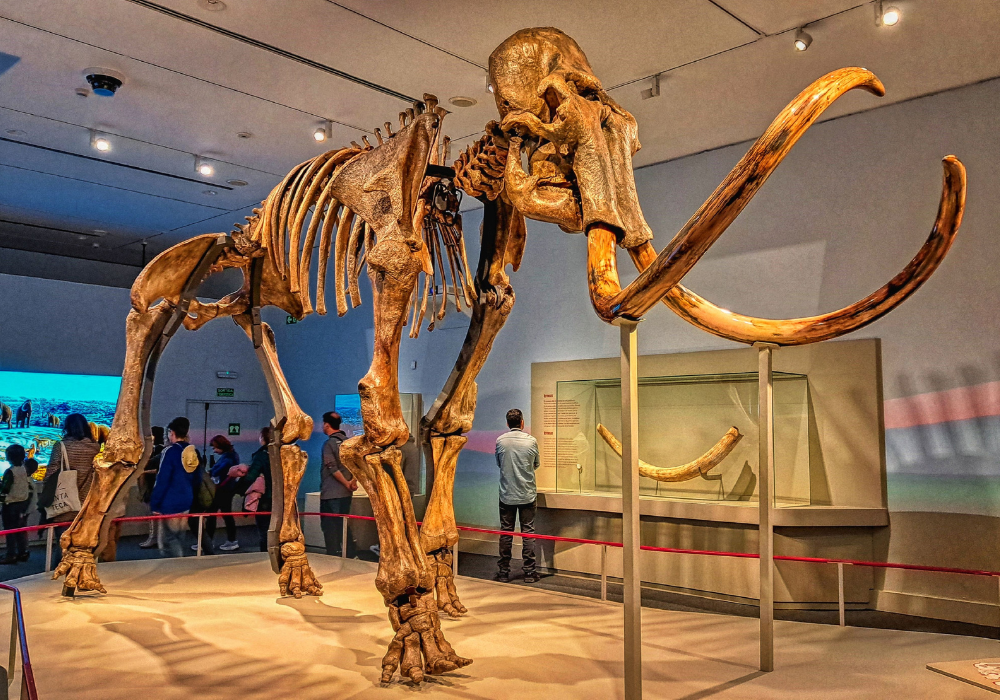
Woolly mammoth skeleton. ©Image license via Canva

You might think once an animal goes extinct, it’s gone forever. But thanks to mind-blowing advances in DNA technology, that “forever” is looking a lot shorter. Scientists are now digging into ancient bones and frozen carcasses, pulling out genetic material and asking, “What if we could bring them back?” And honestly, they just might.

We’re talking about the real possibility of seeing mammoths stroll across tundras again or hearing the eerie call of birds long silenced. It’s like Jurassic Park—without the velociraptors (we hope). If these projects work, we could be entering a new era where extinction isn’t a full stop—it’s just a pause. Here are 11 animals that could make the ultimate comeback—and what it means for the planet (and our curiosity).

Read more

Are We At the Tipping Point? Ecological Collapse Is Closer Than You Think

You might not see it yet—but the planet’s most vital systems are already unraveling.

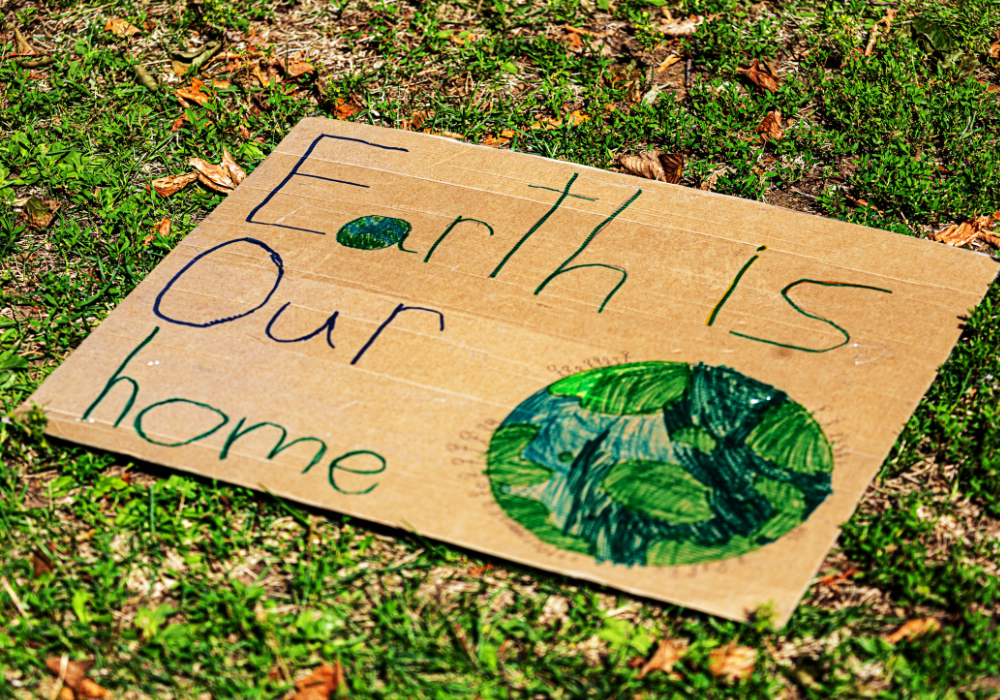
Climate action sign. ©Image license via Canva

The cracks in our planet’s systems aren’t forming—they’ve already formed. Oceans are heating up at record speed, forests are turning into carbon sources instead of sinks, and species are vanishing faster than we can count them. For years, we’ve heard warnings about the “tipping point,” as if it’s some distant red line we might cross one day.

But here’s the truth: we’re not near it—we’re standing on it. What felt theoretical a decade ago is now showing up in weather patterns, food chains, and supply chains. You don’t need to be a scientist to feel that something’s off. If you’ve been waiting for a sign to take this seriously, this is it. The future isn’t coming—it’s already reacting to our past.

Read more

EPA’s Power Plant Policy Shift —What the Rollbacks Mean for America’s Climate Future

America’s climate goals just got harder to reach with these policy pullbacks.

Environmental Protection Agency. ©Image license via Canva

The EPA’s recent proposal to ease emissions limits for fossil fuel power plants marks a pivotal moment for U.S. climate action. It’s the kind of policy change that doesn’t just make headlines—it makes you stop and wonder what future we’re steering toward. Maybe you thought we’d passed the point of rolling back environmental protections, or at least slowed that trend.

But just when it seemed like progress had a foothold, the rules around power plant emissions got a major rewrite. You deserve to know what’s really going on behind the political spin and what this means for the climate conversation moving forward. Because this isn’t just policy—it’s personal.

Read more