13 Core Values Every Generation Needs to Carry Forward

Timeless principles will guide future generations through an uncertain world.

©Image license via Canva

In an age of rapid change, it’s tempting to throw out everything old in favor of what’s new. But some values are timeless—and abandoning them risks unraveling the fabric that holds communities, families, and individuals together. While each generation must navigate its own challenges, certain foundational beliefs have proven essential to human progress and emotional well-being.

They’re not about clinging to outdated traditions—they’re about honoring the best of what’s come before while adapting to what’s ahead. These 13 core values deserve to endure across generations, shaping a more compassionate, resilient, and thoughtful future for everyone.

Read more

Think It’s Just Hoarding? 12 Ways ADHD Might Be Driving the Behavior

New research shows clutter may stem more from brain function than bad habits.

©Image license via Canva

When people think of hoarding, they often imagine a cluttered home filled with old newspapers, broken appliances, and decades of forgotten items. But for some, this behavior isn’t simply a refusal to let go—it’s deeply tied to how their brain works. ADHD (Attention-Deficit/Hyperactivity Disorder) can profoundly affect a person’s ability to organize, prioritize, and make decisions.

That means what looks like hoarding may actually be a form of executive dysfunction, emotional regulation challenges, or even sensory overload. Before you judge—or judge yourself—it’s worth looking closer. Here are 12 ways ADHD might be quietly fueling hoarding-like behaviors, offering insight into how the disorder can impact daily life in ways most people never see.

Read more

America’s Birds Are Disappearing—And It’s Worse Than Anyone Thought

A third of U.S. bird species are vanishing—and nearly 80 are in freefall.

©Image license via Canva

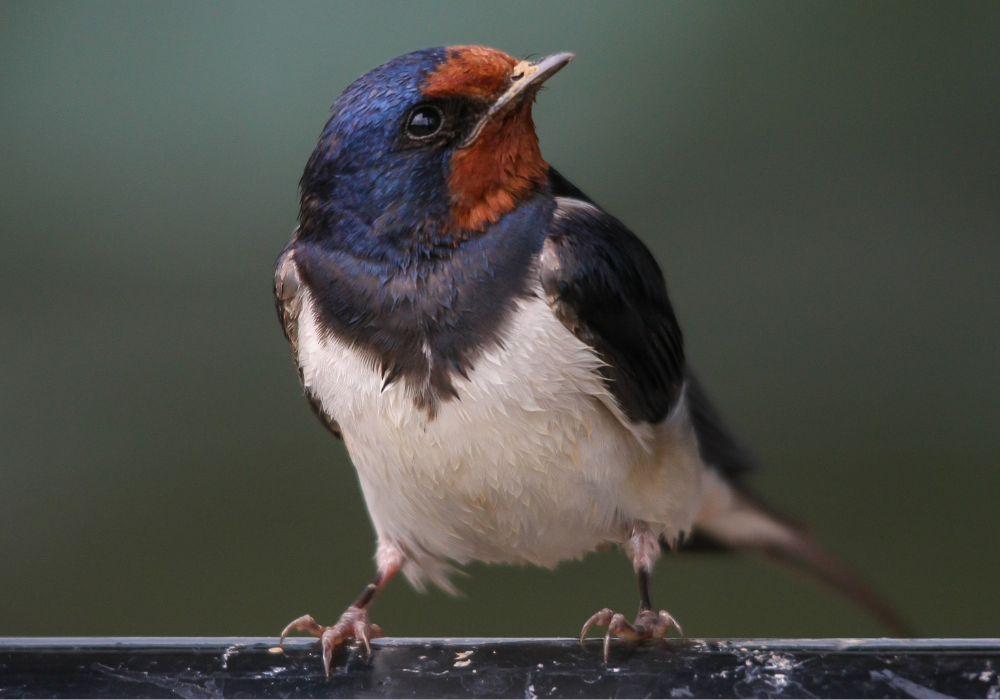
The State of the Birds 2025 report delivers a sobering wake-up call: one-third of all bird species in the United States are now in decline. Nearly 80 species have lost more than half their populations over the past five decades—and they’re still disappearing. Compiled by top conservation and scientific organizations, the report warns of an accelerating collapse tied to habitat loss, climate change, and human activity.

From songbirds to shorebirds, once-familiar species are vanishing from skies, forests, and wetlands across the country. Here’s what this alarming trend means for ecosystems, the planet, and our own future.

Read more

12 Theories That Tried to Explain Consciousness—and Still Left Us Wondering

Scientists call it “the hard problem of consciousness.” These theories still don’t crack it.

©Image license via Canva

Consciousness is the most intimate experience we have—yet it remains one of science’s most persistent mysteries. What allows us to think, feel, and be aware of ourselves? For centuries, philosophers, neuroscientists, and mystics have tried to crack the code, proposing bold theories to explain this elusive force behind our thoughts.

Some place consciousness in the brain’s wiring. Others look to quantum mechanics or even the universe itself. Yet none have delivered a definitive answer. These 12 fascinating theories have shaped how we understand the mind, but each leaves us with more questions than certainty.

Read more

Frogs Are Dying of Heat Stress—And the Whole Ecosystem Is Paying the Price

These tiny amphibians can’t beat the heat—and their collapse is triggering a domino effect.

©Image license via Canva

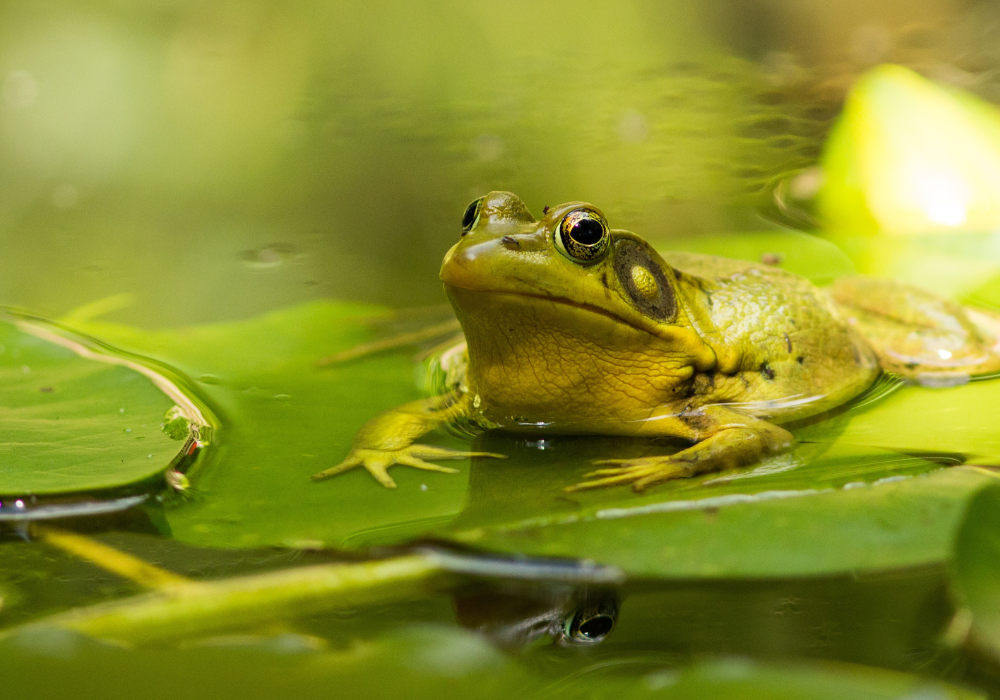
Frogs might seem like small players in the natural world, but they’re ecological powerhouses—keeping insect populations in check, feeding predators, and serving as early warning systems for environmental stress. Now, as heatwaves grow longer and more intense, frogs around the globe are dying in record numbers from heat stress and dehydration.

Their moist, permeable skin and dependence on water make them especially vulnerable. But the impact of their decline doesn’t stop at the pond’s edge. From surging mosquito populations to starving birds and collapsing food chains, these nine ripple effects show how losing frogs puts us all at risk.

Read more

Climate Data Disappears from U.S. Sites—Why the Trump Admin Took It Down

They didn’t just bury inconvenient truth—they erased decades of climate evidence from public view.

©Image license via Canva

When the Trump administration returned to power, one of its earliest, quieter moves was also one of its most damaging: the systematic removal of climate data from U.S. government websites. From NOAA rainfall projections to NASA climate reports, essential tools for science, resilience, and transparency started vanishing from public view. The tactic was clear—limit access to facts that could disrupt fossil fuel expansion or validate urgent climate action.

But the consequences of this digital erasure stretch far beyond politics. As local leaders, researchers, and emergency planners scramble for the truth, they’re discovering just how critical—and irreplaceable—this lost data really was.

Read more

Landfills Are Filling Up Fast—Here’s What That Means for You

As global trash piles reach their limits, experts warn of rising costs, health risks, and a recycling system on the brink.

©Image license via Canva

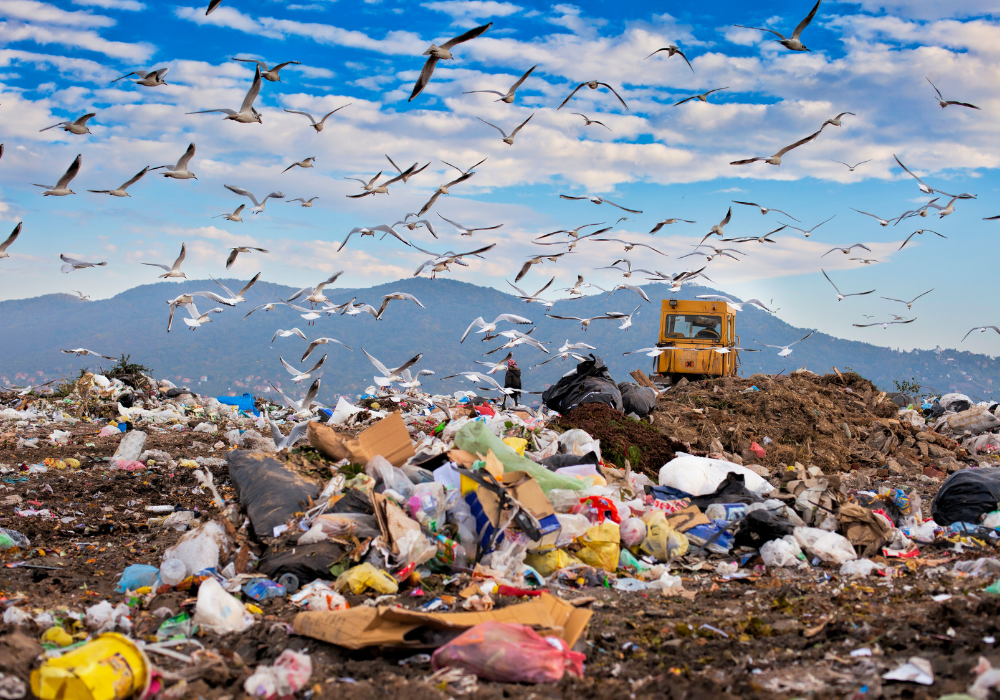
The trash you take to the curb each week may seem like it disappears—but it’s actually piling up faster than ever. Across the United States, landfills are reaching capacity decades earlier than expected, forcing communities to confront uncomfortable truths about waste, overconsumption, and environmental justice.

With more than 260 million tons of solid waste generated annually, and recycling efforts falling short, the strain is showing. From rising disposal costs to polluted groundwater and lost green space, the ripple effects are closer to home than you think. Here are 9 very real consequences of our overflowing landfills—and why they matter to you.

Read more

10 Ways China Is Leaving Us in the Dust in the Race to Power the Future

While we stall on progress, China is out-investing, out-building, and out-smarting us.

©Image license via Canva

While the U.S. clings to its legacy as a global superpower, China is charging full-speed ahead to dominate the technologies that will define the future. From electric vehicles and renewable energy to artificial intelligence and rare earth minerals, the Chinese government has poured massive investments into innovation—while America hesitates, debates, and deregulates.

This isn’t just a technological rivalry; it’s a battle for global influence, economic power, and environmental leadership. If we don’t start paying attention, we may find ourselves buying the future back from a country that’s already busy selling it to the rest of the world. Here’s how China’s winning.

Read more

40-Million-Year Shock: Fossil Footprints Rewrite Human History

This footprint find may change everything we thought we knew about humans.

©Image license via Canva

Back in 2021, a pair of amateur fossil hunters were scouring the banks of Broken River in Australia’s Victoria state when they stumbled upon something extraordinary—a set of clawed footprints fossilized in ancient rock. What they found would later send shockwaves through the scientific community. Analysis revealed the tracks dated back to the Carboniferous period—over 350 million years ago—suggesting land-walking creatures emerged 40 million years earlier than previously believed.

Though not left by humans, these prints challenge long-held assumptions about when upright locomotion began. The find forces scientists to rethink evolutionary timelines and opens the door to forgotten chapters in Earth’s deep past.

Read more

13 Things That Happen When Men Finally Start Talking About Their Emotions

Men are finally opening up—and the ripple effects are changing lives.

©Image license via Canva

For generations, men have been taught to tough it out, to bottle emotions, and to see vulnerability as weakness. But that outdated script is finally being rewritten—and the shift is profound. As more men start opening up about their emotional struggles, they’re not just improving their mental health—they’re transforming their relationships, their sense of purpose, and even their physical well-being.

Talking about emotions isn’t just some trendy wellness fad—it’s a deeply human act with real ripple effects. When men allow themselves to feel, express, and process, they unlock parts of life they didn’t know they were missing.

Read more