Wetlands Are Vanishing—Here Are 11 Reasons the World Should Be Alarmed

From rising seas to reckless development, wetland loss is accelerating—and the consequences for biodiversity and climate resilience are staggering.
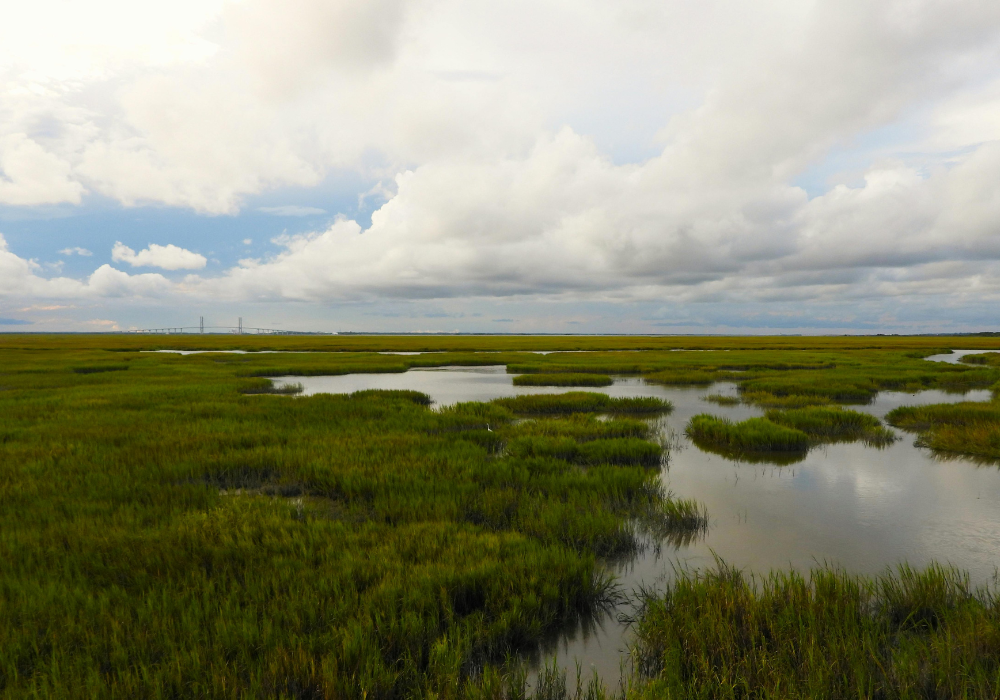
©Image license via Canva

Wetlands have long been misunderstood—once dismissed as swamps, bogs, or mosquito-filled wastelands. But they’re among the planet’s most important ecosystems, acting as buffers against floods, filters for clean water, and sanctuaries for wildlife. Now, they’re disappearing at an alarming rate. Human development, pollution, and climate change are destroying wetlands faster than they can recover, and global efforts to protect them are falling apart.

As sea levels rise and extreme weather worsens, losing wetlands puts communities, biodiversity, and climate stability at serious risk. This isn’t just an environmental issue—it’s a crisis that threatens life on Earth in deeply interconnected ways.

Read more

Jaguars Are Reclaiming Brazil’s Burned Wetlands—and It’s the Comeback No One Expected

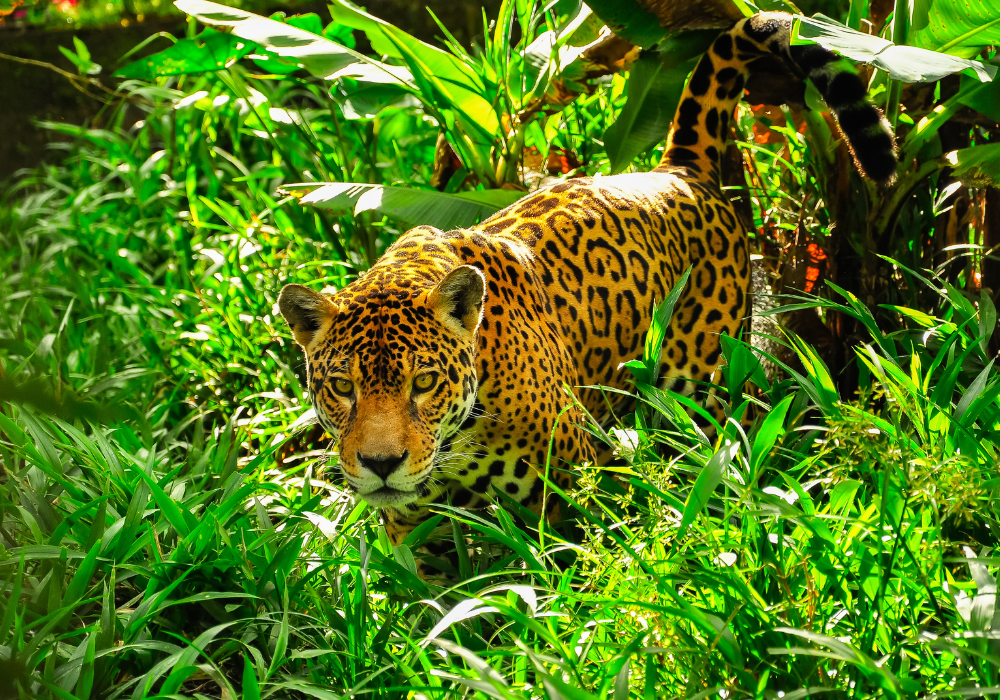
©Image license via Canva

When Brazil’s wetlands went up in flames, most experts feared the jaguars had vanished with them. After all, how could a solitary, land-roaming predator survive one of the most catastrophic wildfire seasons the region has ever seen?

But against the odds—and to the surprise of ecologists—jaguars are coming back. Not just one or two, but entire populations are slowly reappearing in the fire-scorched landscapes they once ruled. Their return is more than just a wildlife story. It’s a symbol of both the fragility of our ecosystems and their fierce determination to heal. This unexpected comeback offers a rare glimpse into nature’s resilience—even after devastation.

But it also reveals the stakes: if we don’t protect what’s left, this miracle rebound could be short-lived. Here are 10 remarkable facts about the jaguars’ return that show why this moment matters more than most people realize.

Read more

Could Fewer People Actually Save the Earth?

As birth rates fall across the globe, experts are rethinking what it means for the planet’s survival.

©Image license via Canva

We’ve spent decades sounding the alarm about overpopulation—but what happens when the world starts going the other direction? Birth rates are plummeting in dozens of countries, and some nations are already seeing shrinking populations. It’s triggering economic panic, but there’s another side to the story that’s getting less attention: the climate.

With fewer people comes lower demand for energy, food, housing, and transportation. Less consumption could mean less carbon. It raises a wild question—could population decline be an unexpected ally in the fight against climate change? The answer isn’t simple, but it’s more intriguing than most people realize.

Read more

13 Surprising Ways Your Brain Is Making You More Afraid Than You Need to Be

Psychologists explain how your brain’s ancient fear system still influences modern decision-making.

©Image license via Canva

Ever find yourself panicking over something that never happens? Or lying awake at night, playing out every worst-case scenario? You’re not broken—your brain is doing exactly what it evolved to do: keep you safe. The problem? It’s working overtime in a world that’s very different from the one it was designed for.

Psychologists call this the negativity bias, and it means we’re naturally wired to notice threats, remember bad news, and fixate on what could go wrong. That bias might’ve kept our ancestors alive, but today, it’s making many of us more anxious than necessary—and often without us even realizing it.

Read more

10 Powerful Ways Minimalism Helps Save the Planet

Sustainable living doesn’t have to be complicated—minimalism offers simple, eco-friendly ways to fight climate change.

©Image license via Canva

Minimalism isn’t just about white walls, capsule wardrobes, or tossing out old junk. At its core, it’s about living with intention—and that mindset naturally aligns with protecting the environment. Every item we consume leaves a mark: carbon emissions, packaging waste, resource extraction.

So when you embrace minimalist living, you’re not just simplifying your life—you’re shrinking your environmental impact. From reducing overconsumption to cutting energy use, minimalism can be a powerful tool for climate action. You don’t have to be an activist to live sustainably.

Read more

Millions of Teens Report They Won’t Ever Have Kids Due to Climate Change—Here’s Why

A new global study reveals how climate fears are reshaping teenagers’ views of parenthood.

©Image license via Canva

The future is feeling less certain for the next generation—and they’re making life-altering decisions because of it. In a 2022 Harris Poll, 1 in 4 U.S. teens said they may never have children due to fears about climate change. That’s not just hesitation—it’s a profound shift in how young people view their place in the world.

For many, the decision isn’t just personal; it’s ethical, practical, and emotional. They’re weighing the risks of bringing children into a world of rising seas, burning forests, and extreme weather. It’s a form of protest, but also of heartbreak. And while some dismiss it as dramatic, these choices are rooted in real data, deep anxiety, and moral reckoning.

Read more

10 Disturbing Ways the Government Is Silencing Climate Science

How climate denial is creeping into policy decisions and weakening U.S. environmental protections.

©Image license via Canva

In recent months, scientists and policy experts have warned of a troubling shift in how the U.S. government handles climate change. Harvard-affiliated policy expert Robert Aldy described the current approach as a “low-information” model—one that sidelines climate data, weakens regulatory power, and minimizes environmental oversight.

These changes, critics argue, go beyond neglect; they represent an intentional undermining of scientific integrity and climate preparedness. As key agencies lose funding, staffing, and authority, America’s ability to address climate risks is quickly eroding. The result is a growing concern that climate science is being sidelined at a time when clear, data-driven policy is more critical than ever.

Read more

9 Rare Planetary Phenomena You Didn’t Know Were Affected by Climate Change

Discover surprising ways climate change is impacting Earth’s most unusual natural wonders—and why these shifts matter more than you think.

©Image license via Flickr

Earth is home to some truly rare and stunning natural phenomena—events so unique, they captivate scientists and nature lovers alike. But few realize that climate change is quietly reshaping these extraordinary wonders, altering how they appear and behave in ways that could ripple through ecosystems and human cultures.

Curious about what’s changing in the planet’s most unusual displays? Explore these rare planetary phenomena and discover the surprising—and urgent—impacts climate change is having on our world’s most exceptional natural spectacles.

Read more

11 Chilling Clues That the Sixth Mass Extinction Has Already Begun

Scientists say Earth is losing biodiversity at a terrifying rate—and the sixth mass extinction may already be underway.

©Image license via Canva

Mass extinction isn’t just ancient history—it’s happening now, and scientists say we’re entering the sixth one. According to biologist Gerardo Ceballos in an article for SciNews, vertebrate species are vanishing up to 114 times faster than the natural background rate—meaning what should have taken up to 10,000 years is happening within a single century .

Drivers like climate change, habitat destruction, pollution, and overexploitation are pushing Earth’s biodiversity to collapse. From insects to mammals to coral reefs, ecosystems are collapsing faster than we thought. This isn’t a future warning—it’s a present reality.

Read more

Are Your Fur Babies Secretly Fueling Climate Change? 11 Eye-Opening Facts

How your pet’s daily routine might be leaving a bigger carbon pawprint than you realized.

©Image license via Canva

We love our pets like family—sometimes even more than our human relatives. But while you’re tossing them a treat or scooping kibble into their bowl, have you ever wondered what their carbon pawprint looks like?

As climate change becomes harder to ignore, every aspect of our lifestyle—yes, even pet ownership—is coming under scrutiny. From their food to their waste to their toys and accessories, our four-legged companions may be contributing more to global warming than you’d think. That doesn’t mean giving up your beloved furball, but it does mean becoming more aware.

These facts might make you rethink how you shop, feed, and care for your pet—and they’ll arm you with the knowledge to be a more eco-conscious pet parent. Ready to find out if your fur baby is part of the problem—or the solution?

Read more