How One City Solved Two Problems by Turning Garbage Into Electricity

Waste-to-energy technology transforms municipal garbage into clean electricity, reducing landfill waste while powering thousands of homes.
©Image license via Canva

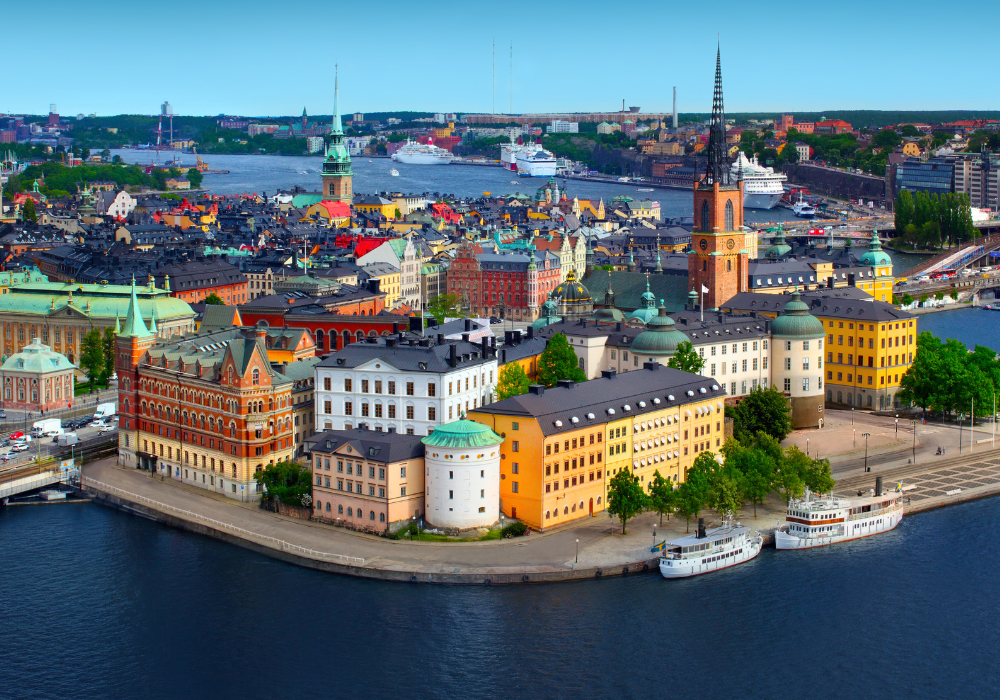
Stockholm, Sweden, has pulled off something amazing: they’ve turned their trash problem into free energy. The city burns almost all of its garbage to create electricity and heat for hundreds of thousands of homes. This isn’t some small experiment—Stockholm now powers 250,000 homes and heats nearly a million apartments just by burning what most cities bury in the ground.

The program works so well that Stockholm actually imports garbage from other countries because they don’t produce enough trash to keep their power plants running. What started as a waste problem has become a money-making energy business.

Read more

Why Your Electric Bill Could Double Thanks to the AI Boom

AI data centers consume massive amounts of electricity, forcing utilities to raise rates and strain power grids nationwide.

©Image license via Canva

Your monthly electric bill is about to get a lot more expensive, and the culprit isn’t your air conditioner or old appliances — it’s artificial intelligence. Industry analysts predict that AI’s massive electricity demands could increase the average American household’s electric bill by 20-30% over the next five years as utilities scramble to build the infrastructure needed to power the AI revolution.

The AI transformation of everything from search engines to smartphones requires massive amounts of electricity to power the data centers where all that computing happens. What most people don’t realize is that training a single AI model can consume as much electricity as hundreds of homes use in an entire year.

Read more

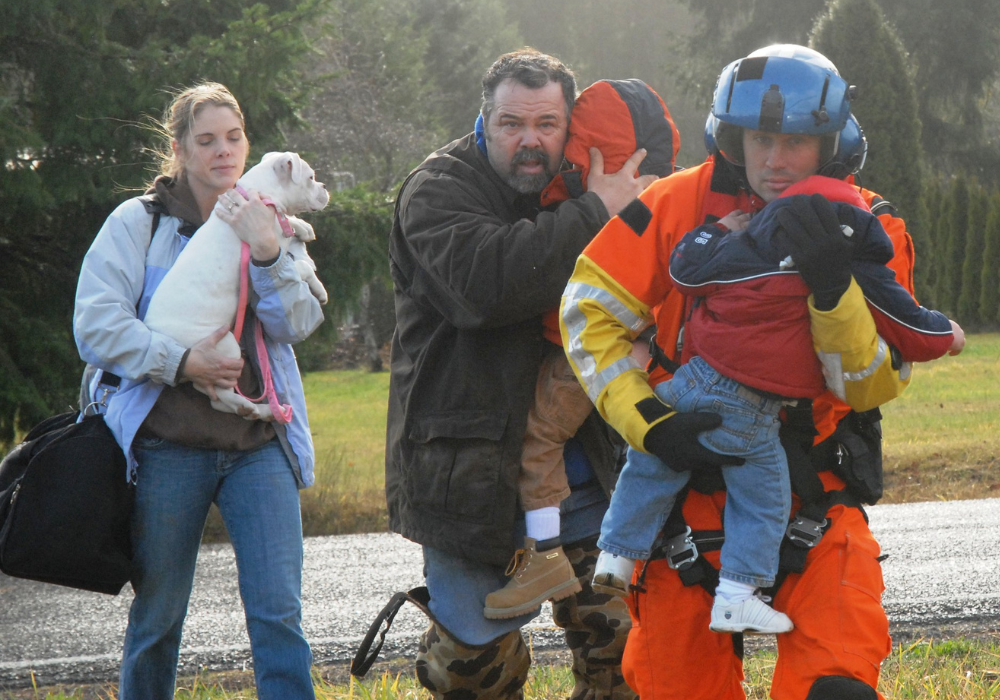
The Hidden Mental Health Crisis Flood Survivors Don’t Talk About

Natural disasters leave lasting psychological wounds that can persist for years, but mental health support often disappears quickly.

©Image license via Flickr

When the floodwaters recede and the cameras leave, flood survivors face an invisible battle that can last for years. While communities focus on rebuilding homes and businesses, many people struggle with anxiety, depression, and post-traumatic stress that develops long after the initial disaster.

Studies show that up to 40% of flood survivors develop serious mental health problems, but these psychological wounds often go untreated because the focus shifts to physical recovery. The trauma isn’t just about losing possessions—it’s about feeling helpless, unsafe, and fundamentally changed by an experience that turned life upside down in a matter of hours.

Read more

What Happens When an Entire Community Grows Everything They Eat

How one village ditched grocery stores, reduced food costs by 80%, and created a sustainable farming revolution.

©Image license via Canva

Imagine never worrying about rising grocery prices, empty shelves, or whether your food is fresh and healthy. In a small village nestled in the mountains of northern Spain, this isn’t a fantasy—it’s daily life. The 300 residents of Marinaleda have created something extraordinary: a completely self-sufficient food system where every meal comes from their own soil.

Through innovative community farming, cooperative gardens, and neighbor-to-neighbor sharing, they’ve eliminated food insecurity while building stronger social bonds. Their remarkable transformation offers a glimpse into how communities everywhere might reimagine their relationship with food.

Read more

Is Your ZIP Code Becoming Uninsurable? The New Risk Map

Why insurers are retreating in high-risk ZIPs — reinsurance shocks, stricter rules, and what lowers your profile.

©Image license via Canva

Climate-driven losses and soaring reinsurance costs are redrawing the insurance map. From wildfire belts in the West to surge-prone coasts, carriers are canceling renewals, tightening terms, or exiting entire ZIP codes. Even places without a recent disaster are feeling the squeeze as statewide and regional risk gets repriced.

For homeowners, the stakes are simple: fewer options, higher premiums, and stricter requirements. Knowing the warning signs—and which steps actually lower risk—can determine whether you keep affordable coverage.

Read more

Stay or Go? Life on the Edge of a Disappearing Coast

Coastal towns face a tough choice: rebuild after every storm or retreat to safety—both options have steep costs.

©Image license via Canva

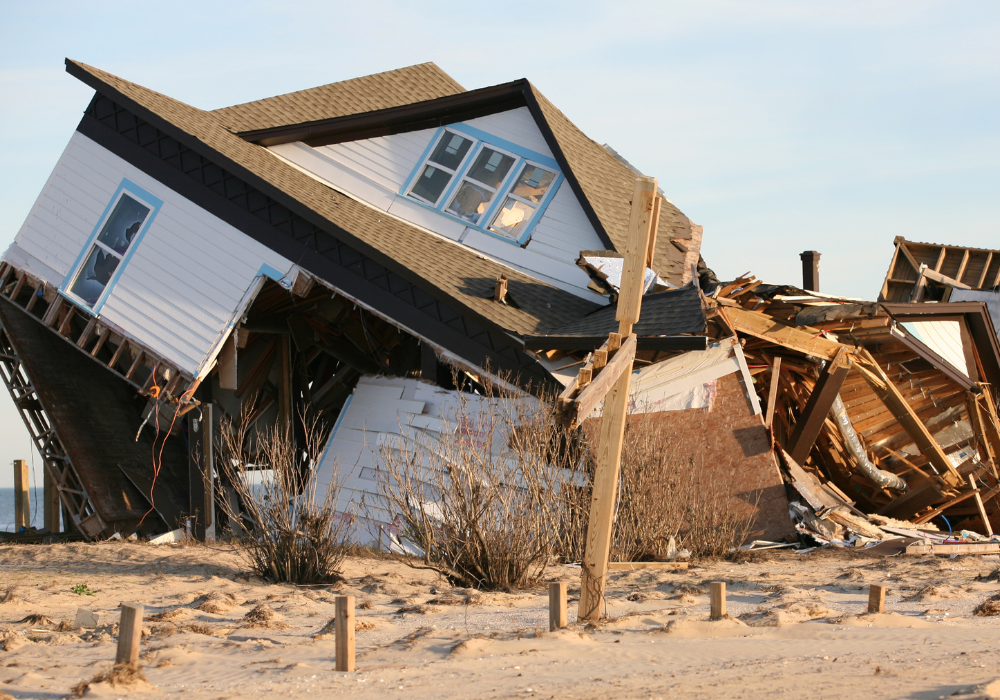
Flooded roads, failing septic systems, and swamped neighborhoods are becoming a regular scene along barrier islands and low-lying estuaries. After every big storm, towns face the same question: do we raise and reinforce—or pack up and move? Managed retreat isn’t waving a white flag; it’s a strategy to get people out of high-risk zones before the next hit.

Rebuilding isn’t easy either. As risk rises, so do costs—and insurance, FEMA maps, and lending rules keep shifting. The smartest approach blends tougher building codes, nature-based defenses, and strategic buyouts, giving people, budgets, and communities a real shot at thriving for the next decade, not just surviving the next storm.

Read more

10 Extreme Weather Events That Changed The World Forever

From volcanic winters to deadly hurricanes, these extreme weather disasters killed millions and reshaped entire civilizations.

©Image license via Canva

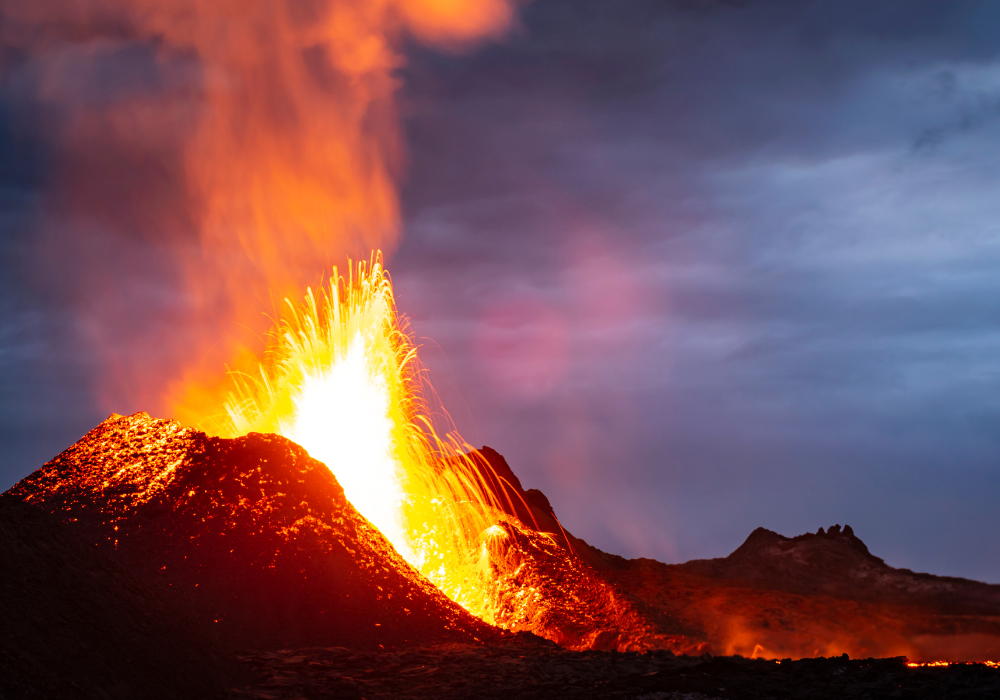
Dr. Brian Fagan from UC Santa Barbara has spent decades studying how extreme weather shaped human history, and his research reveals something most people never consider: some of the most pivotal moments in civilization were actually driven by weather disasters.

These weren’t just bad storms that people recovered from — they were climate catastrophes that ended civilizations, triggered mass migrations, and changed the course of human development forever.

Throughout history, there have been weather events so extreme and devastating that they literally altered the trajectory of entire societies, toppled empires, and reshaped the world map. The scary part is that climate change is now creating conditions for similar catastrophic weather events that could reshape our modern world just as dramatically.

Read more

Scientists Confirm Earlier Wildfire Seasons Are the New Normal in California

A new study shows climate change is pushing California’s wildfire season up by nearly two months — redefining ‘fire season’ forever.

©Image license via Picryl

For decades, Californians could count on wildfire season starting around late summer and ending when the rains returned in fall. Those predictable patterns are now completely gone, replaced by a terrifying new reality where fires can start in January and burn through December.

What used to be “fire season” has become “fire year,” and scientists have the data to prove this isn’t temporary — it’s the new permanent normal. Fire researcher Dr. A. LeRoy Westerling from UC Merced has been tracking California wildfire patterns for over 20 years, and his latest research shows that fire seasons now start 75 days earlier and end 50 days later than they did in the 1970s.

This means California is facing an additional four months of fire danger every year, fundamentally changing how people must live, work, and plan their lives in the Golden State.

Read more

Antarctica’s Sea Ice Hits Record Low, Scientists Sound Alarm

A dramatic drop in Antarctic sea ice is reshaping climate predictions worldwide.

©Image license via Canva

Antarctica has always been the poster child for stability in a rapidly changing world — a massive, frozen continent that seemed immune to the climate chaos affecting everywhere else. But that reassuring image just shattered completely.

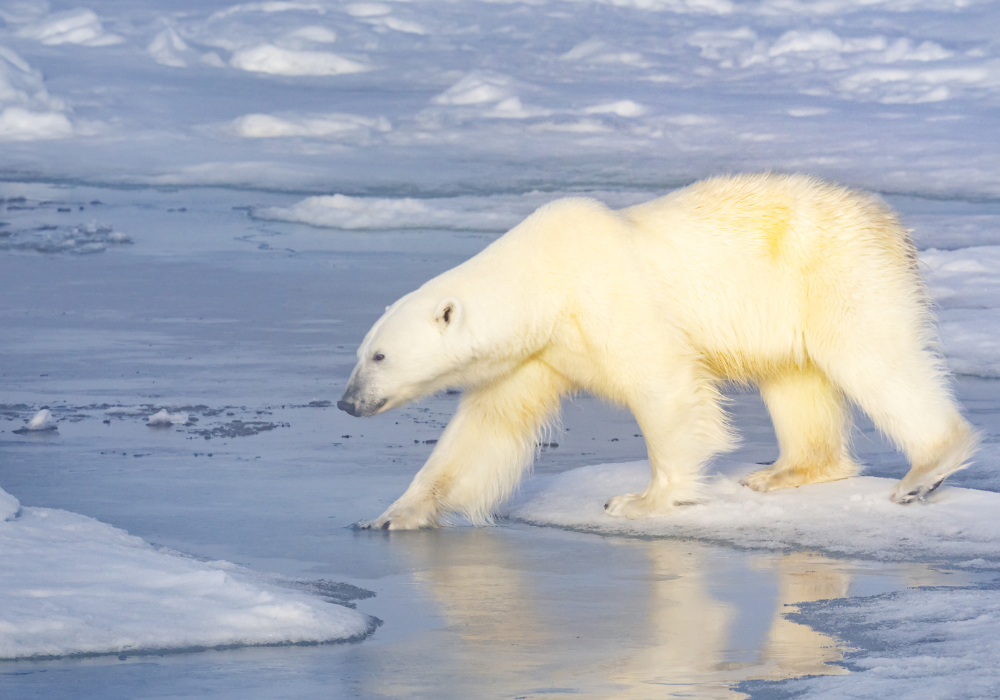
Antarctic sea ice has plummeted to the lowest levels ever recorded, and the implications are terrifying scientists who study polar regions for a living. What makes this especially alarming is that Antarctic ice was actually increasing for years while Arctic ice melted, leading many people to believe the bottom of the world was somehow protected from climate change.

Glaciologist Dr. Ted Scambos from the University of Colorado has been studying Antarctic ice for three decades, and he’s never seen anything like what’s happening right now. The ice that took thousands of years to accumulate is disappearing in a matter of months.

Read more

The Ancient ‘Memory Palace’ Technique That Reverses Anxiety in 20 Minutes

Neuroscientists reveal how ancient memory visualization method rewires anxious brain pathways and provides instant relief from racing thoughts and worry.

©Image license via Canva

What if ancient Greek orators had the key to conquering modern anxiety all along? Dr. Isabella Wagner from Radboud University Medical Center recently proved that the “memory palace” technique—used by Roman rhetoricians 2,000 years ago—can literally rewire anxious brain pathways in just 20 minutes. Brain imaging studies show that people using this method create more robust neural networks linking the prefrontal cortex, hippocampus, and visual cortex.

But here’s the breakthrough: mental health experts are now discovering that the same spatial memory system that helps “memory athletes” recall thousands of facts can be used to instantly access calm, positive mental states when anxiety strikes. The technique works by transforming your familiar spaces into mental refuges filled with soothing memories and coping resources.

Read more