
Are We At the Tipping Point? Ecological Collapse Is Closer Than You Think

You might not see it yet—but the planet’s most vital systems are already unraveling.
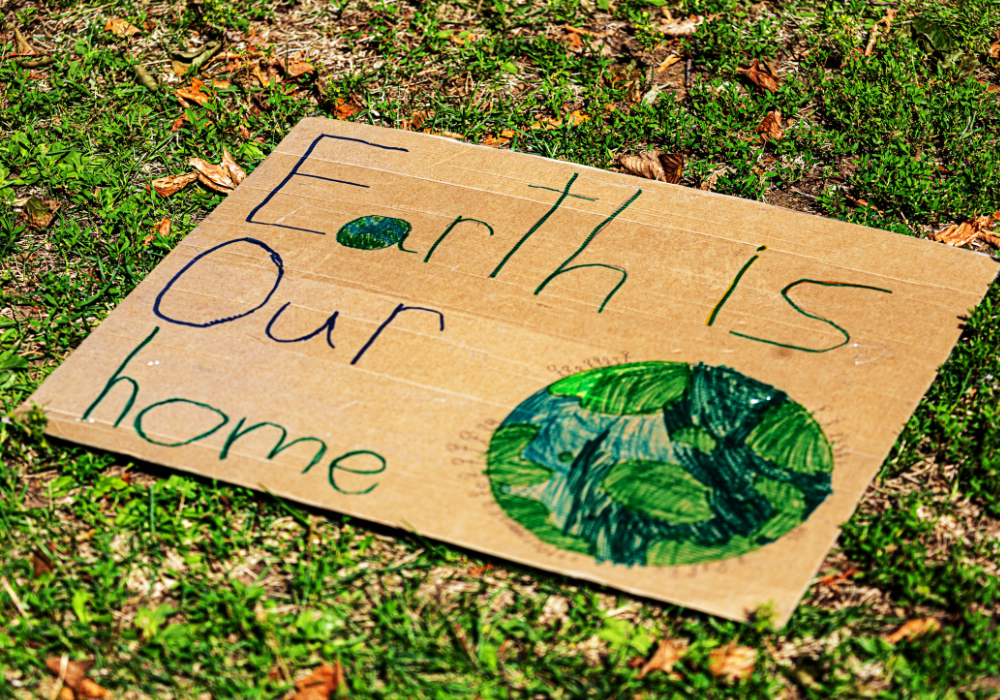
Climate action sign. ©Image license via Canva

The cracks in our planet’s systems aren’t forming—they’ve already formed. Oceans are heating up at record speed, forests are turning into carbon sources instead of sinks, and species are vanishing faster than we can count them. For years, we’ve heard warnings about the “tipping point,” as if it’s some distant red line we might cross one day.

But here’s the truth: we’re not near it—we’re standing on it. What felt theoretical a decade ago is now showing up in weather patterns, food chains, and supply chains. You don’t need to be a scientist to feel that something’s off. If you’ve been waiting for a sign to take this seriously, this is it. The future isn’t coming—it’s already reacting to our past.

Read more

EPA’s Power Plant Policy Shift —What the Rollbacks Mean for America’s Climate Future

America’s climate goals just got harder to reach with these policy pullbacks.

Environmental Protection Agency. ©Image license via Canva

The EPA’s recent proposal to ease emissions limits for fossil fuel power plants marks a pivotal moment for U.S. climate action. It’s the kind of policy change that doesn’t just make headlines—it makes you stop and wonder what future we’re steering toward. Maybe you thought we’d passed the point of rolling back environmental protections, or at least slowed that trend.

But just when it seemed like progress had a foothold, the rules around power plant emissions got a major rewrite. You deserve to know what’s really going on behind the political spin and what this means for the climate conversation moving forward. Because this isn’t just policy—it’s personal.

Read more

Would You Know What to Do in a Flash Flood? These 11 Survival Tips Could Save Your Life

These tips aren’t just smart—they’re what experts say could keep you alive when the water hits.

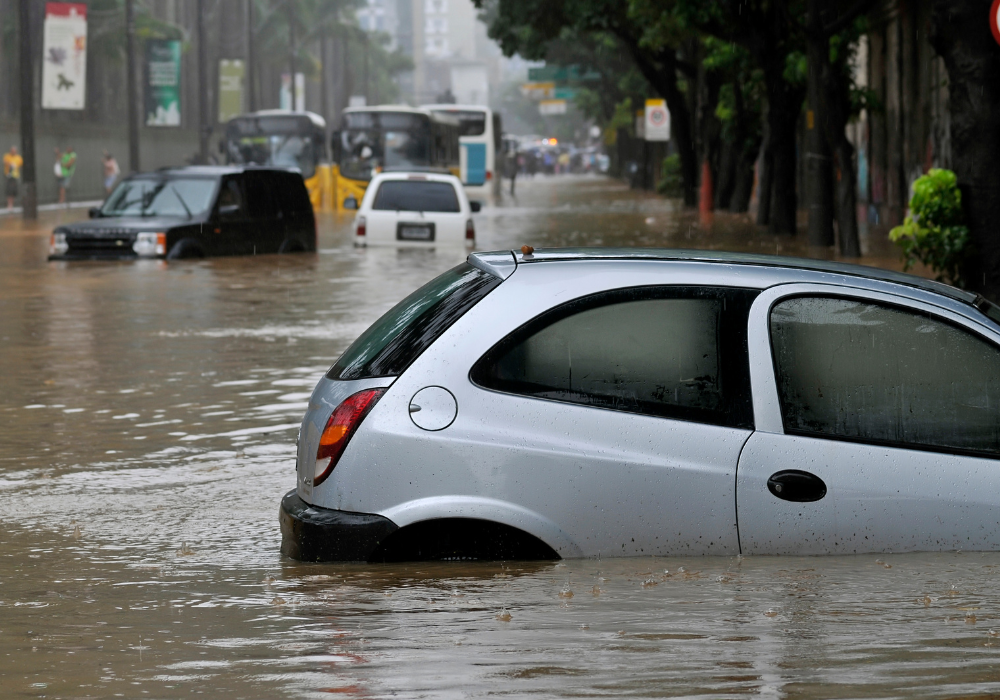
Cars in flash flood. ©Image license via Canva

Flash floods don’t give you a warning. One minute you’re walking or driving through familiar streets—the next, water’s surging in like a freight train. It doesn’t take hours to build; it takes minutes. And the scariest part? Most people freeze or make a wrong move because they’ve never thought about what to do before it happens. You don’t need to be a survivalist or carry emergency gear everywhere. But you do need a game plan that kicks in when seconds matter.

Knowing where to go, what to avoid, and how to keep your cool can mean the difference between life and tragedy. These survival tips aren’t dramatic—they’re practical, memorable, and possibly lifesaving. Because once that water starts rising, the only thing you’ll have time for is what you already know.

Read more