40-Million-Year Shock: Fossil Footprints Rewrite Human History

This footprint find may change everything we thought we knew about humans.
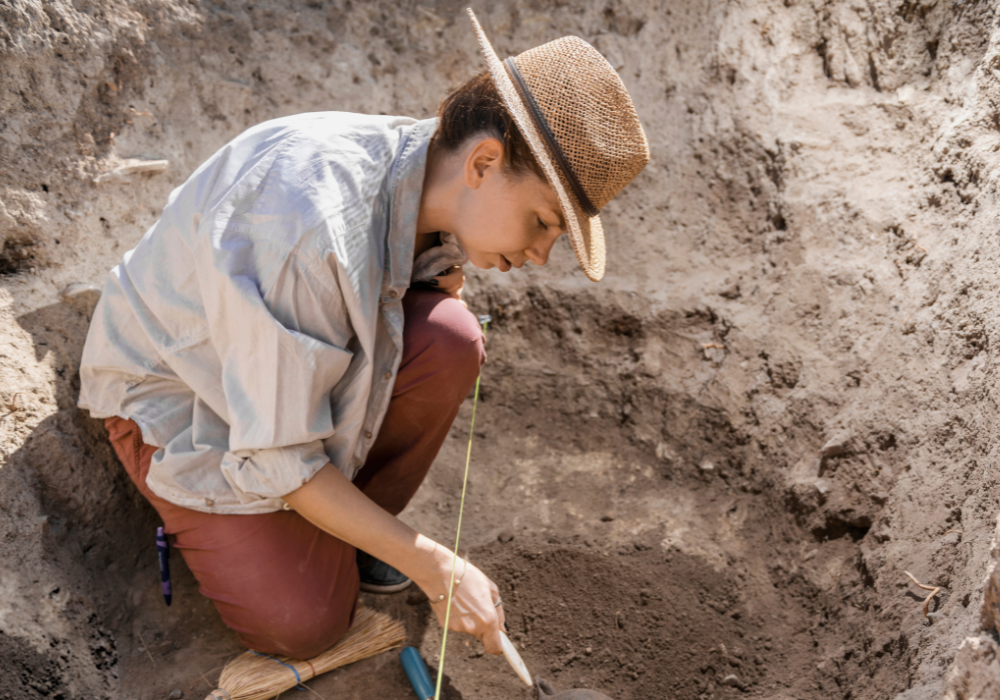
©Image license via Canva

Back in 2021, a pair of amateur fossil hunters were scouring the banks of Broken River in Australia’s Victoria state when they stumbled upon something extraordinary—a set of clawed footprints fossilized in ancient rock. What they found would later send shockwaves through the scientific community. Analysis revealed the tracks dated back to the Carboniferous period—over 350 million years ago—suggesting land-walking creatures emerged 40 million years earlier than previously believed.

Though not left by humans, these prints challenge long-held assumptions about when upright locomotion began. The find forces scientists to rethink evolutionary timelines and opens the door to forgotten chapters in Earth’s deep past.


Read more

13 Things That Happen When Men Finally Start Talking About Their Emotions

Men are finally opening up—and the ripple effects are changing lives.

©Image license via Canva

For generations, men have been taught to tough it out, to bottle emotions, and to see vulnerability as weakness. But that outdated script is finally being rewritten—and the shift is profound. As more men start opening up about their emotional struggles, they’re not just improving their mental health—they’re transforming their relationships, their sense of purpose, and even their physical well-being.

Talking about emotions isn’t just some trendy wellness fad—it’s a deeply human act with real ripple effects. When men allow themselves to feel, express, and process, they unlock parts of life they didn’t know they were missing.

Read more

13 Household Smells You Should Never Ignore—They Could Mean Serious Trouble

That strange odor in your home might be more than unpleasant—it could be dangerous.

©Image license via Canva

You might dismiss odd household smells as temporary annoyances—but some are red flags you should never ignore. Whether it’s a whiff of rotten eggs, a musty corner, or a sudden burning odor, your nose could be alerting you to serious trouble. These scents often signal hidden dangers like gas leaks, electrical issues, mold infestations, or even plumbing problems.

Acting quickly can save you from costly repairs—or far worse. Your home has a way of warning you when something’s off, but only if you’re paying attention. Here are 13 smells you should never brush off—and what they might be trying to tell you.

Read more

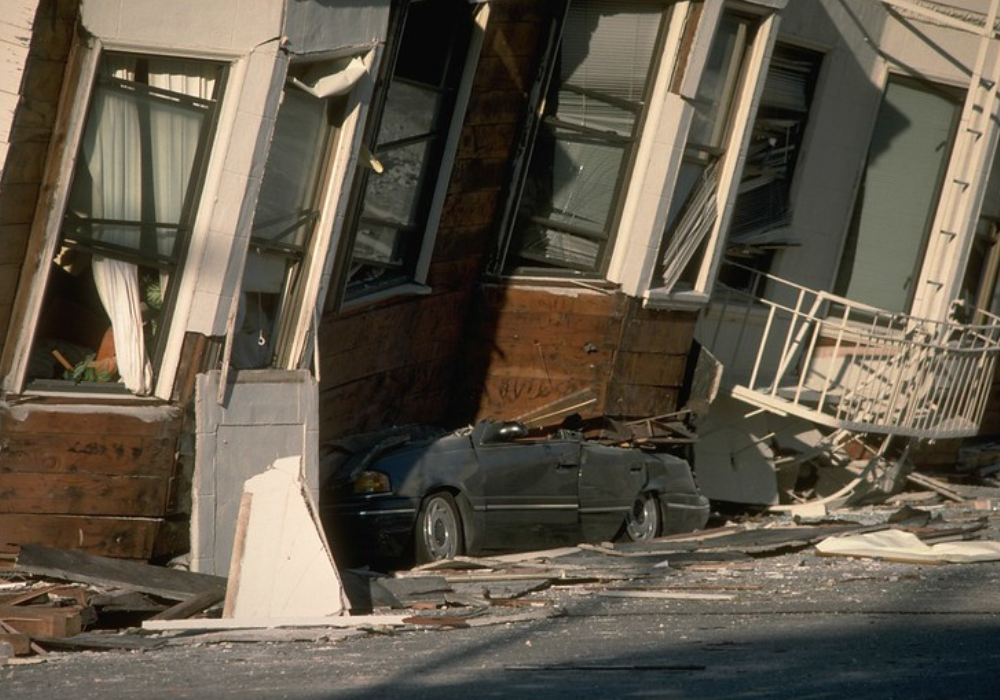
The Next Big Quake May Not Be in California—2 U.S. Regions Now on Alert

Forget the San Andreas—two lesser-known U.S. zones may be due for a major quake.

©Image license via Flickr

When Americans think “earthquake,” they picture California’s infamous San Andreas Fault. But experts now warn that the next major seismic disaster may strike far from the Golden State. Two unexpected regions—the Pacific Northwest’s Cascadia Subduction Zone and the central U.S.’s New Madrid Seismic Zone—are flashing red on geologists’ radar. Alaska, too, continues to rumble with powerful quakes, shaking confidence that only the West Coast needs to worry.

These areas are experiencing increased seismic activity, updated hazard assessments, and renewed emergency planning. And if history is any guide, the next “Big One” may catch millions off-guard. Here are eight urgent reasons why California isn’t the only place you should be watching.

Read more

10 Alarming Changes Wildfires Are Causing in America’s National Parks

Beloved landscapes are burning—and the damage goes far beyond what the eye can see.

©Image license via Canva

Wildfires have always been part of nature’s rhythm, but today’s climate-fueled blazes are growing hotter, faster, and far more destructive. America’s national parks—long seen as serene sanctuaries—are now ground zero for these extreme fires. Recently, both Grand Canyon National Park and Black Canyon of the Gunnison were forced to close due to nearby infernos, a stark reminder that no iconic landscape is immune.

From vanishing species to burned-out infrastructure, wildfires are leaving scars that won’t heal quickly—if ever. And as temperatures climb, the damage is only accelerating. These aren’t just temporary setbacks—they’re long-term transformations. If you love these parks, it’s time to face what’s happening.

Read more

These 11 States Are Actually Ready for the Climate Crisis—Is Yours on the List?

While others delay and deny, these states are planning—and acting—for a hotter future.

©Image license via Canva

The climate crisis isn’t a distant threat—it’s already battering communities with record heat, wildfires, floods, and rising seas. Yet while many states are still arguing over whether climate change is real, a few have moved beyond denial and into serious, strategic action. These states aren’t just talking about the environment—they’re investing in infrastructure, rewriting policy, protecting vulnerable populations, and preparing for a new era of climate extremes.

Their forward-thinking efforts could mean the difference between catastrophe and survival. Whether your state is part of this elite group or still dragging its feet could impact everything from your health and safety to your home insurance rates. Want to know if your state is ready for what’s coming?

Read more

Think AI’s Not for You? These 13 Eye-Openers Will Change Your Mind

Ignoring AI could mean missing out on the biggest personal and professional shift of our time.

©Image license via Canva

You might think artificial intelligence is just for coders, big tech companies, or sci-fi fans—but AI is already woven into your daily life in ways you’ve probably overlooked. From how you shop and travel to how you learn, create, and communicate, AI is quietly shaping your world behind the scenes. And it’s not slowing down. The truth is, you don’t have to be a tech expert to benefit from AI—you just need to know where it’s showing up and how it can work for you. These 13 eye-opening examples might just change your mind—and show you AI is more personal than you think.

Read more

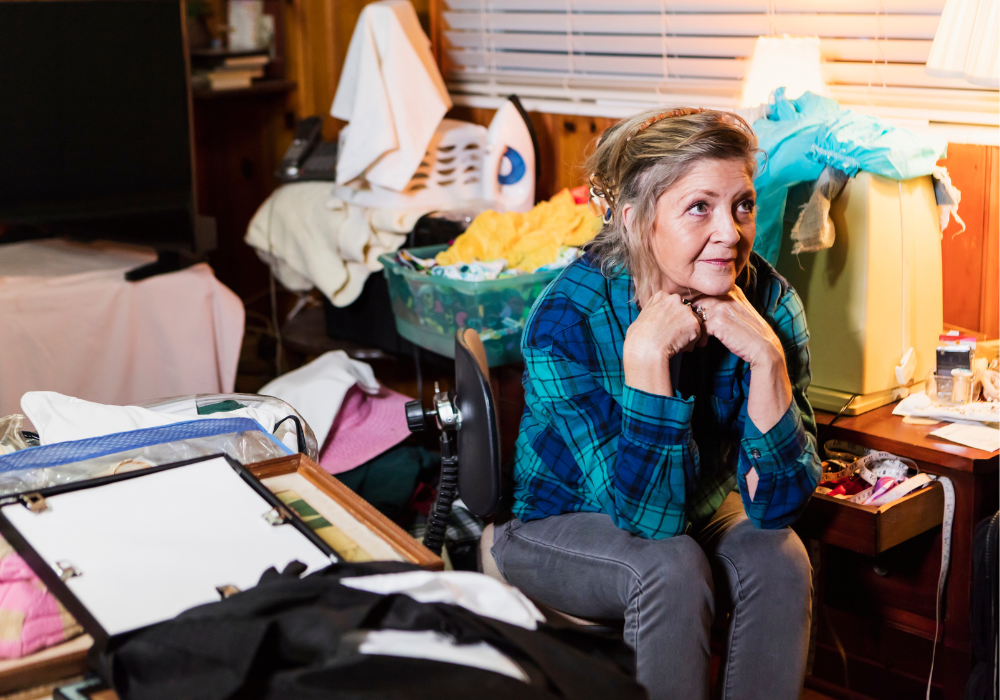
Your Relationship With Stuff Might Be the Real Source of Stress—10 Ways to Rethink It

Mature woman in cluttered room. ©Image license via Canva

The things you own might be quietly owning your peace and happiness.

You may not realize it, but your stress might be hiding in plain sight—in the closets you avoid, the drawers you can’t shut, and the shelves packed with things you barely notice anymore. Our relationship with possessions runs deep, often shaped by emotions, identity, and habit. But when stuff begins to take up more than just space—when it consumes time, energy, and mental bandwidth—it quietly fuels anxiety, guilt, and overwhelm. You don’t have to live like that. By rethinking your connection to material things, you can lighten your emotional load. Here are 10 ways to shift your mindset and reclaim peace.

Read more

10 Places Climate Refugees Are Already Moving To—and What It Means for the Future

Rising seas and scorching heat are quietly triggering a mass migration.

Family with moving boxes. ©Image license via Canva

The climate crisis isn’t a distant threat—it’s already uprooting lives. From wildfires in the West to floods in the South, people are quietly packing up and starting over in safer places. This isn’t just about beachfront properties or drought-prone towns—it’s a full-blown migration shift happening beneath the radar. Climate refugees, once a term for distant crises, now include American families fleeing rising insurance rates, repeated evacuations, and unlivable heat. As they resettle, they’re reshaping the political, economic, and cultural future of the regions they move to.

Read more

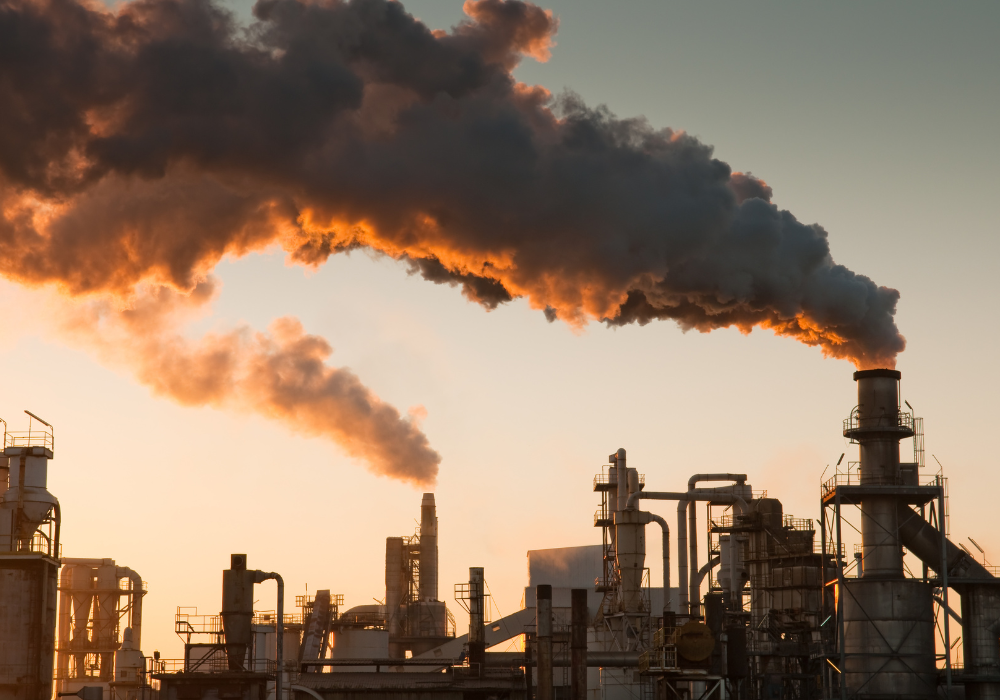
Trump Just Gave Over 100 Polluters a Free Pass—Here’s What It Means

Corporate polluters just got a green light—and communities will pay the price.

Factory pollution. ©Image license via Canva

The headlines barely scratched the surface, but the implications are staggering: over 100 polluters just got a regulatory free pass, thanks to a sweeping move by the Trump administration. Under the banner of “deregulation” and “economic growth,” environmental safeguards have been loosened or erased altogether, giving major corporations more leeway to pollute without fear of penalties. This isn’t just political posturing—it’s a seismic shift in how the U.S. enforces clean air, water, and land protections. As wildfires rage and floods displace families, this rollback couldn’t come at a worse time. The long-term consequences? They may already be unfolding around us.

Read more