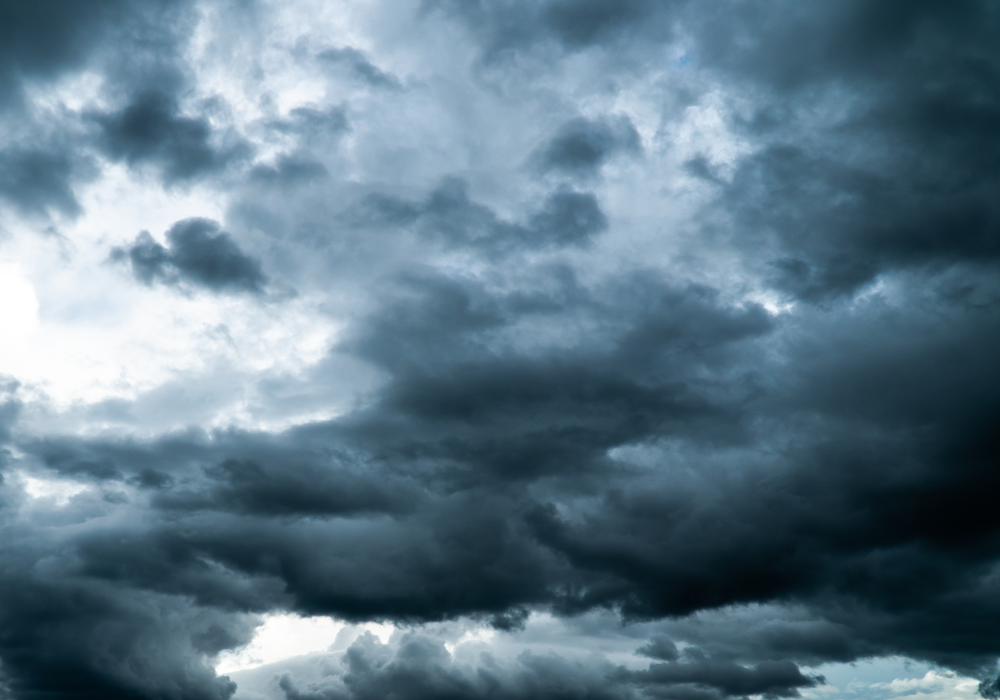
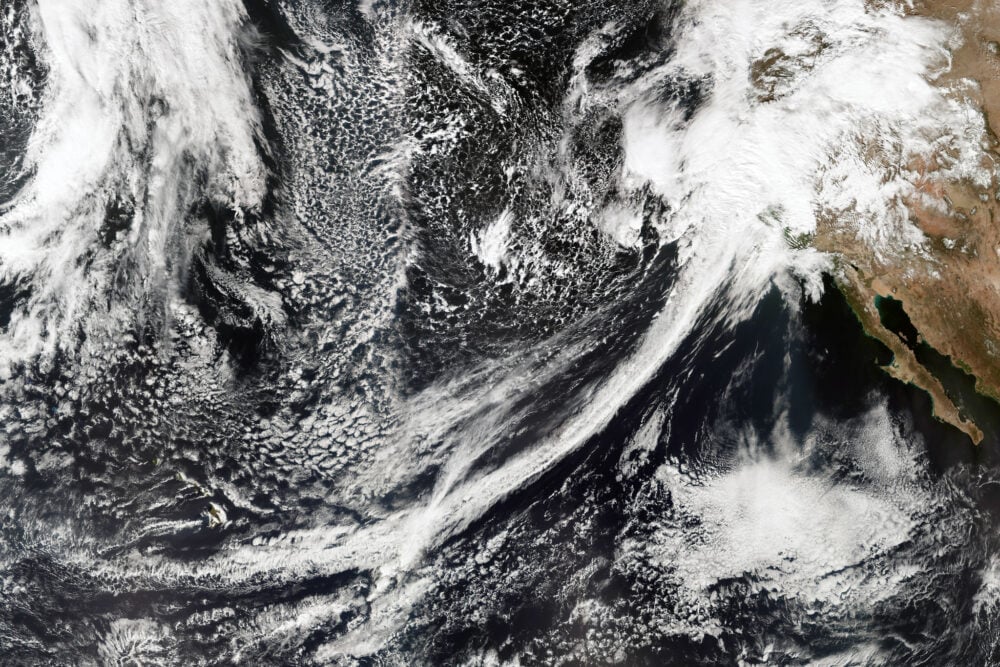
What Is the Pineapple Express—and Why It Can Be So Deadly

A river in the sky funnels storms from the tropics, sometimes with devastating results.
©Image license via Canva

It may sound tropical and harmless, but the “Pineapple Express” is anything but lighthearted. This atmospheric river channels huge amounts of moisture from near Hawaii all the way to the U.S. West Coast, where it can unleash days of relentless rain and heavy snow. According to the National Weather Service, these events can trigger flash floods, landslides, and widespread damage when conditions align. While the phenomenon is natural, a warming climate is expected to intensify its impacts, making the Pineapple Express a storm pipeline worth watching closely.

Read more

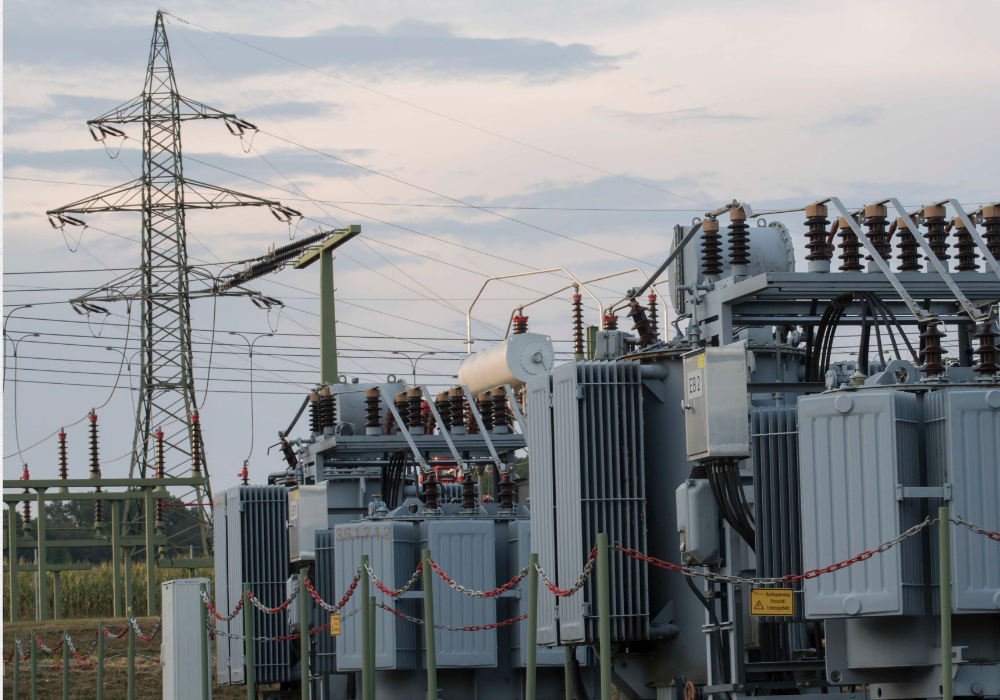
Storms Keep Revealing the Fragile State of the U.S. Power Grid

Extreme weather keeps testing a system experts say is dangerously outdated.

©Image license via Canva

Storms reveal critical weak points in power grid infrastructure that can lead to widespread outages. From aging transformers to poor vegetation management, these vulnerabilities highlight the need for improved design and maintenance. Understanding these common failure points helps utilities and communities prepare for storm-related disruptions and invest in resilience measures. Expert insights from IEEE, NIST, and the US Department of Energy emphasize the importance of addressing these issues to maintain stable power delivery.

Read more

13 Shark Facts That Will Change How You See the Ocean

Scientists say sharks are smarter, older, and more essential than we imagine.

©Image license via Canva

Sharks have swum in the oceans for over 400 million years, playing a crucial role in maintaining marine biodiversity. These ancient predators use remarkable adaptations like electroreception and continuous tooth regeneration to thrive. Beyond their fearsome reputation, sharks support ocean health by balancing species populations and contributing to ecosystem stability. Understanding these facts reveals their indispensable place in our marine environment.

Read more

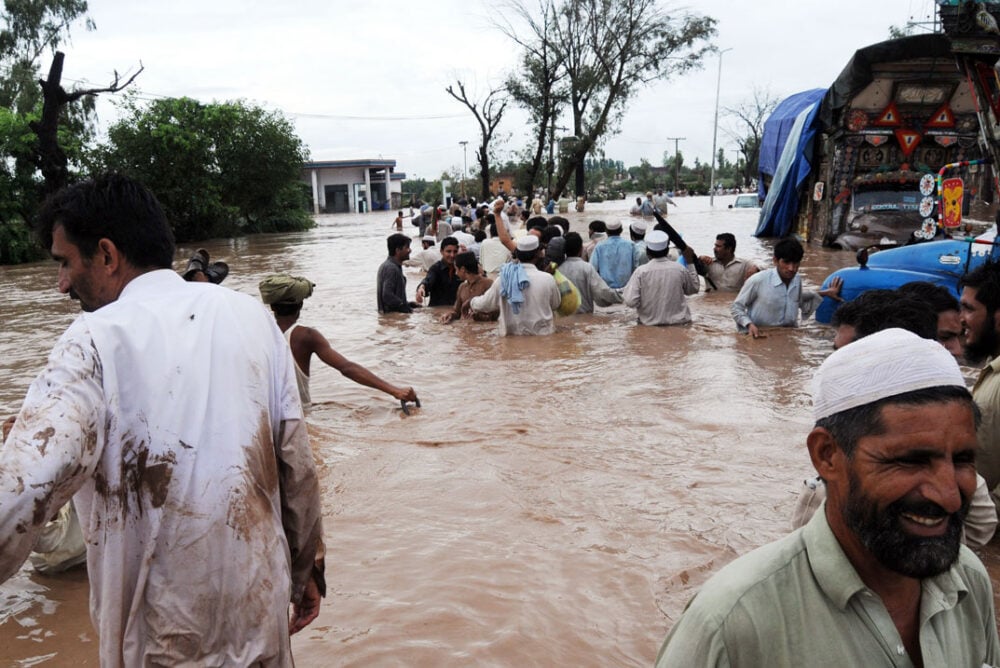
Pakistan’s Floods Are a Dire Warning About Climate Change

Pakistan’s severe floods expose critical climate change impacts and lessons for global resilience efforts.

©Image license via Flickr

Pakistan’s devastating floods illustrate the urgent realities of climate change, revealing how rising temperatures and altered weather patterns worsen flooding risks. These extreme events highlight failures in urban planning, infrastructure, and environmental management that intensify flood impacts. Scientific research from authoritative sources such as NOAA, NASA, and the IPCC underscores the need for improved flood mitigation, early warning systems, and robust climate adaptation strategies to protect vulnerable communities worldwide.

Read more

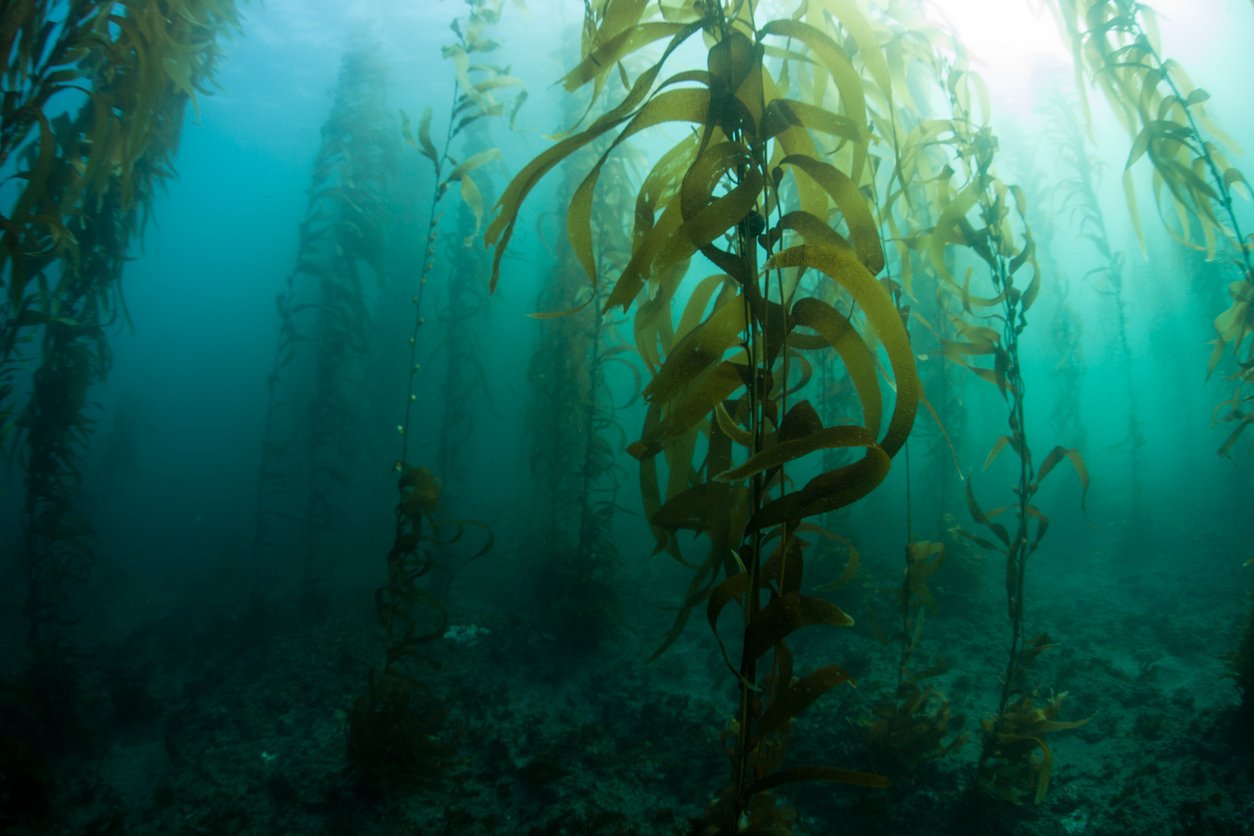
The Cold-Water Upwell Is Failing—Here’s What That Means for Us All

Scientists warn the ocean shift could disrupt food chains and weather patterns.

© Image license via iStock

Cold-water upwelling is a vital ocean process that brings nutrient-rich waters to the surface, supporting diverse marine life and sustaining fisheries. When this process fails, the consequences ripple through the marine ecosystem, affecting everything from phytoplankton growth to fish populations and local economies. Understanding these impacts is essential to grasp how ocean health, weather patterns, and coastal livelihoods depend on upwelling dynamics.

Read more

10 Record-Breaking Climate Disasters That Signal a Troubling Future

Scientists warn that these disasters are growing stronger and more frequent.

©Image license via Canva

Climate disasters are increasing in frequency and severity, driven by complex interactions between natural processes and human influence. From intense heatwaves to massive ice storms, these extreme events disrupt daily life, damage infrastructure, and threaten ecosystems. Understanding the characteristics and implications of each disaster type helps reveal the urgent challenges posed by climate change and highlights the need for informed preparation and adaptive strategies.

Read more

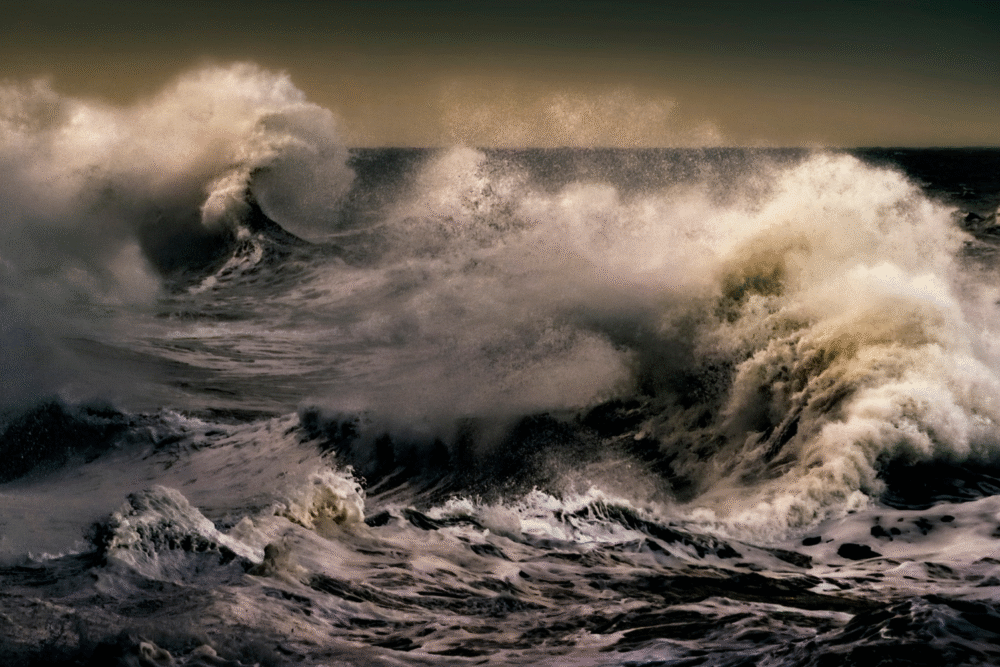
How A Massive Tsunami Could Devastate the U.S. West Coast

A massive tsunami could flood cities, disrupt infrastructure, and overwhelm emergency services on the West Coast.

©Image license via Canva

A massive tsunami poses serious threats to the U.S. West Coast, creating widespread destruction and danger. Powerful waves can surge miles inland, flooding coastal communities and damaging critical infrastructure such as roads, bridges, and power grids. This natural hazard also risks contamination of freshwater supplies and disruption of communication networks, complicating evacuation and emergency response efforts. Understanding these risks is vital for disaster preparedness and safety.

Read more

Used EV Sales Are Exploding—and Falling Prices Are the Reason

Lower prices boost accessibility and growth within the used electric vehicle market rapidly.

©Image license via Raw Pixel

Lower prices in the used electric vehicle (EV) market widen affordability, allowing more consumers to consider EV options. This increased accessibility promotes higher demand and turnover, strengthening the market overall. Affordability also encourages drivers to switch from gas to electric, supporting environmental sustainability while expanding EV technology adoption across diverse communities and income levels.

Read more

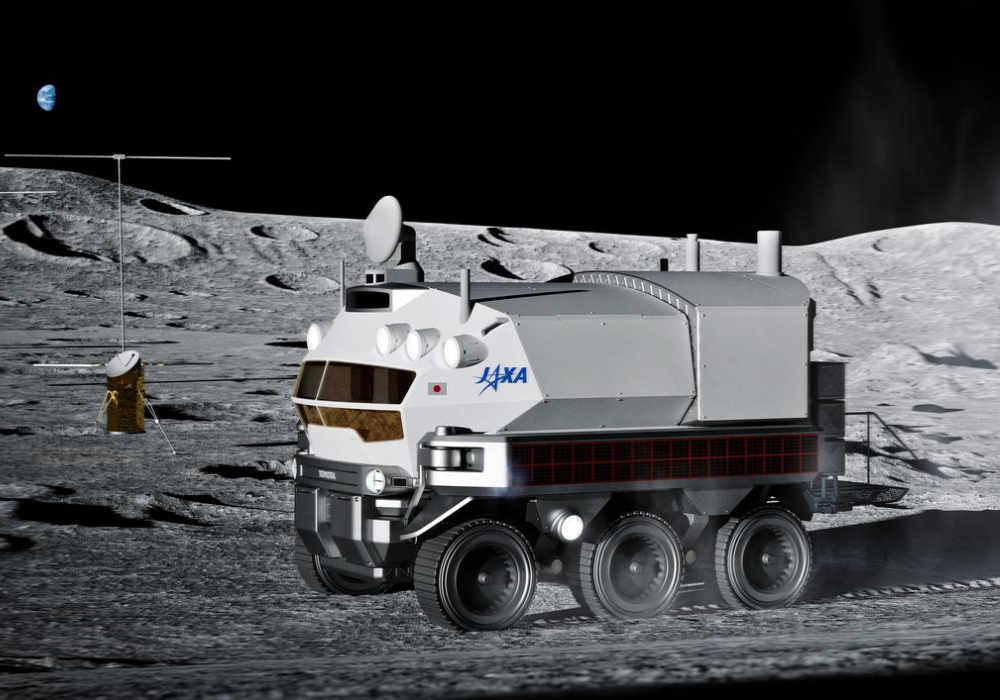
10 Things You Didn’t Know NASA’s Moon Rovers Could Do

NASA’s high-tech rovers hide features designed for the Moon’s toughest challenges.

©Image license via NASA

NASA’s moon rovers showcase remarkable design and technology tailored for lunar exploration. These robotic explorers navigate harsh terrains, operate scientific instruments, and transmit valuable data back to Earth. Each rover integrates advanced mobility systems, autonomous navigation, and durable materials to withstand extreme conditions on the moon. Understanding their unique features reveals the complex engineering and scientific ingenuity behind successful space missions.

Read more

Lost Maya Cities Found Deep in the Jungle After 3,000 Years

Archaeologists uncover sprawling Maya settlements hidden beneath dense jungle.

©Image license via The Archaeoligst

In the past few years, archaeologists have uncovered several lost Maya cities hidden deep in the jungles of southern Mexico. Among the most striking are Valeriana, a sprawling settlement mapped in Campeche with thousands of structures, and Ocomtún, revealed in 2023 with pyramids, plazas, and a large ceremonial center. These discoveries were made possible through LiDAR scanning, which cuts through dense vegetation to expose ruins long invisible to the human eye. Together, they are transforming our understanding of how vast and complex Maya civilization truly was.

Read more