Archaeologists Find Monument in Lake Michigan Older Than Stonehenge

A submerged circle of stones could date back thousands of years, raising questions about ancient North American history.

©Image license via Wikimedia Commons

Beneath the waters of Lake Michigan, researchers have discovered something astonishing: a carefully arranged circle of massive stones that may be older than Stonehenge. Found by divers surveying the lake floor, the submerged formation includes carvings and alignments that suggest it once held deep cultural or ceremonial significance. Scientists say the structure could date back thousands of years, offering a rare glimpse into ancient human history in North America and sparking fresh debate about its origins.

Read more

One of America’s Most Hazardous Volcanoes Shows Signs of Major Eruption

Experts are monitoring Mt. Spurr closely as seismic activity raises concern.

©Image license via Picryl

Mt. Spurr, a volcano about 80 miles west of Anchorage, has shown signs of unrest that experts say make an eruption “likely” within the next few weeks to months. Volcanic gas emissions, hundreds of small, shallow earthquakes, rising ground deformation, and reactivated gas vents at its Crater Peak vent are all pushing Alaska Volcano Observatory scientists to warn residents. While no eruption is certain, officials are urging people in Southcentral Alaska to prepare for ashfall, travel disruptions, and possible health risks.

Read more

NASA Keeps Revising the Odds of an Asteroid Striking Earth in 2032

Updated models show why predicting asteroid paths decades in advance is trickier than it sounds.

©Image license via Canva

NASA scientists keep updating the chances that an asteroid could hit Earth in 2032—and it’s leaving some people uneasy. The changes don’t mean danger is rising, but rather that predictions improve as more telescope data comes in. Tracking space rocks decades ahead is notoriously tricky, since small shifts in orbit can change long-term odds. Experts stress Earth is still very unlikely to be struck, but the constant revisions highlight how uncertain asteroid forecasts can be.

Read more

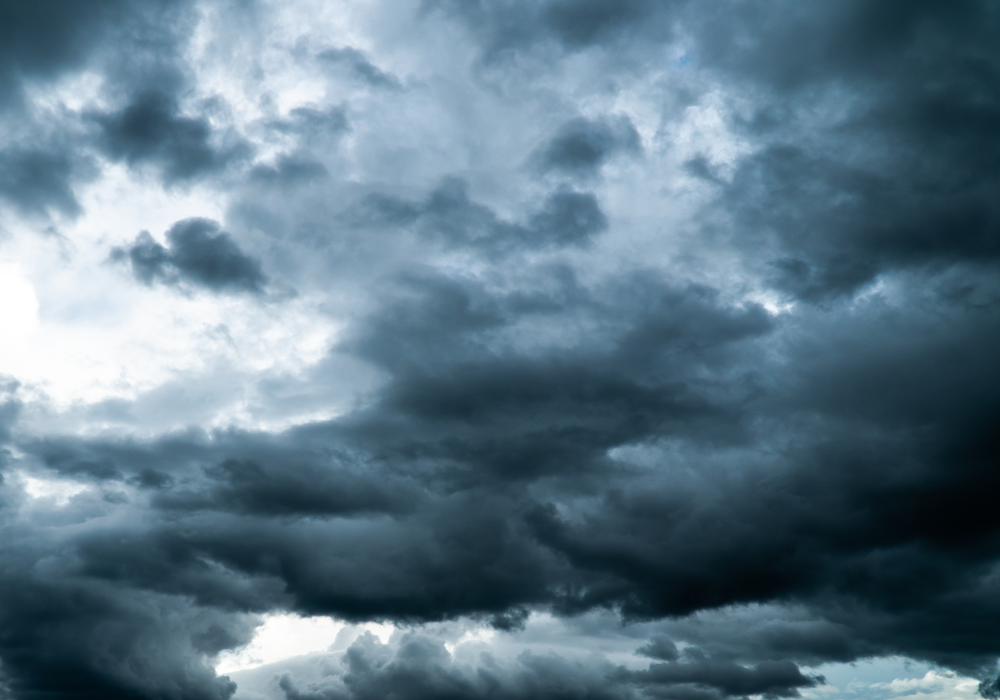
12 Dangerous Storm Mistakes People Make—and Smarter Ways to Stay Safe

Avoid these missteps to keep your family safer during hurricanes, tornadoes, and major storms.

©Image license via Canva

Storms demand vigilance and proper planning to minimize risks to life and property. Many people make preventable mistakes that increase danger, such as ignoring alerts or driving through floodwaters. Understanding common errors and adopting safer alternatives can dramatically improve safety outcomes. Relying on guidance from authoritative sources like FEMA and the National Weather Service helps individuals prepare effectively and respond wisely when severe weather strikes.

Read more

Recycled Glass Could Be the Surprising Answer to Vanishing Beaches

A simple recycling solution could help restore beaches threatened by rising seas and stronger storms.

©Image license via Canva

Coastal erosion poses significant threats to ecosystems and communities worldwide, prompting the search for sustainable solutions. Recycled glass emerges as a promising material, combining durability and environmental benefits to help stabilize shorelines. By repurposing waste glass, this approach reduces landfill burden and conserves natural resources while supporting marine habitats. Experts from NOAA and the USGS recognize recycled glass as a practical component in innovative erosion control methods.

Read more

New Medical Guidelines Warn Pregnant Women Against Using Cannabis

Doctors cite growing evidence of risks to fetal brain development and long-term child health.

Window with white curtains, pregnant woman foreground, side profile composition, morning natural light, documentary style, one person.
©Image license via Canva

Medical groups including the American College of Obstetricians and Gynecologists (ACOG) and the American Academy of Pediatrics have issued strong new guidelines warning that pregnant women should avoid using cannabis. They emphasize there’s no known safe level of THC during pregnancy, because it can cross the placenta and may harm fetal brain development. Studies link prenatal cannabis use with risks like low birth weight, preterm delivery, and later behavioral or attention problems. Health experts hope clearer rules will help mothers protect their unborn babies.

Read more

12 Fascinating Ways Trees Communicate, According to Scientists

Scientists reveal how trees use chemical and physical signals to interact in ecosystems

©Image license via Canva

Trees engage in complex communication networks involving underground fungi, chemical signals, and subtle physical cues. Far from isolated organisms, they share nutrients, warn of dangers, and even recognize kin, all contributing to forest resilience. This fascinating interplay, studied by experts from the National Park Service and Ecological Society of America, challenges traditional views and deepens our understanding of nature’s interconnectedness.

Read more

Oldest Dome-Headed Dinosaur Unearthed in Mongolia’s Desert

Scientists say the find rewrites part of dinosaur history and reveals an ancient ancestor.

©Image license via Wikimedia Commons

Deep in Mongolia’s Eastern Gobi, paleontologists have uncovered Zavacephale rinpoche, the oldest dome-headed dinosaur ever found. Its exquisitely preserved skull was exposed “on a cliff like a cabochon jewel,” giving scientists a rare, almost complete look at a pachycephalosaur from the Early Cretaceous, about 115-108 million years ago. The specimen isn’t fully grown—but already sports a full dome, challenging the idea that skull domes only form in adulthood. At under one meter long and about ten kilograms, it offers fresh clues about dinosaur evolution.

Read more

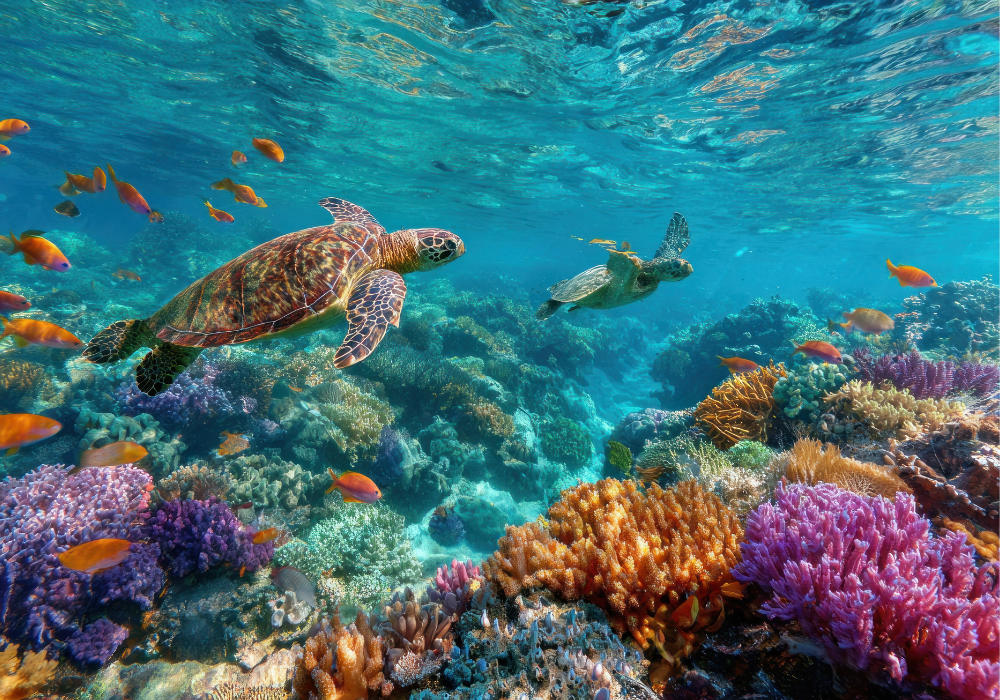
Historic Treaty to Protect Ocean Life Finally Clears Last Hurdle

Nations unite to protect endangered ocean species after years of tough negotiations.

©Image license via Canva

Ocean conservation just made history. The High Seas Treaty, a landmark pact to protect international waters, has now reached its 60th ratification, the threshold needed to become legally binding. Marine scientist Dr. Katie Matthews, Chief Scientist at Oceana, called it “the first time we have the legal foundation to safeguard marine diversity in waters that belong to everyone and no one at the same time.” Covering two-thirds of Earth’s oceans, the treaty addresses growing threats from overfishing, mining, and climate change.

Read more

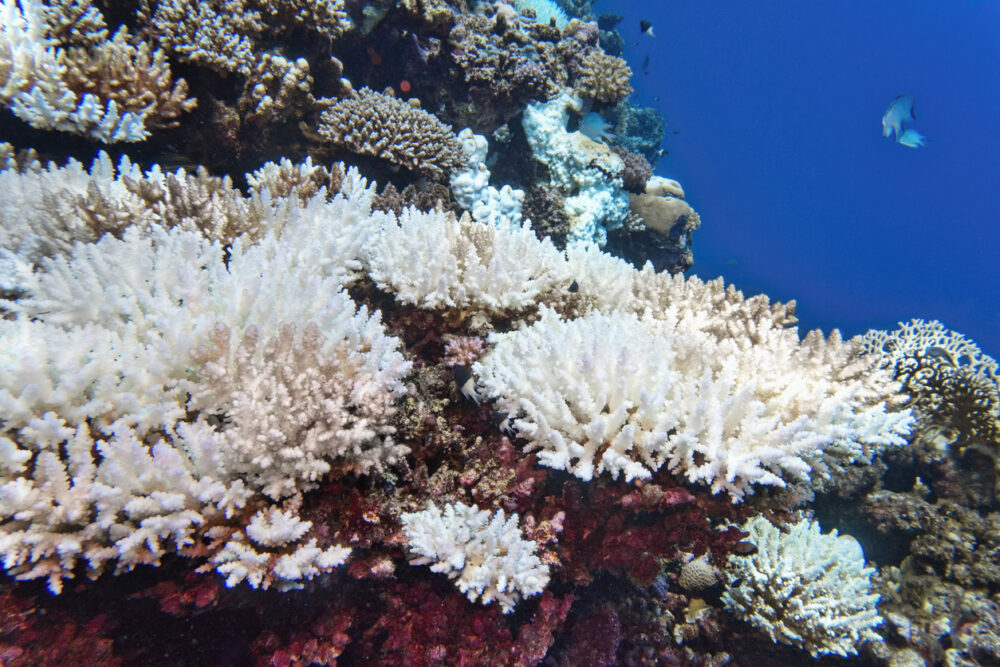
Study Warns Most Atlantic Corals Will Soon Stop Growing

Warming seas and acidification are putting the region’s coral reefs on the edge of collapse.

Underwater reef, bleached coral foreground, deep blue contrast, daylight, documentary style, no people.
©Image license via iStock

A new study published in Nature paints a grim picture for coral reefs in the western Atlantic. Researchers analyzed more than 400 reef sites and fossil reef records, concluding that most corals from Florida to Bonaire will stop growing by 2040. The study, led by Professor Chris Perry of the University of Exeter, warns that if global warming exceeds 2°C, over 99 percent of reefs could be eroding by 2100, leaving marine ecosystems dangerously vulnerable.

Read more