
Why these monster storms could bring both devastating floods and much-needed water.
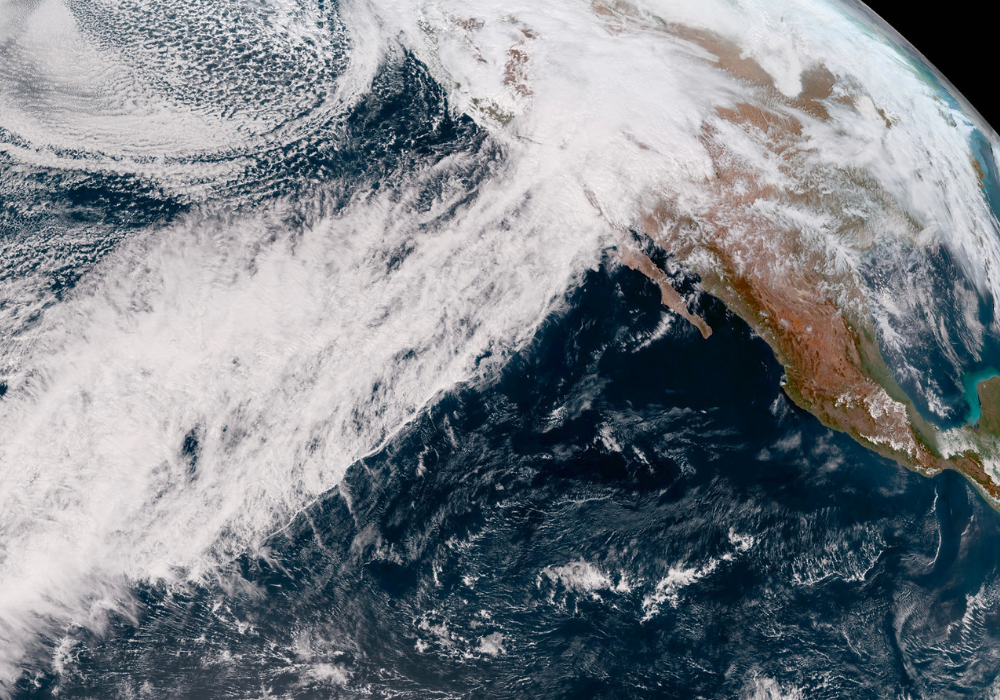
Atmospheric rivers are powerful streams of moisture that travel thousands of miles across the Pacific Ocean, delivering intense rainfall to the Western United States. The freight train effect occurs when multiple atmospheric rivers hit the same region in quick succession, amplifying the impacts. These phenomena play a crucial role in shaping weather patterns, influencing precipitation levels, flood risks, and water resources across the West.
1. Atmospheric rivers are long, narrow bands of moisture in the atmosphere.
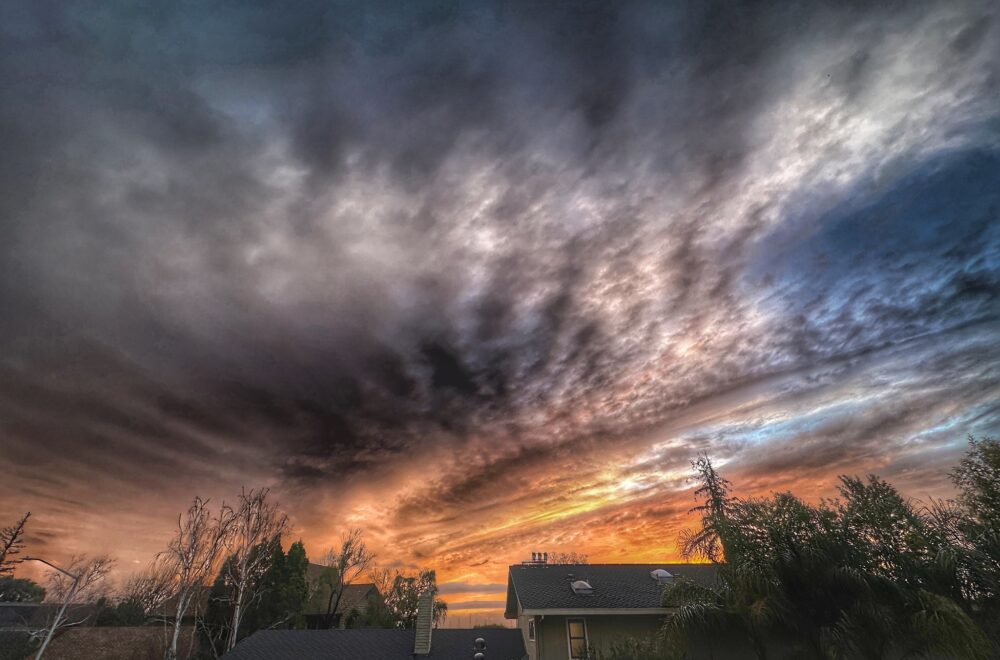
Atmospheric rivers appear as slender corridors of concentrated moisture traversing the sky. They function as conveyor belts, carrying condensed water vapor from tropical regions towards higher latitudes. This transportation shed significant amounts of precipitation upon landfall, impacting localized weather patterns profoundly.
While atmospheric rivers might seem akin to conventional rainstorms, their scale and intensity differ markedly. These moisture-laden channels extend thousands of kilometers and unleash immense precipitation, sometimes equaling major river outputs. This characteristic makes them pivotal in shaping climates, particularly in regions reliant on periodic heavy rain for water supplies.
2. They can carry more water vapor than the Amazon River flows on average.
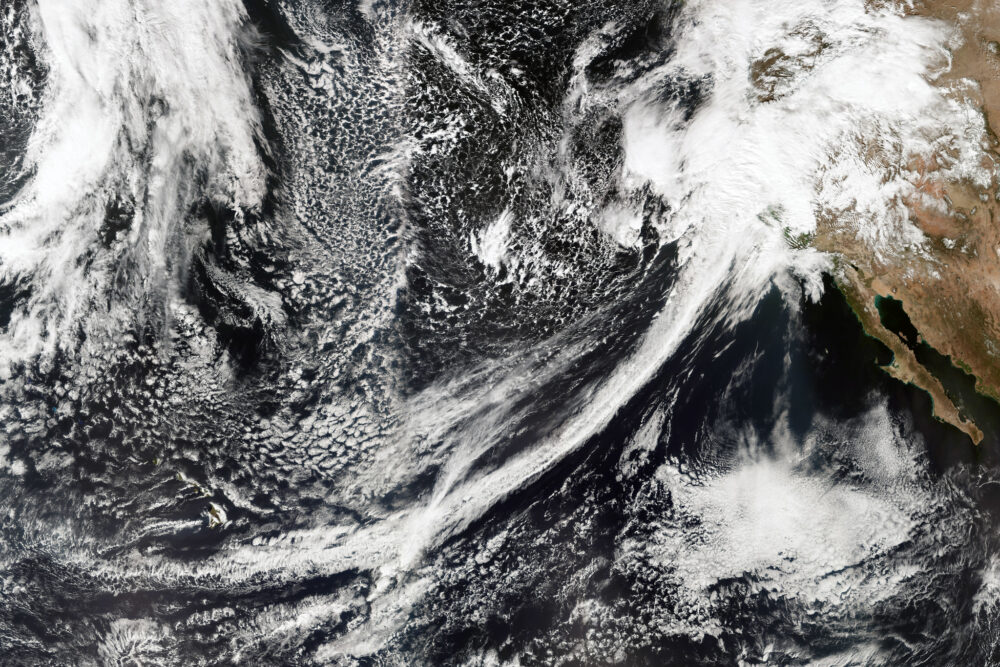
Atmospheric rivers possess the capacity to carry an astonishing volume of water vapor. Some of these atmospheric phenomena transport more moisture than the Amazon River’s average outflow, highlighting their immense scale and potential impact on weather systems.
This extraordinary capability translates into atmospheric rivers delivering prolific rainfall when they reach coastal areas. Their moisture-rich nature often leads to intense rainstorms capable of overwhelming drainage systems, causing severe flooding. While they play a crucial role in replenishing water resources, their intensity poses significant challenges for flood management.
3. These weather phenomena often cause heavy rain and flooding in affected areas.

Heavy rains and flooding frequently result from the atmospheric river phenomenon. These weather systems dump a large volume of water quickly, often overwhelming infrastructures and causing natural waterways to burst their banks.
In affected regions, the sudden onslaught of rainfall can severely disrupt communities, damaging homes, roads, and utilities. The risk extends beyond flooding, as saturated grounds can lead to mudslides and erosion, impacting both urban and rural landscapes. The balance between water provision and natural disaster demonstrates the dual-edged nature of these striking meteorological events.
4. The ‘Freight Train’ effect describes a series of intense storms moving steadily westward.
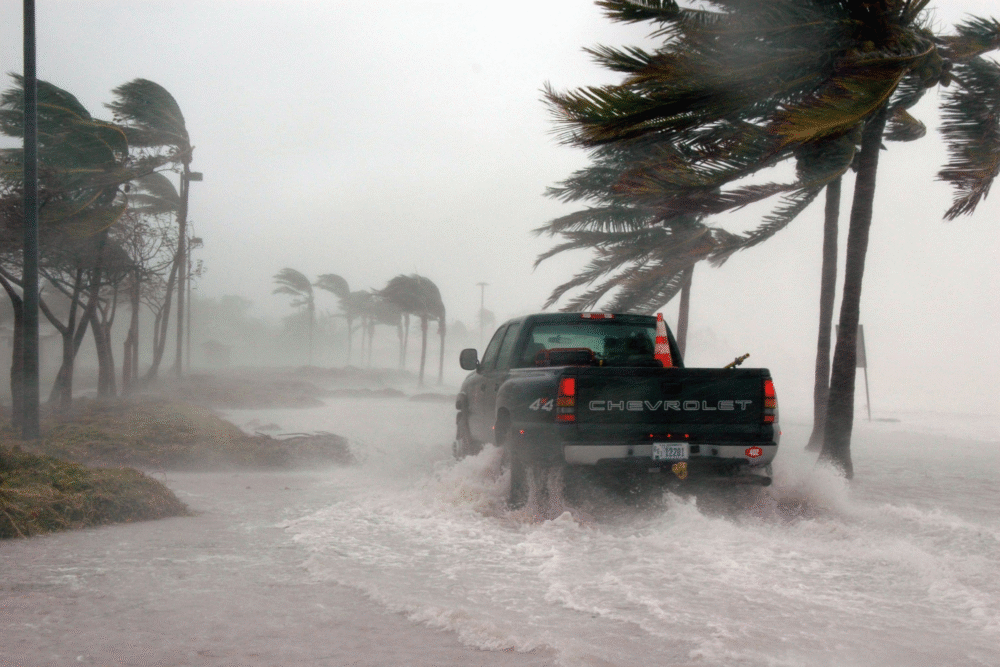
The ‘Freight Train’ effect refers to swift, successive storm systems driven by atmospheric rivers. Like a series of locomotives, these storms move persistently, striking the same areas repeatedly over a short period.
This bombardment can lead to severe cumulative impacts, with each storm adding to already saturated grounds and heightening flood risks. Such relentless conditions exacerbate the strain on emergency services trying to manage ongoing hazards. The freight train effect’s intensity underscores the need for heightened preparedness in vulnerable regions during these severe weather events.
5. Atmospheric rivers typically form over the Pacific Ocean before hitting the West Coast.

Typically forming over warm Pacific waters, atmospheric rivers gather moisture that they eventually release as precipitation over the West Coast. These atmospheric features draw moisture from the ocean and can traverse great distances before reaching land.
Upon reaching the western US, often after traveling thousands of miles, atmospheric rivers release their moisture load, influencing regional weather. Their oceanic origins highlight the interconnectedness of global weather systems and the critical role oceans play in transporting moisture to broader areas. Understanding this formation process is key to predicting impactful weather in vulnerable zones.
6. Mountain ranges can amplify rainfall when atmospheric rivers make landfall.
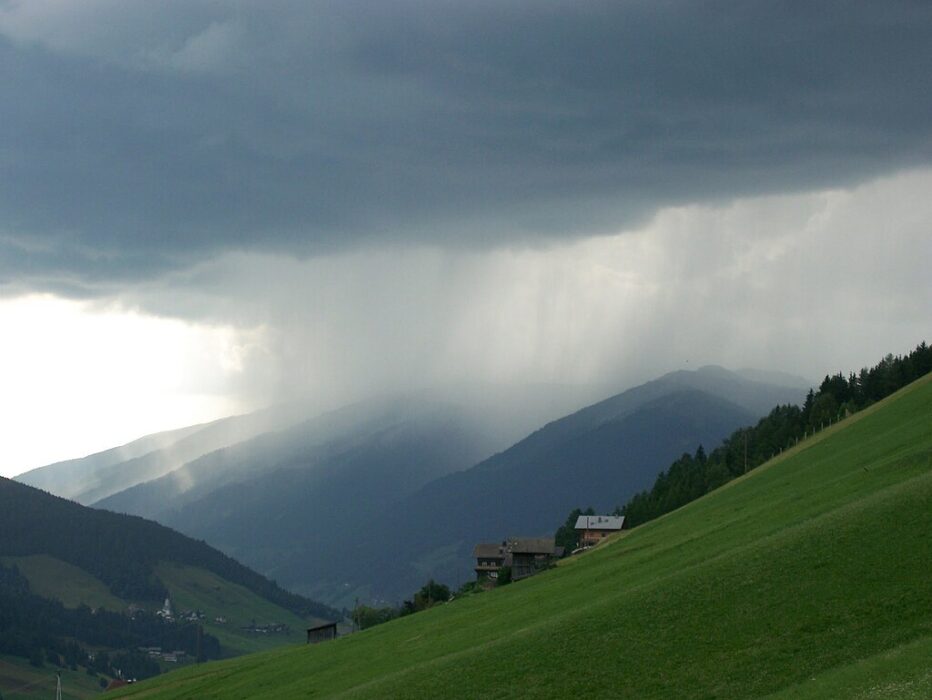
Mountain ranges starkly influence the rain dynamics when atmospheric rivers make contact. These land formations serve as barriers, directing and enhancing rainfall as the moist air rises and cools.
This orographic impact intensifies precipitation on the windward side, creating stark contrasts between mountain regions’ wet and dry sides. This amplification can result in significantly more rain than flat terrains, amplifying both beneficial water accumulation and risks like flooding. Mountain regions, therefore, often face unique challenges during atmospheric river events, juggling water resource gains with potential disaster scenarios.
7. These events contribute significantly to annual precipitation in the western United States.

In the western United States, atmospheric river events contribute significantly to annual precipitation totals. These intense moisture flows often supply much-needed rain, critical for sustaining regional water reserves.
While invaluable for replenishing water supplies, their concentrated delivery of precipitation means they possess the potential to trigger flooding and landslides. This dual capacity underscores the importance of balancing water needs with disaster readiness. Observing these patterns helps gauge the broader climatic dependencies that underlie regional weather systems.
8. Atmospheric rivers vary in size, length, and duration depending on conditions.
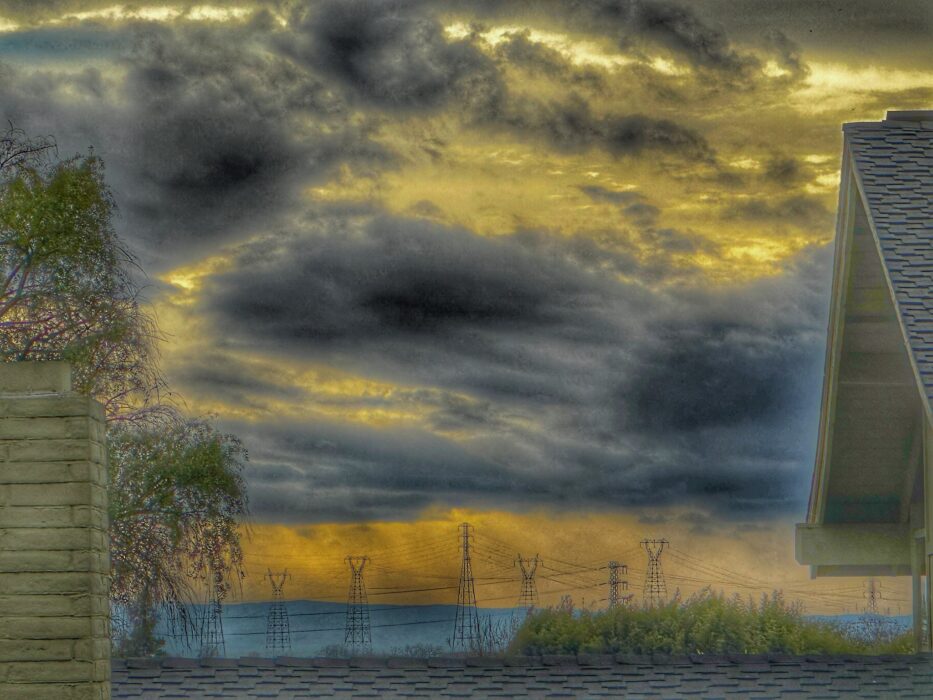
Atmospheric river characteristics, including size, length, and duration, fluctuate based on a variety of atmospheric conditions. Factors like oceanic temperatures and prevailing winds dictate each event’s scale and impact.
This variability means different rivers may bring vastly different weather systems, from mild rains to severe storms. Meteorologists study each event to better understand atmospheric dynamics and improve predictive models. The ability to anticipate such fluctuations helps communities prepare more effectively for potential impacts on infrastructure and safety.
9. The ‘Freight Train’ effect leads to consecutive storms impacting the same region quickly.
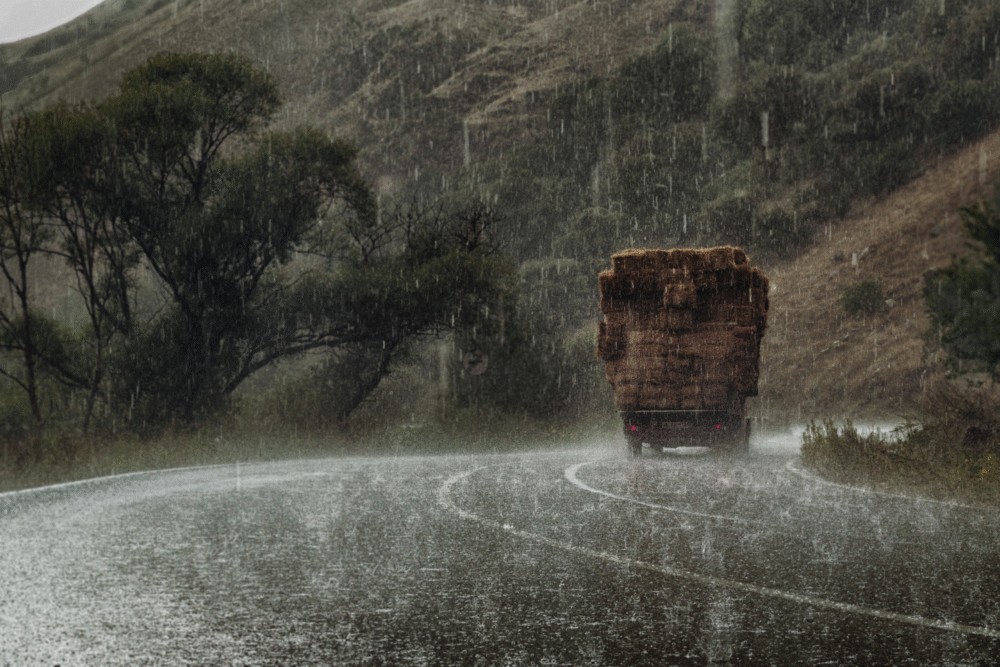
Through the ‘Freight Train’ effect, multiple intense storms can pummel the same area in rapid succession. This can cause compounded issues, escalating woes as back-to-back atmospheric disturbances apply relentless pressure on vulnerable regions.
Such quick succession means floodwaters struggle to recede between storms, amplifying damage and disaster recovery challenges. Understanding this repeated impact helps frame expectations for the western US during peak atmospheric river seasons, emphasizing building resilience and readiness strategies.
10. These storms can replenish reservoirs but also cause dangerous mudslides and erosion.
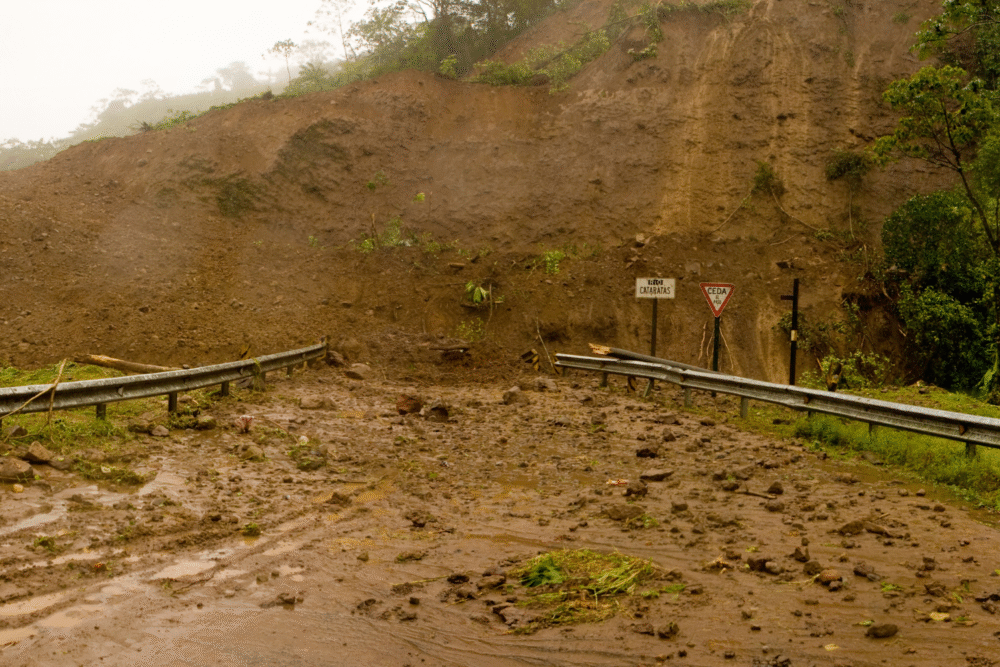
While replenishing reservoirs, atmospheric rivers also pose risks of causing mudslides and erosion. The powerful rains saturate soil, which can destabilize and slide, impacting communities in hilly and mountainous regions.
The dual nature of these events highlights their complex role in local ecosystems. On one hand, they provide critical water resources; on the other, they pose significant geological and safety challenges. Planning and infrastructure must account for this threat balance to mitigate potential damage while harnessing water benefits.
11. Monitoring atmospheric rivers helps improve weather forecasting and disaster preparedness.

Monitoring atmospheric rivers enhances weather forecasting capabilities and disaster readiness. By tracking these atmospheric phenomena, meteorologists develop models predicting landfall locations and intensity, aiding in advance preparations.
Understanding timing and paths helps agencies issue more accurate warnings, allowing communities to gear up for severe storm impacts. This data-driven approach supports crisis management efforts and long-term planning strategies, underpinning efforts to minimize damage and enhance responsiveness during atmospheric disturbances.
12. Climate patterns influence the frequency and intensity of atmospheric river events.

Climate patterns exert considerable influence on atmospheric river frequency and intensity. Changes in global temperatures and ocean currents can alter how often and severely these phenomena occur, impacting regional climates.
The interplay between climate change and atmospheric river behavior highlights broader global interconnections. Adjustments in these patterns prompt ongoing assessments to understand evolving risks. Recognizing the climate link is crucial for fine-tuning predictive models and shaping policy responses to emerging weather challenges.