
Astronomers monitor a rare natural object orbiting near Jupiter to unveil its mysteries.
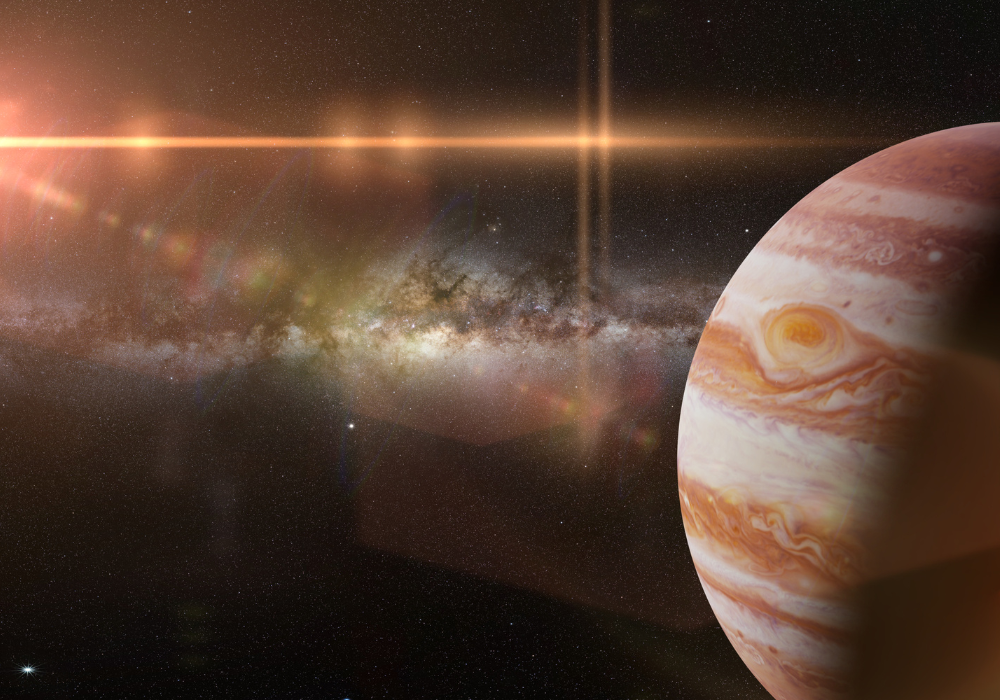
Astronomers recently detected a spacecraft-sized object orbiting close to Jupiter, sparking interest among planetary scientists. This discovery involves a natural celestial body, not a human-made spacecraft, whose size, orbit, and composition provide valuable insights into solar system dynamics. Tracking such objects enhances understanding of gravitational influences and material origins around giant planets, contributing to broader knowledge of planetary formation and space environments.
1. The object near Jupiter is comparable in size to a spacecraft.
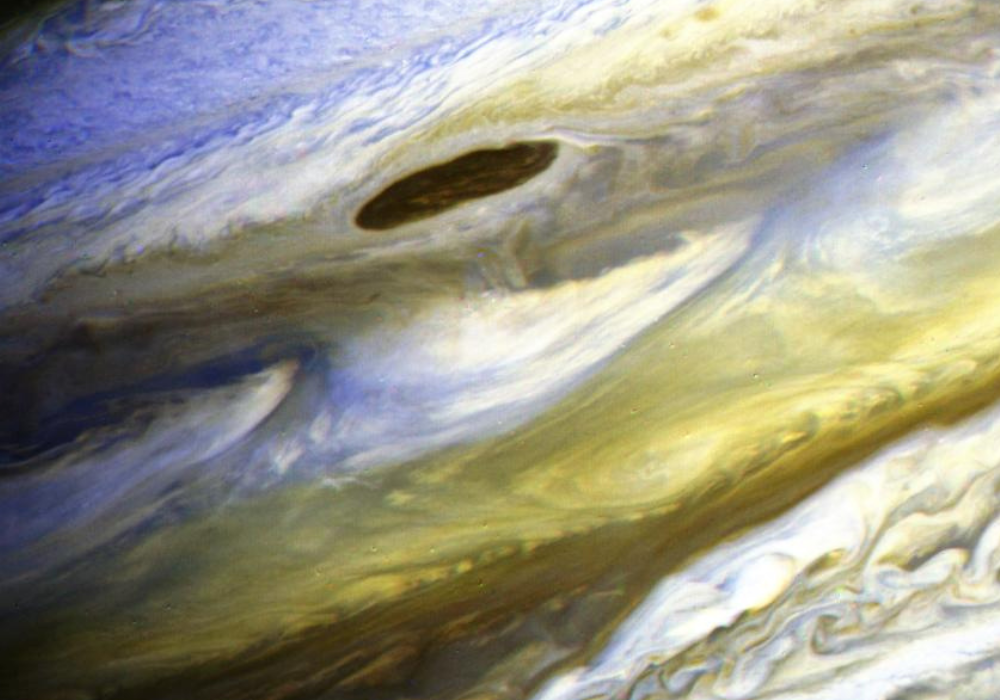
The way astronomers gauge the size of objects in space often leads to intriguing comparisons. This recent discovery near Jupiter measures roughly the same as a typical spacecraft, catching the interest of the scientific community for its unusual characteristics and potential insights.
Such discoveries enhance our understanding of celestial mechanics and dynamics in our solar system. While it’s similar in size to man-made spacecraft, it isn’t one; it’s a natural object whose features offer researchers valuable data about space environments and planetary formation processes.
2. Astronomers discovered the object using powerful ground-based telescopes.

With advanced technology, astronomers identify remote objects by employing potent ground-based telescopes. These instruments allow for observations that capture fine details of space phenomena, providing crucial data on objects otherwise too distant for a detailed examination.
Utilizing a network of telescopes globally, astronomers can track these fascinating finds across time and space. As they gather more data, they refine their understanding of the object’s trajectory and characteristics, complementing ongoing research into planetary systems and their diverse components.
3. The object’s orbit closely follows the path of Jupiter around the Sun.
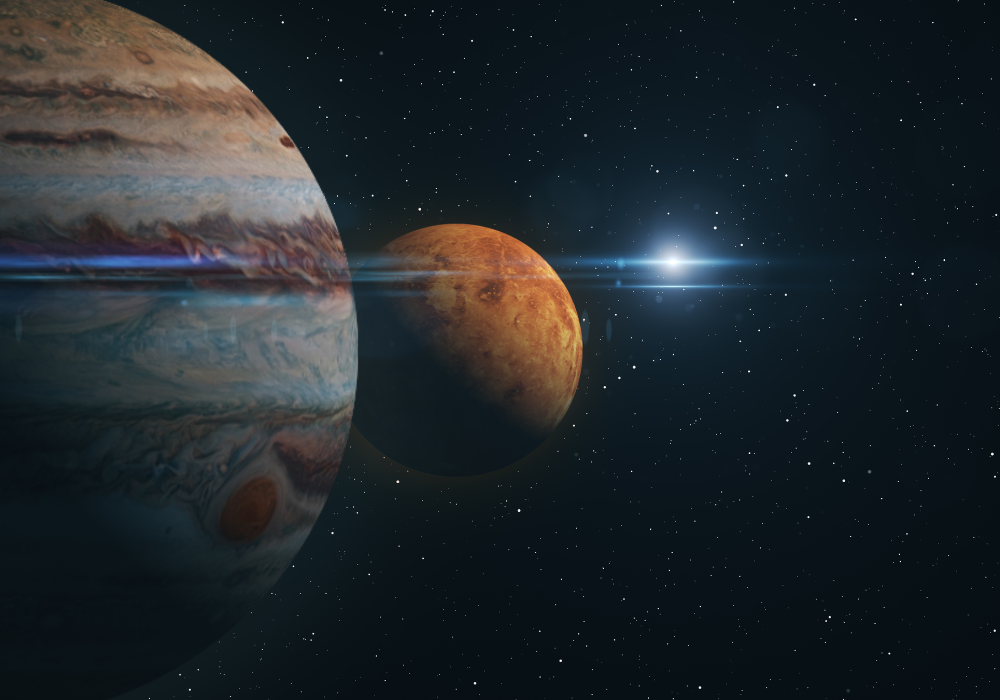
Astronomical tracking indicates that the object’s orbit hugs the path that Jupiter takes around the Sun. This close alignment with the massive planet’s orbit offers clues to how gravitational pulls influence space bodies at vast distances.
Understanding these orbits not only informs us about the individual object but also unveils broader gravitational interactions. As researchers delve deeper, they gain richer insights into the complex ballet of celestial bodies around the solar system’s giant planets.
4. Scientists are monitoring the object to understand its composition and origin.

Scientists are keenly observing this object to dissect its composition and origin. Every observation adds layers of understanding about its material makeup and possible genesis, vital for knowing if it’s an asteroid fragment or another celestial entity.
Determining its composition aids in classifying the object and placing it in context within our solar system’s dynamic ecosystem. This analysis opens up avenues for discovering how objects evolve and interact with major planets like Jupiter over eons.
5. The size of the object suggests it might be a captured asteroid or debris.
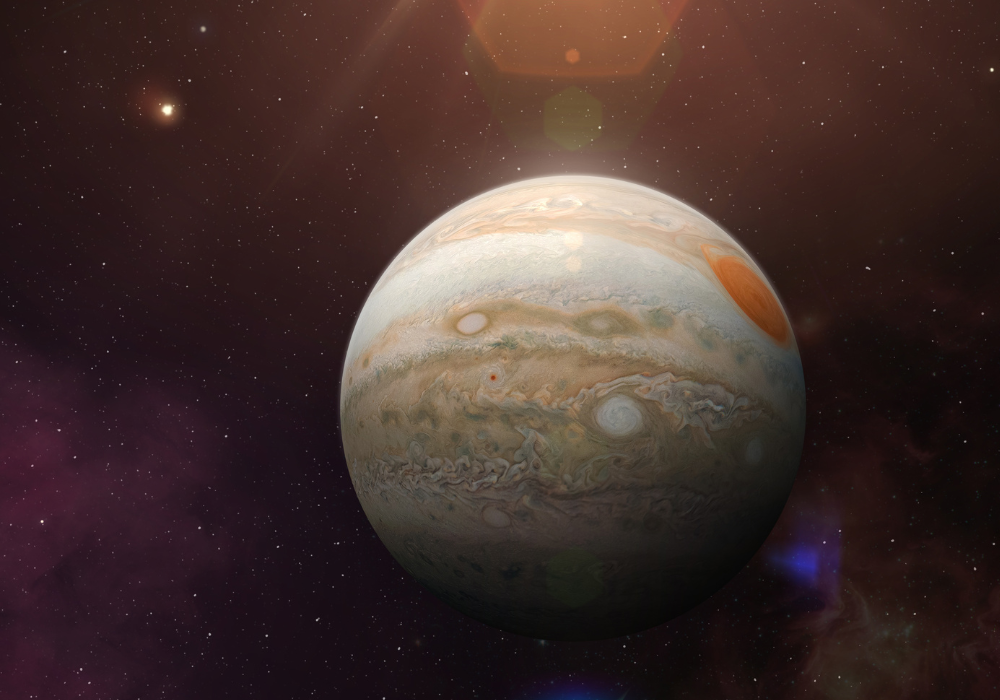
The object’s considerable size hints that it may be a captured asteroid or remnant from space collisions. Such large objects are sporadically scattered within planetary systems, often revealing complex pasts that include gravitational shifts or cosmic impacts.
If it’s a captured asteroid, it sheds light on possible dynamics of planetary gravitational influence. By studying such intriguing bodies, scientists uncover stories of solar system formation and the tumultuous processes shaping interplanetary landscapes.
6. Its trajectory shows no immediate threat of collision with Jupiter or its moons.

Currently, the object’s trajectory presents no signs of jeopardizing Jupiter or its moons. Thanks to precise tracking, astronomers can confidently assess these paths and assure that no imminent collision risks loom due to its current movement patterns.
Understanding an object’s trajectory is crucial for planetary safety and planning future missions. Constant monitoring ensures any potential changes in trend are swiftly identified, securing Jupiter’s satellites and offering peace of mind regarding distant cosmic events.
7. The object reflects light differently than nearby natural moons or asteroids.
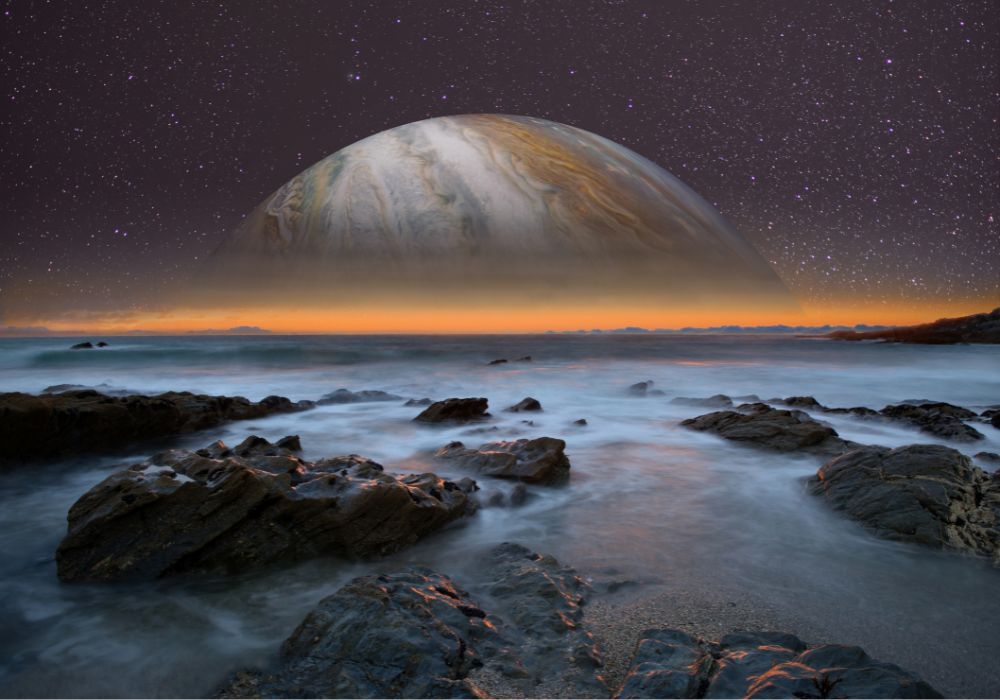
The object reflects light distinctively compared to Jupiter’s moons or asteroids nearby. Such differences in reflection offer important hints about its surface and composition, helping astronomers determine the nature of this unusual celestial entity.
Analysis of its reflectivity allows scientists to hypothesize about surface materials or any potential covering it might possess. The study of reflection is an indispensable part of understanding the diversity of objects within our solar system and determining their classification.
8. Observations help refine models of how celestial bodies behave in giant planet systems.
Observation initiatives are crucial to refining our models of body behavior in giant planet systems. Each observation enriches the collective understanding of gravitational interactions and communication between celestial entities scattered around these massive planets.
As scientists continuously tweak these models, they enhance predictive accuracy regarding movements and impacts in the solar system. Through ongoing research, we come closer to grasping the intricacies of cosmic mechanics surrounding giant bodies like Jupiter.
9. Spacecraft-sized objects like this one are rare to detect near giant planets.
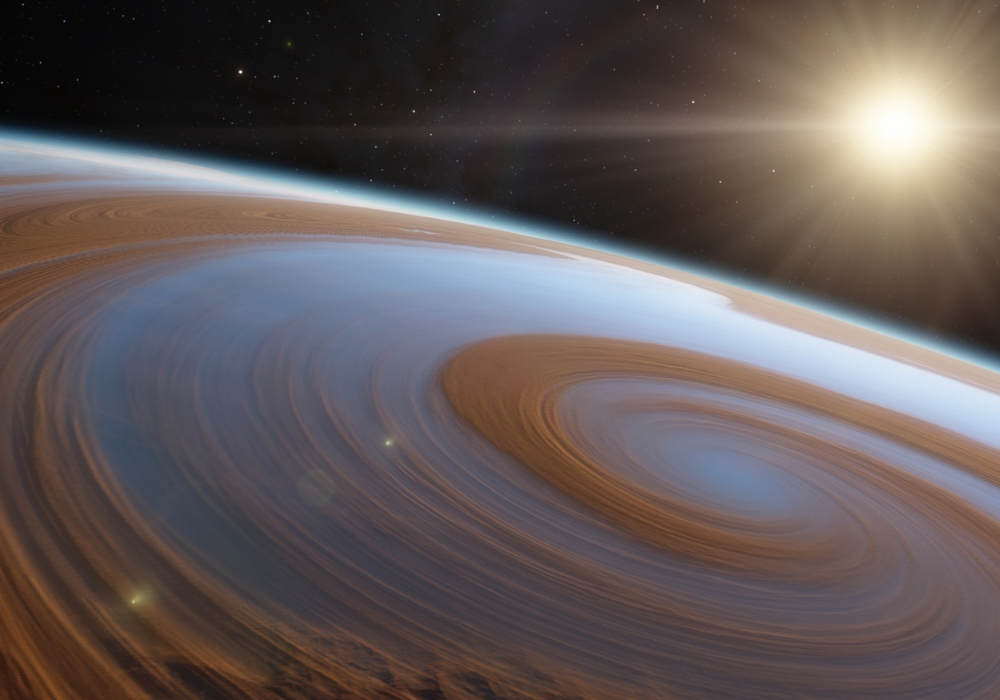
Detecting spacecraft-sized entities close to giant planets is relatively rare, marking this observation as significant. Rarity piques scientific curiosity, prompting further investigation into what conditions allowed such an object’s existence and visibility.
Rarity also implies that each discovery carries unique insights about the solar system. Exploring uncommon objects brings depth to our understanding; each one reveals different aspects of cosmic scenarios and challenges present theories about planetary system dynamics.
10. Studying this object could reveal clues about the early solar system’s formation.
Examining this object could unlock secrets about our solar system’s nascent stages. By analyzing material components or orbital patterns, scientists draw parallels to early solar formation processes.
Learning about these formative years enriches the narrative of our cosmic neighborhood’s evolution, from dust and gas to structured entities like planets. This contributes broadly to astrophysical studies, offering retrospective insights into the origins and maturity of our immediate galaxy environment.
11. Follow-up observations will determine if the object is artificial or natural in origin.
Follow-up surveys aim to discern whether the object is of artificial or natural descent. Such determinations involve deep analysis, as both paths suggest varying histories and future implications.
Elucidating the object’s origin is crucial—linking it to artificial origins might raise implications for human exploration footprints, while a natural source would enhance discourse on space matter distribution. In either case, further monitoring will offer clarity.
12. Astronomers use both visible and infrared wavelengths to analyze the object’s surface.
Astronomers deploy both visible and infrared wavelengths to study the object’s surface, offering a more comprehensive understanding of its characteristics. Each wavelength unveils different aspects, providing a richer visual narrative of its composition and surface features.
By using multiple wavelengths, researchers gain insights into temperature, texture, and material types. These high-resolution imaging techniques help compile a more holistic picture, essential for comprehending the object’s role within the planetary system and potential interactions.