
The early-universe object is devouring matter at rates once thought impossible.

Astronomers have spotted a black hole that seems to be breaking the rules of physics. According to new research, the object is growing 2.4 times faster than current theories say should be possible. Found in the early universe, this black hole is swallowing matter at an almost unbelievable rate. Scientists say the discovery challenges long-held ideas about how black holes form and grow, forcing researchers to rethink one of space’s biggest mysteries.
1. A Black Hole That Shouldn’t Exist
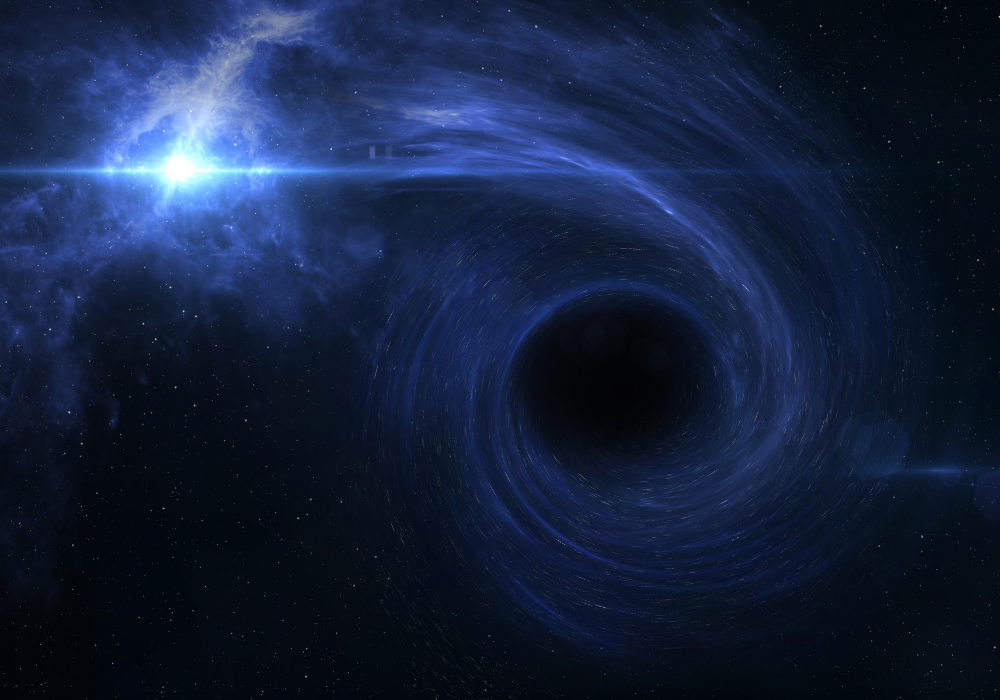
Astronomers have identified a black hole in the early universe that appears to be defying physics. According to a recent study, the object is growing at 2.4 times the theoretical maximum speed that scientists believed possible. This rate of growth shouldn’t happen under current models of black hole behavior.
The finding has stunned researchers who expected such objects to obey strict physical limits. Instead, this discovery suggests that black holes may be capable of evolving in ways that scientists do not yet fully understand.
2. What Astronomers Actually Found

The black hole in question was spotted inside a quasar, an incredibly bright object powered by a black hole feeding on gas and dust. By measuring the light emitted, scientists were able to estimate how fast the black hole is growing.
The numbers didn’t add up. Instead of following predicted growth limits, the black hole appeared to be devouring matter at impossible speeds. The discovery came as a shock to experts, who now face tough questions about whether current models of cosmic physics are incomplete.
3. Why the 2.4 Times Figure Matters

Scientists already knew black holes could consume matter rapidly, but there was thought to be a strict upper limit to this process. Known as the “Eddington limit,” this theoretical boundary describes how quickly a black hole can grow before radiation pushes material away.
This black hole seems to be exceeding that limit by a factor of 2.4. Such a discrepancy challenges a cornerstone of astrophysics. If more examples are found, it may mean the Eddington limit isn’t as universal as once believed, forcing experts to refine long-held theories.
4. Quasars Light the Way
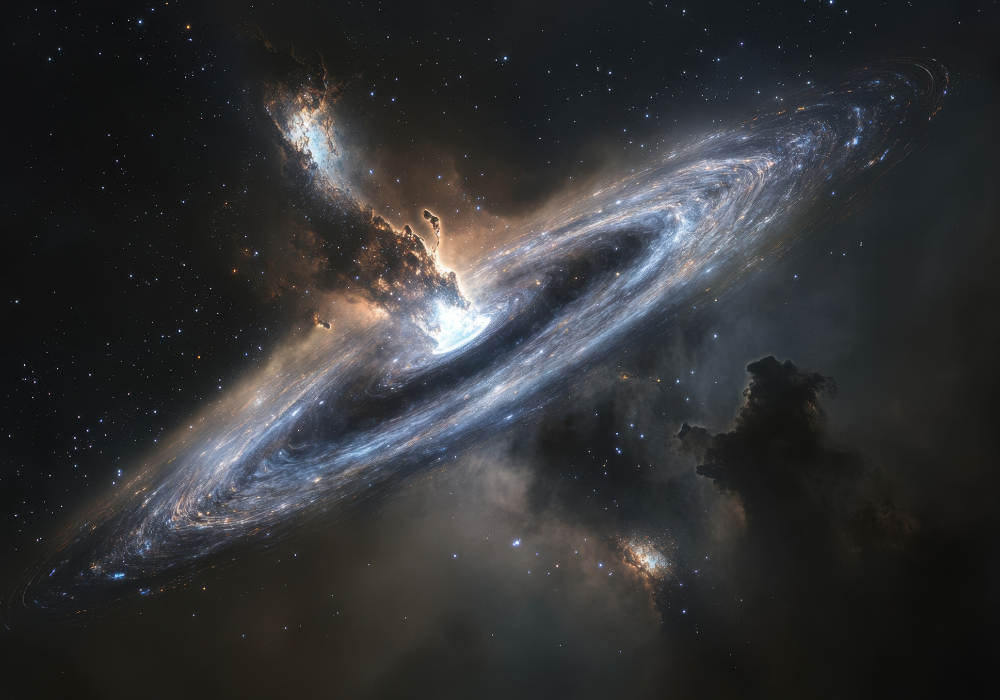
Quasars are among the brightest objects in the universe. They form when a supermassive black hole at the center of a galaxy consumes surrounding material. As matter spirals inward, it heats up and emits powerful light visible across billions of light-years.
By studying this light, astronomers can learn about black holes that would otherwise be invisible. In this case, the quasar’s brightness revealed the shocking growth rate of its central black hole. Without quasars, many of the most distant and mysterious black holes would remain undetectable.
5. A Glimpse Into the Early Universe
The black hole was discovered in the early universe, just a few hundred million years after the Big Bang. At that time, galaxies and stars were still forming, making discoveries from this period especially valuable.
Finding such a massive and rapidly growing black hole so soon after the universe began raises new questions. How could an object of this size have developed so quickly? The discovery suggests either new physics is at play, or black holes formed much earlier and faster than scientists previously believed.
6. Why This Breaks the Rules
Under standard models, black holes can’t simply keep feeding endlessly. Radiation pressure from falling matter pushes back, creating a balance that sets the Eddington limit. This limit is one of the most fundamental rules in astrophysics.
Yet this black hole seems to be breaking that rule. If the finding holds, it means the universe has conditions or processes that allow black holes to sidestep what was once thought an unbreakable law. This could have profound implications for how scientists understand cosmic evolution.
7. Possible Explanations Scientists Are Considering

Researchers are now exploring how this could be happening. One theory is that the black hole is pulling in matter in uneven flows or streams, allowing it to bypass normal limits. Another idea suggests powerful magnetic fields may help funnel matter inward.
Some scientists argue we may be missing pieces of the physics involved. The early universe may have had unique conditions that made extreme black hole growth possible. More observations will be needed to test these theories and uncover the true explanation.
8. The Role of Modern Telescopes

Discoveries like this are possible thanks to modern observatories that can peer deep into the universe. Instruments like the Very Large Telescope in Chile and the James Webb Space Telescope are helping scientists study faint, distant quasars with unprecedented detail.
By analyzing the light spectra, researchers can measure the mass and growth rates of black holes billions of light-years away. This black hole’s astonishing growth rate was revealed through such careful measurements, showing how vital new technology is to reshaping our understanding of the cosmos.
9. What It Means for Black Hole Theory
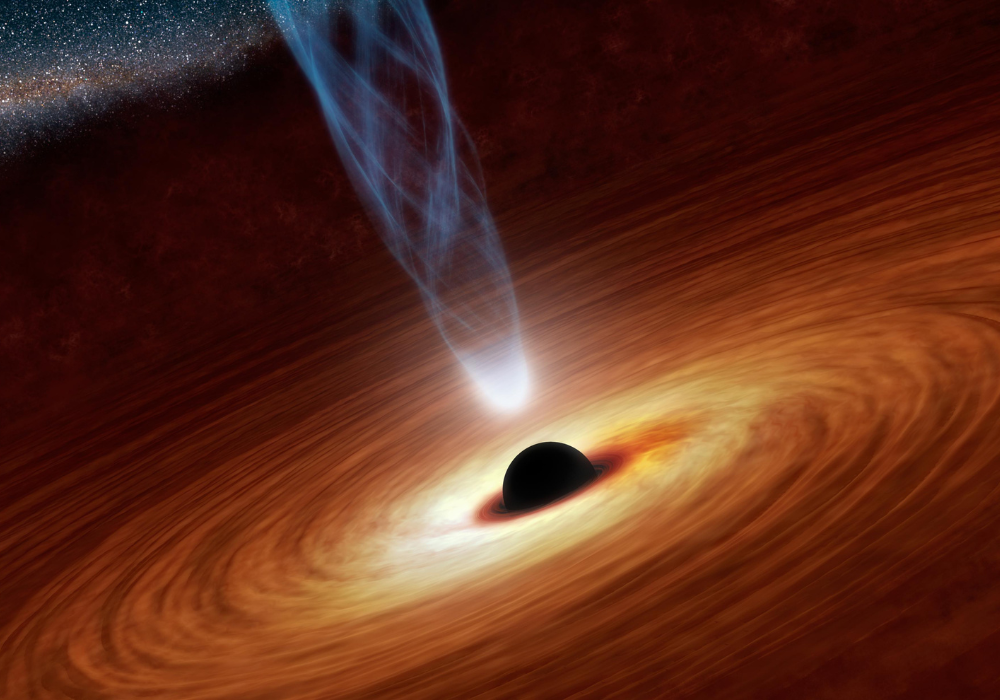
If black holes can indeed grow faster than the Eddington limit, many existing models of how galaxies and cosmic structures form will need to be revised. Black holes play a central role in shaping galaxies, regulating star formation, and influencing cosmic evolution.
A faster growth rate could help explain why some supermassive black holes in the early universe appear larger than expected. It also raises questions about how common this phenomenon might be, and whether other black holes are quietly breaking the rules in similar ways.
10. Why This Discovery Matters to You
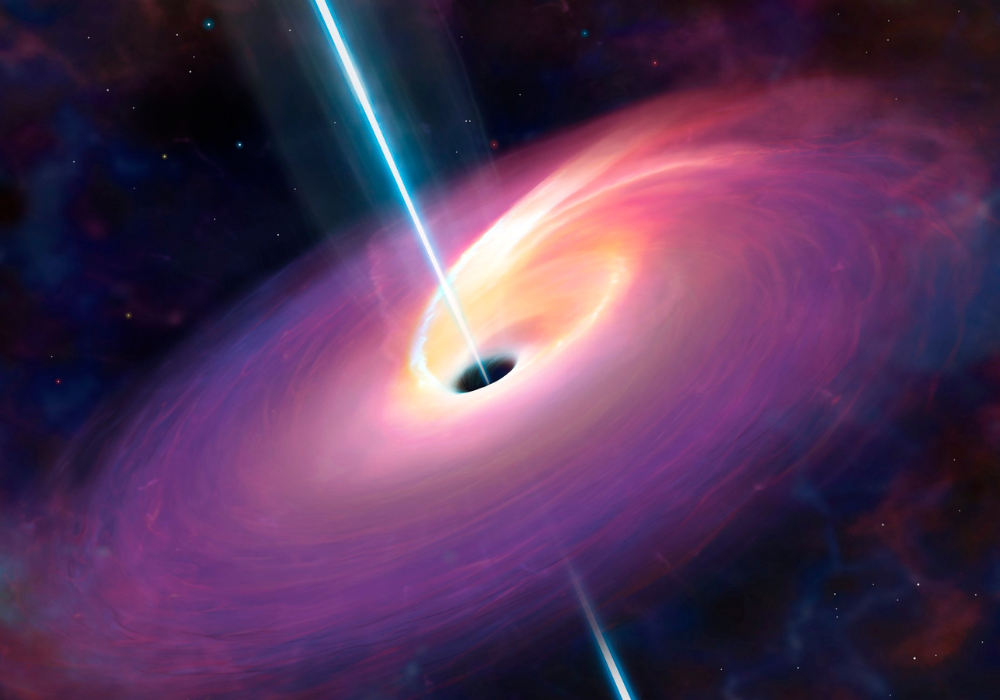
While black holes may seem far removed from daily life, discoveries like this affect our broader understanding of the universe. If the laws of physics don’t apply as neatly as once thought, it shows how much mystery still surrounds the cosmos.
For the average reader, it’s a reminder of science’s evolving nature. Even the most confident theories can be upended by new evidence. This discovery demonstrates that the universe still holds surprises that can transform what we think we know about reality itself.
11. A Challenge to Established Physics

The idea that the Eddington limit could be surpassed is a direct challenge to a key principle of astrophysics. For decades, this limit has been accepted as a defining boundary for black hole growth. Seeing evidence that contradicts it forces scientists back to the drawing board.
Such discoveries are both unsettling and exciting. They remind researchers that science is never settled — it evolves as new observations come in. This black hole could become a case study that reshapes how future generations of scientists understand the universe.
12. What Comes Next in the Search

Scientists plan to keep searching for other black holes that grow at similar speeds. If more examples are found, it will confirm that this discovery is not a one-off but part of a broader pattern.
Future telescopes will play a big role in this effort. The James Webb Space Telescope, for instance, is capable of looking further back in time than ever before. Each new discovery will help determine whether this rule-breaking black hole is an oddity or evidence of a deeper cosmic truth.