
Scientists say our galaxy alone could be teeming with unseen worlds waiting to be discovered.

Astronomers have now confirmed the existence of more than 6,000 exoplanets—planets that orbit stars outside our solar system. Using telescopes like NASA’s Kepler and TESS, scientists have detected these worlds through subtle dips in starlight and other observation methods. The discoveries range from scorching gas giants larger than Jupiter to rocky, Earth-sized planets. Researchers say these findings represent only a fraction of what’s out there. Based on current estimates, the Milky Way alone could contain billions of exoplanets, many still waiting to be discovered.
1. Astronomers Have Confirmed More Than 6,000 Exoplanets
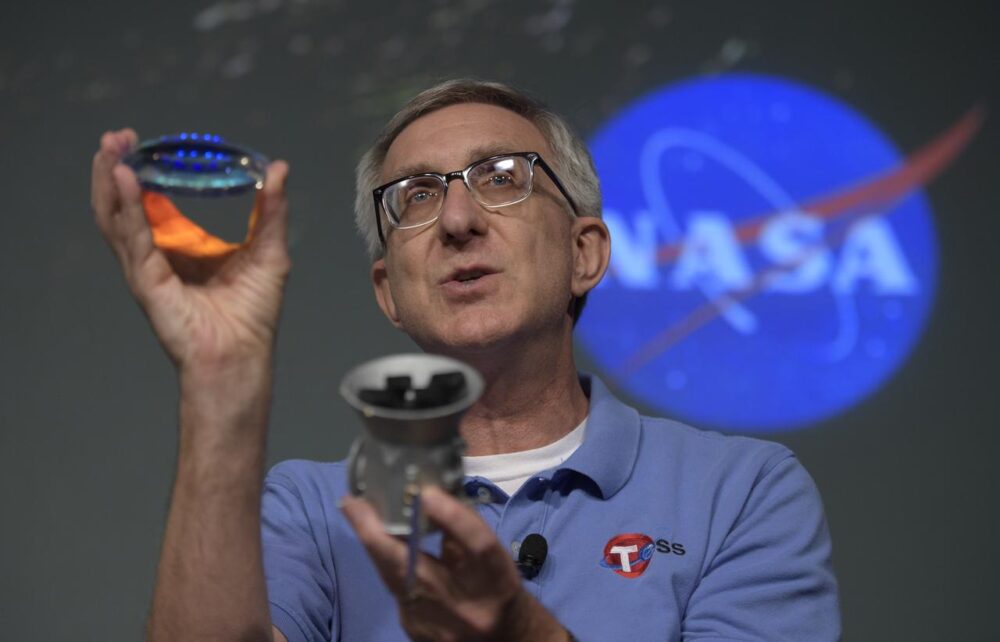
Exoplanets are planets that orbit stars outside our solar system. Since the 1990s, astronomers have confirmed over 6,000 of them using telescopes and detection methods that can identify tiny changes in starlight. Each new planet expands our understanding of how common planetary systems are in the galaxy.
The pace of discovery has accelerated thanks to space telescopes like NASA’s Kepler, which revolutionized the field by monitoring thousands of stars. With newer missions like TESS continuing the search, scientists expect the confirmed count to rise steadily over the coming years.
2. The First Exoplanet Discovery Was in 1992
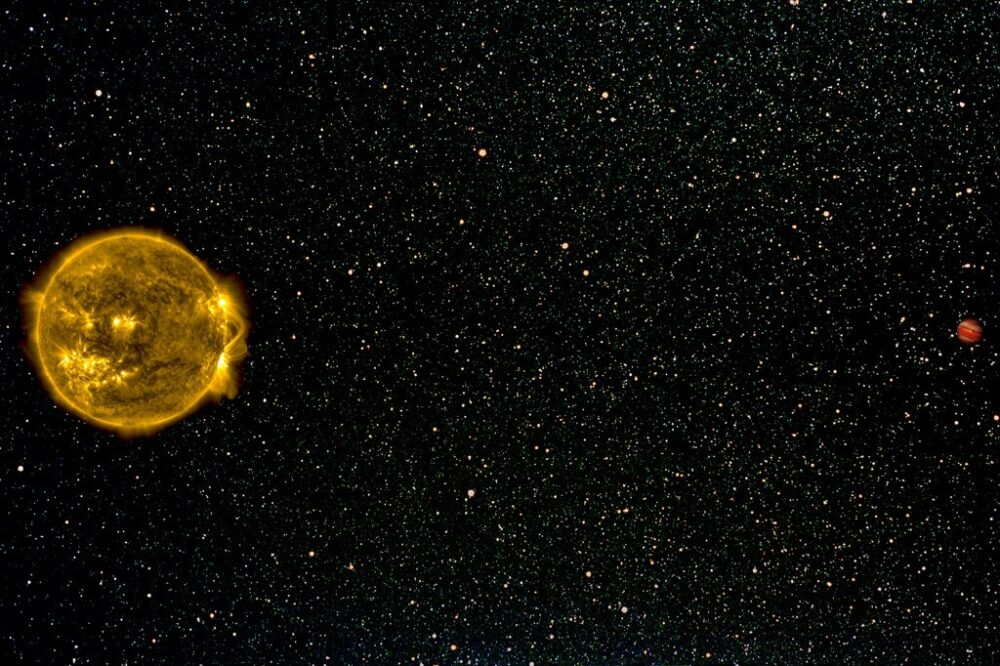
The first exoplanets ever confirmed were found in 1992 orbiting a pulsar, a dense remnant of an exploded star. These planets surprised scientists because no one expected worlds to exist around such extreme environments. Just three years later, in 1995, astronomers confirmed the first exoplanet around a sun-like star.
This discovery, known as 51 Pegasi b, was a massive gas giant orbiting unusually close to its star. It marked the beginning of modern exoplanet science, showing that planetary systems could be far more diverse than the solar system we know.
3. NASA’s Kepler Mission Changed Everything

Launched in 2009, the Kepler Space Telescope monitored more than 150,000 stars for nearly a decade. Its sensitive instruments detected small dips in brightness when planets crossed in front of their host stars, a technique called the transit method.
Kepler discovered thousands of exoplanets, including many Earth-sized worlds in their stars’ habitable zones. These findings reshaped astronomy by proving that planets are common throughout the galaxy. The mission’s data is still being analyzed today, offering fresh discoveries long after the telescope stopped operating in 2018.
4. The TESS Telescope Is Continuing the Search
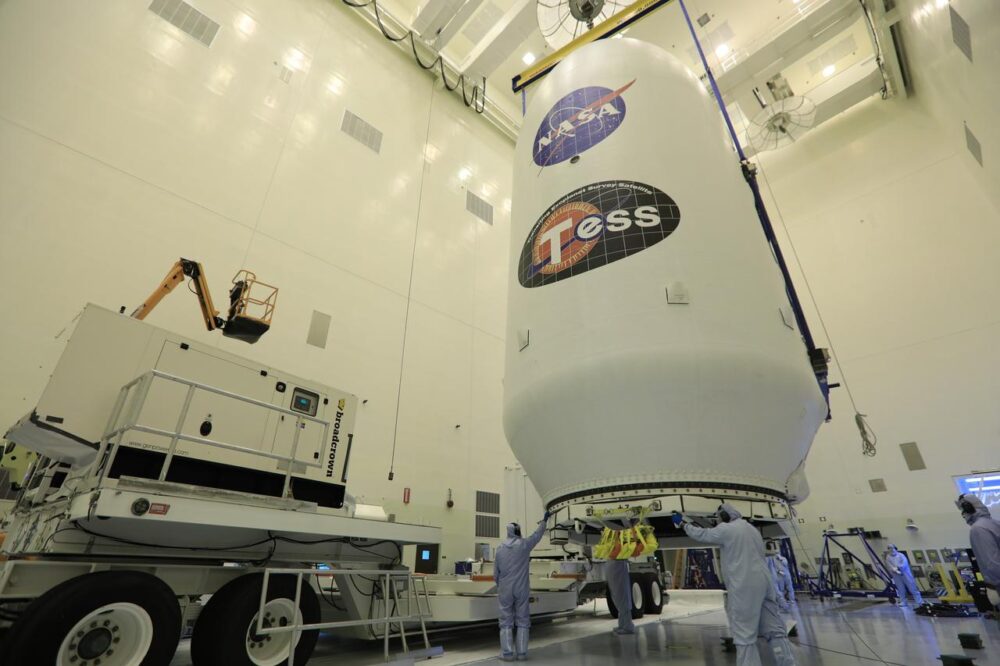
NASA’s Transiting Exoplanet Survey Satellite (TESS), launched in 2018, is building on Kepler’s legacy. Unlike Kepler, which focused on a small section of the sky, TESS scans nearly the entire sky for exoplanet candidates.
So far, TESS has found thousands of promising signals, many of which will likely be confirmed as exoplanets. By focusing on nearby stars, TESS is identifying planets that could be studied in greater detail by next-generation telescopes such as the James Webb Space Telescope (JWST).
5. Detection Methods Go Beyond Transits

While the transit method is the most productive, astronomers use several other techniques to detect exoplanets. The radial velocity method measures how a star wobbles slightly due to the gravitational pull of an orbiting planet. Direct imaging, though challenging, captures faint light from planets themselves.
Gravitational microlensing, another technique, detects planets when their gravity bends light from a background star. Each method has strengths and weaknesses, but together they provide a fuller picture of exoplanet diversity. These complementary approaches confirm discoveries and uncover worlds missed by other methods.
6. Exoplanets Range From Giants to Earth-Like Worlds
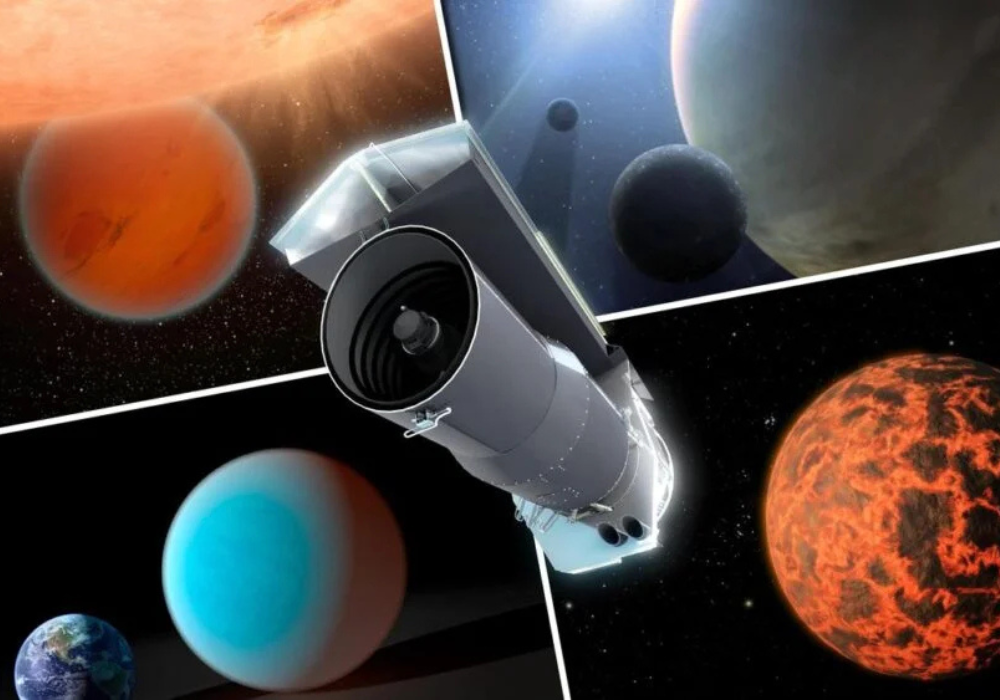
The thousands of exoplanets found so far reveal stunning variety. Some are gas giants larger than Jupiter, orbiting scorchingly close to their stars. Others are rocky planets similar in size to Earth.
Astronomers have even identified “super-Earths,” planets larger than Earth but smaller than Neptune. These may represent a type of world not found in our solar system. This diversity shows that planetary systems can form in many different ways, making the galaxy far stranger and more fascinating than once imagined.
7. The Habitable Zone Matters Most for Life
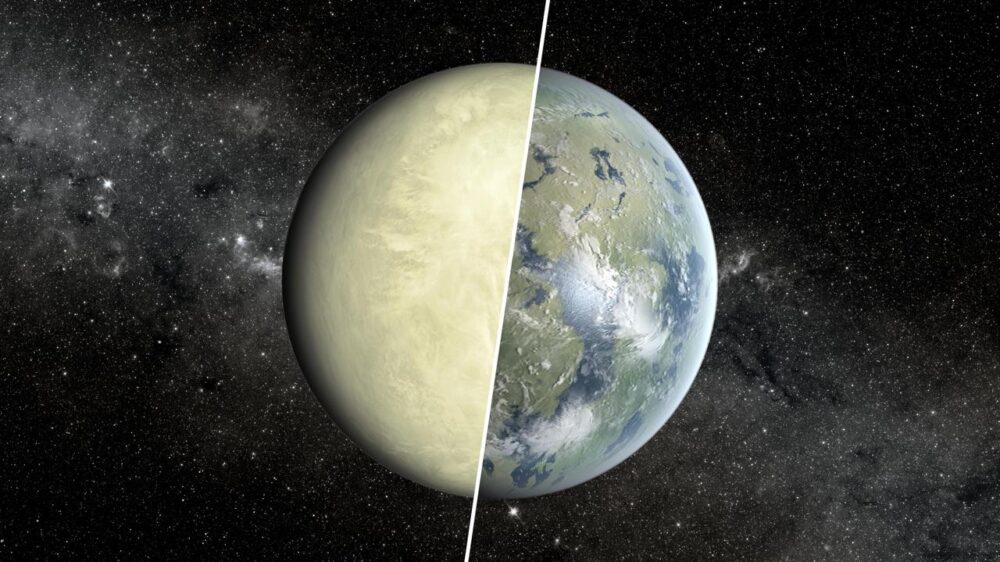
A key focus of exoplanet research is the “habitable zone,” the orbital region where liquid water could exist on a planet’s surface. Many Earth-sized planets have been found within these zones, raising hopes they might host conditions suitable for life.
While being in the habitable zone doesn’t guarantee habitability, it provides a starting point for further study. Factors like atmosphere, magnetic fields, and geology also play critical roles. Still, the sheer number of planets in habitable zones suggests the possibility of life elsewhere cannot be ruled out.
8. The James Webb Space Telescope Is a Game-Changer
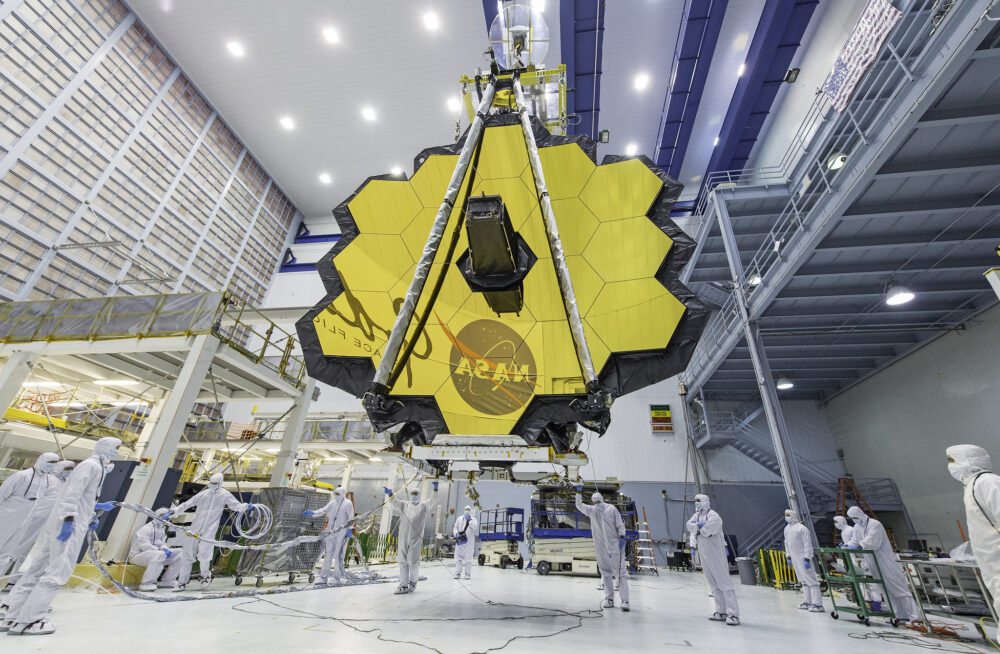
Launched in 2021, the James Webb Space Telescope (JWST) is revolutionizing exoplanet science. It can analyze starlight passing through exoplanet atmospheres, detecting molecules such as water vapor, methane, and carbon dioxide.
This ability gives scientists the best chance yet of identifying worlds with conditions suitable for life. Already, JWST has provided detailed atmospheric readings of several exoplanets, revealing surprising compositions. While it cannot yet detect life directly, it represents the most powerful tool humanity has to search for habitable environments beyond Earth.
9. There Could Be Billions of Exoplanets in Our Galaxy

Based on data from Kepler and other surveys, astronomers estimate that the Milky Way alone could host hundreds of billions of exoplanets. Many stars likely have planets, and some systems may contain multiple worlds.
Statistical models suggest that Earth-sized planets in habitable zones may number in the tens of billions. These staggering figures suggest that planetary systems are the rule rather than the exception. The discovery of 6,000 confirmed planets is just the beginning of exploring this vast population.
10. Some Exoplanets Are Truly Extreme
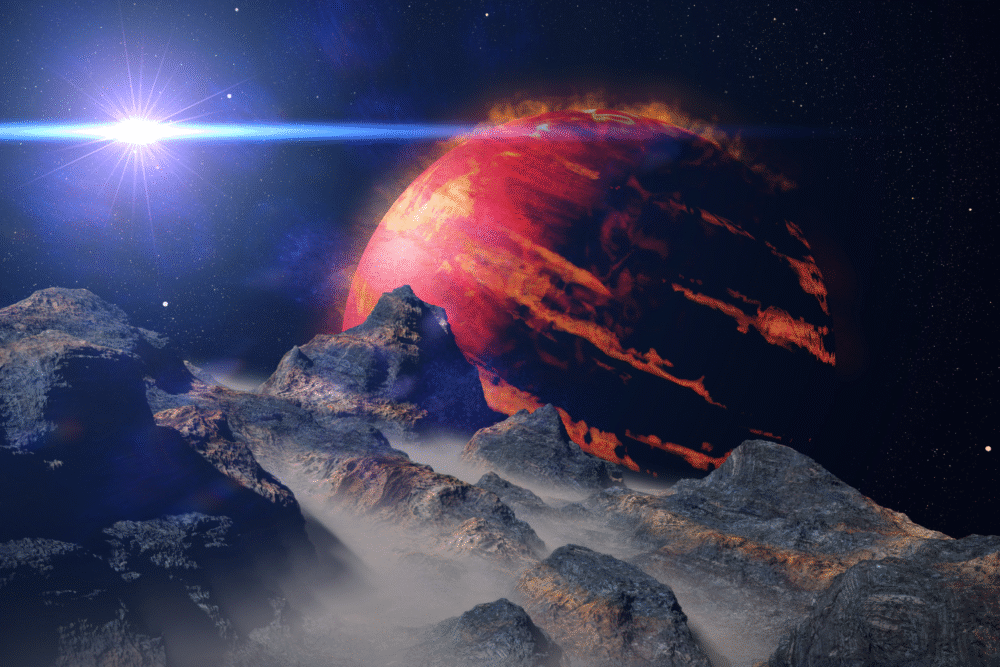
Not all exoplanets resemble anything in our solar system. Some orbit so close to their stars that their surfaces may be covered in lava oceans. Others, called “hot Jupiters,” are massive gas giants circling their stars in just a few days.
There are also “rogue planets” drifting freely through space, not bound to any star. These exotic worlds challenge our understanding of how planets form and evolve. Each discovery forces scientists to refine theories of planetary science, proving the universe is full of surprises.
11. The Search for Life Is Just Beginning
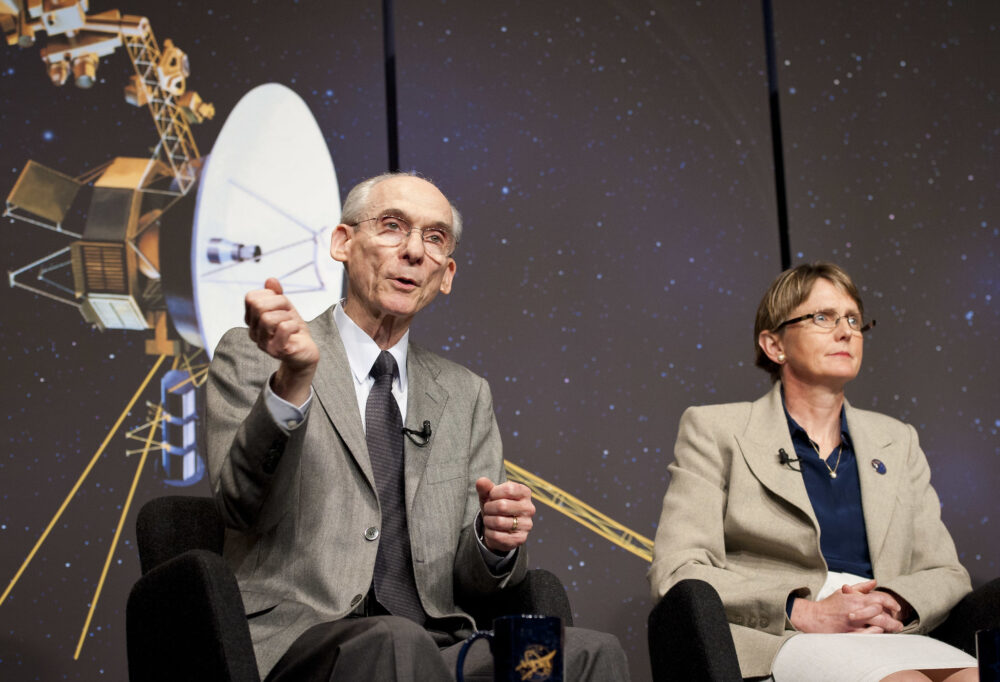
The ultimate goal of exoplanet research is to determine whether life exists elsewhere in the universe. Scientists are beginning to identify planets that could be studied for biosignatures—chemical signs of life in their atmospheres.
While no confirmed evidence of extraterrestrial life has been found, the discovery of thousands of planets makes the search more promising than ever. Each new world represents another opportunity to understand whether Earth is unique or part of a larger cosmic pattern of life-bearing planets.