
Lake Mead’s falling levels threaten water, power, recreation, and the economy across the American Southwest.
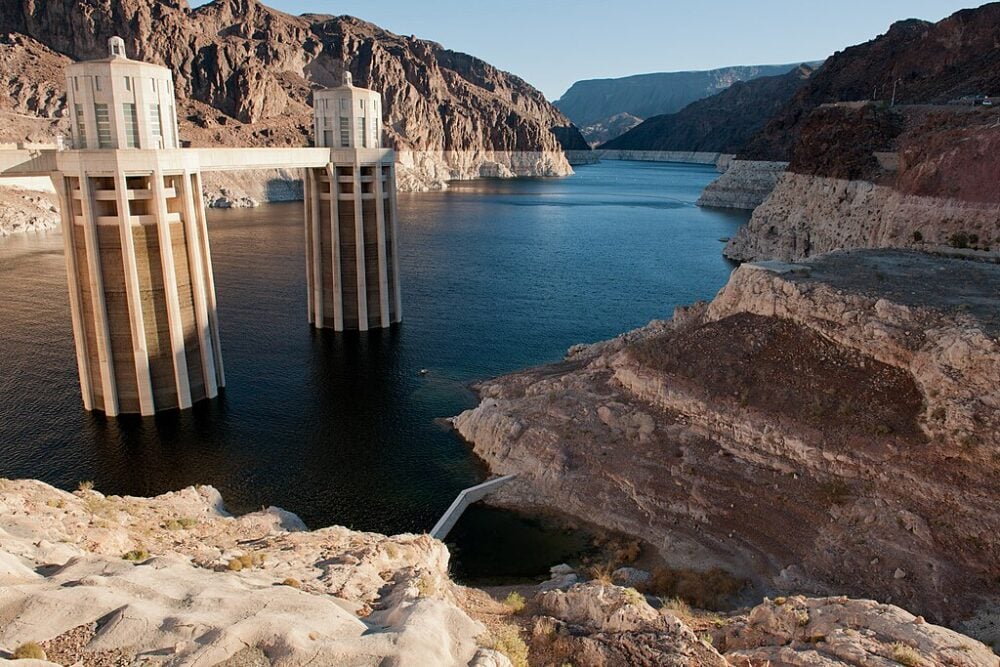
Lake Mead is the largest reservoir in the United States, formed by the Hoover Dam on the Colorado River and straddling the states of Arizona and Nevada about 24 miles east of Las Vegas. It supplies drinking water to millions of people across Arizona, California, Nevada, and even into Mexico, and supports farms, cities, and power generation throughout the region.
But ongoing drought, long-term climate shifts, and high demand have pushed Lake Mead’s water levels down for more than two decades, triggering a cascade of increasingly serious consequences.
As water levels drop, impacts ripple farther than the shoreline. Experts warn that the situation is becoming more difficult to manage and could affect water security, energy costs, and regional planning if current trends continue.
1. Water levels are at historic lows and trending downward
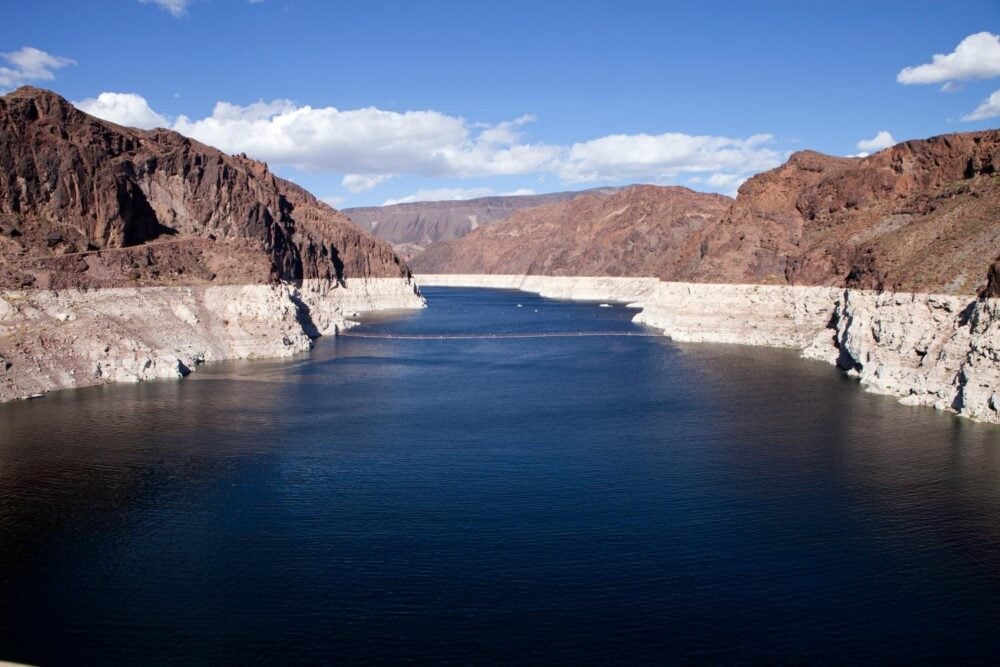
Lake Mead has been significantly below full capacity for years due to prolonged drought and extended dry conditions across the Colorado River Basin. Snowmelt from the Rockies, which once replenished the reservoir, has been reduced by a combination of warmer temperatures and lower precipitation.
Scientists say the reservoir’s elevation has fallen far enough to trigger shortage conditions under federal water-sharing guidelines. That means states drawing from the Colorado River are legally required to reduce their water use to preserve remaining supplies. The ongoing downward trend marks one of the most sustained drops in the lake’s history and underscores the broader challenges facing the region’s water future.
2. Shortages affect how water is shared among states
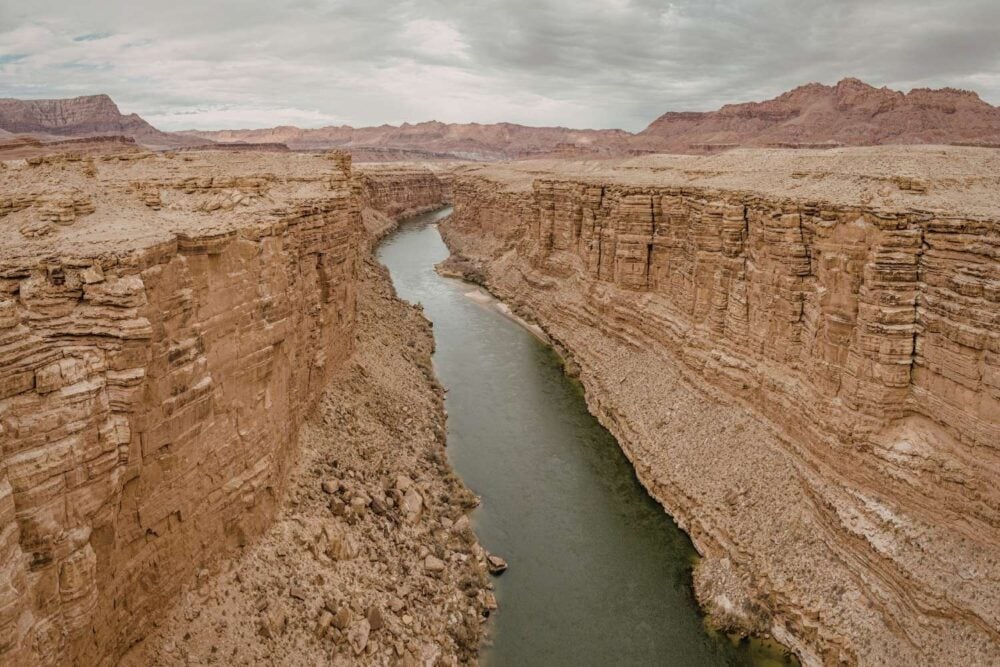
Lake Mead’s declining elevation has activated provisions of long-standing water agreements that govern how the Colorado River is divided. Under these rules, falling water levels first trigger lower deliveries to states with junior water rights, often affecting Arizona and Nevada more than California.
As the lake drops further, states may face deeper curtailments, forcing cities and farmers to adjust how much water they can use. Negotiations among the seven basin states have become more urgent and complex as authorities attempt to avoid even steeper cuts. These legal triggers show how a shrinking lake reshapes policy and cooperation across state lines.
3. Drinking water supplies are stretched thin

Lake Mead supplies water to more than 20 million people in the Southwest. As levels fall, cities must carefully manage reduced inflows while balancing residential, commercial, and agricultural needs.
Many communities have implemented water-saving measures and conservation programs to stretch supplies. Without broader solutions to drought and demand, officials warn that water access could become less reliable for homes and businesses.
4. Hydropower generation is at risk
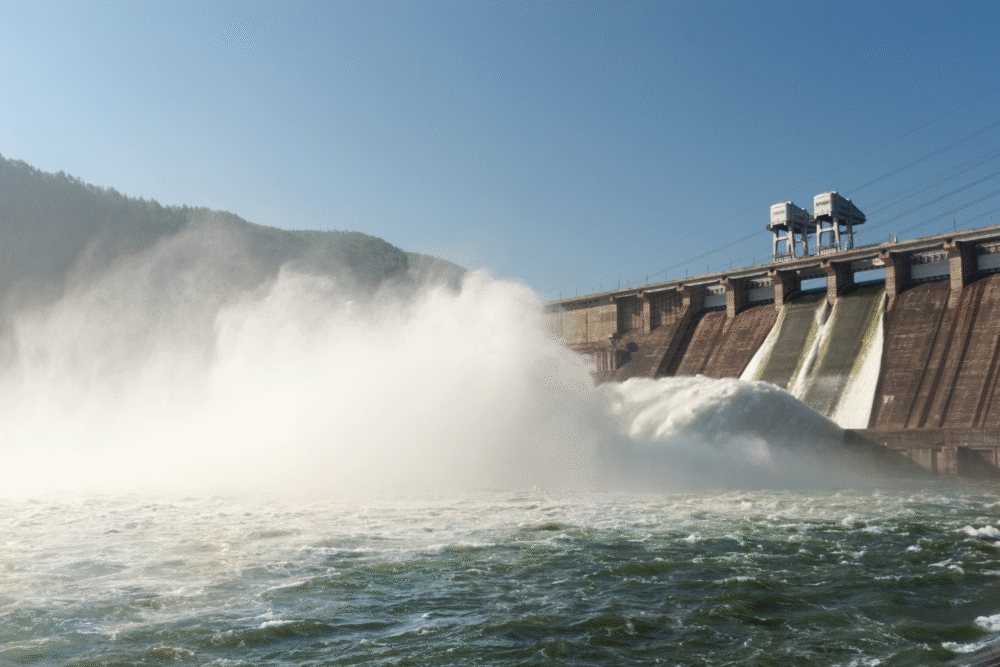
Lower water levels affect more than drinking water—they also impact power. Hydroelectric plants like those at Hoover Dam depend on sufficient water pressure to spin turbines and generate electricity.
Federal forecasts suggest that continued drops could reduce or limit power production, pushing utilities to seek alternative, more expensive energy sources. That shift could ripple into higher energy costs for consumers and strain regional power grids.
5. Recreation and tourism suffer as the lake shrinks
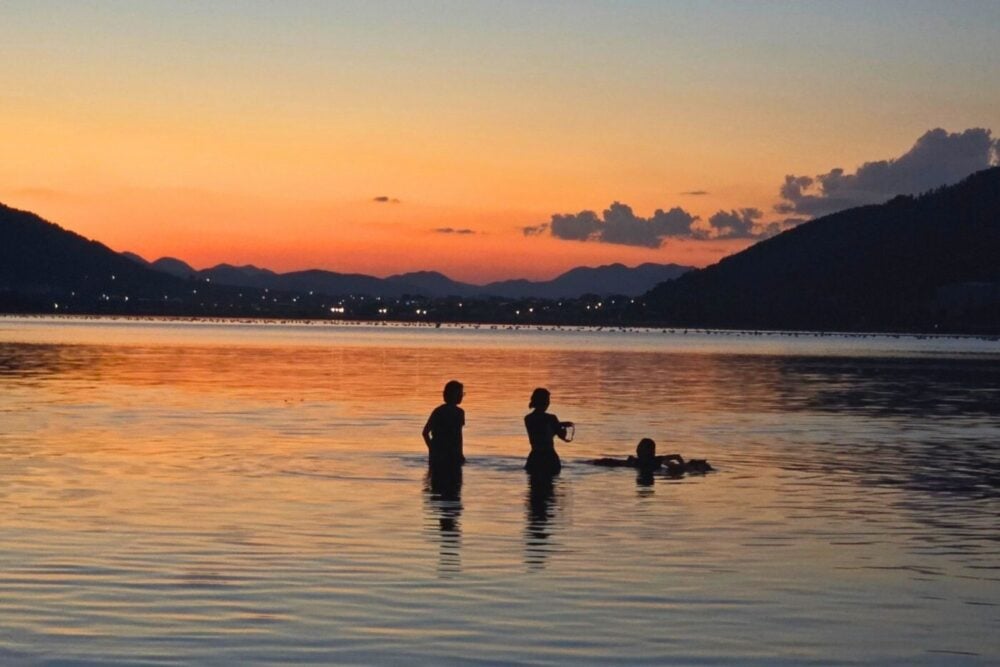
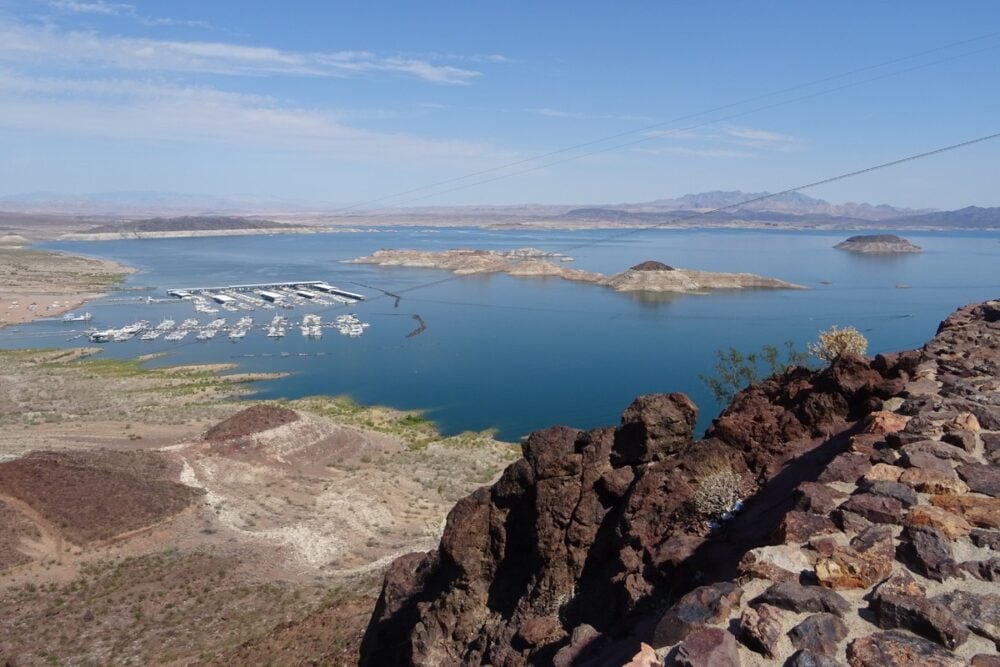
Recreation is a major part of Lake Mead’s local economy, drawing visitors for boating, fishing, and camping. As water recedes, many boat ramps and marinas have closed or moved because they no longer reach the water.
Fewer recreational opportunities mean fewer visitors, which in turn impacts local businesses and jobs tied to tourism. The landscape itself is visibly changing, with previously submerged shoreline and structures re-emerging as water disappears.
6. Former shoreline features are resurfacing
As water levels fall, features that were underwater for decades have begun to reappear. The ghost town of St. Thomas, Nevada, once submerged when the reservoir filled, has resurfaced and become visible again.
While this can be intriguing for visitors and historians, it also underscores how dramatically the lake’s footprint is changing. These remnants are stark reminders of how much water has been lost.
7. Agriculture and industry face tougher constraints
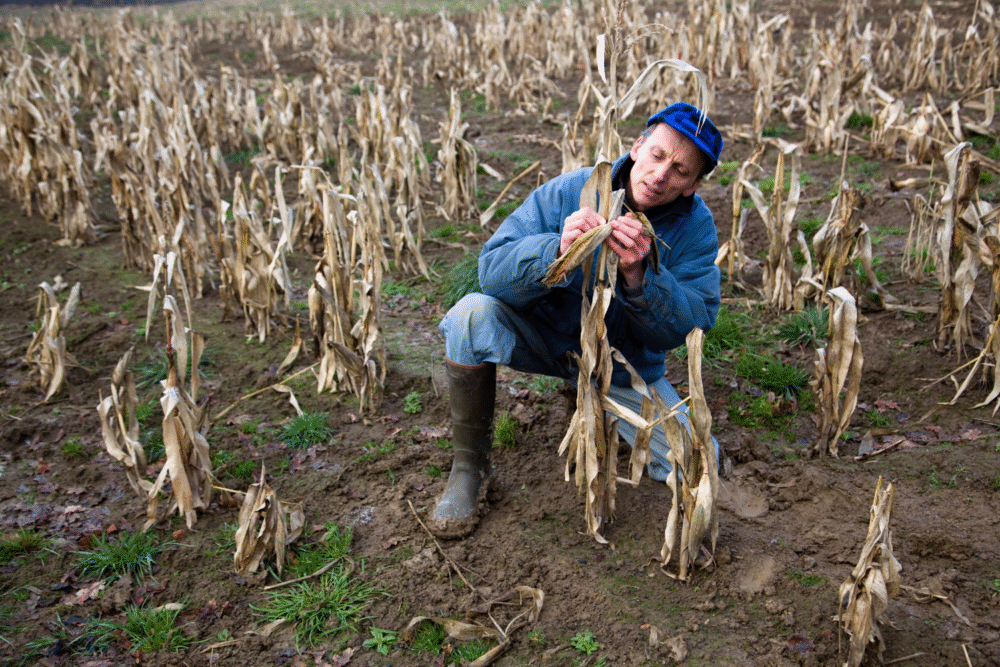
Water allocations from Lake Mead support large areas of farmland and key industries throughout the Southwest. As shortages grow, farmers may be forced to leave fields fallow or switch to less water-intensive crops.
This can reduce agricultural output and affect food supply chains. Industries that depend on reliable water flows could also see higher operating costs or production limits if cuts deepen.
8. Tribal nations and rural communities are especially affected

Many tribal communities and rural areas rely on Colorado River water for homes, agriculture, and cultural needs. Reduced flows and tighter allocations put pressure on long-standing water rights and community resources.
These impacts can exacerbate disparities in water access and highlight the complexities of equitable water management across the basin.
9. Conservation efforts have helped—but risks remain
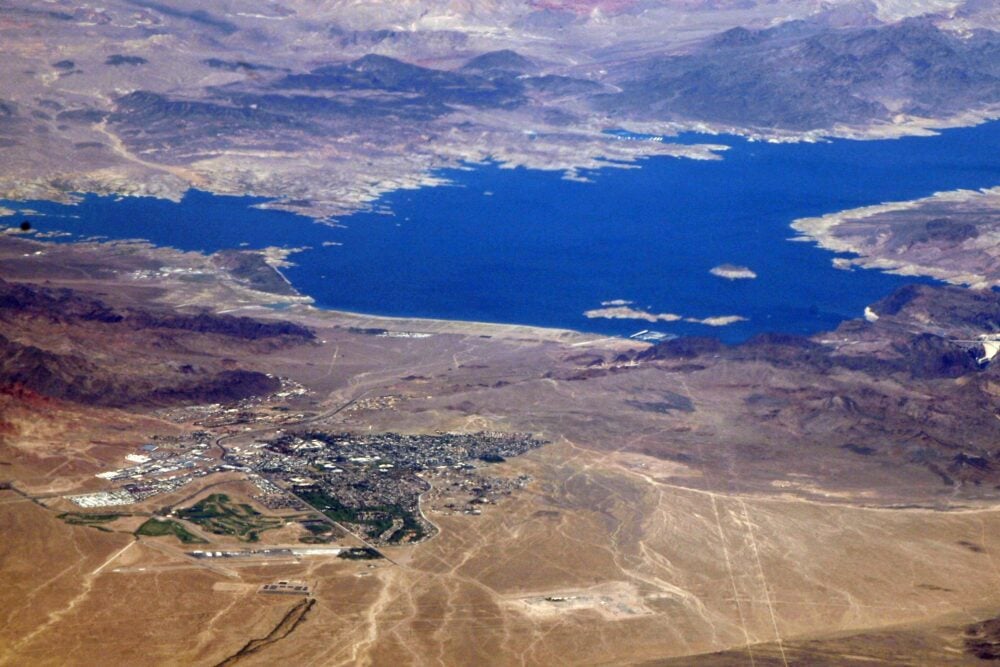
Long-term conservation has prevented even steeper declines; without these efforts, water levels would be significantly lower than they are today. Measures such as reduced use and improved efficiency have provided measurable benefit.
Still, experts warn that conservation alone may not be enough if drought persists and demand continues to rise. The lake’s trajectory shows the limits of current strategies.
10. Climate change continues to intensify pressure
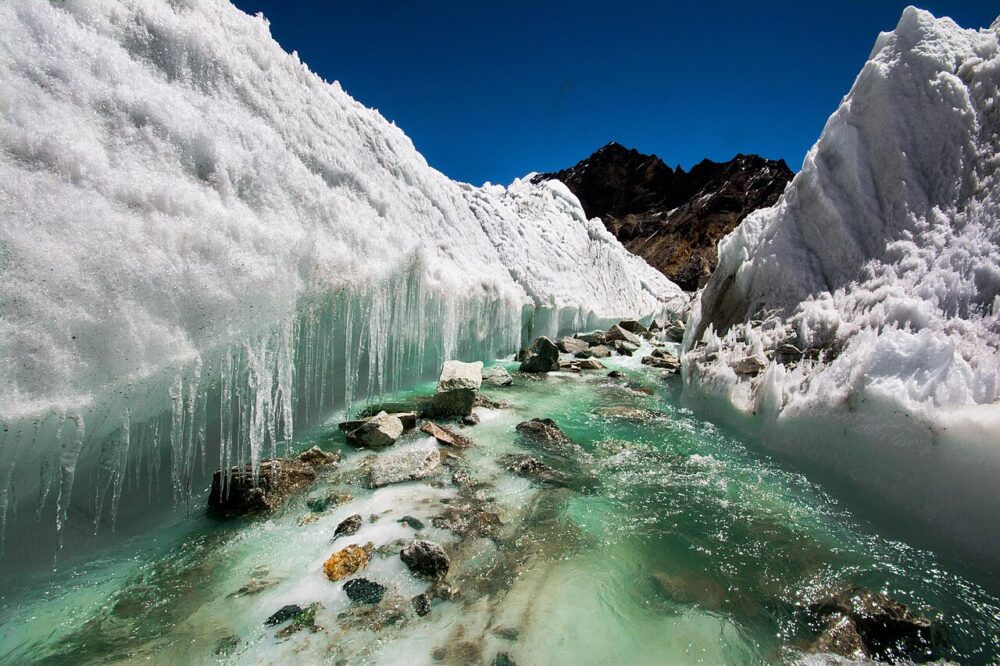
Warmer temperatures and changing precipitation patterns contribute to reduced snowpack in the Colorado River headwaters. Snow drought conditions limit the flow of meltwater into reservoirs like Lake Mead each year.
As these trends continue, the region’s water system may see more frequent lows and shortages. Scientists emphasize that addressing climate impacts is key to long-term sustainability.
11. The shrinking lake raises tough questions about the future
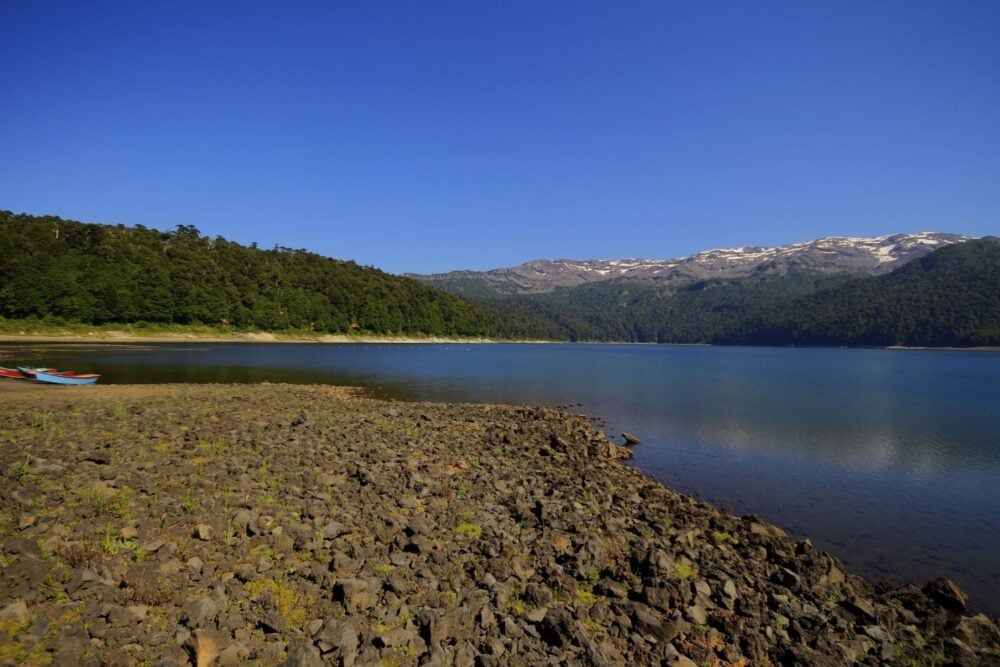
Lake Mead’s ongoing decline is more than a local water issue; it reflects broader challenges facing the American West. How communities, states, and nations adapt to dwindling water supplies could shape economic, environmental, and social outcomes for decades.
What happens next will depend on cooperation among diverse stakeholders and innovative approaches to water management. The lake’s shrinking levels are a reminder that scarcity can force difficult choices—and that water systems once thought secure are now in flux.