
Major staffing gaps at key National Weather Service offices raise concerns for future storms.
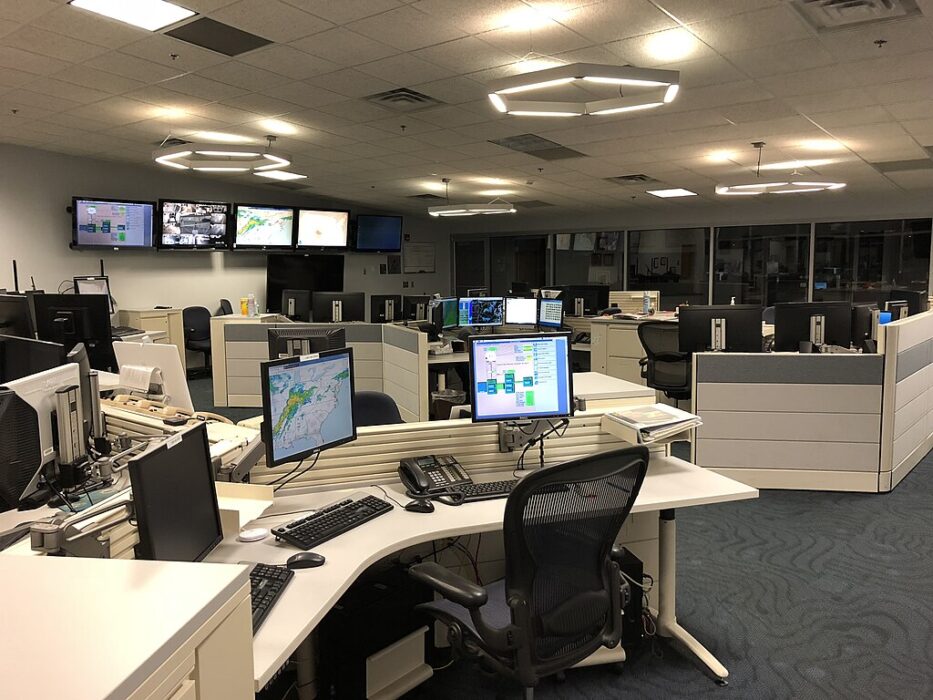
As the 2025 Atlantic hurricane season comes to a close, meteorologists warn that many National Weather Service offices along the Gulf Coast and in Puerto Rico remain significantly understaffed—some missing nearly a third of their meteorologists. According to internal data cited by The Guardian, the shortages stem from earlier hiring freezes and slow replacement of retiring staff. While the NWS maintained core coverage this season, experts say the persistent gaps could pose challenges for future storms, especially as hurricanes grow more intense and unpredictable.
1. This Year’s Season Exposed Persistent Staffing Problems
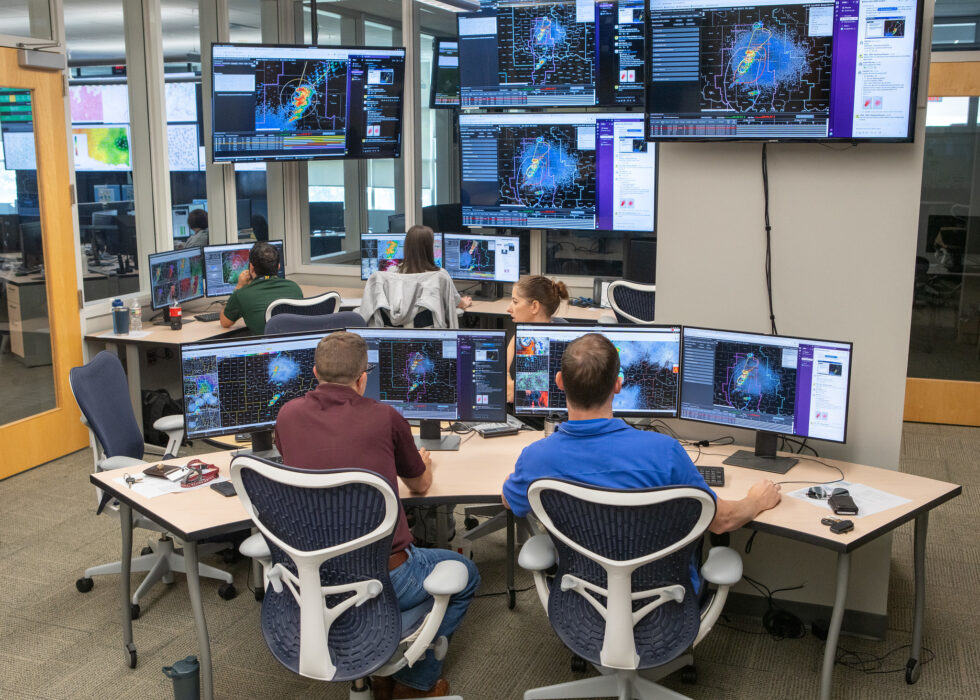
During the 2025 hurricane season, multiple National Weather Service offices entered the year with major staffing shortages. Some Gulf Coast and Caribbean locations operated with about 30% fewer meteorologists—an issue highlighted in pre-season data and still unresolved as the season wraps up.
These gaps didn’t prevent basic coverage, but forecasters say they forced offices to stretch existing staff across more shifts than usual. Meteorologists warn that relying on thin staffing for multiple seasons increases the risk of forecast delays during fast-changing storms.
2. Hiring Freezes From Previous Years Still Affect Operations

The shortages trace back to job cuts and a hiring freeze implemented under the Trump administration, which slowed the replacement of staff who retired or left the agency. Those decisions continue to affect operations today because specialized meteorologist positions can take months to fill.
Although hiring resumed in later years, recovering from the backlog has proven difficult. As a result, several offices remain below recommended staffing levels even after the end of this year’s storm activity.
3. Local Forecasting Was Stretched Thin During Peak Storms
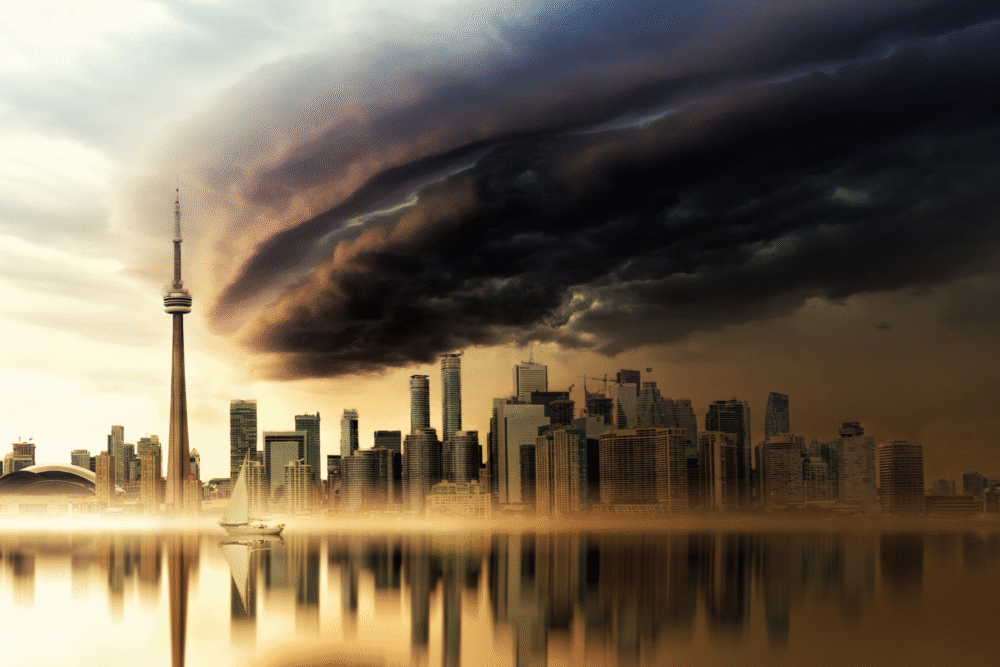
This season underscored how vital local meteorologists are when storms strengthen quickly. While national centers provide broad forecasts, local offices interpret radar, wind patterns, and rainfall shifts that determine when warnings need to be issued.
With fewer staff available, meteorologists say it was more challenging to maintain the constant, overlapping monitoring needed during the highest-impact moments. Even if warnings were issued on time, the strain behind the scenes was evident.
4. Some Offices Struggled to Maintain 24/7 On-Site Coverage

Several Gulf Coast and Caribbean offices faced difficulty maintaining around-the-clock on-site staffing during quieter parts of the season. While emergency protocols ensured coverage when needed, the lack of full-time personnel made overnight operations more demanding.
Forecasters emphasize that nothing replaces having trained staff physically present when a storm quickly strengthens or shifts course. As next year approaches, they hope to rebuild enough staffing to restore normal round-the-clock coverage.
5. Intensifying Hurricanes Increase the Need for More Staff
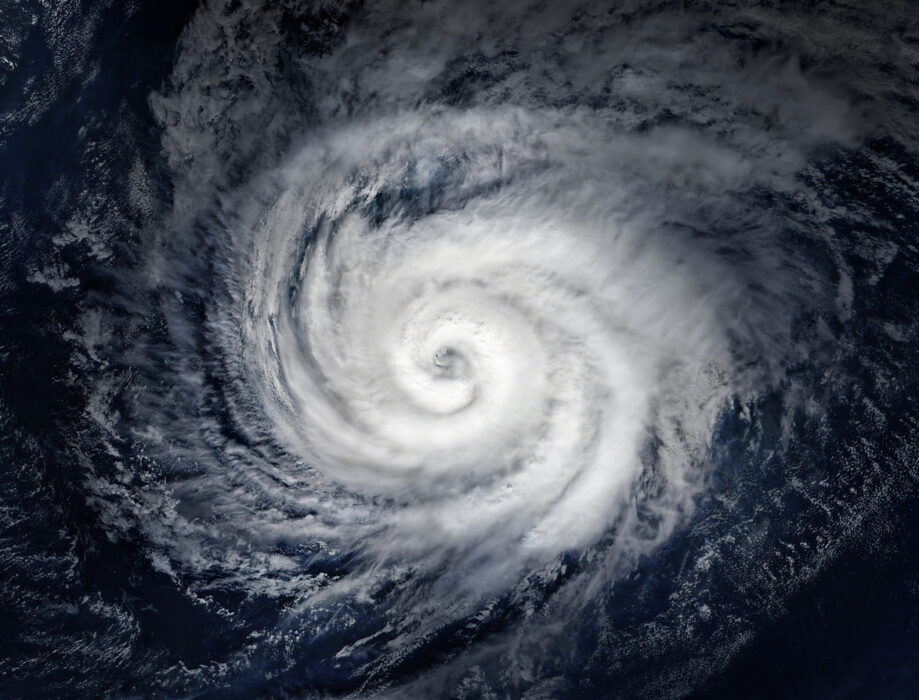
Research from NOAA continues to show that rapid intensification events—where hurricanes strengthen dramatically within a day—are becoming more common. This season saw multiple storms intensify faster than initially forecast, demanding constant, real-time reassessment.
Meteorologists warn that future seasons may bring more of these high-pressure situations. With storms evolving more quickly, understaffed offices could struggle to keep up with the real-time analysis required to issue precise local alerts.
6. Puerto Rico’s Forecast Office Remains a Major Concern
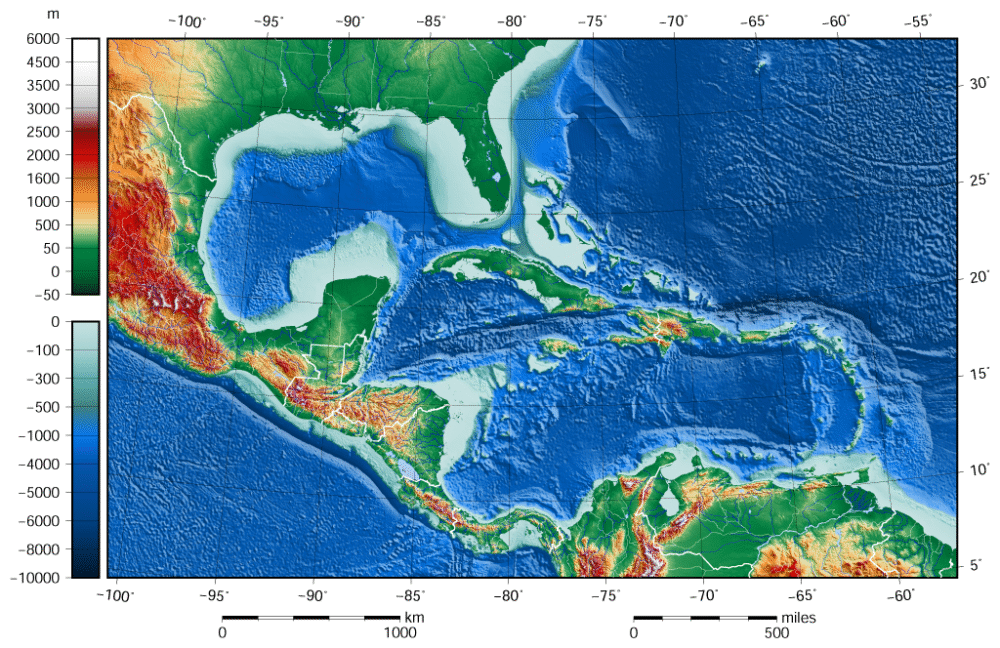
Puerto Rico—home to more than 3 million U.S. citizens—entered this hurricane season with significant staffing gaps. The office covers a region known for devastating storms like Maria (2017) and Fiona (2022), making its demands especially high.
Meteorologists say the Caribbean’s unique vulnerability to rapid storm growth makes it essential for the office to be fully staffed. But as the season closes, many of its vacancies still remain unfilled.
7. Gulf Coast States Rely Heavily on Local Warnings

Texas, Louisiana, Mississippi, Alabama, and Florida face some of the nation’s most severe hurricane impacts. Local NWS offices provide storm surge alerts, tornado warnings, and rainfall projections that national centers cannot tailor precisely.
During this season, these offices managed to maintain service but operated under strain due to fewer forecasters available for overlapping shifts. Emergency managers say they hope staffing improves before next year’s storms arrive.
8. Meteorologists Warn the System Is Approaching a “Snapping Point”
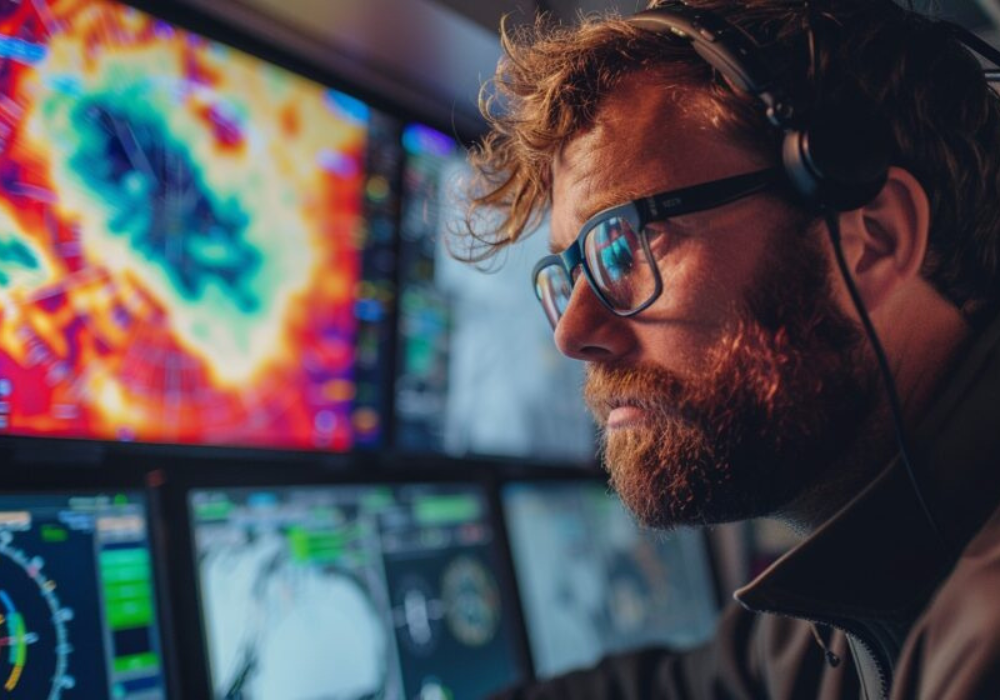
Several forecasters quoted in the original reporting described the staffing situation as nearing a “snapping point,” meaning existing staff are covering too many shifts and too many roles. Burnout and turnover become more likely under such pressure.
If vacancies persist into next season, even a single resignation or illness at a key office could limit its ability to issue real-time local warnings during high-impact events.
9. The National Hurricane Center Still Depends on Local Offices
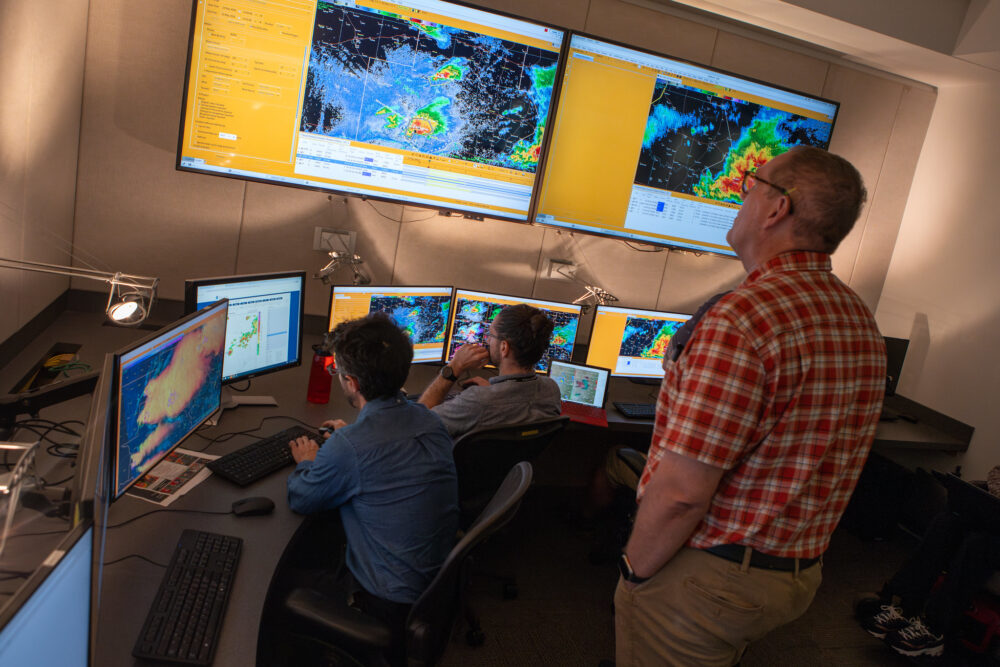
While the National Hurricane Center determines storm tracks and intensity, local offices issue evacuation recommendations, coastal flood alerts, and tornado warnings tied to landfall. These localized alerts depend on regional meteorologists who understand local geography and hazards.
This season highlighted how crucial those offices are. Any continued staffing shortfalls could affect how quickly national forecasts translate into specific local action plans.
10. Technology Helps, But It Can’t Replace Skilled Meteorologists

Satellite data, radar systems, and advanced models were crucial tools this season, but meteorologists say they cannot replace specialized human interpretation. Automated systems cannot yet evaluate the complex visual cues that forecasters rely on during rapidly evolving storms.
This season proved that when storms behaved unpredictably, human judgment was still essential. Experts caution that future seasons will demand even more trained forecasters—not fewer.
11. Emergency Agencies Are Calling for Faster Hiring

Emergency managers across the Gulf and Caribbean regions have increasingly voiced concerns about understaffed forecast offices. While no breakdowns in service occurred this season, they warn that relying on a thin staff year after year can introduce unnecessary risks.
With the season ending, they’re urging federal leaders to accelerate hiring and restore full staffing levels before next year brings another round of tropical threats.
12. Experts Say Now Is the Time to Prepare for Next Year
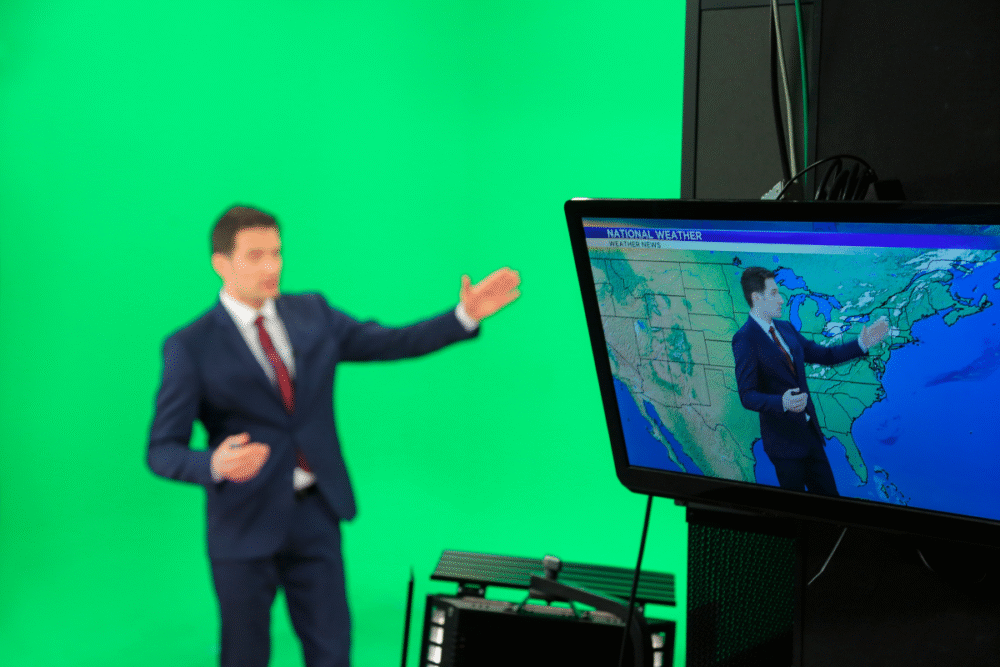
With hurricane season drawing to a close, meteorologists stress that this is the critical window for strengthening the system. Hiring new forecasters, training replacements, and filling vacancies will take months—meaning work must begin now to be ready for next year.
Experts emphasize that improving staffing levels now will help ensure faster, more precise local warnings when next year’s storms inevitably return.