
Meet the visionaries using garbage to spark conversation and reimagine sustainability.

As the planet grapples with a growing waste crisis, a bold movement in the art world is turning discarded debris into creative protest. From ocean plastic and industrial scrap to e-waste and food packaging, artists are reclaiming what society throws away and transforming it into arresting works that challenge how we see the environment—and ourselves. These creators aren’t just making art; they’re raising awareness about consumption, pollution, and the consequences of throwaway culture.
Their works straddle the line between beauty and discomfort, forcing viewers to reckon with the materials we mindlessly discard. This fusion of environmentalism and artistry is reshaping both the gallery and the conversation, proving that even the ugliest remnants of human waste can become powerful, transformative symbols in the hands of visionaries who refuse to look away.
1. Bordalo II builds colossal animal sculptures from urban trash.
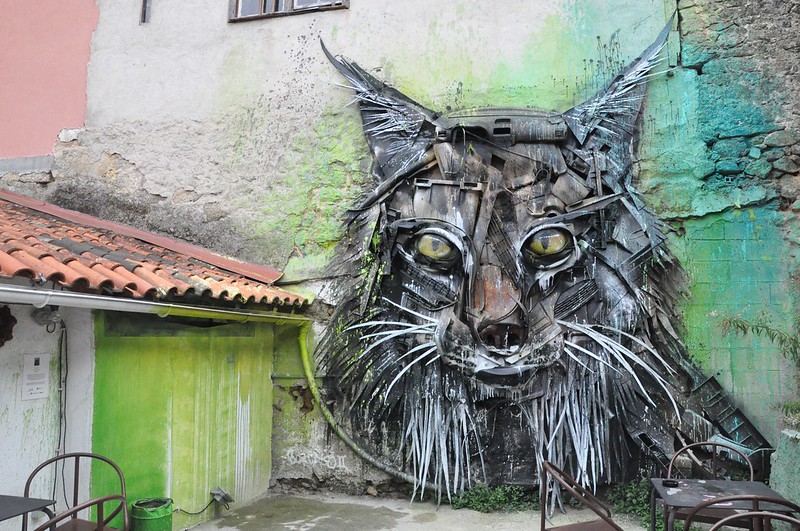
Portuguese artist Bordalo II (Artur Bordalo) has made a global mark with his “Big Trash Animals” series—giant, hyper-real animal sculptures crafted from discarded tires, plastic, and scrap metal. Installed on building facades and public spaces, these creatures—from a towering frog in Lisbon to a massive mountain lion in Texas—highlight how wildlife is threatened by humanity’s waste.
Bordalo calls them “artivism,” saying the materials themselves are part of the message: we’re literally killing creatures with our garbage. His installations shift perspectives—viewers can’t ignore plastic pollution when it forms a 20-foot-long bear emerging from a dumpster. Bordalo’s work transforms waste into urgent wildlife messages that resonate worldwide.
2. Thomas Dambo’s trolls rise from reclaimed wood in forests worldwide.
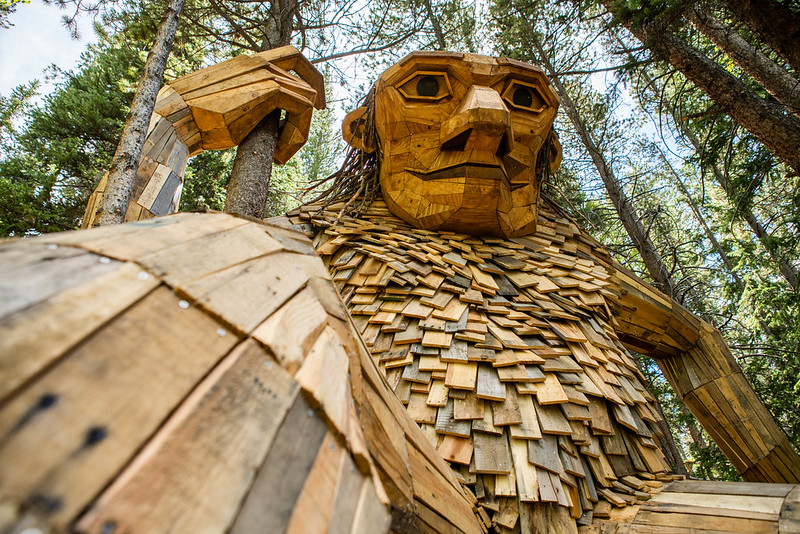
Danish sculptor Thomas Dambo creates whimsical giant trolls—some up to 40 feet tall—using recycled wood pallets and old furniture in forests across more than 20 countries. Each troll, like those in his “Trail of a Thousand Trolls,” carries messages of sustainability and emphasizes that “one man’s trash is another man’s treasure,” as Dambo says. Local volunteers help build them, turning litter and unused wood into playful guardians of the forest.
These trolls attract millions of visitors and strike emotional chords—blending fairy-tale aesthetics with urgent ecological narratives. Their presence encourages people to explore, respect, and reconnect with nature through the lens of creative reuse.
3. Benjamin Von Wong stages powerful photo installations from ocean plastic.
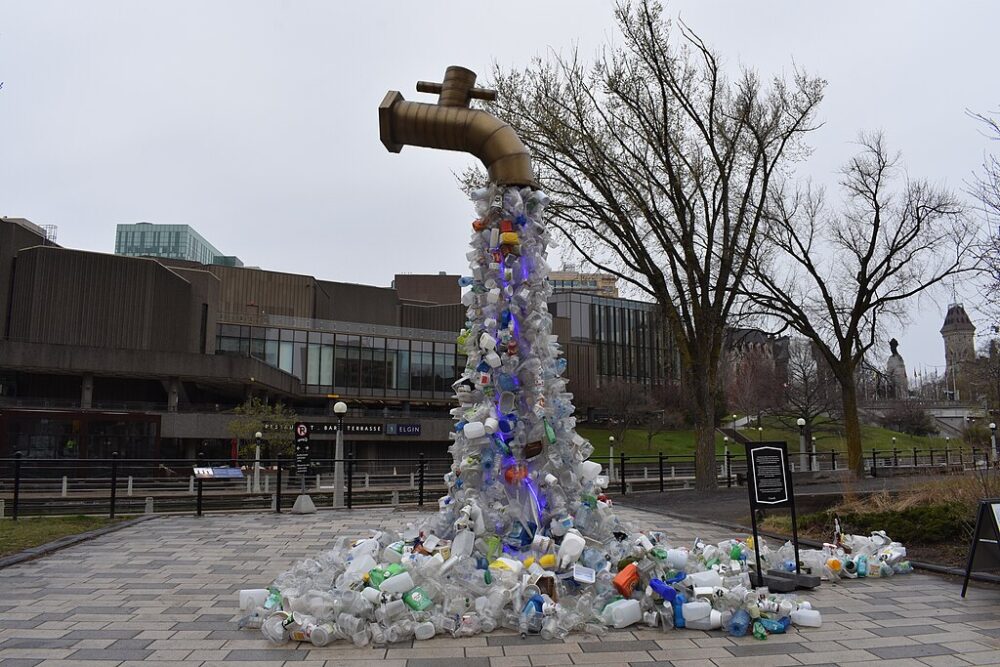
Canadian artist and activist Benjamin Von Wong uses photography to transform massive globs of marine plastic into haunting installations. In one viral piece, he built a floating spigot pouring plastic cups into the ocean, symbolizing how “every minute we dump a truckload of plastic into the sea.” He combines dramatic visuals with storytelling to move audiences beyond abstractions. Von Wong explains that his goal is “to compel followers to act rather than spectate.”
His installations don’t hide the horror of pollution—they showcase it as art, compelling viewers to consider their personal impact and inspiring grassroots cleanup campaigns globally.
4. Leo Sewell assembles quirky sculptures from yard-sale and dump finds.
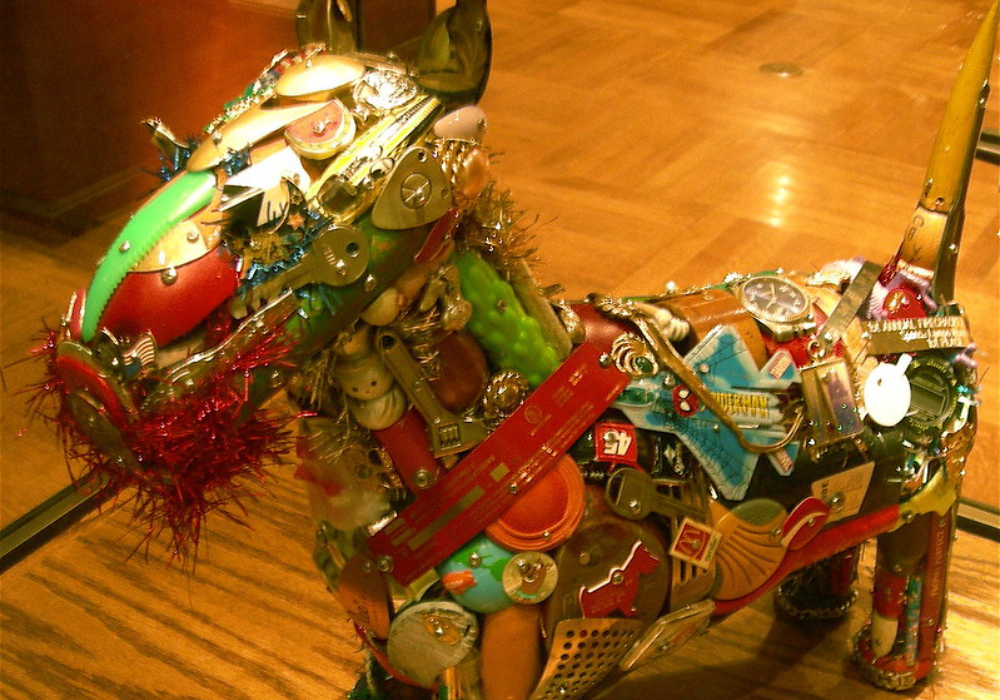
American found‑object artist Leo Sewell literally scavenges his raw materials—from flea markets, dumps, and curbside—to build animals, figures, and portraits. His sculptures, in collections across 40 museums, reveal vibrant ecosystems made out of eclectic detritus: keys, toys, tools, and more. Each piece feels playful and deeply human because the objects carry their own histories.
Sewell sees trash as a “palette of memory,” saying the act of salvaging is as meaningful as the sculpting. His work reminds us our waste is composed of lived experiences, and that beauty can rise from the randomness of discarded life—a hopeful, tactile counterpoint to fast-produced plastic.
5. Nnenna Okore crafts ephemeral installations from food waste and paper.
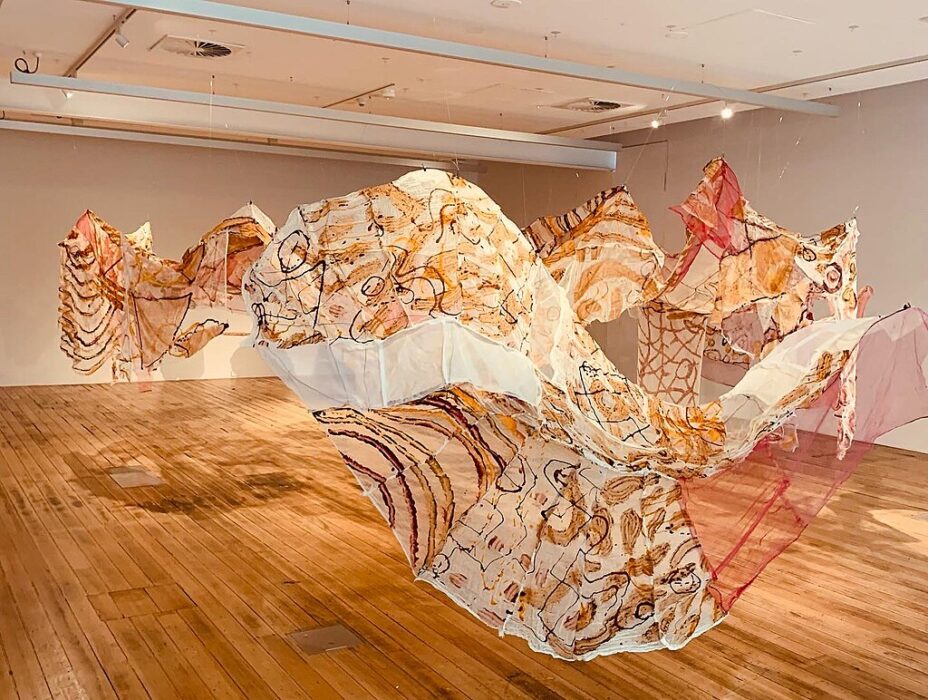
Nigerian–American artist Nnenna Okore transforms organic refuse—like coffee grounds, food scraps, paper and fabric—into woven, textured wall pieces and bioplastics. Her process is repetitive, labor-intensive, and deeply rooted in ecological awareness. Okore’s complex forms reflect cycles of decay, regeneration, and the fragility of life. Each strand of fiber echoes roots or veins, reminding viewers that waste is part of a living system.
She often uses scraps from domestic waste, turning them into materials that speak to renewal through craft. The ephemeral quality of her work highlights the impermanence of materials and urges us to reconsider waste as a resource for creative rebirth.
6. Johnson Zuze turns poaching tools and plastic into vibrant conservation icons.
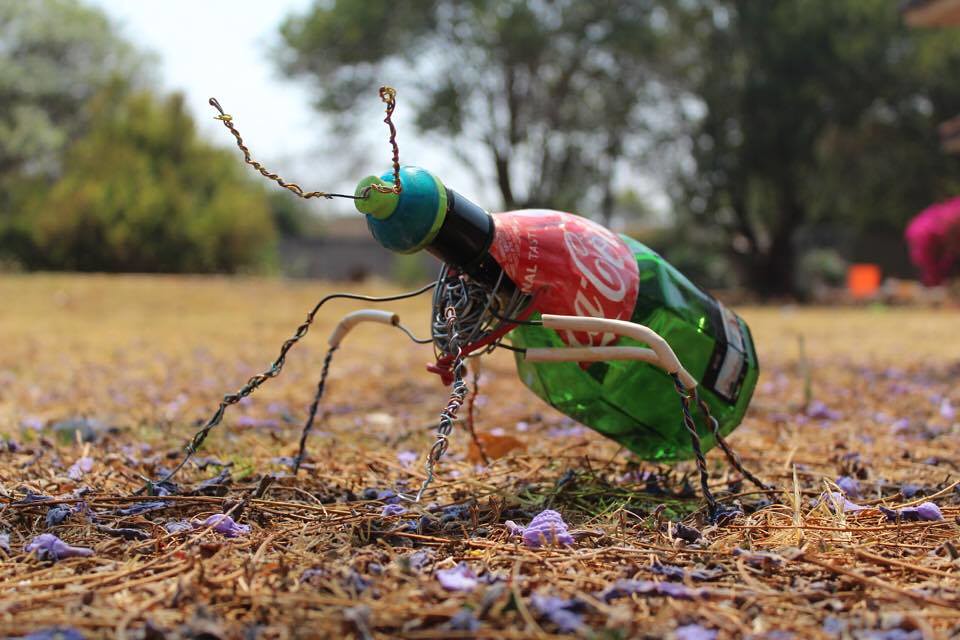
Zimbabwean artist Johnson Zuze recovers snares from poachers and plastic waste from dump sites to build wildlife sculptures, installations, and murals that address environmental destruction and animal trafficking. Zuze’s art is imbued with social and ecological messages: each snare becomes a symbol of survival hanging on a larger-than-life elephant or rhino figure. His work carries urgency and healing, forcing viewers to confront our roles in poaching and environmental collapse.
Zuze says he uses art “to spark discussion on animal poaching and conservation.” His raw, emotionally resonant creations are public reminders of the interconnectedness of communities, wildlife, and the discarded remnants of human greed.
7. Sue Lipscombe sculpts a plastic whirlpool swallowing a whale.
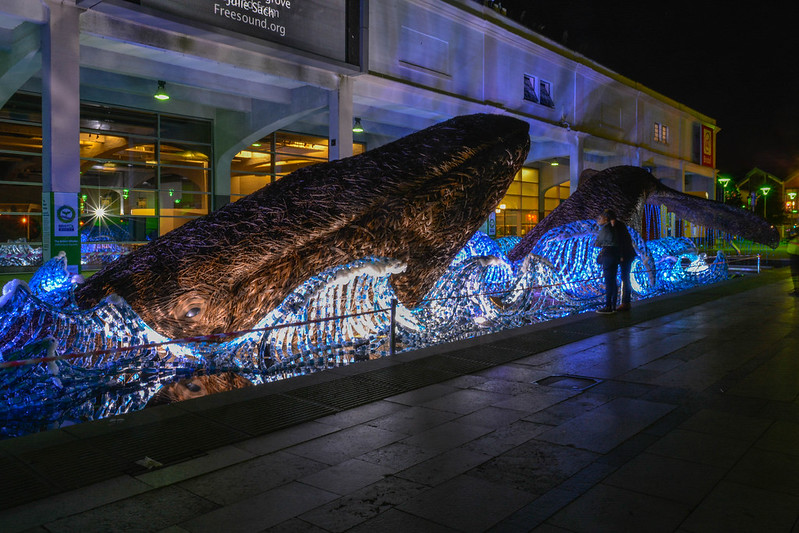
In Bristol, UK, artist Sue Lipscombe created “Bristol Whales,” oversized willow whale sculptures drowning in plastic debris. Her installation merges natural and artificial forms to dramatize plastic’s invasion of marine ecosystems. Using both willow and repurposed bottles, bags, and nets, the piece conveys a haunting beauty that doubles as alarm.
Viewers immerse themselves in scale and symbolism, forced to recognize a future where majestic creatures are defined by debris. This juxtaposition pushes sustainable conversation beyond data—Bristol Whales turns emotion into action, demanding the preservation of marine biodiversity from plastic pollution.
8. Asim Waqif creates immersive maps of waste from building rubble.
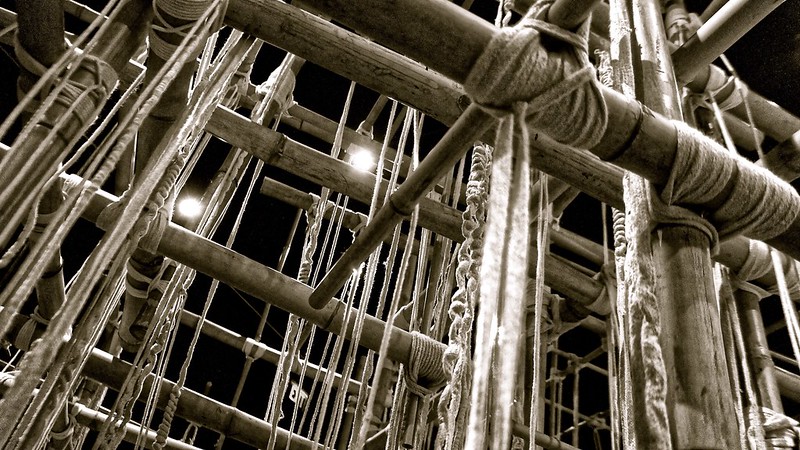
Indian artist Asim Waqif uses site-specific installations made of building demolition materials, bamboo, rope, and metal to reflect on urban consumption. His massive sculptural “waste maps” mimic cityscapes, carving chaotic landscapes from architectural waste. Waqif emphasizes public access: “I want to connect with the average person.”
His immersive pieces feel like walking through a discarded city, making spatial sense of the often-invisible debris of human progress. He challenges viewers to confront waste’s spatial and societal dimensions—asking not just what we throw away, but where it goes, who it affects, and how urban systems might shift if we choose repair over rubble.
9. Chakaia Booker weaves tire fragments into monumental meditative sculptures.
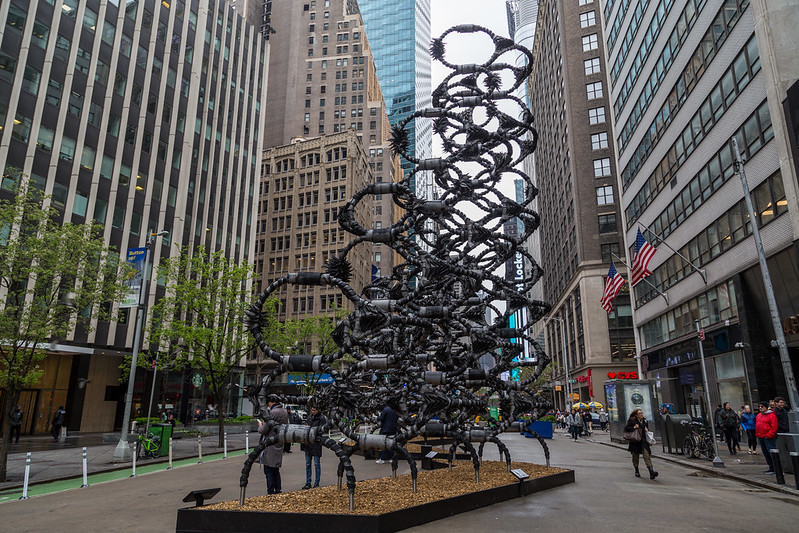
At the National Gallery of Art and beyond, Chakaia Booker creates vast, tapestry-like sculptures from reclaimed tires, combining craftsmanship with environmental critique. In her words, her rubber works have a “shamanic” quality—they explore themes of ecological neglect and cultural identity. Pieces like “Acid Rain” weigh thousands of pounds yet carry intricate complexity—twisted tubes create textured surfaces that pulse with movement.
Booker manipulates rubber into forms that recall resilience and decay at once. She transforms mass-produced industrial refuse into art that demands slow looking and reflection—forcing audiences to confront the material roots of environmental harm.
10. Vik Muniz recreates famous art using magazine scraps and landfill debris.
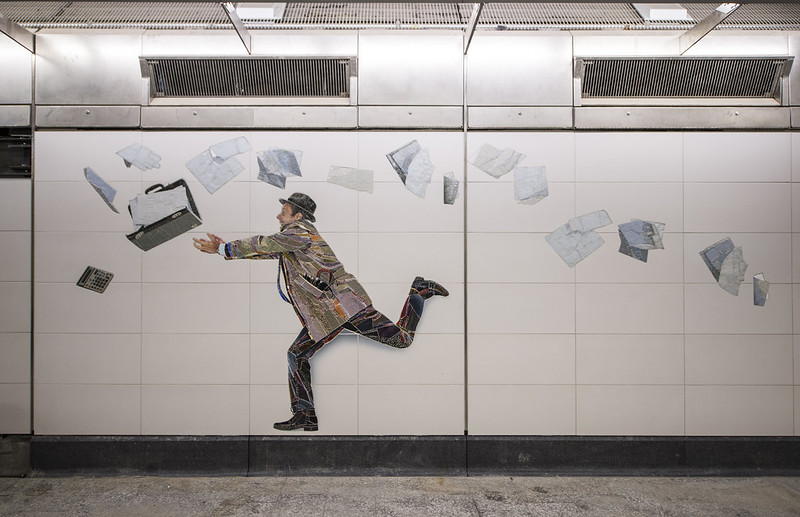
Brazilian artist Vik Muniz famously reinterprets works like Van Gogh’s “Starry Night” by piecing together colored trash, junk, and magazine clippings. He often collaborates with landfill waste-pickers, photographing their creations as both art and social commentary. Muniz plays with aesthetics, scale, and context—what might first appear as a digital collage is revealed as assemblage of refuse.
His work challenges consumer culture and invites us to re-experience the familiar: beauty emerges from waste. Muniz transforms trash into reflection—on art, poverty, consumption, and the fractured material world we’ve made.