
From distant exoplanets to strange signals, researchers are chasing the strongest clues yet for alien life.

The search for life beyond Earth is no longer confined to science fiction—it’s becoming one of the most exciting frontiers in astronomy. NASA has confirmed more than 5,500 exoplanets orbiting distant stars, and many lie in the “habitable zone” where liquid water could exist.
The James Webb Space Telescope is already analyzing the atmospheres of some of these worlds, looking for gases that might signal biology. Meanwhile, projects like the SETI Institute continue scanning the skies for unusual signals. Scientists say we may be closer than ever to answering humanity’s biggest question: are we alone?
1. Thousands of alien worlds have been discovered

Since the 1990s, astronomers have confirmed more than 5,500 exoplanets orbiting distant stars. These alien worlds come in all shapes and sizes—from gas giants larger than Jupiter to rocky planets strikingly similar to Earth. Each new find adds to the growing realization that planets are not rare, but common across the galaxy.
Many of these worlds orbit within the so-called “habitable zone,” where conditions could allow liquid water to exist. That discovery alone has transformed the search for life from speculation into serious science. Instead of wondering whether other Earth-like planets exist, scientists are now asking which ones might actually be habitable.
2. NASA’s James Webb Telescope is changing the game
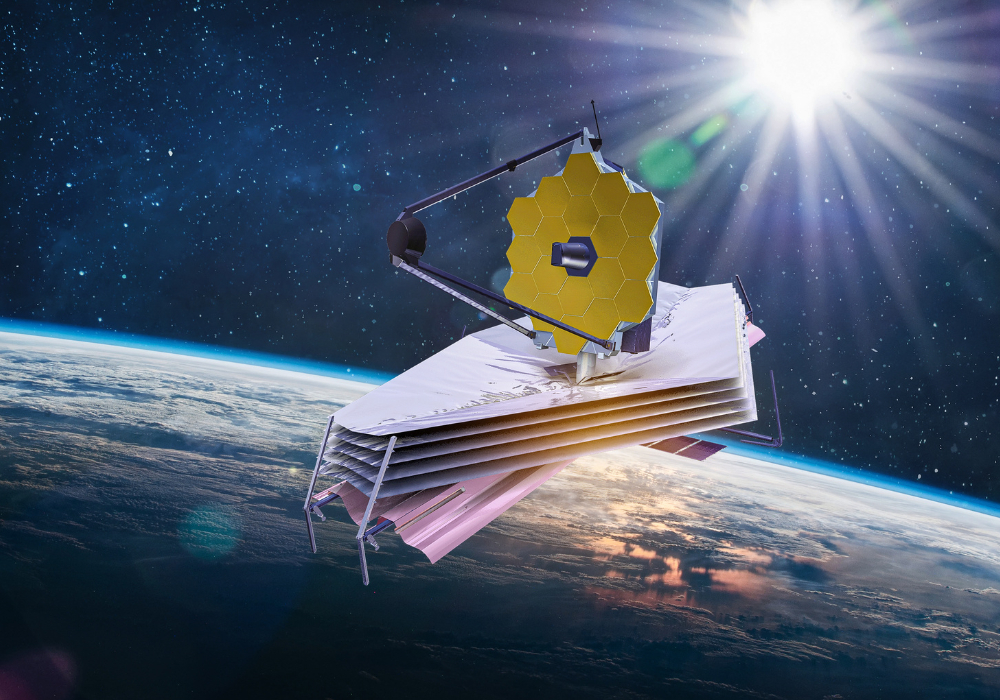
Launched in 2021, the James Webb Space Telescope (JWST) is giving astronomers a powerful new way to study alien worlds. By analyzing starlight that filters through exoplanet atmospheres, Webb can detect molecules such as carbon dioxide, methane, and water vapor.
These chemicals aren’t proof of life, but they are the right building blocks. Detecting them in the right balance could one day hint at biological processes. Researchers say Webb is already rewriting the playbook for exoplanet studies, offering details that were impossible to capture before. It has raised hopes that evidence of habitability—or even life—might appear within our lifetimes.
3. The habitable zone is key to the search

Not every planet is a candidate for life. Planets too close to their stars are baked by intense radiation, while those too far away remain frozen wastelands. The “habitable zone” describes the narrow orbital band where liquid water could persist.
Water is essential because every form of life on Earth depends on it. While being in the habitable zone doesn’t guarantee life, it dramatically improves the odds. Scientists focus their resources here because these planets represent the best chances of finding conditions similar to Earth. Each discovery brings us closer to narrowing down where to look next.
4. Super-Earths may be ideal candidates
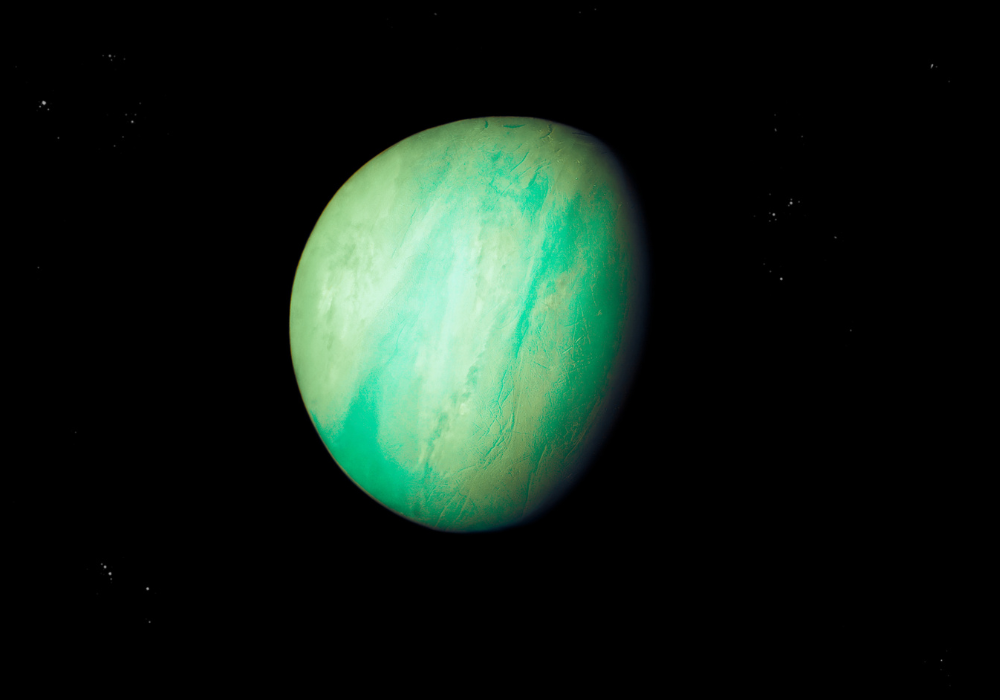
Some of the most promising planets are known as “super-Earths.” These are rocky planets larger than Earth but smaller than Neptune, often orbiting within their stars’ habitable zones. Their larger size could mean stronger magnetic fields and thicker atmospheres, both of which protect against harmful radiation.
Such features might create stable, long-term environments where life could take hold. Super-Earths are also easier for telescopes to study because of their size. While none have been confirmed as habitable yet, scientists believe they may provide some of the most realistic opportunities for detecting alien life in the near future.
5. Strange atmospheres raise exciting questions

Exoplanet studies have already turned up puzzling results. For example, JWST has detected carbon dioxide and water vapor on several worlds, while others show chemical compositions scientists can’t yet explain. These signals raise fascinating questions about what processes might be at work.
Researchers are especially interested in “chemical disequilibrium”—situations where gases coexist in ways unlikely without biology. On Earth, for example, oxygen and methane together usually indicate life. Spotting similar imbalances elsewhere would not be definitive proof, but it would be a powerful clue. Each new dataset brings us closer to identifying promising targets for future study.
6. Mars may still hold secrets of life
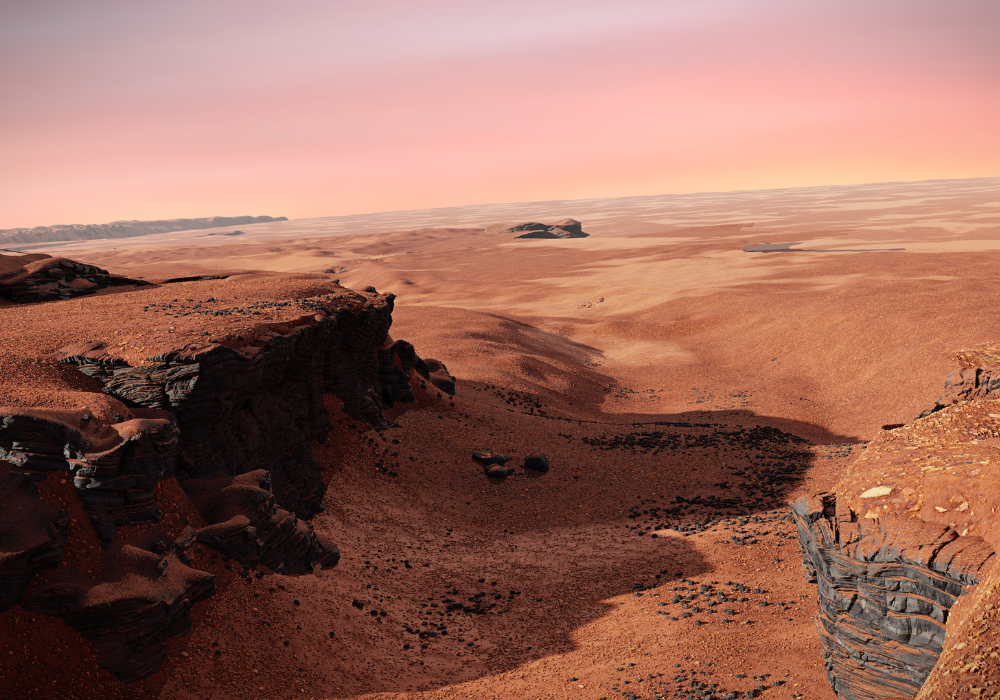
Closer to home, Mars continues to be a prime target in the search for life. NASA’s Perseverance rover is collecting rock and soil samples from Jezero Crater, a site that once held a river delta. Scientists believe these samples could preserve evidence of microbial life if it ever existed there.
The samples are expected to be returned to Earth in the 2030s, where laboratories will apply far more advanced tools than rovers can carry. Even if only signs of ancient microbes are found, it would prove that life arose independently on two neighboring worlds. That discovery alone would change everything.
7. Europa and Enceladus hide oceans below ice

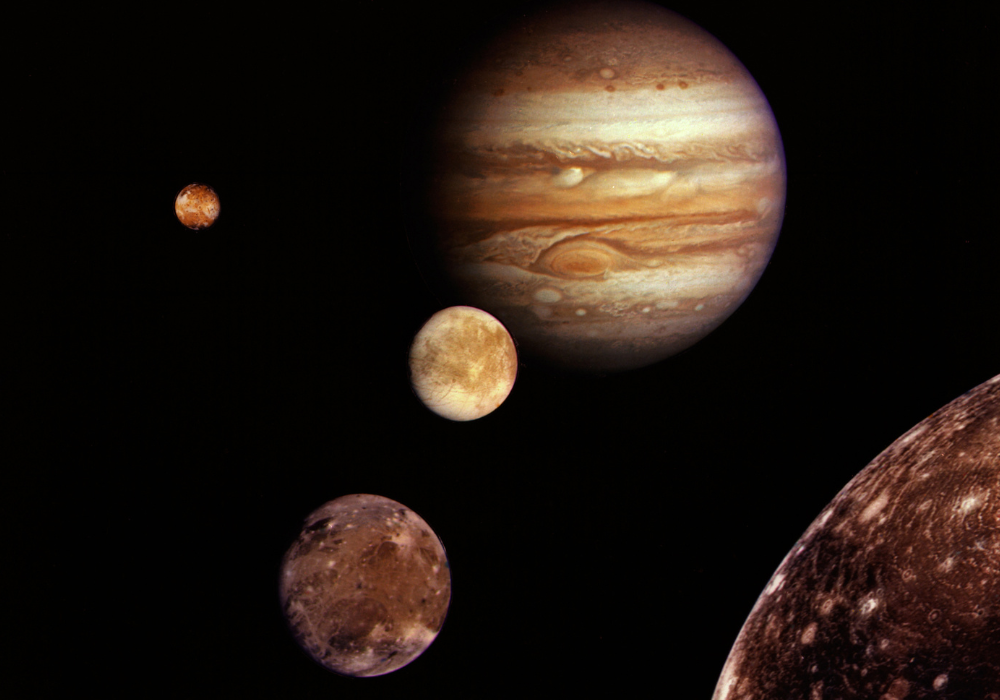
Beyond Mars, two icy moons are attracting intense scientific attention: Jupiter’s Europa and Saturn’s Enceladus. Beneath their frozen crusts lie vast subsurface oceans of liquid water, possibly more than Earth’s total volume.
NASA’s Europa Clipper mission, launching in 2024, will investigate whether Europa’s ocean could support life. Enceladus, meanwhile, erupts geysers of water vapor into space that already contain organic molecules. Sampling those plumes offers scientists a direct way to test for habitability. These moons show that the search for life isn’t limited to planets—it may thrive in hidden oceans beneath ice.
8. SETI is listening for alien signals

While telescopes focus on exoplanets, the Search for Extraterrestrial Intelligence (SETI) takes a different approach. Using powerful radio telescopes, SETI scans the skies for unusual signals that might come from advanced civilizations.
So far, no confirmed alien message has been detected. But modern computing allows SETI to analyze data on a scale never before possible, greatly increasing its reach. Occasional “candidate signals” generate excitement before being ruled out as interference, but each attempt brings refinements. Scientists remain hopeful that if intelligent life is broadcasting, we now have the tools to catch it.
9. Technology is advancing rapidly

Future instruments will push the search for life even further. Next-generation telescopes like the Extremely Large Telescope in Chile will directly image Earth-like planets, instead of inferring their presence from shadows.
NASA is also planning the Habitable Worlds Observatory, designed to study potentially habitable planets in exquisite detail. Combined with AI-powered analysis, these advances will sharpen the hunt for biosignatures. Within a few decades, astronomers expect to know whether Earth-like worlds orbit nearby stars—and whether they show evidence of life.
10. Discovery may come sooner than expected
Not long ago, scientists thought detecting life beyond Earth was centuries away. Today, many believe the breakthrough could happen within decades—or even sooner. The sheer number of known exoplanets makes the odds more favorable than ever.
With Webb analyzing alien skies and new missions targeting Europa, Enceladus, and Mars, the momentum is building. While no one can guarantee results, experts say humanity has entered the best era yet for answering the age-old question. For the first time, proof of life elsewhere feels within reach.
11. Humanity may not be alone after all
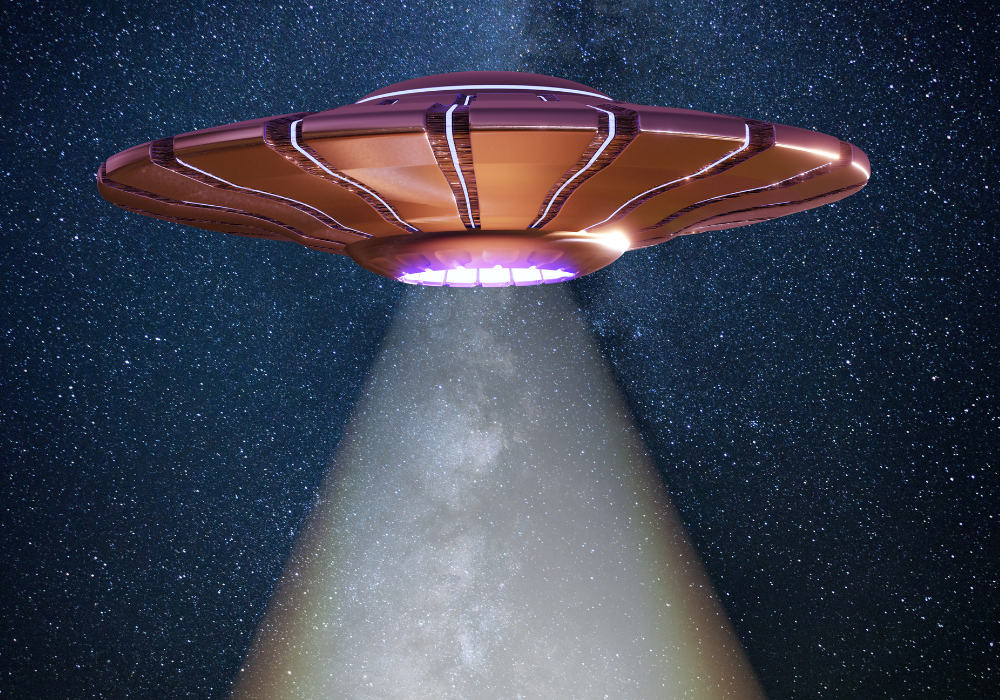
The discovery of alien life—whether microbial or intelligent—would be one of the greatest milestones in human history. Even finding microbes would prove life is not unique to Earth, suggesting the cosmos may be teeming with biology.
Such a revelation would transform science, philosophy, and even religion. It would challenge humanity’s place in the universe and force us to rethink our story. For now, the search continues, but every discovery brings us closer to the possibility that we are not alone.