
Groundbreaking research suggests our cosmos may be nestled inside a black hole within a parent universe.
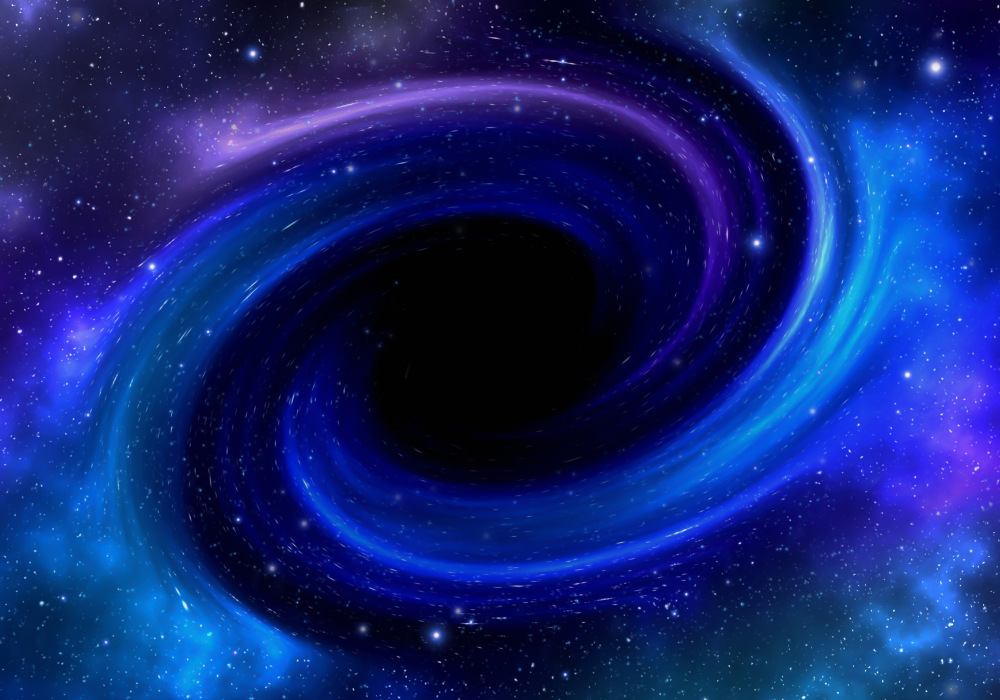
What if everything you know about reality is happening inside a massive black hole? It sounds like science fiction, but renowned theoretical physicist Lee Smolin and his colleagues have proposed exactly that.
Their groundbreaking research suggests our entire universe could be the interior of a black hole within a much larger “parent universe.” This mind-bending theory is reshaping how scientists think about cosmic origins and our place in existence.
1. Every black hole might create a brand new universe with different rules
Think of black holes as cosmic baby makers. In his proposal, black holes generate new universes with new fundamental parameters. The universes with parameters most suitable for black hole formation spawn more offspring and are thus preferred. This concept, called cosmological natural selection, was first proposed by theoretical physicist Lee Smolin in 1992. It completely changes how we think about where we came from.
According to the idea, these new universes are born within black holes of larger “parent” universes, while black holes within our universe would also contain child universes within them. Each new universe inherits slightly tweaked physical constants from its parent, much like genetic variation in biological evolution.
2. We might be living inside a massive black hole right now
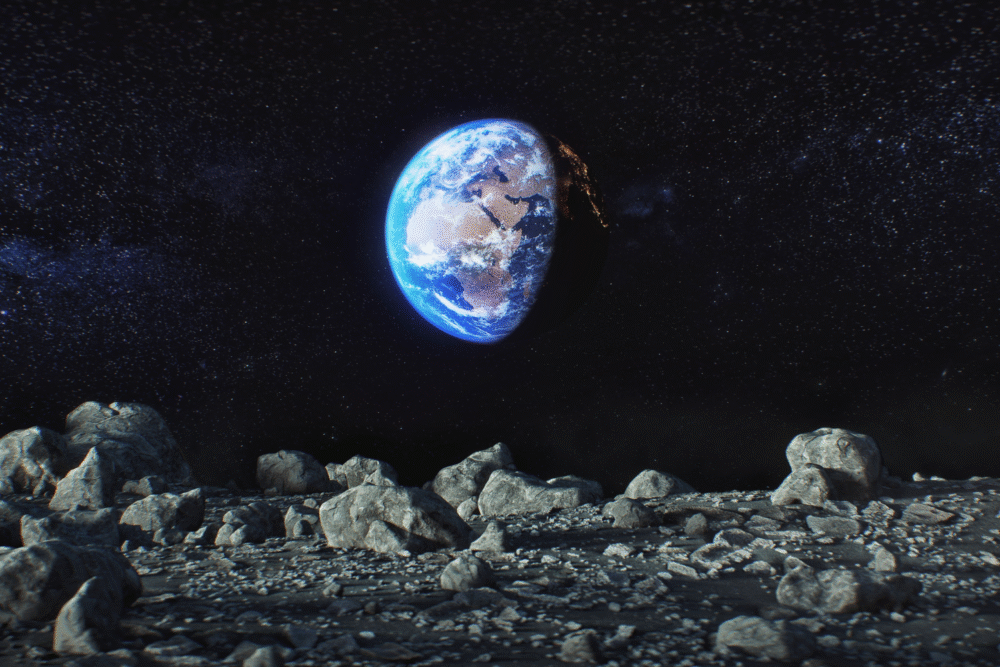
For Lee Smolin, our universe is only one in a much larger cosmos – a member of a growing community of universes, each one being born in a bounce following the formation of a black hole. This means everything we experience might exist within what appears as a black hole to observers in the parent universe.
The theory suggests that when we look at the cosmic microwave background radiation, we might actually be seeing the “walls” of our black hole container. Time and space as we know them could be fundamentally different from how they appear to outside observers in the parent reality.
3. Black holes in space could contain entire civilizations like ours
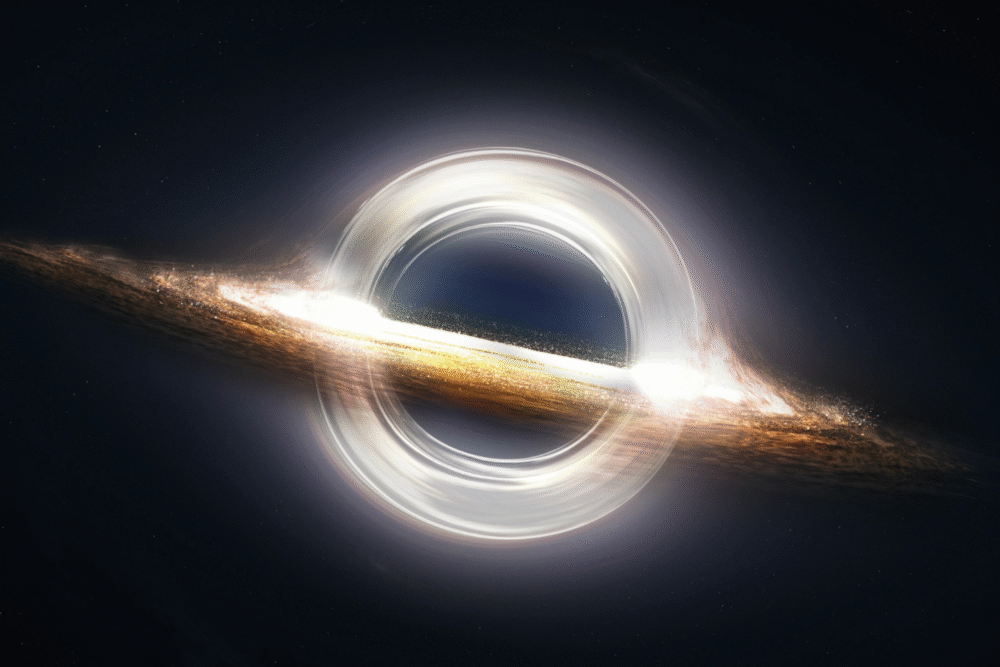
If Smolin’s theory is correct, then every black hole we observe could contain a complete universe with its own galaxies, stars, planets, and potentially life. Black holes within our universe would also contain child universes within them. These child universes would have slightly tweaked values, just as with regular natural selection.
This creates a mind-bending hierarchy where we exist inside a black hole while simultaneously hosting countless universes within the black holes in our own cosmos. Each level would experience time and physics differently, creating an infinite nested structure of realities like Russian dolls.
4. Our 3D world might actually be a hologram on a flat surface

Here’s where things get really weird. The holographic principle states that our three-dimensional world might actually be information stored on a two-dimensional surface, kind of like how a hologram on your credit card looks 3D but exists on a flat surface. This revolutionary concept challenges our basic understanding of space and reality itself.
The idea, put forth by Juan Maldacena, suggested something profound: that our universe could be a hologram. Much like a 3D hologram emerges from the information encoded on a 2D surface, our universe’s spacetime could be a holographic projection from the boundary of our cosmic black hole.
5. Black holes store information like cosmic hard drives
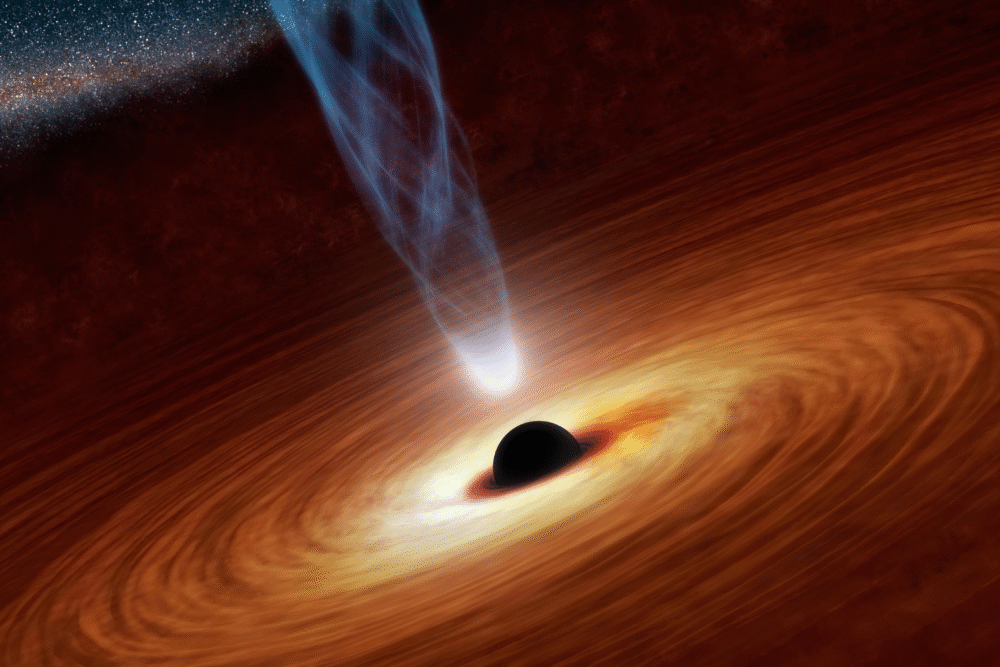
According to new research, black holes could be like a hologram, where all the information is stored on a two-dimensional surface but creates a three-dimensional image. Scientists have discovered that black holes store all information about the matter they consume on their event horizon, not in their interior volume.
As weird as it might sound, black holes appear to be holograms. This finding supports the idea that our perceived 3D reality might actually be information encoded on the 2D boundary of our cosmic black hole, similar to how a hologram works on your driver’s license.
6. Quantum physics prevents matter from being crushed into nothing
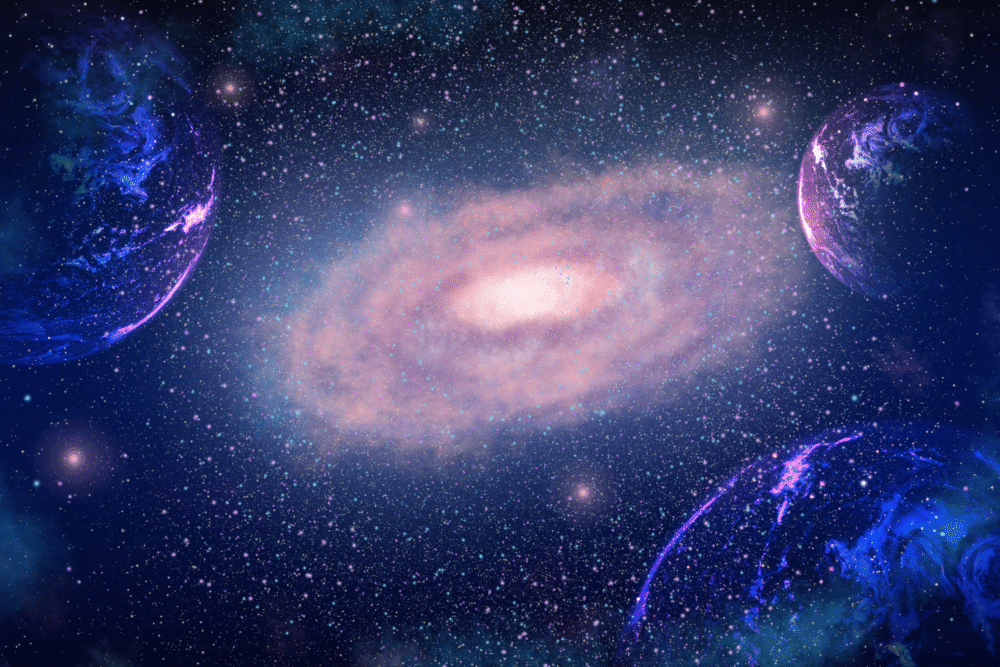
A star that collapses into a black hole should squeeze down to infinite density according to Einstein’s general relativity, but quantum mechanics steps in to prevent this total destruction. This quantum intervention is crucial for Smolin’s theory because it prevents the complete destruction of information and matter.
Instead of crushing everything to a point of infinite density, quantum effects create a “bounce” that births a new universe. This quantum bounce preserves information while allowing new physical rules to emerge, driving the evolutionary process across generations of universes.
7. Universes compete like species to create the most black holes
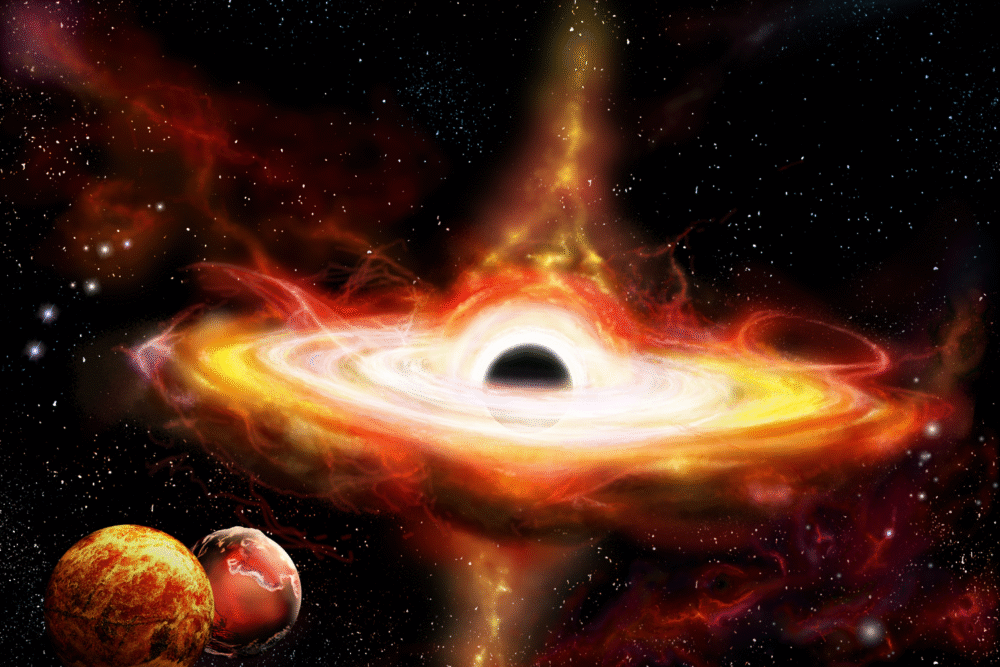
The universes with conditions best suited for black hole formation spawn more offspring and are thus preferred over time. Smolin notes that most black holes come from massive stars that explode as supernovas. This creates a natural selection pressure favoring universes with physics that supports star formation and stellar collapse.
Our universe appears perfectly tuned for creating black holes through stellar evolution. The abundance of heavy elements, the strength of gravity, and nuclear forces all seem optimized for massive star formation. This suggests our cosmos may have evolved through many generations to achieve these ideal black hole-making conditions.
8. This explains why our universe is perfectly set up for life

The crucial conditions necessary for forming many black holes through massive star formation happen to be the same conditions that support life. There should be stable light nuclei like helium so that gravitational collapse leads to long-lived stars. Carbon and oxygen nuclei should be stable for complex chemistry to work.
Rather than requiring a divine designer or infinite parallel universes, cosmological natural selection provides an evolutionary explanation for why physical constants seem perfectly calibrated. Universes with physics that can’t support stars and black holes simply don’t reproduce effectively, so they fade away over cosmic time.
9. Scientists can actually test this wild theory with real experiments

Unlike many far-out theories about multiple universes, Smolin’s proposal makes testable predictions about how often black holes form and what they look like in our universe. The hypothesis satisfies conditions for yielding falsifiable predictions for experiments we can actually do.
If our universe evolved to maximize black hole production, we should see specific patterns in how stars form, how often they explode as supernovas, and how massive objects are distributed. Researchers are actively studying these phenomena to determine whether our cosmos shows signs of being optimized for black hole creation.
10. The theory connects Einstein’s ideas with quantum mechanics
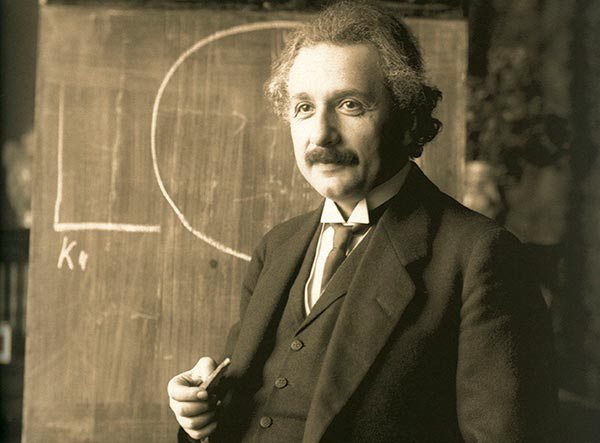
One hypothesis that might connect quantum mechanics and Einstein’s gravity theory is the idea that particle motions in a two-dimensional plane reflect the three-dimensional motions inside a black hole, almost like a holographic projection. It’s a concept called holographic duality that helps bridge the gap between our two best physics theories.
The holographic principle states that a theory of quantum gravity should be formulated not in ordinary three-dimensional space but instead in two dimensions, like information on a flat piece of paper. This dimensional reduction may be key to understanding how universes can form and exist within black holes.
11. Dark energy and cosmic expansion fit perfectly with this model
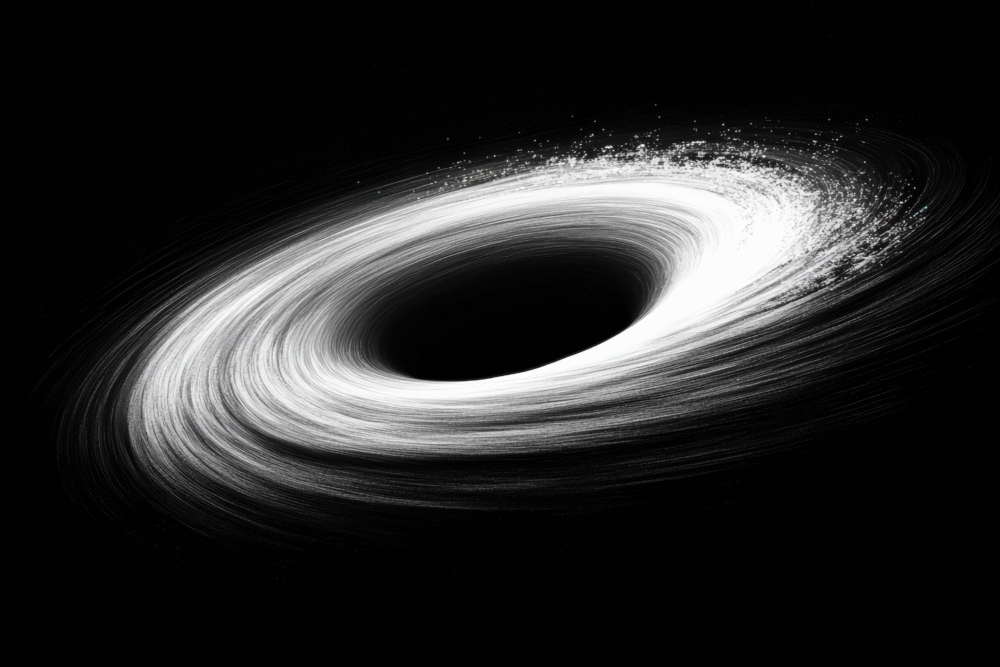
The accelerating expansion of our universe, driven by mysterious dark energy, matches what we might expect if we’re inside a growing black hole. As the parent black hole gains mass from the outside universe, its interior spacetime would expand exponentially, creating the illusion of accelerating cosmic expansion from our internal perspective.
The uniformity of cosmic microwave background radiation also fits this model perfectly. If we’re viewing the interior surface of our cosmic black hole, we would see remarkably uniform temperature distribution, exactly what astronomers observe when they study the early universe’s leftover heat radiation.
12. Human consciousness might play a bigger role in the cosmos than we thought
If universes evolve through natural selection based on their ability to produce black holes, and if black hole formation requires complex chemistry and stellar processes, then physics that supports intelligence becomes inevitable. Conscious observers may play a crucial role in understanding and potentially influencing how the cosmos evolves.
The study of black holes has led physicists to propose that space may not exist independently but instead emerge as a holographic projection. This challenges traditional notions of reality and suggests that information, rather than physical matter, may be the fundamental building block of existence. This observer-dependent reality means consciousness might be more fundamental to cosmic structure than we ever imagined.