
Thousands of ancient homes discovered on an Irish hilltop are reshaping how early communities actually lived.
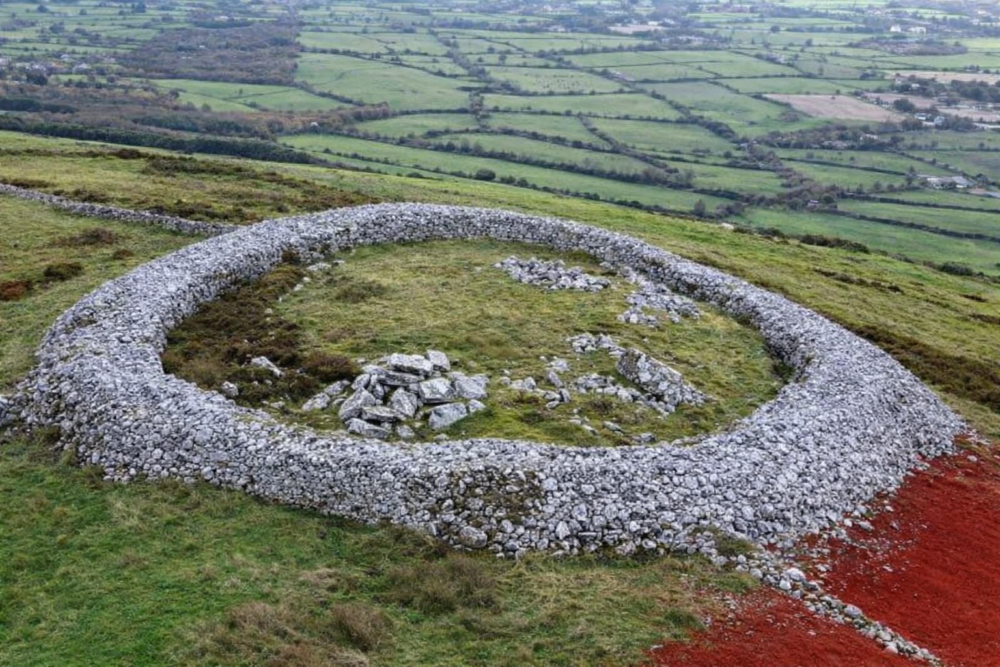
Archaeologists in County Wicklow have uncovered evidence of what may be Ireland’s largest prehistoric clustered village, with hundreds of closely packed homes spread across a hillfort landscape at Brusselstown Ring.
The scale of the discovery suggests a level of planning, cooperation, and daily coordination rarely associated with this period. Instead of scattered farmsteads, this site points to dense living, shared infrastructure, and complex social organization thousands of years ago.
The find matters now because it forces a reassessment of how early communities functioned, revealing that large, interconnected societies may have emerged earlier and more locally than once believed.
1. The first clues appeared in the land from an aerial point of view
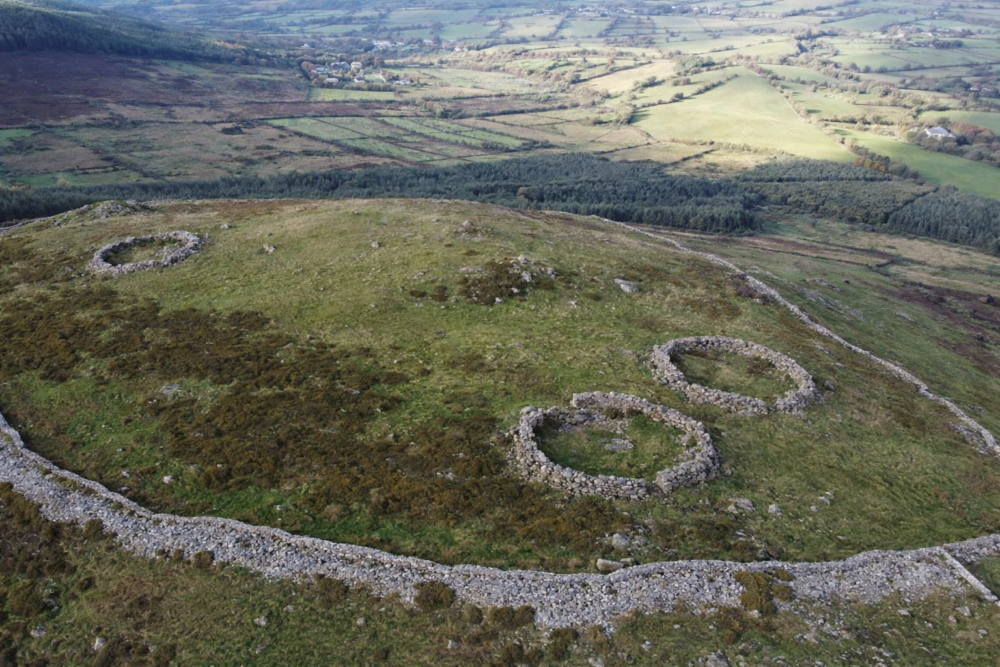
The first hint came from above: aerial and airborne surveys picked up repeating rings and flattened circles across the hill at Brusselstown Ring. From the ground, those marks can look like ordinary dips, shadows, or animal paths after a wet season.
But once the shapes were traced and counted, they lined up like house footprints—many of them—suggesting an entire neighborhood hidden in plain sight for millennia.
2. The sheer number of suspected homes changes the scale of the story
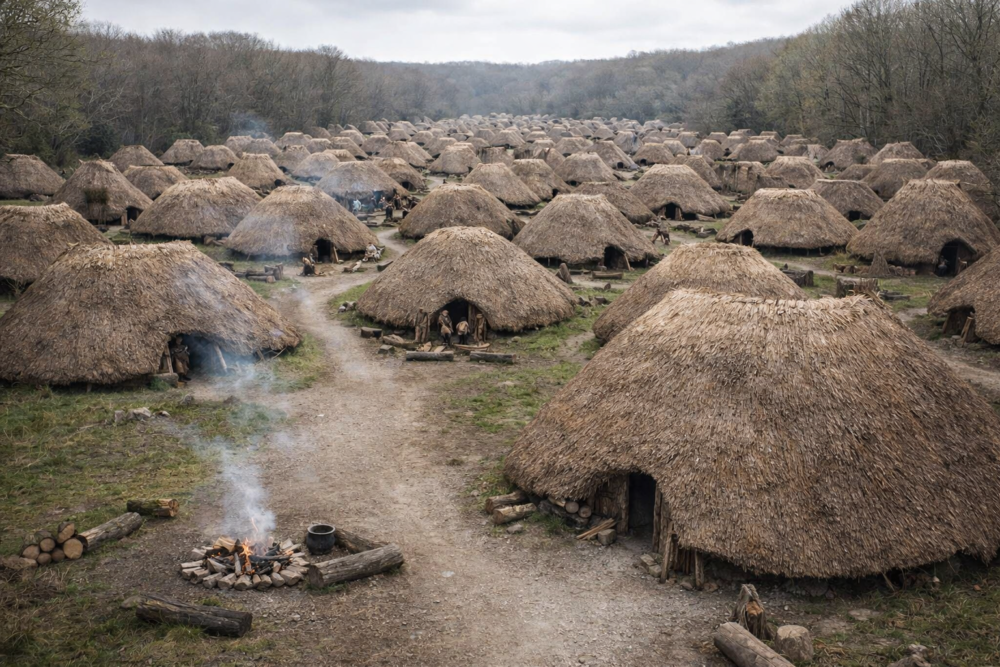
Researchers estimate more than 600 suspected house platforms, with dozens inside the inner enclosure and hundreds more spread between the ramparts. That number isn’t just impressive—it changes what “normal” settlement size looks like for prehistoric Ireland.
To live that tightly, people would need agreed routes, shared boundaries, and daily coordination. A place this dense tends to create rules, whether spoken or not.
Follow us and access great exclusive content every day
3. The village sits inside a wider chain of hillforts, not an isolated spot
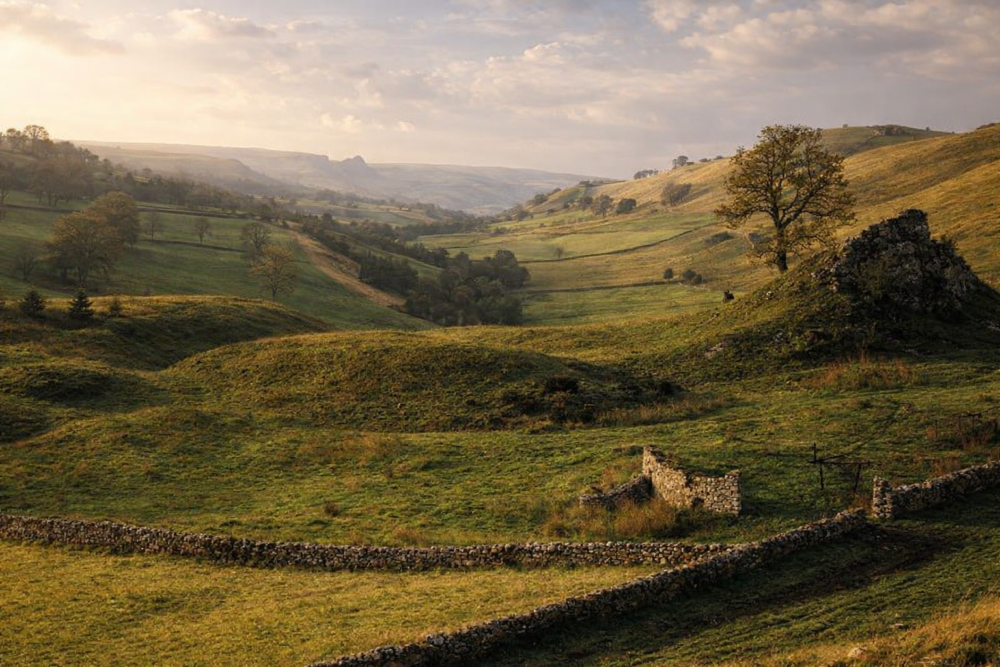
Brusselstown Ring sits inside the Baltinglass hillfort cluster, a chain of major hilltop enclosures on the south-western edge of the Wicklow Mountains. So the “village” isn’t a one-off curiosity; it’s part of a landscape that saw long, repeated building projects.
Choosing high ground likely meant visibility and defense, but also connection—people could move between nearby enclosures, trade, and respond quickly if trouble appeared.
4. Dense living would have demanded real logistics, not just luck
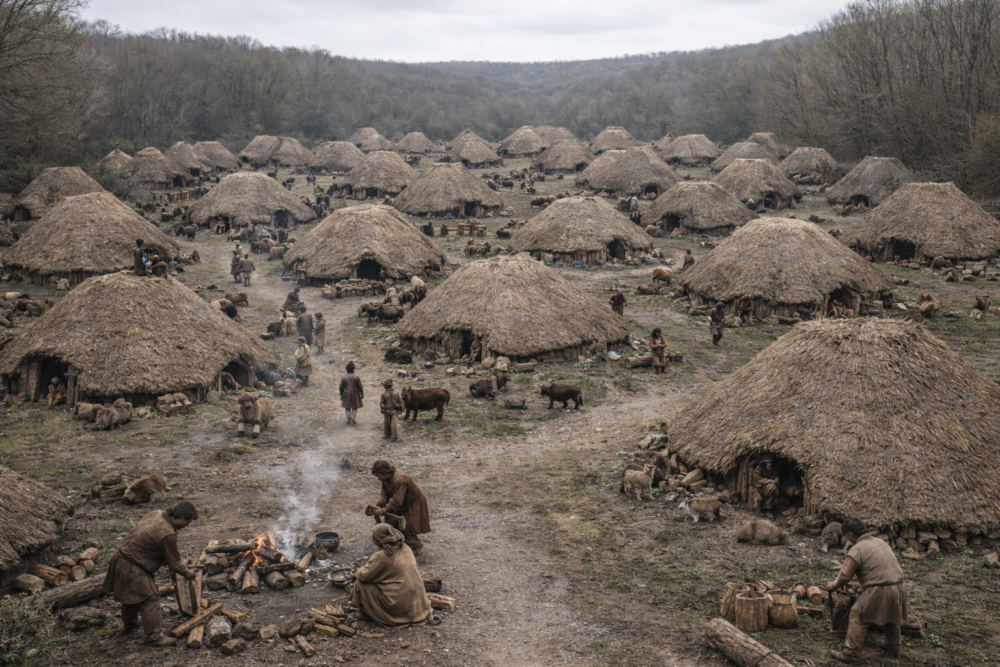
A packed settlement doesn’t run on vibes—it runs on logistics. Hundreds of households would need steady food supplies, fuel for fires, timber for repairs, and space for animals. That kind of flow usually requires planning beyond one family’s needs.
Even if life was hard, the layout suggests coordination across seasons: planting and harvest cycles, storage decisions, and collective work that kept the village functioning day after day.
5. Test excavations turned a “possible” village into a dated one

To ground the aerial evidence, archaeologists opened test trenches in a few targeted spots. The goal was simple: confirm that the “platforms” were human-made and learn when they were used.
Those excavations produced material consistent with Late Bronze Age and Early Iron Age activity. That timeframe matters because it’s a period of shifting technologies and social change—exactly when larger, defended communities can start to appear.
6. A possible water cistern hints at shared infrastructure and long-term planning
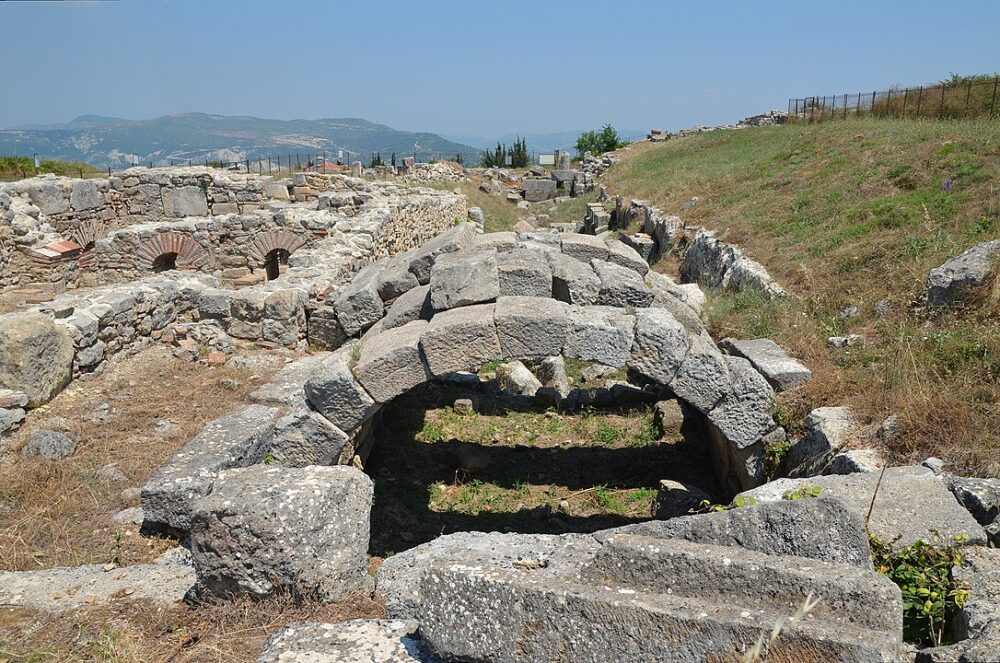
One of the most intriguing clues is a possible water cistern identified during follow-up work. In a crowded hillfort, reliable water access isn’t a bonus—it’s survival, sanitation, and resilience during drought, fire, or conflict.
If it is a cistern, it points to shared infrastructure: something built for the group, maintained by the group, and used by everyone, every single day. That’s a big leap from “each household on its own.”
It also suggests the village wasn’t temporary. People invested in systems meant to last, which hints at leadership, rules, and cooperation strong enough to keep hundreds of neighbors functioning as one place.
7. A settlement this large likely created specialized roles for some residents
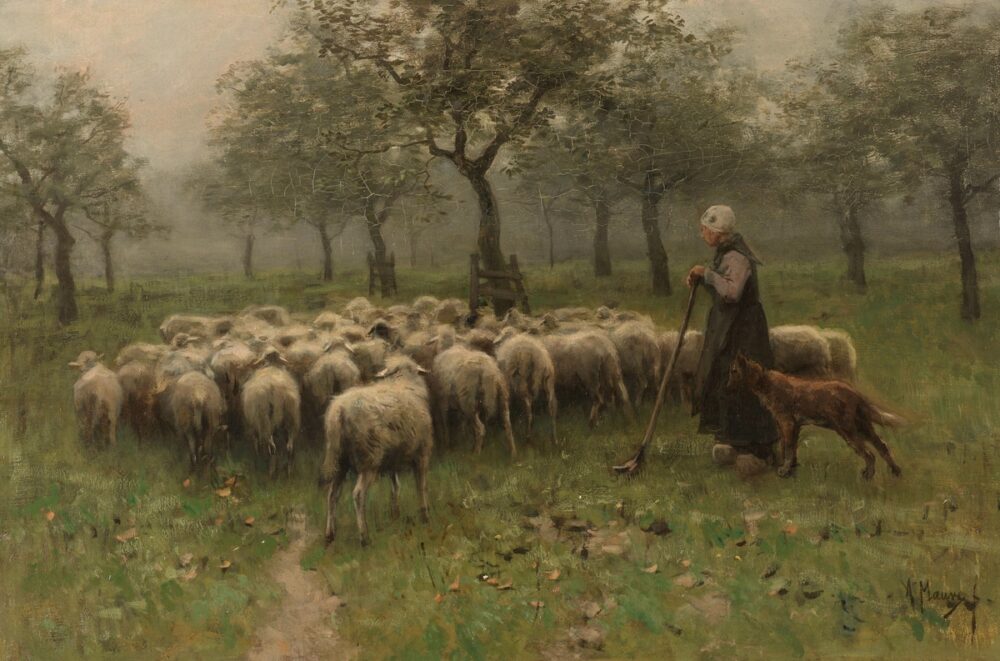
With a community this large, it’s hard to imagine everyone doing the same tasks. Some residents likely specialized—building houses, making tools, managing animals, processing grain, or handling trade and craftwork.
Specialization is a quiet clue to complexity because it depends on trust: if you’re focused on one job, you’re counting on others to feed you, protect you, and keep the system fair enough to last.
Follow us and access great exclusive content every day
8. The layout raises questions about power, norms, and who got the best spots
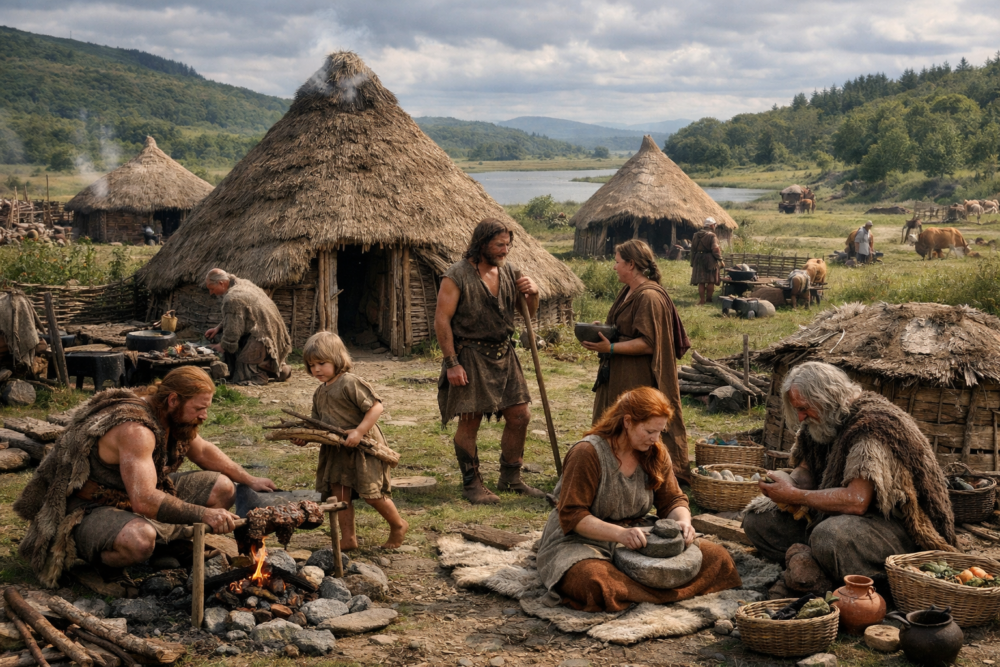
The spacing of platforms raises a social question: who decided where houses went, and what happened when someone wanted a better spot? In tight settlements, space becomes power, fast, and neighbors can’t simply “move farther out.”
Layout can hint at structure—family clusters, shared courtyards, or zones for work and gathering. Even without writing, the ground plan can show whether this community felt equal… or carefully ranked.
9. The find forces a rethink of what “complex” looked like in this region
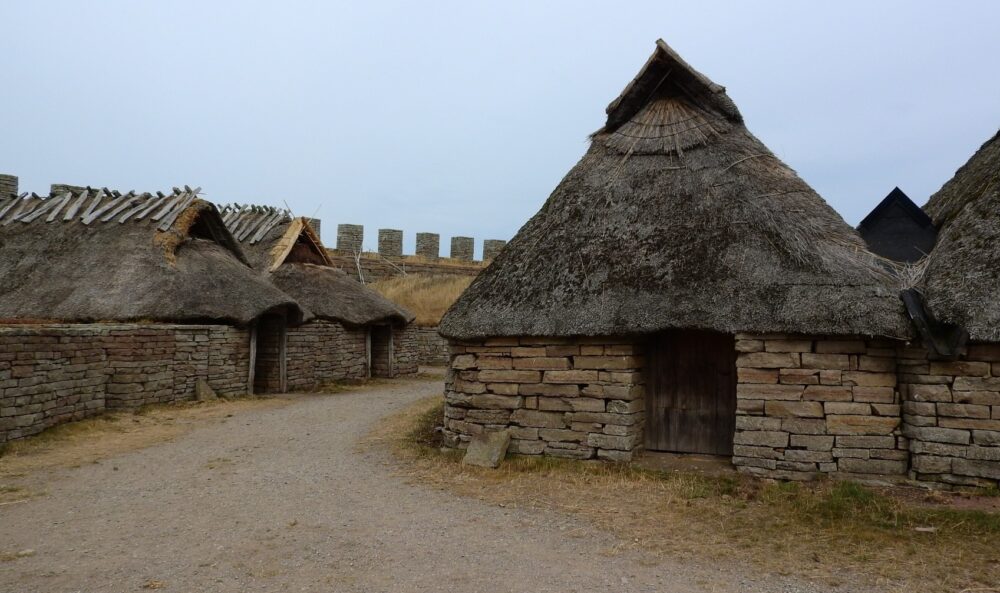
Finds like this also reshape comparisons across Britain and Ireland, where nucleated hillfort settlements at this scale are considered rare. If Brusselstown truly hosted 600+ homes, it resets expectations for what was possible here.
For a modern reader, that’s the “wait, really?” moment: complex society isn’t only a Mediterranean or city story. Sometimes it’s a windy Irish hilltop where people chose density, defense, and shared life.
10. Much of the village is still underground, and that’s the point

Right now, much of the site is still unexcavated, which is both frustrating and exciting. More digging can refine dates, confirm features like entrances and paths, and reveal how the village grew, changed, or declined.
But archaeology is a one-way door: once layers are removed, they can’t be put back. That’s why careful, slow work matters—because the real story is in the relationships between layers, not just the objects pulled out.
11. The real twist is how familiar this ancient community problem feels today
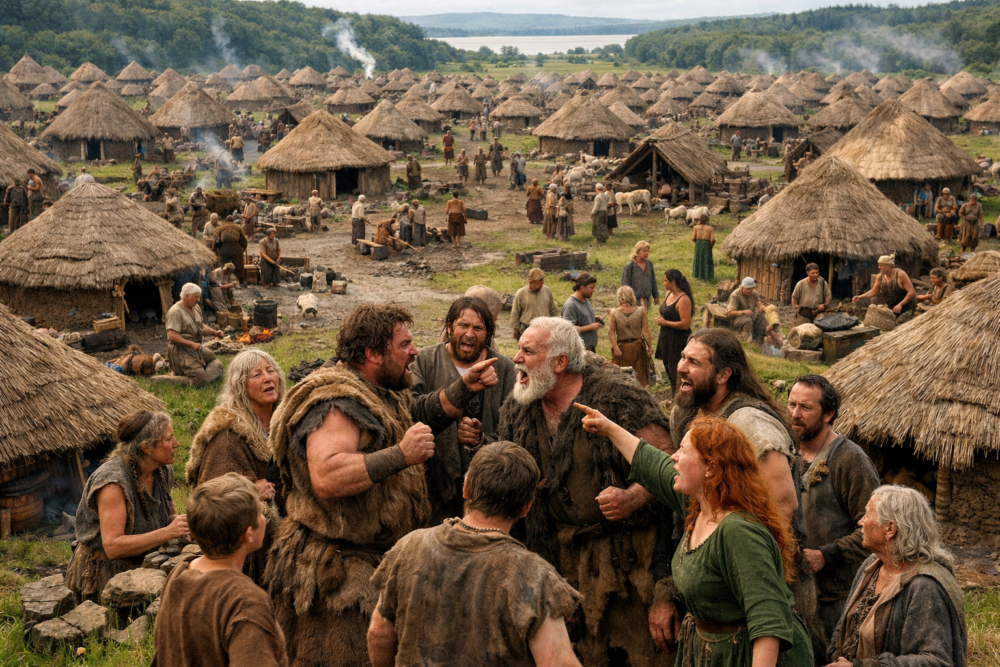
The biggest takeaway is how modern the problem set feels: how do you live close together, share resources, handle conflict, and stay safe when pressures rise? Brusselstown suggests people were solving those questions long before “urban planning” had a name.
That’s the reward for reading to the end. This isn’t just an Irish headline—it’s a reminder that community and cooperation are ancient human experiments we’re still running.