
A surprising find beneath a rural French property is revealing how ordinary Romans saved their money centuries ago.
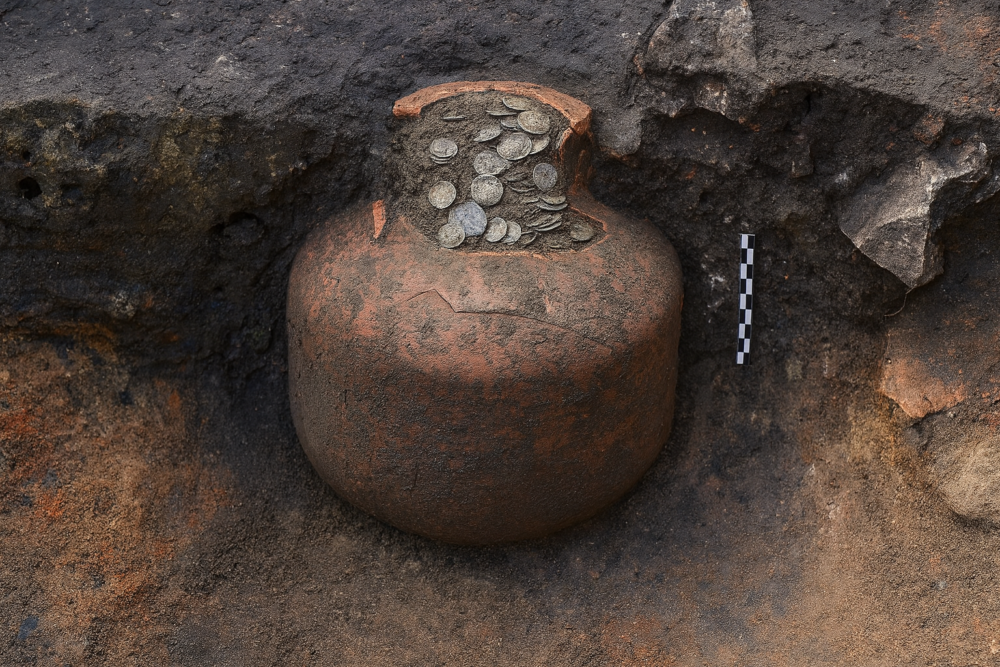
A renovation project in a small French village has uncovered an extraordinary window into everyday Roman life. Workers unearthed two 1,800-year-old ceramic jars buried beneath a household floor, each packed with Roman-era coins that had been hidden since the 2nd or 3rd century AD. Archaeologists believe the jars functioned as ancient “piggy banks,” offering a rare glimpse into how ordinary families saved money nearly two millennia ago. The discovery is helping researchers better understand rural Roman life far from the empire’s bustling cities.
1. A Routine Renovation Leads to a Remarkable Find

The discovery occurred during construction work in the village of Ploeren in northwestern France. Workers digging beneath an old home uncovered two ceramic vessels that appeared unusual. When archaeologists arrived to investigate, they realized the jars were filled with tightly packed Roman coins.
The jars had remained sealed underground for nearly 1,800 years, preserved by layers of soil and the stability of the structure above. Their condition allowed researchers to examine the contents with exceptional clarity and historical accuracy.
2. The Jars Served as Ancient Roman “Piggy Banks”
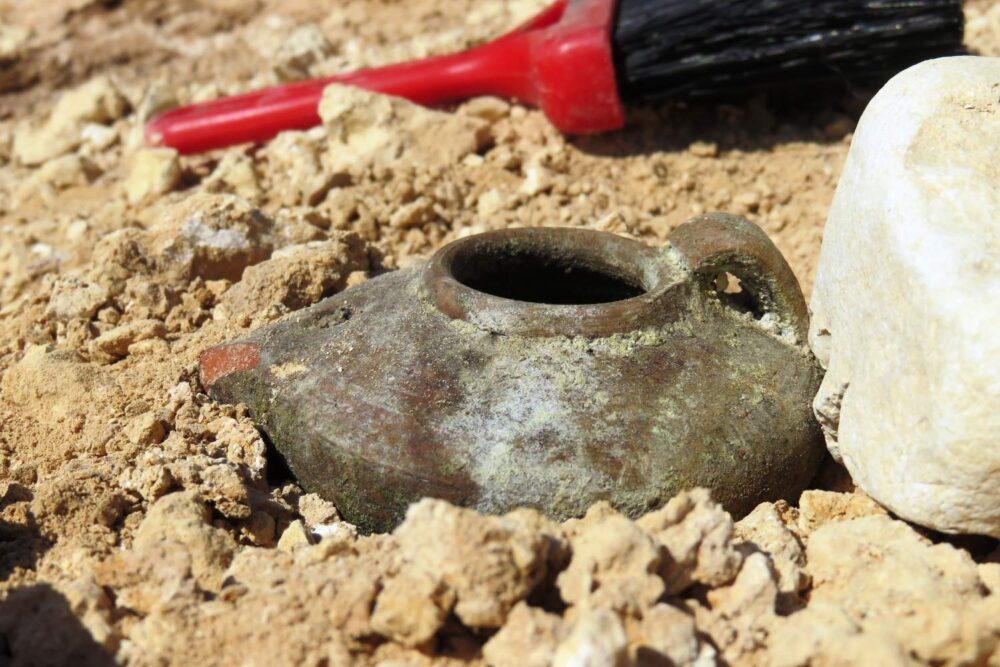
Archaeologists believe the ceramic containers acted as savings jars, similar to modern piggy banks. The vessels were small enough for daily handling but sturdy enough to protect their contents. Their placement beneath a home suggests ordinary residents stored them intentionally.
Such containers were common in Roman households, especially in rural areas where people saved coins for emergencies, taxes, or trade. The find highlights the everyday financial habits of families living far from major Roman cities.
3. The Coins Date Back to the 2nd and 3rd Centuries AD
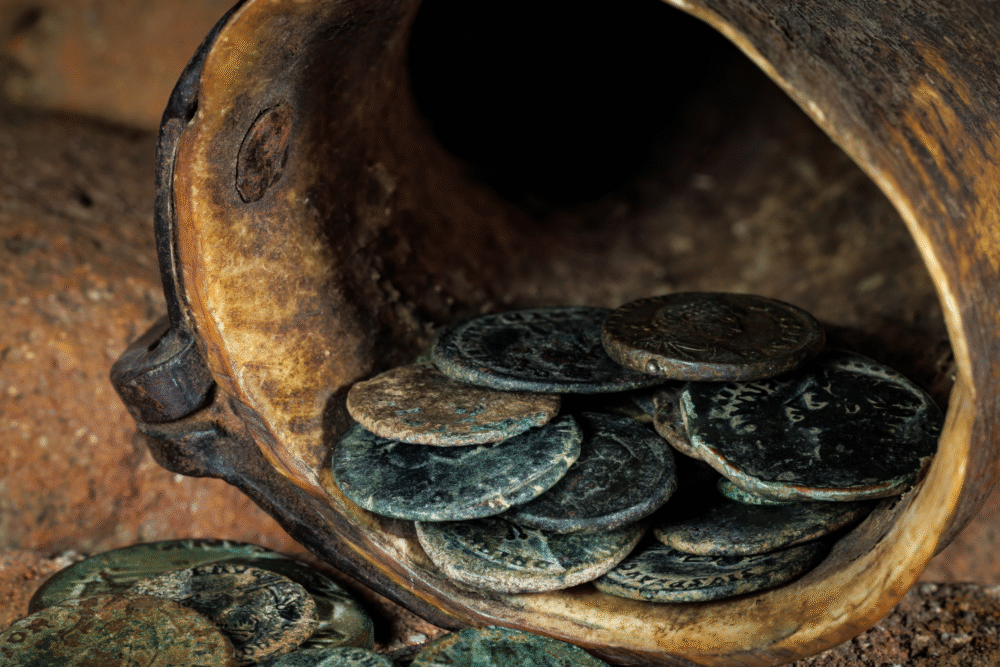
Analysis revealed that the coins inside the jars were minted during the Roman Empire’s 2nd and 3rd centuries AD. This timeframe corresponds to the reigns of multiple emperors, a period marked by both stability and later economic strain.
The range of coin dates suggests that the savings accumulated over time rather than being deposited all at once. This gradual addition supports the idea that the jars served a long-term household purpose.
4. A Glimpse Into Rural Roman Life in Gaul
The find took place in the region once known as Roman Gaul, an area that blended local traditions with Roman administrative systems. Most surviving artifacts from Gaul come from cities, making rural finds especially valuable.
These jars reveal that even families in small settlements used Roman currency systems and participated in broader economic networks. They show that everyday life in the countryside was more integrated with Roman culture than previously assumed.
5. The Coins Were Carefully Packed and Hidden
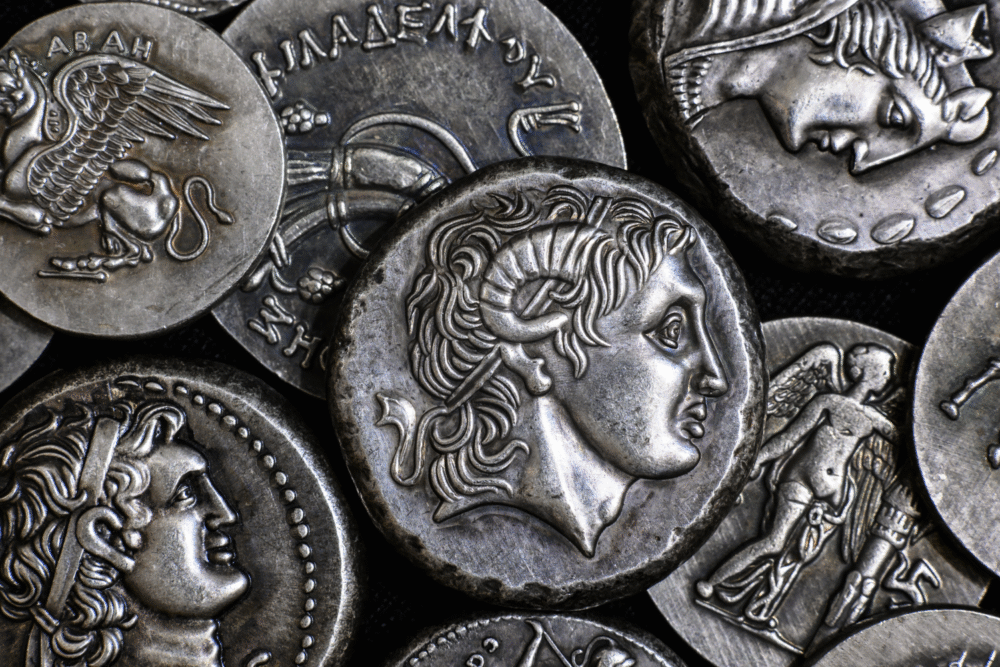
Archaeologists noted that the coins were deliberately arranged, filling the jars almost to the top. This level of care indicates the money was valuable to the family who saved it. The jars were buried beneath a floor, suggesting an intentional effort to protect them.
The placement also implies that the owners did not expect the jars to be quickly accessed. This long-term storage approach mirrors modern households that hide savings in secure places.
6. The Discovery Helps Explain Roman Saving Habits
While wealthy Romans often kept money in chests or with bankers, ordinary families relied on simple containers for storing coins at home. These jars exemplify a practical, low-risk method of saving during an era when banks were not accessible to most people.
The find supports historical evidence that many Romans saved small amounts over time instead of accumulating large fortunes. It adds texture to what scholars know about financial behavior in lower- and middle-class households.
7. Renovation Workers Followed Proper Reporting Protocols
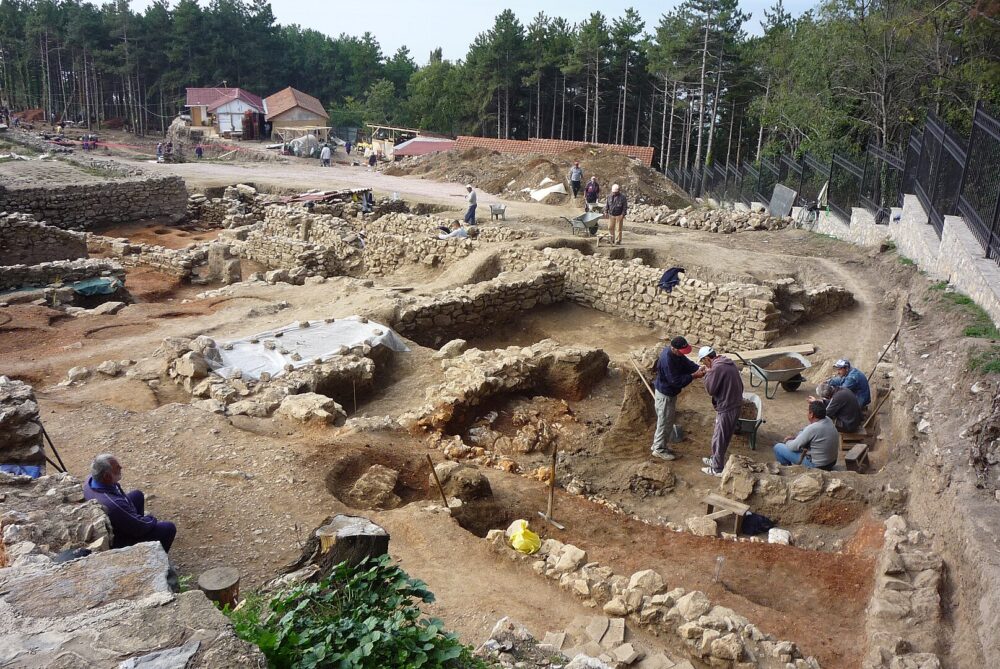
The discovery was made thanks to workers alerting local authorities, a legal requirement in France when ancient items are found. Archaeologists quickly secured the site to prevent damage or loss.
Their rapid response allowed researchers to examine the jars intact, preserving details about their placement and the surrounding soil layers. These contextual clues help historians reconstruct how and why the items were stored.
8. The Coins May Reveal Economic Conditions of the Era
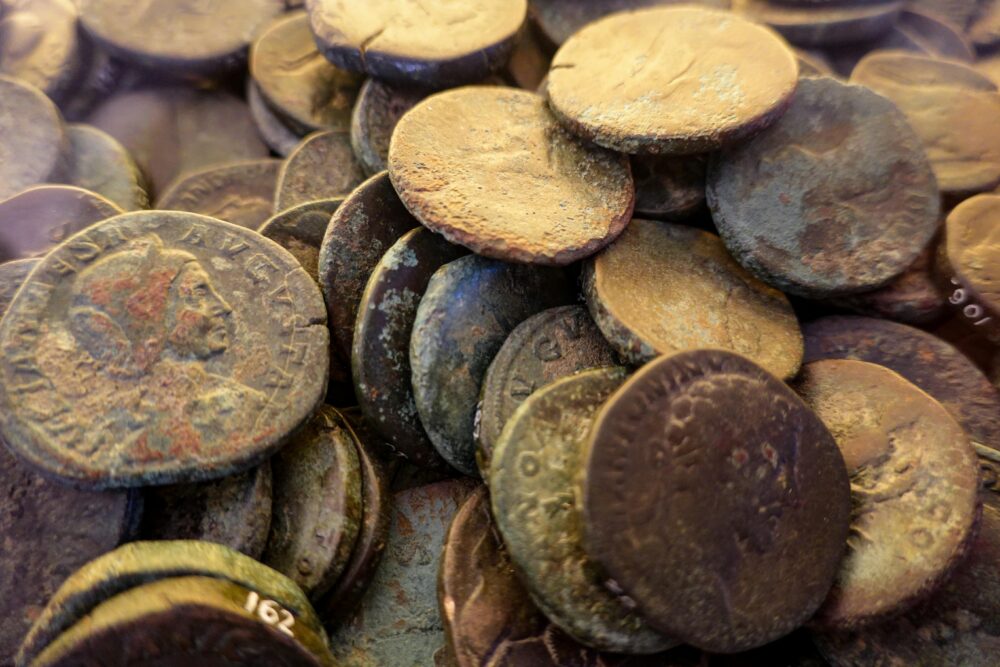
Coinage from the 2nd and 3rd centuries AD reflects shifting economic circumstances within the Roman Empire. During the 3rd century, inflation and political instability began affecting currency quality.
Studying the coins’ metal content and mint marks may help researchers understand how these broader economic issues reached rural communities in Gaul. Such insights expand knowledge of how empire-wide changes influenced everyday people.
9. The Jars Suggest Interruption Rather Than Abandonment
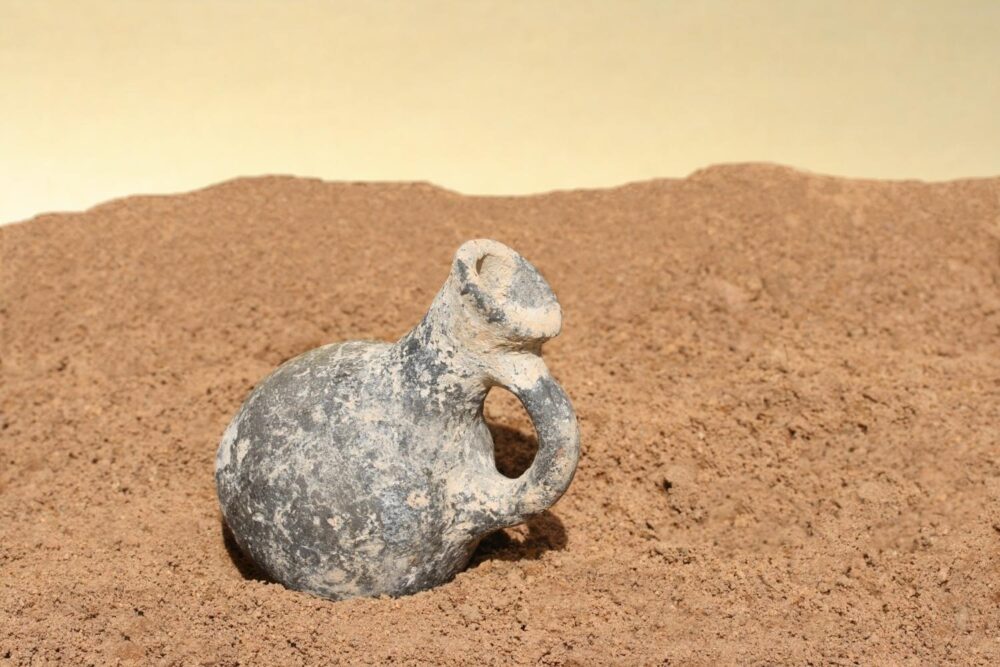
The fact that the jars remained buried suggests the owners never retrieved their savings. Archaeologists do not yet know why, but possibilities include sudden death, conflict, or relocation.
Whatever the cause, the untouched jars provide a snapshot of a moment in time. Their abandonment underscores how quickly personal fortunes could shift in the ancient world.
10. The Find Adds to a Growing Record of Roman Discoveries in France
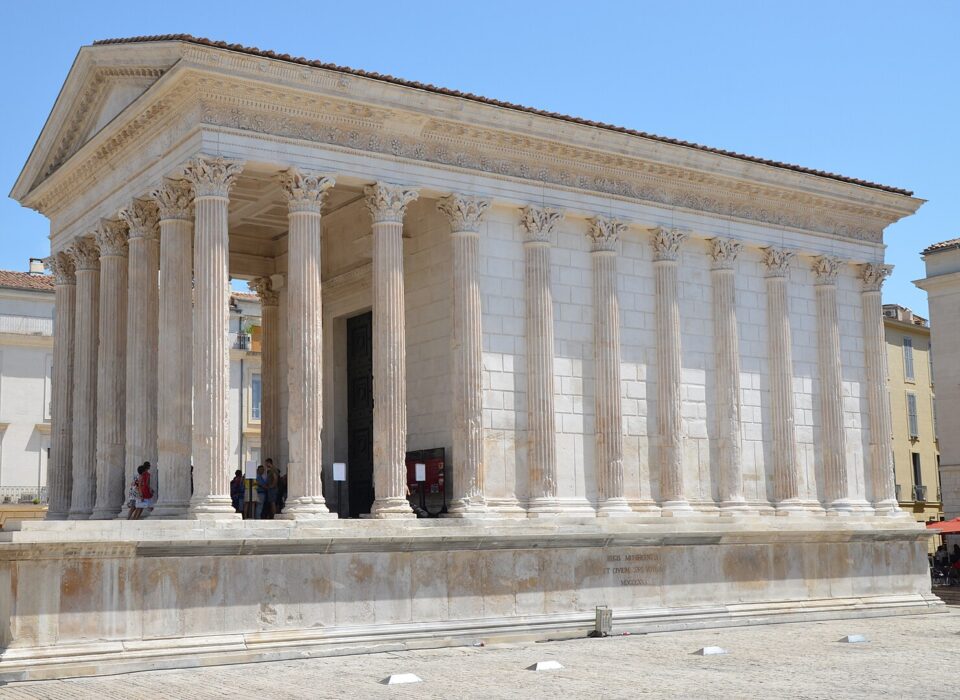
France has been the site of several significant Roman discoveries in recent years, ranging from luxurious villas to simple household artifacts. Each new find helps refine the picture of Roman life in different regions.
This discovery stands out because it reflects everyday financial behavior rather than elite wealth. Such insights are rare and especially valuable to archaeologists.
11. Researchers Will Continue Examining the Hoard
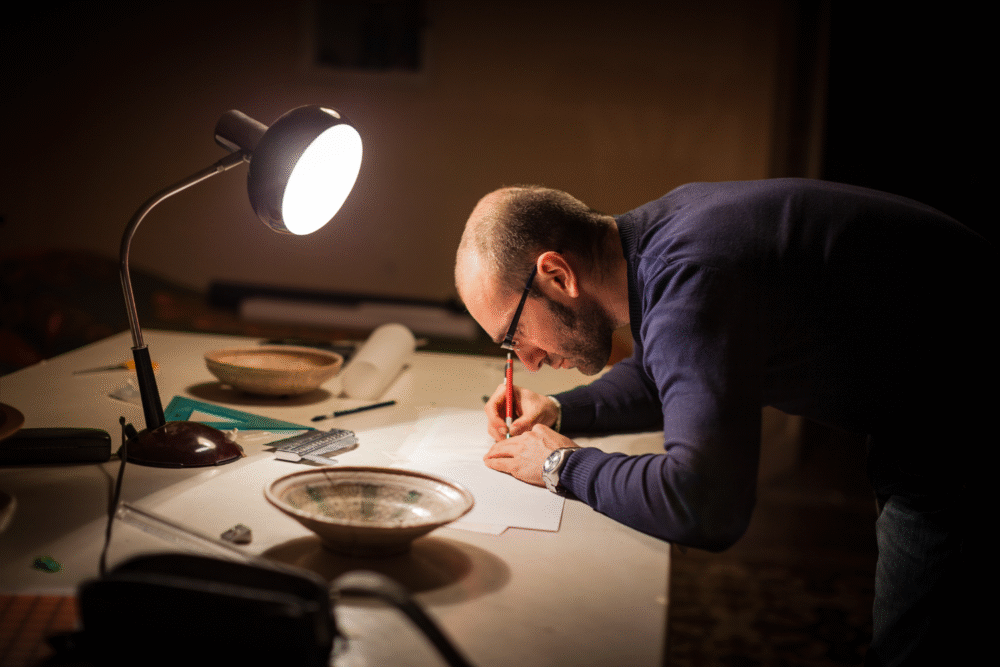
Archaeologists plan to study the coins individually, cataloging their dates, metals, and imagery. These details will help determine the jars’ exact age and how long the savings were accumulated.
The research may also reveal where the coins circulated and whether any came from distant parts of the empire. Findings from this analysis will contribute to broader studies of Roman trade and economic history.