
The 1,400-foot prehistoric earthwork in Ohio still puzzles researchers, who continue to study its origins and purpose.
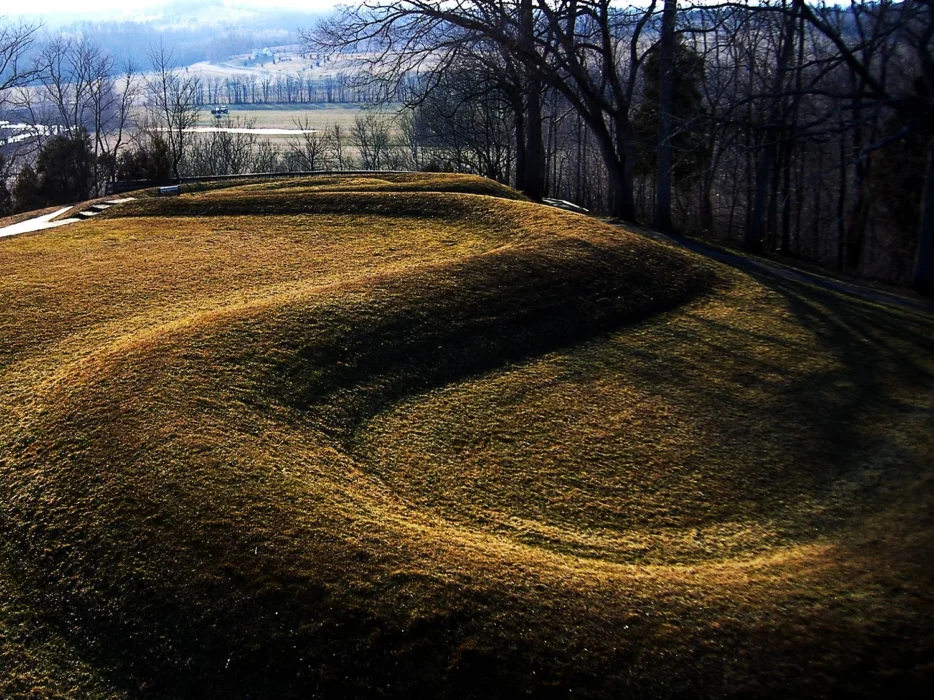
The Serpent Mound in southern Ohio is one of North America’s most remarkable prehistoric earthworks, stretching more than 1,400 feet across a ridge overlooking Brush Creek. Shaped like a coiled snake with an oval at its head, the mound is believed to have been built by Indigenous peoples over a thousand years ago. While its exact purpose remains debated—ranging from a ceremonial site to an astronomical marker—archaeologists continue to uncover clues that shed light on its origins, construction, and enduring cultural significance.
1. A Monument Over 1,400 Feet Long

The Serpent Mound in southern Ohio is one of the largest effigy mounds in the world, stretching over 1,400 feet in length. Its winding curves resemble a giant snake, with an oval feature at the head that some believe represents an egg.
Constructed entirely of earth, the mound follows the ridge above Brush Creek, showing a deliberate choice of location. The builders shaped it with remarkable precision, aligning the serpent’s coils in ways that suggest both symbolic and practical design choices that still capture attention today.
2. A Prehistoric Landmark With Debated Origins

Archaeologists have long debated which Indigenous culture built the Serpent Mound. Some evidence suggests the Fort Ancient people constructed it around 1070 CE, while other studies point to the Adena culture, more than 2,000 years earlier.
The debate continues because artifacts from different periods have been found in the area, complicating efforts to assign the mound to a single group. This uncertainty highlights how complex prehistoric North America was and how much remains to be learned about the societies that thrived before written history.
3. Built With Simple but Effective Tools
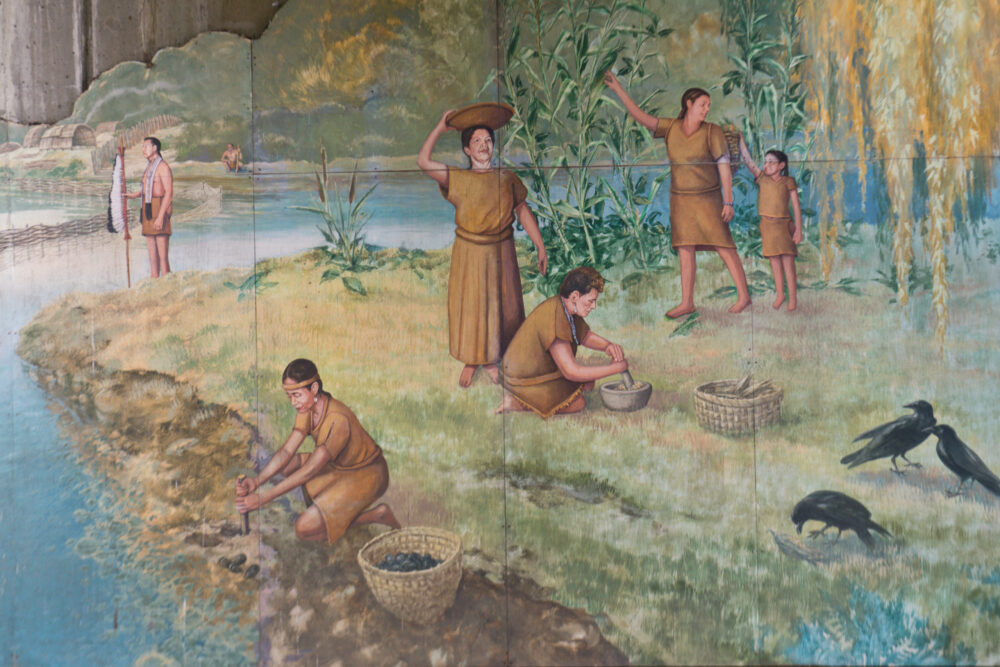
The Serpent Mound was built without metal tools, draft animals, or wheels. Indigenous builders used baskets to haul soil, stacking layer upon layer to achieve the mound’s height and shape.
This labor-intensive process required careful planning and a coordinated community effort. Despite limited technology, the final result is remarkably precise, with smooth curves that have endured for centuries. The survival of the mound demonstrates the advanced engineering skills of its builders, who created a structure resilient to erosion and time.
4. The Oval at the Head Holds Mystery
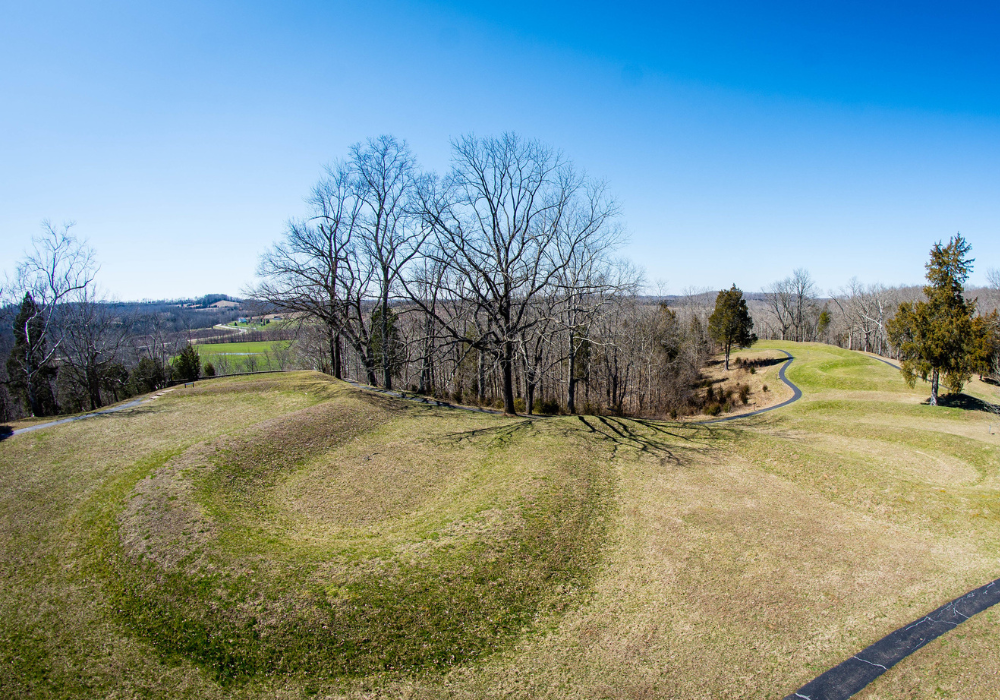
At the head of the serpent is a large oval-shaped feature. Some scholars suggest it represents an egg being swallowed, while others think it could symbolize the sun or moon.
The feature’s alignment with celestial events lends weight to the astronomical interpretation. Others argue that it may have had ceremonial or religious significance, reflecting spiritual beliefs. The oval remains one of the mound’s most intriguing elements, sparking debate about whether it symbolized life, rebirth, or cosmic cycles.
5. Astronomical Alignments Are Striking
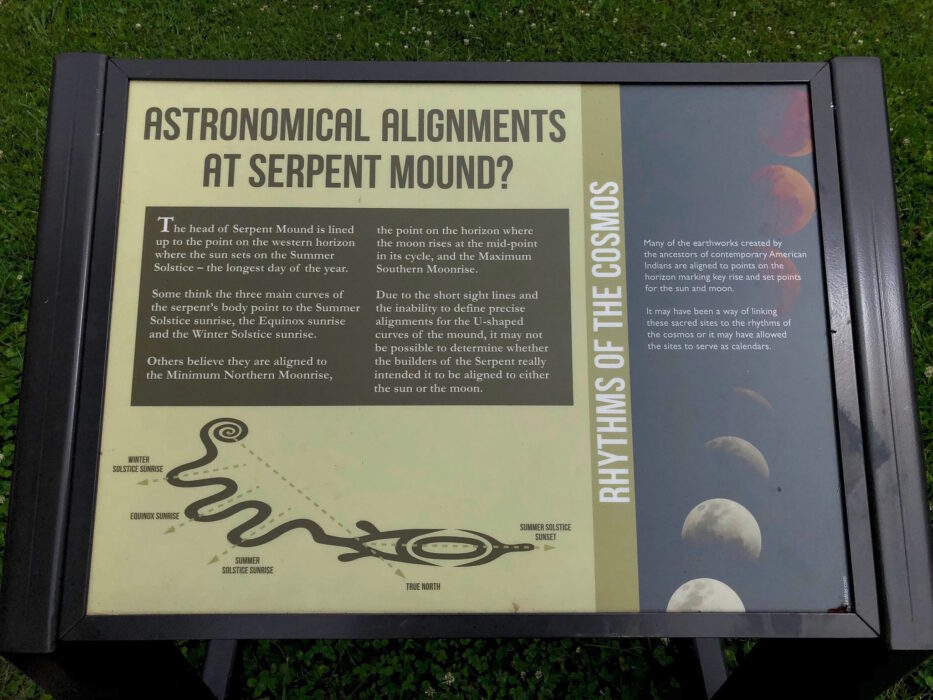
Researchers have found that parts of the Serpent Mound align with important astronomical events. The serpent’s coils and head appear to correspond with solstices, equinoxes, and lunar phases.
This suggests the mound may have functioned as a kind of calendar or ceremonial marker for tracking celestial movements. Indigenous peoples across North America often observed the sky closely, linking their spiritual and agricultural practices to the stars. The Serpent Mound reflects this tradition, showing how astronomy and belief were deeply connected.
6. Possible Ceremonial or Religious Purpose
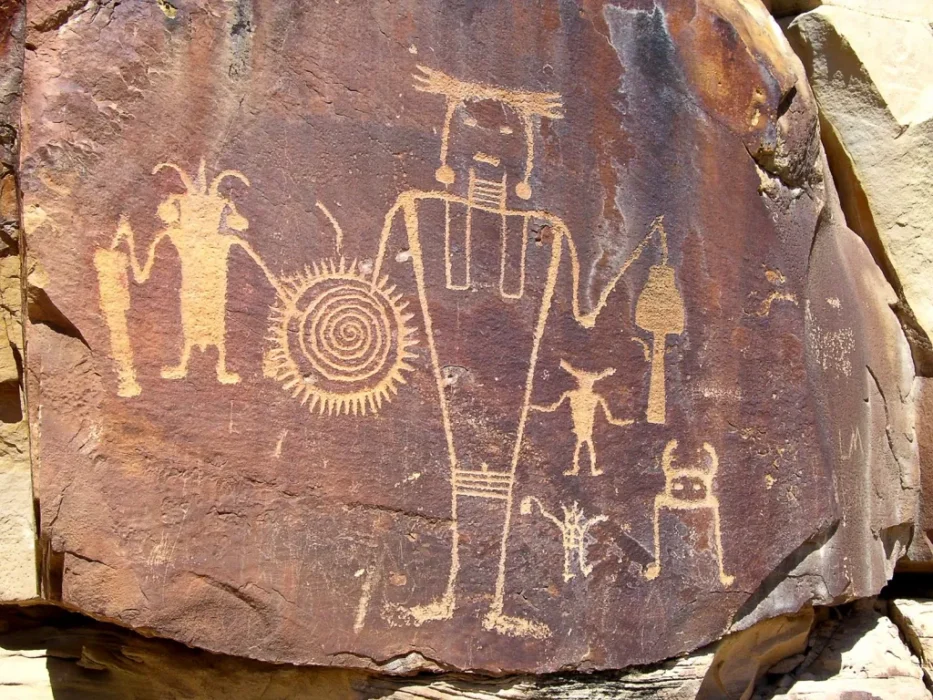
While the exact purpose of the Serpent Mound is unknown, many archaeologists believe it held ceremonial or religious significance. The serpent symbol is common in Indigenous traditions, often representing fertility, renewal, or cosmic power.
Gatherings at the mound may have involved rituals tied to the cycles of nature, celestial events, or community identity. The mound’s scale and complexity suggest it was a focal point of cultural importance, serving not just practical needs but spiritual and symbolic roles for its builders.
7. A Site Without Burials

Unlike many other mounds in North America, the Serpent Mound does not contain human burials. This absence supports the idea that it was primarily a ceremonial or symbolic site rather than a burial ground.
Nearby, however, archaeologists have found smaller burial mounds that may have been connected to the larger effigy. The separation of functions suggests a carefully organized sacred landscape. The Serpent Mound likely held unique significance, distinct from other types of earthworks in the region.
8. Connected to Indigenous Cosmology

The serpent motif is significant in many Native American traditions. It often represents the underworld, transformation, or the cycles of life and death. The Serpent Mound may have embodied these beliefs.
The alignment with celestial events reinforces the idea that the mound symbolized the connection between Earth and sky. Its builders may have used the serpent form to link natural, spiritual, and cosmic worlds, creating a landscape that reflected their worldview and identity.
9. A Protected Historic Landmark

Today, the Serpent Mound is a designated National Historic Landmark, recognized for its cultural and archaeological importance. It is preserved as part of an Ohio state park and managed for public education and research.
Visitors can walk along trails that offer views of the mound’s curves and head. Observation towers provide aerial perspectives, which best reveal the serpent’s full form. The site’s preservation allows people to experience a structure that has endured for more than a millennium.
10. Rediscovered in the 19th Century
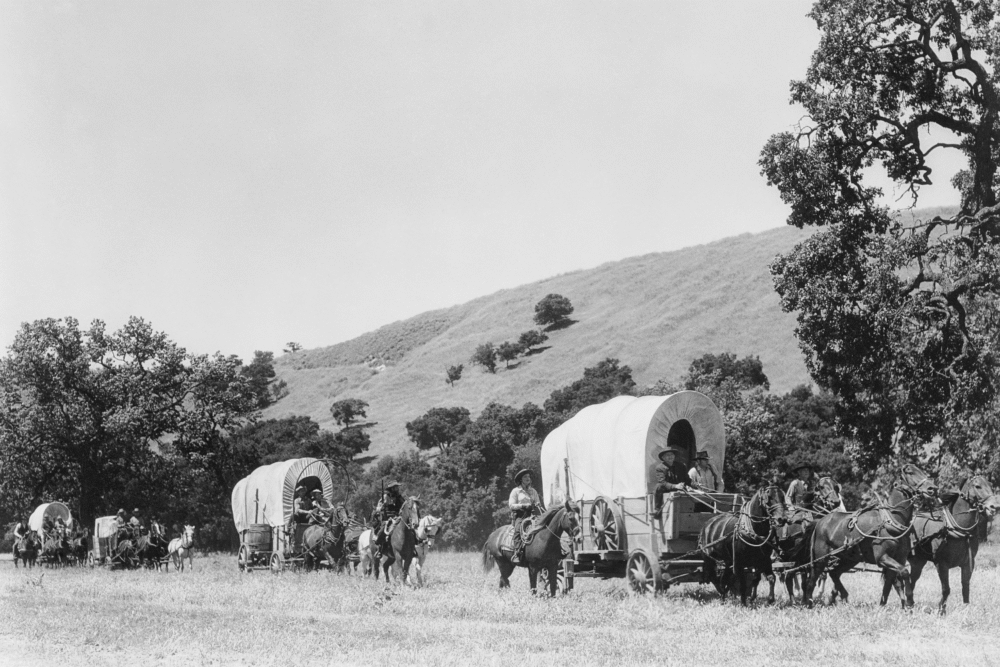
Although the mound existed for centuries, it was largely unknown to European settlers until the 1800s. Ephraim Squier and Edwin Davis surveyed it in 1846, publishing drawings that brought it to national attention.
Their work highlighted the mound’s scale and form, sparking interest among archaeologists and the public. Since then, the Serpent Mound has been studied extensively, though many questions remain unanswered. Its rediscovery marked a turning point in the recognition of ancient earthworks in North America.
11. Ongoing Research Brings New Insights
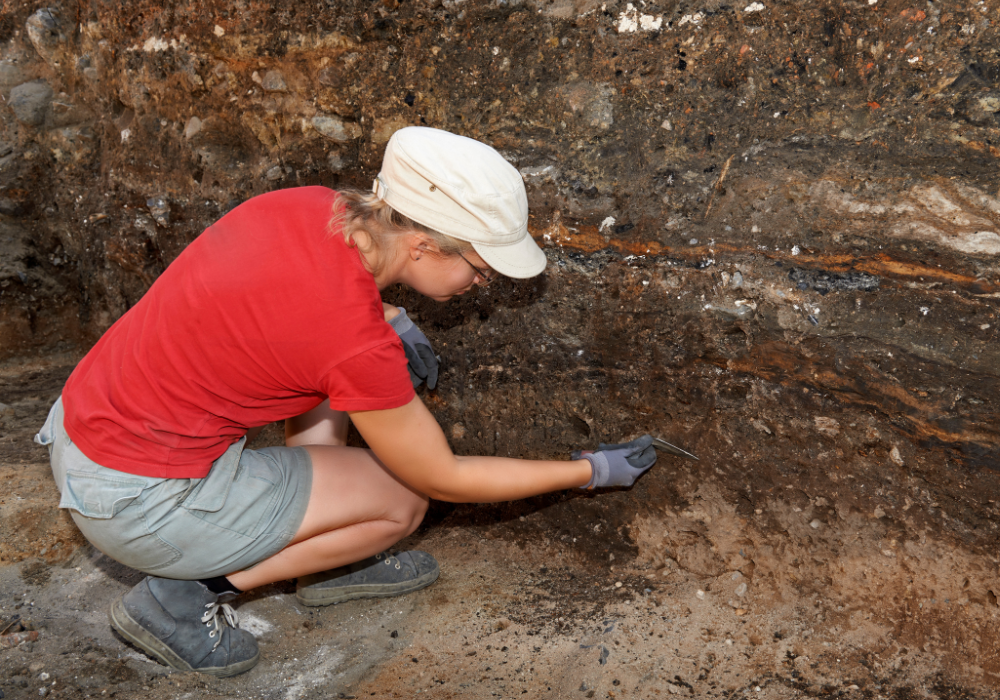
Archaeologists continue to study the Serpent Mound using modern techniques like radiocarbon dating, soil analysis, and remote sensing. These methods help refine theories about when it was built and how it has changed over time.
Recent studies suggest multiple construction phases may have occurred, with different Indigenous cultures adding to or reshaping the mound. This evolving picture shows that the site may have been important for many generations, adapting to cultural needs across centuries.
12. A Lasting Symbol of Indigenous Ingenuity

The Serpent Mound stands today as a powerful reminder of Indigenous ingenuity, spirituality, and connection to the land. It challenges stereotypes about prehistoric peoples by demonstrating advanced engineering, astronomy, and cultural expression.
As one of the world’s largest effigy mounds, it continues to inspire awe and curiosity. For archaeologists and visitors alike, it represents both a mystery and a legacy, reminding us that much of North America’s ancient history remains to be fully understood.