
Ancient civilizations in the Americas were far older and more advanced than once believed.
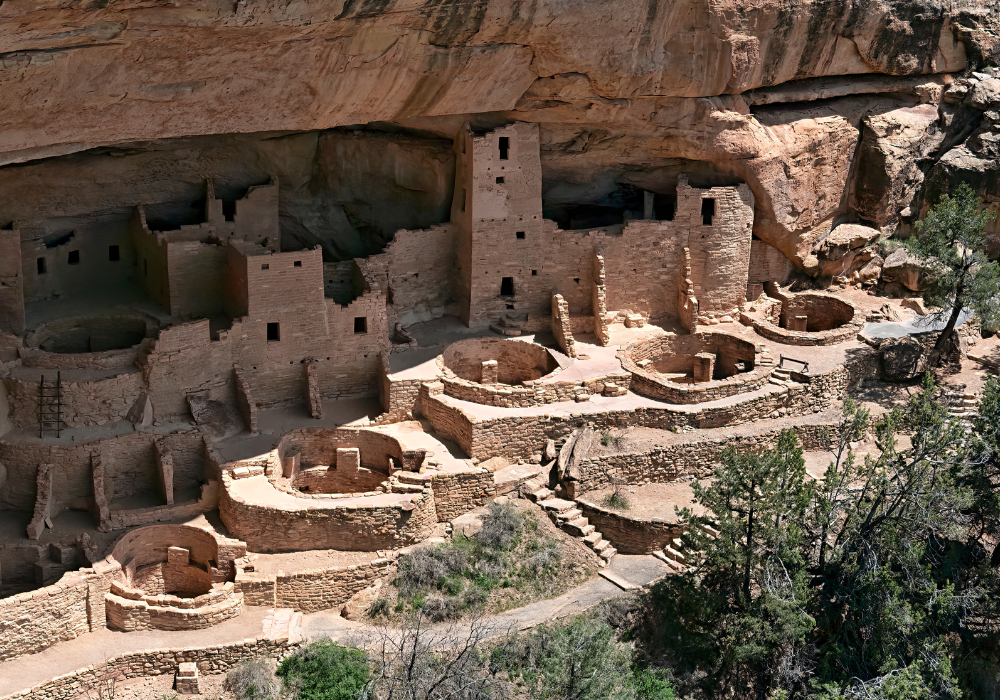
Archaeologists are uncovering evidence that suggests early American civilizations were far older and more advanced than previously believed. Sophisticated tools, construction techniques, and artwork hint at organized societies that flourished long before conventional timelines suggest.
These discoveries are forcing scientists to reconsider long-accepted theories about when humans first arrived in the Americas and how their cultures evolved. Each new find adds to a growing picture of an ancient world far more complex than history books once described.
1. The Cahokia Mounds, pre-Columbian urban development
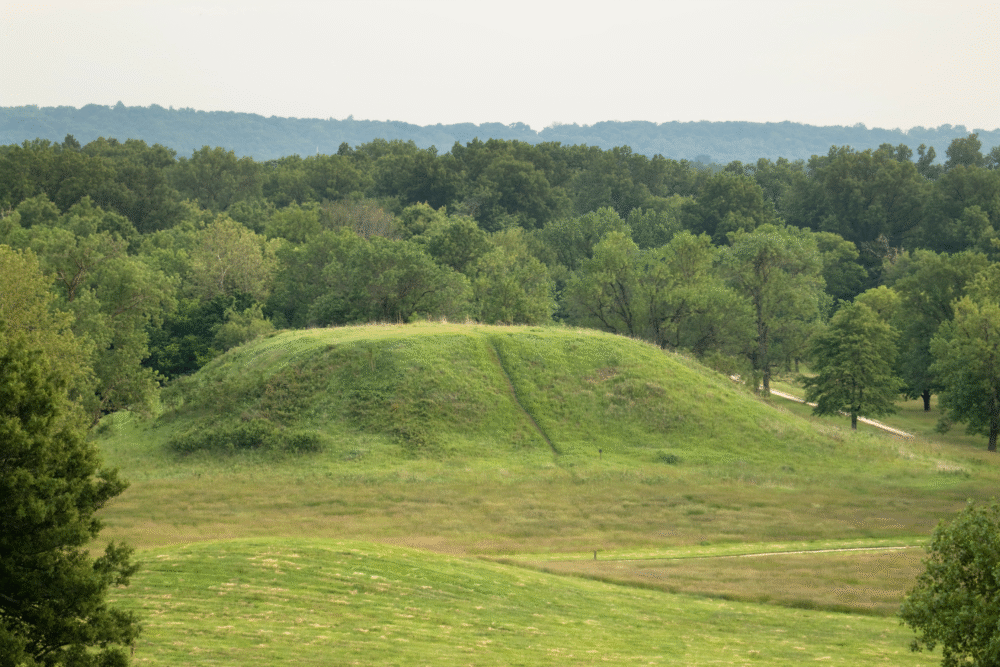
Cahokia Mounds, located near modern-day St. Louis, was a thriving pre-Columbian city home to thousands of inhabitants. Spanning over six square miles, it was one of the largest urban developments north of Mesoamerica, distinguished by its massive earthen mounds.
As a key hub of trade and culture, Cahokia challenges the perception that such cities existed only in central or southern regions. The scale and complexity of its construction reflect advanced societal organization, prompting historians to reconsider how early North American cultures lived and interacted.
2. Chaco Canyon, advanced Puebloan architecture and celestial alignment

Chaco Canyon in New Mexico showcases remarkable Puebloan architecture intertwined with celestial events. Its intricate network of structures and roads highlights a society deeply engaged with astronomy and the landscape, noted for great houses like Pueblo Bonito.
The alignment of buildings with celestial phenomena reflects an advanced understanding of the cosmos. This unique relationship between architecture and astronomy suggests spiritual and practical purposes, challenging assumptions about the technological capabilities of ancient American civilizations.
3. The stone structures of the Great Serpent Mound Ohio site

The Great Serpent Mound in Ohio winds gracefully along the landscape, embodying an iconic prehistoric effigy mound. This spiraling earthwork depicts a serpent, its coils stretching nearly 1,300 feet, and aligns with lunar phases, hinting at celestial significance.
This site invites intriguing questions about its builders—the Indigenous peoples who thrived long before European settlement. The artistry and purpose remain speculative, inviting multiple interpretations, each a tribute to the ancient ingenuity and worldview echoing across history.
4. Monte Albán, the Zapotec civilization’s early political center
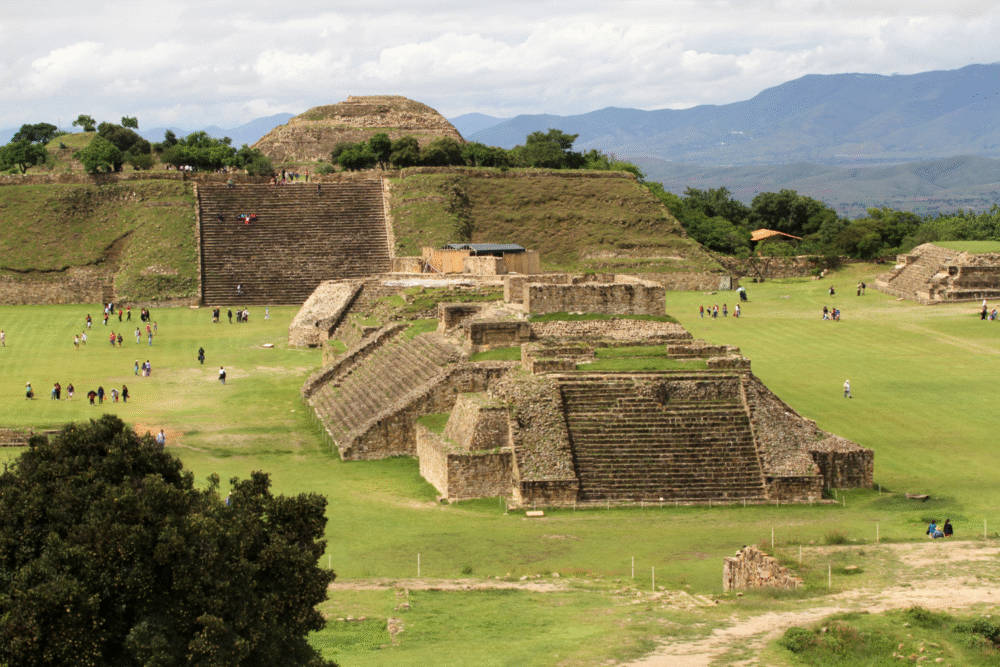
Monte Albán stands as a testament to the Zapotec civilization’s architectural and political accomplishments. Situated atop a mountain in modern-day Mexico, this site features a grand plaza surrounded by temples and terraces, reflecting its role as a regional power center.
As one of the earliest political capitals, Monte Albán played a pivotal role in the cultural development of Mesoamerica. Its influence and interactions with other cultures highlight the interconnectedness of ancient societies, sparking curiosity about early governance and social structures.
5. The massive earthworks of Poverty Point

Poverty Point, a prehistoric site in Louisiana, reveals enigmatic earthworks constructed over 3,000 years ago. The intricate mounds and ridges display a complex design, thought by some researchers to reflect ceremonial or trade activities within an extensive regional network.
Mysteries linger around its purpose, sparking debate among archaeologists and historians. The scale and antiquity of Poverty Point’s construction challenge preconceptions about the sophistication and reach of early societies in North America.
6. The intricate petroglyphs and settlements at Mesa Verde
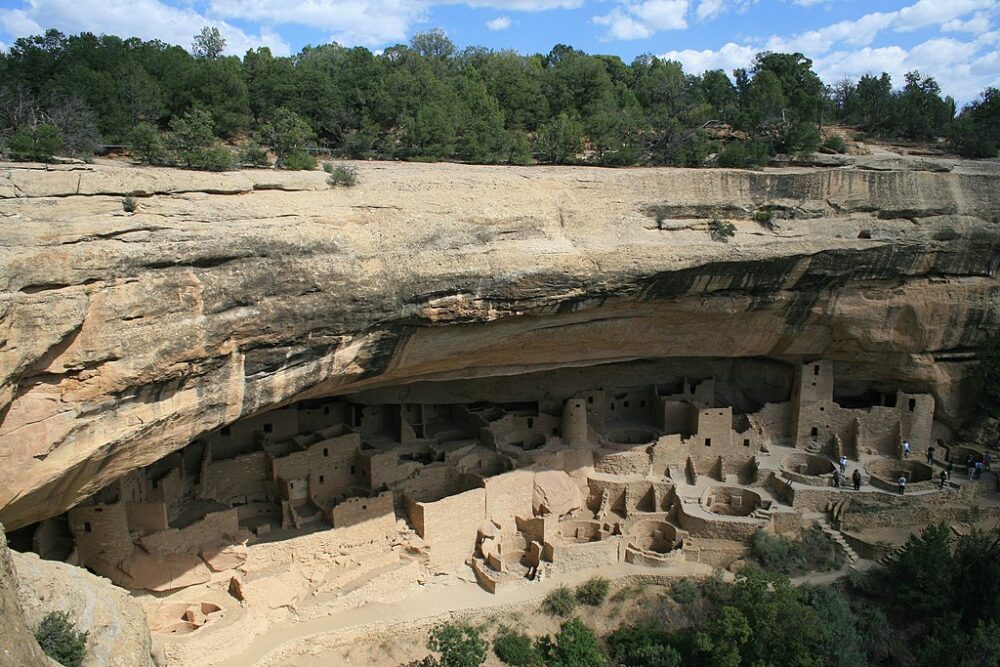
Mesa Verde in Colorado is famed for its well-preserved cliff dwellings, testament to ancestral Puebloan life. Carved into steep sandstone cliffs, these structures sheltered inhabitants of the region, protected from harsh weather and potential threats.
Petroglyphs etched into the rocks offer glimpses into the spiritual and daily lives of its residents. The site’s intricate living spaces and artistic expressions invite reflection on the adaptability and cultural richness of the ancestral Puebloan culture.
7. The craftsmanship of Palenque’s Mayan ruins in southern Mexico
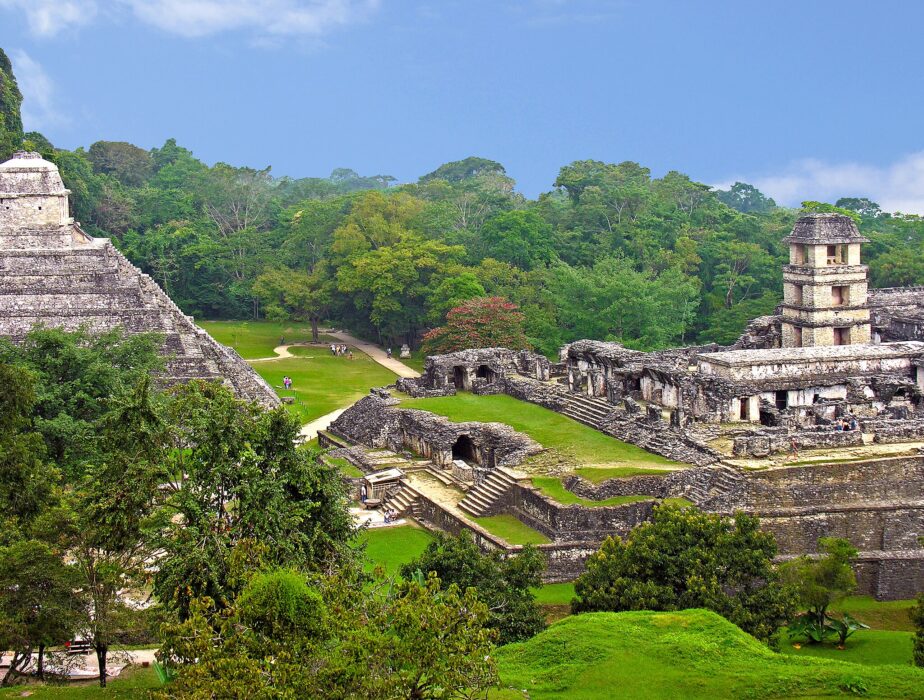
Palenque contains the artistic and architectural splendor of Mayan civilization nestled in southern Mexico’s forested hills. The ruins, including the Temple of the Inscriptions, display intricate carvings that convey Mayan history and mythology.
The craftsmanship and detailed artistry exemplify the cultural sophistication and scientific knowledge held by the Mayans. This site commemorates an era of innovation and deeply ingrained spiritual life, illuminating a civilization advanced in many disciplines.
8. Caral, one of the oldest urban centers in the Americas

Caral in Peru rises as one of the oldest known urban centers in the Americas. This UNESCO World Heritage site showcases extensive residential and ceremonial structures erected over 4,000 years ago, making it a keystone in understanding Andean prehistory.
The layout and scale highlight early urban planning and sociopolitical influences. By expanding conventional historical timelines, Caral reshapes narratives about ancient societies, emphasizing the complexity and longevity of human occupation in South America.
9. The layered history of Teotihuacan’s vast pyramids near Mexico City
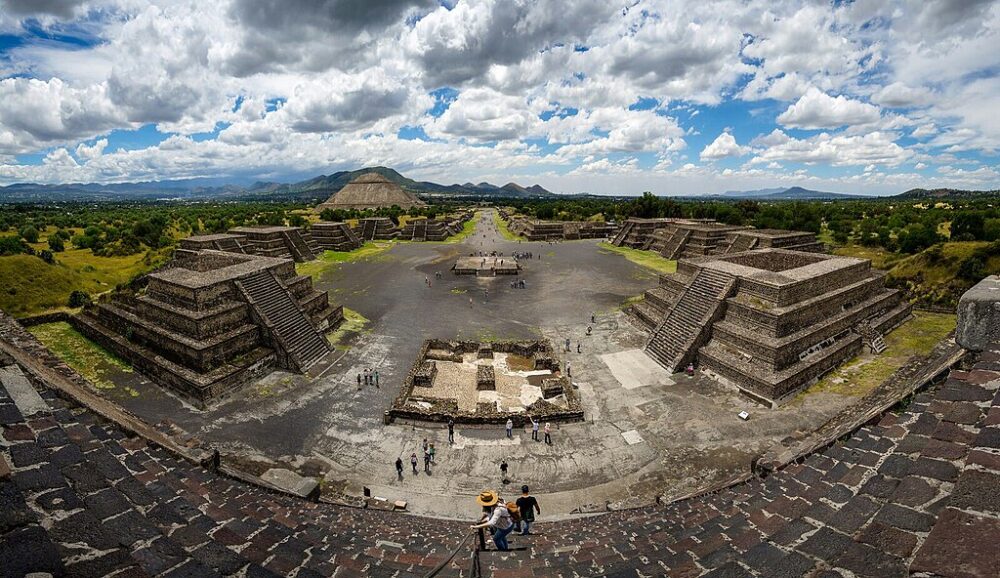
Teotihuacan, renowned for its grand pyramids like the Pyramid of the Sun, unfolds a mysterious history near modern-day Mexico City. This expansive metropolis thrived before the rise of the Aztec civilization, its true founders unknown.
Following a grid-like precision, the city’s remains indicate a diverse community of cultures coexisting and interacting long before Spanish conquest. This multi-layered history beckons exploration into the distant echoes of its once bustling avenues and sacred spaces.
10. The lesser-known but significant sites of Bandelier National Monument
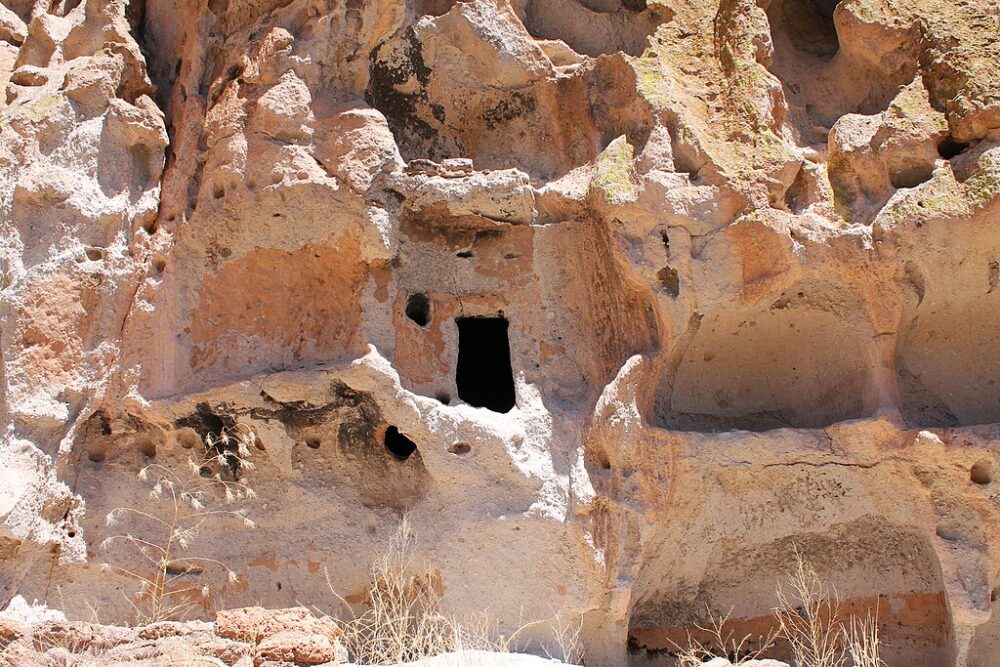
Bandelier National Monument, found in New Mexico, conceals lesser-known ancient sites within its rugged terrain. Dwellings carved into volcanic cliffs and ancestral Puebloan remnants hint at flourishing communities with complex societal structures.
Venturing through these sites offers unexpected insights into indigenous lifeways adapted to the environment. Bandelier’s archaeological significance challenges narrow historical views by embracing the diversity and sophistication evident in early American cultures.