
A sealed Roman-era coffin discovered in Budapest reveals rare artifacts and a remarkably preserved glimpse into ancient life.
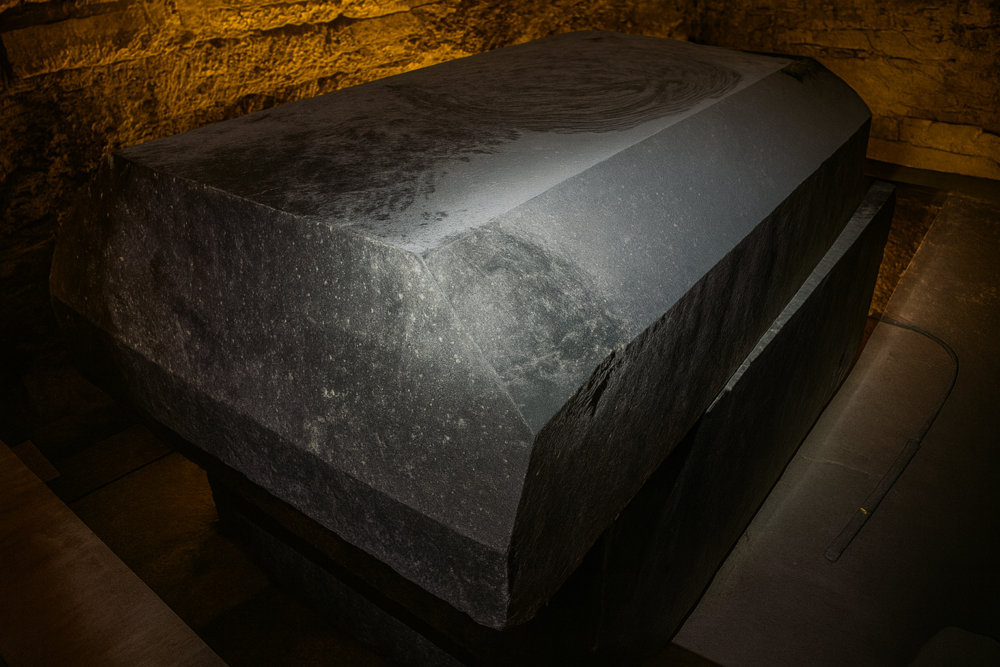
A sealed Roman-era coffin dating back around 1,700 years has been uncovered in Budapest, revealing the remains of a woman buried with jewelry, coins, glass vessels, and fragments of gold-threaded fabric. The limestone sarcophagus had been hermetically sealed with metal clamps and molten lead, leaving its contents completely untouched since antiquity. Archaeologists say this level of preservation is exceptionally rare, especially in urban areas where ancient tombs were often reused or disturbed. The discovery offers a remarkably detailed look at burial customs, personal belongings, and social status in a Roman frontier community.
1. A 1,700 Year Old Coffin Emerged in Remarkably Intact Condition
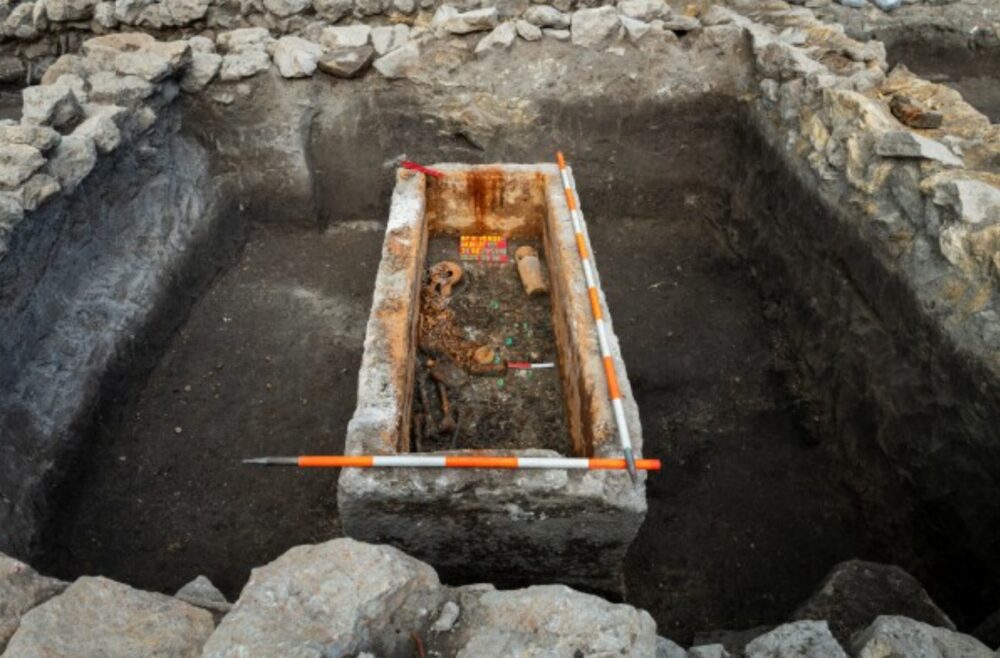
Archaeologists discovered the sealed limestone sarcophagus in the Óbuda district, once part of the Roman settlement of Aquincum. The coffin had remained closed for nearly seventeen centuries thanks to metal clamps and molten lead used to secure the lid. This protective sealing allowed the burial environment to remain undisturbed and preserved in exceptional condition.
Most Roman coffins found in Europe have been looted, reused, or damaged over time, making this find extremely rare. Because the burial was untouched, researchers were able to study its contents exactly as they were placed during the late Roman period.
2. The Coffin Contained the Remains of a Single Woman
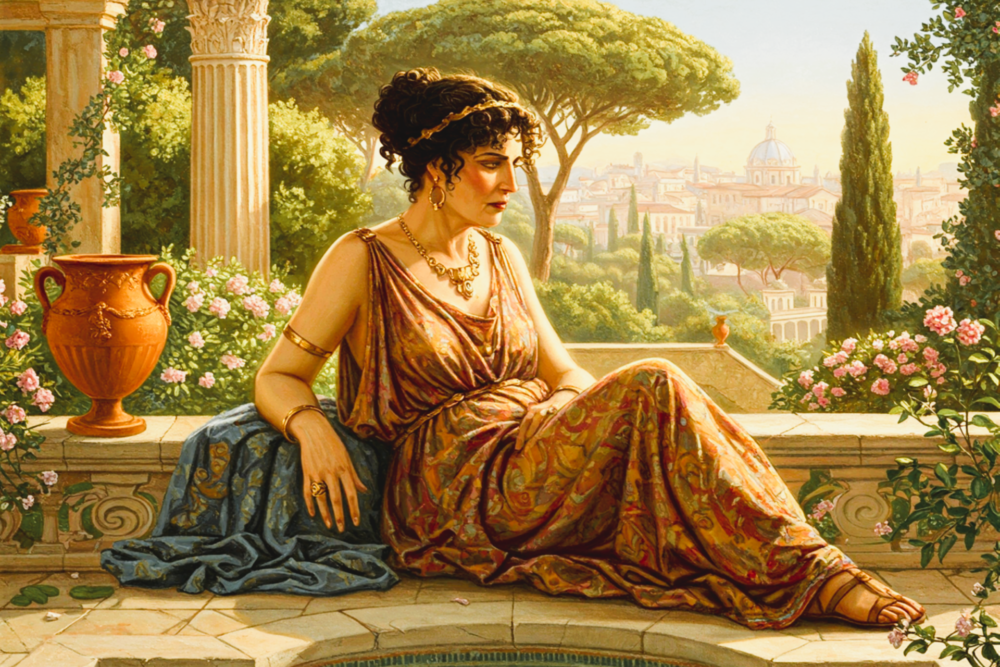
Inside the sarcophagus, archaeologists found the skeletal remains of an adult woman. Her burial was carefully arranged, suggesting she held a respected position within her community. The presence of high quality grave goods further supports the idea that she belonged to a wealthy or influential household during the Roman era in Pannonia.
Researchers plan to study the bones in detail to learn more about her age, health, and lifestyle. The analysis may reveal additional clues about her origins and daily life, helping historians better understand the population makeup of Aquincum at the time.
3. Jewelry, Coins, and Luxury Items Survived Inside the Coffin
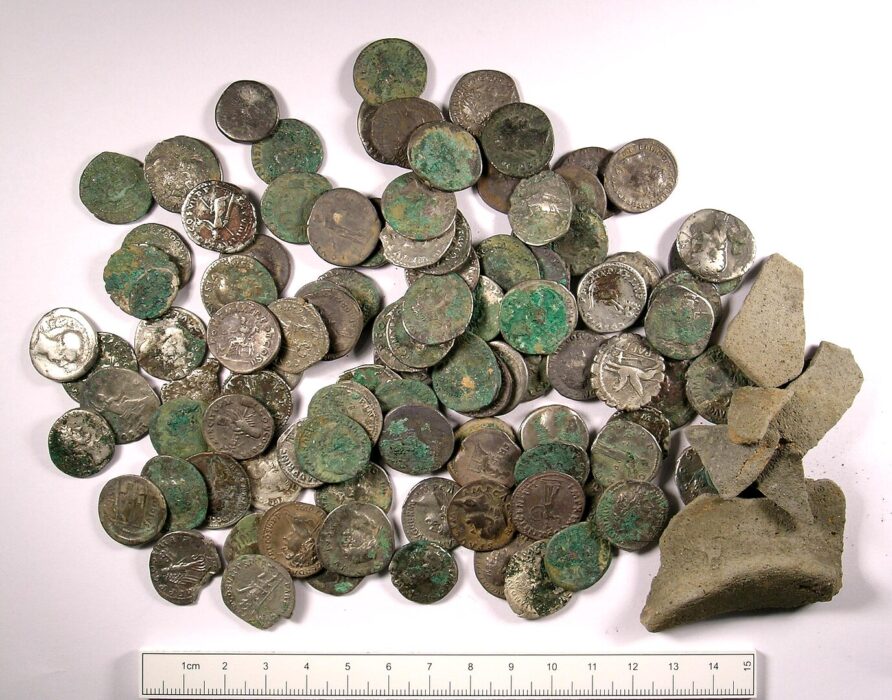
Archaeologists uncovered an impressive collection of artifacts that included amber jewelry, bronze figures, a bone hairpin, glass vessels, and approximately 140 coins. They also found fragments of gold threaded fabric that may have been part of the woman’s clothing or burial covering. Every item had remained in place since the day of burial.
These grave goods provide valuable insight into wealth, craftsmanship, and cultural expression in the region. The materials and workmanship can help researchers trace trade networks, artistic influences, and societal values during the late Roman period.
4. The Coffin’s Expert Sealing Shows High Status and Ritual Care

The sarcophagus was sealed with metal clamps and molten lead, a technique used to create an airtight environment. This method required significant resources and skilled labor, indicating that the woman’s burial was a carefully planned, high status ceremony. The exceptional preservation of the contents confirms how effective the sealing process was.
Because Roman coffins were often reopened or reused, finding one intentionally sealed and left undisturbed is extremely unusual. The construction and preservation provide archaeologists with a rare chance to examine burial practices without centuries of disturbance.
5. The Discovery Illuminates Life in the Roman Settlement of Aquincum
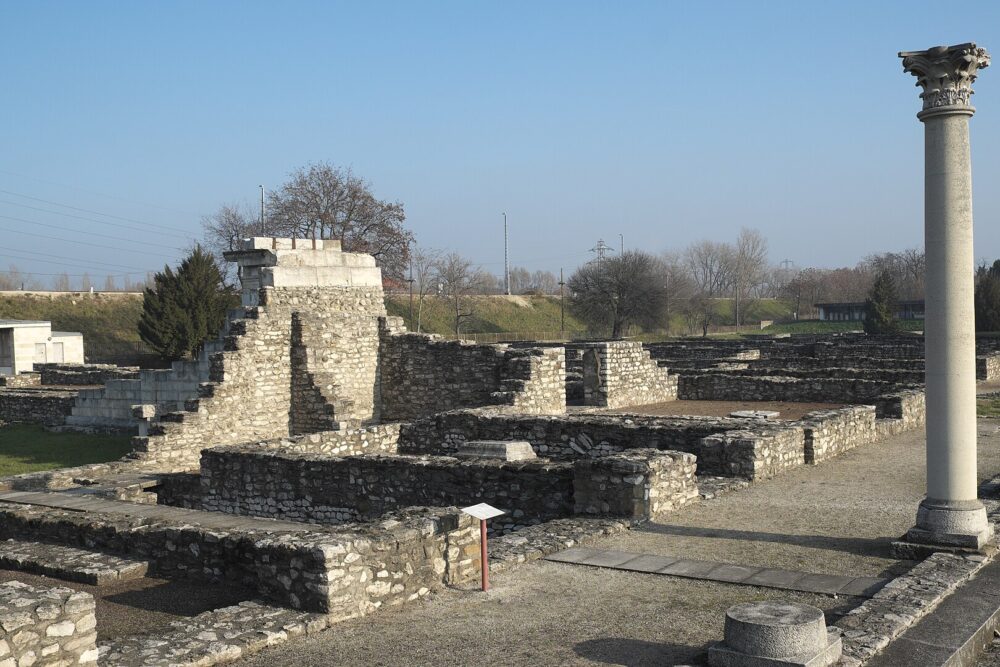
The location of the find sits within ancient Aquincum, an important Roman settlement that included civilian homes, military installations, and public infrastructure. Discoveries like this coffin help historians better understand the diversity and social structure of the community.
The wealth reflected in the burial goods suggests the presence of affluent families with access to luxury materials and skilled artisans. This challenges assumptions that frontier provinces were culturally or economically limited compared to larger Roman cities.
6. Burial Customs Reflect Cultural and Spiritual Beliefs
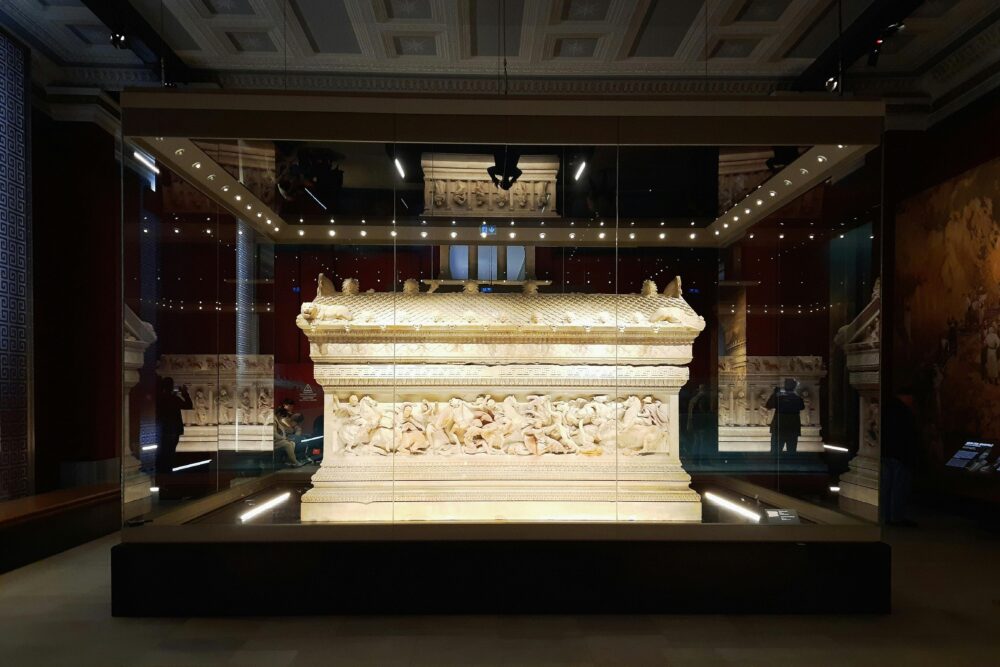
The inclusion of personal items such as coins, jewelry, and decorated vessels reflects the burial customs of the Roman era. These objects were often chosen to accompany the deceased for symbolic or ritual reasons and may have held personal significance.
The careful placement of the body and goods indicates a ceremony rooted in respect and tradition. By studying the arrangement and types of artifacts, researchers gain deeper insight into spiritual beliefs and funeral practices that shaped everyday life in Roman Pannonia.
7. A Layer of Mud Suggests More Artifacts May Be Hidden
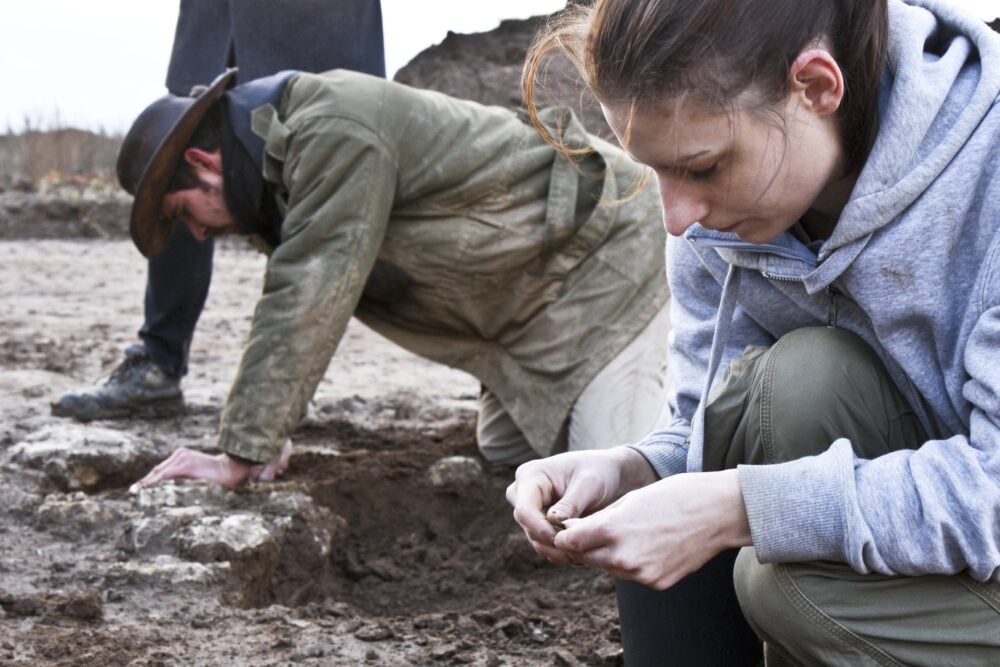
Inside the coffin, archaeologists found a several centimeter thick layer of mud that had settled over time. This mud may contain additional small artifacts or fragments that were originally part of the burial but are now concealed.
Specialists will carefully sift and analyze the sediment to recover anything the initial excavation could not immediately identify. These hidden details may provide further clues about the woman’s clothing, jewelry, or burial rituals, adding depth to the overall discovery.
8. Nearby Graves and Structures Help Place the Find in Context
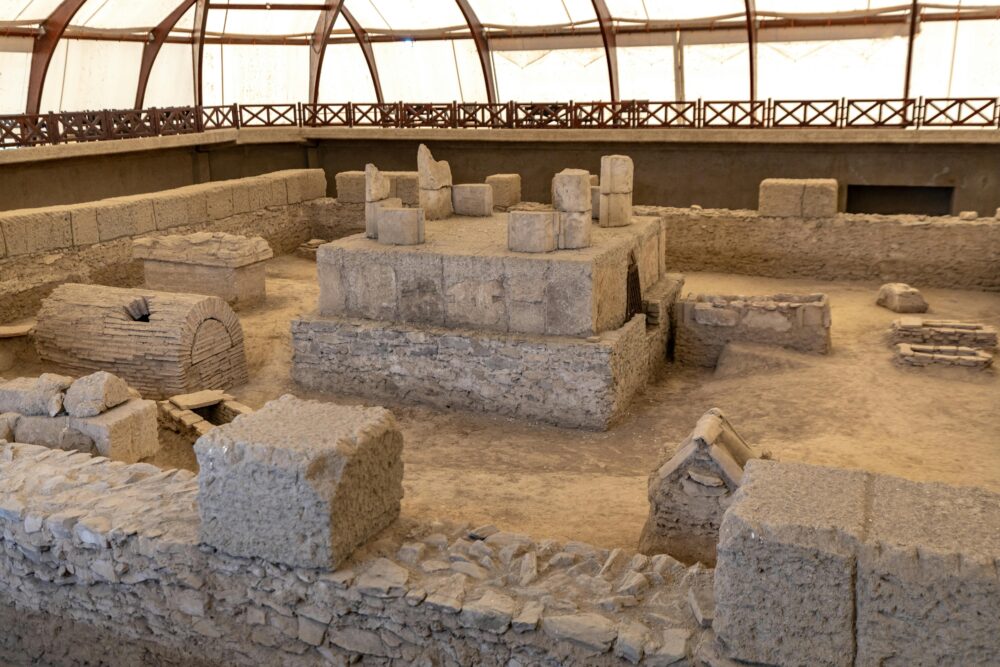
The excavation site also revealed eight simpler graves and part of a Roman aqueduct, confirming that the area was a well established settlement. The combination of high status and modest burials suggests a socially varied population living close to important civic structures.
These additional discoveries help archaeologists reconstruct the broader environment in which the woman lived. They also indicate that Aquincum was a functioning community with infrastructure, economic activity, and social stratification typical of Roman frontier towns.
9. Intact Roman Coffins Are Extremely Rare Finds
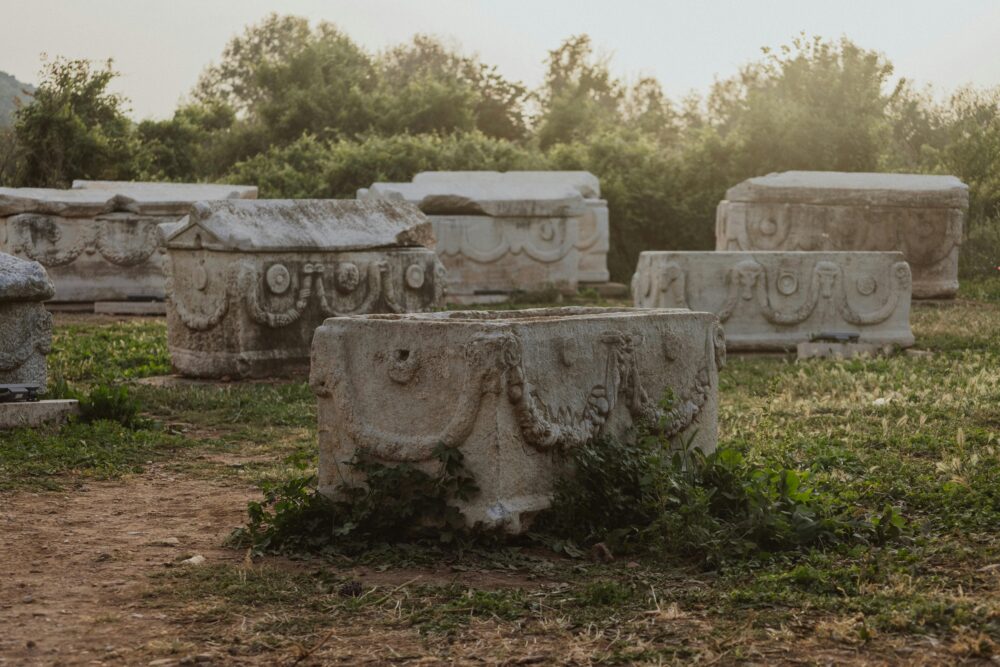
Most Roman era sarcophagi discovered today have been opened or disturbed over the centuries. This makes a completely sealed and untouched coffin an exceptional archaeological treasure. Its condition offers a unique snapshot of life and death in a specific moment in history.
Because nothing inside was moved or removed after burial, researchers have access to a level of detail that is almost never preserved. This allows for more accurate interpretations of burial customs, social roles, and personal belongings.
10. Analysis of the Remains May Reveal Important Personal History

Anthropologists will examine the woman’s bones to determine her age, health conditions, and any signs of illness or physical activity. These findings can help researchers understand the quality of life and medical realities faced by residents of Aquincum.
If possible, isotopic or DNA analysis could offer clues about her ancestry, diet, and geographic origins. This personal information contributes to a wider understanding of population movement and cultural blending within the Roman Empire.
11. The Find Could Transform Understanding of Roman Era Europe
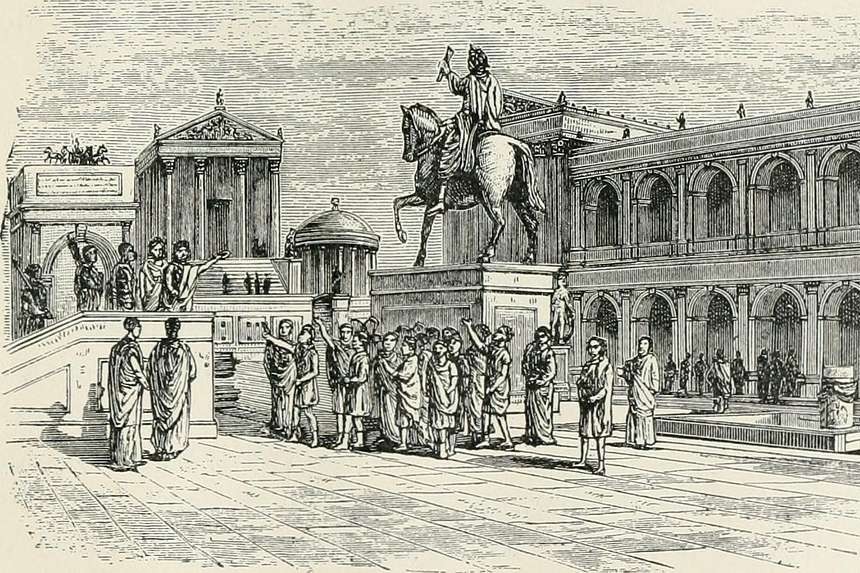
Because it is so well preserved, the sarcophagus offers the opportunity to reconsider long held assumptions about Roman provincial life. The wealth of the burial, the craftsmanship of the objects, and the quality of the coffin all demonstrate that frontier regions could be prosperous and culturally rich.
As archaeologists continue studying the remains and artifacts, the discovery may reshape academic understanding of social life, trade networks, and funerary practices during the late Roman Empire. It stands as one of the most important archaeological finds in the region in recent years.