
New discoveries—inscriptions, seals, and ancient records—are revealing real people behind some of the Bible’s most famous names.
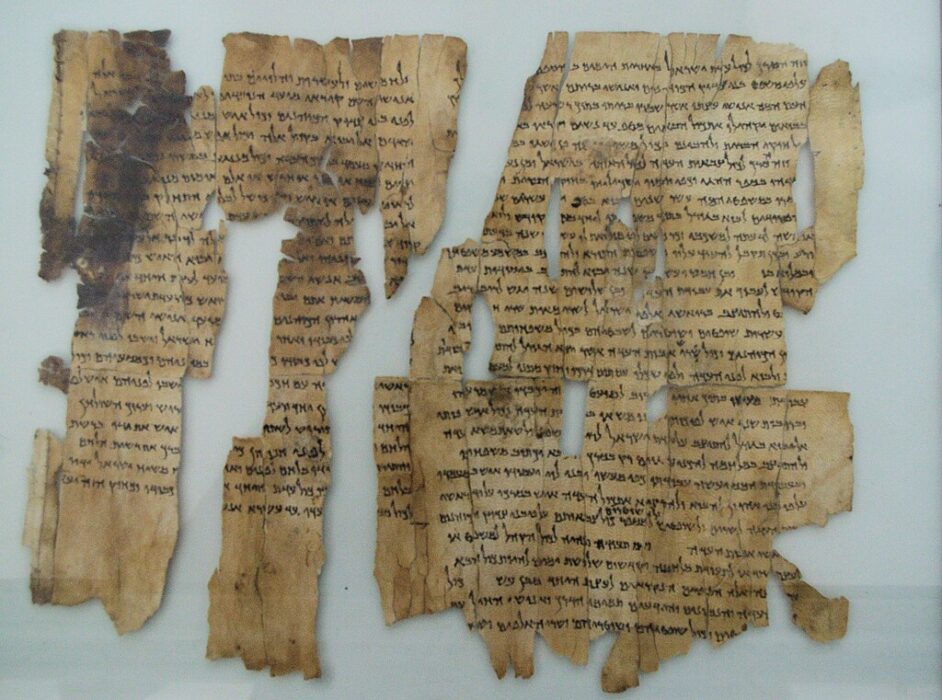
Recent archaeological discoveries across Israel, Jordan, and the broader Near East are giving historians new insight into people once known only from the Bible. Inscriptions, royal seals, and ancient records have helped verify the existence of several figures mentioned in biblical texts, including kings, officials, and military leaders. While archaeology cannot confirm every detail of their stories, the growing body of evidence shows that parts of the biblical narrative are rooted in real historical individuals and events.
1. King Hezekiah Confirmed Through Royal Seal and Assyrian Records
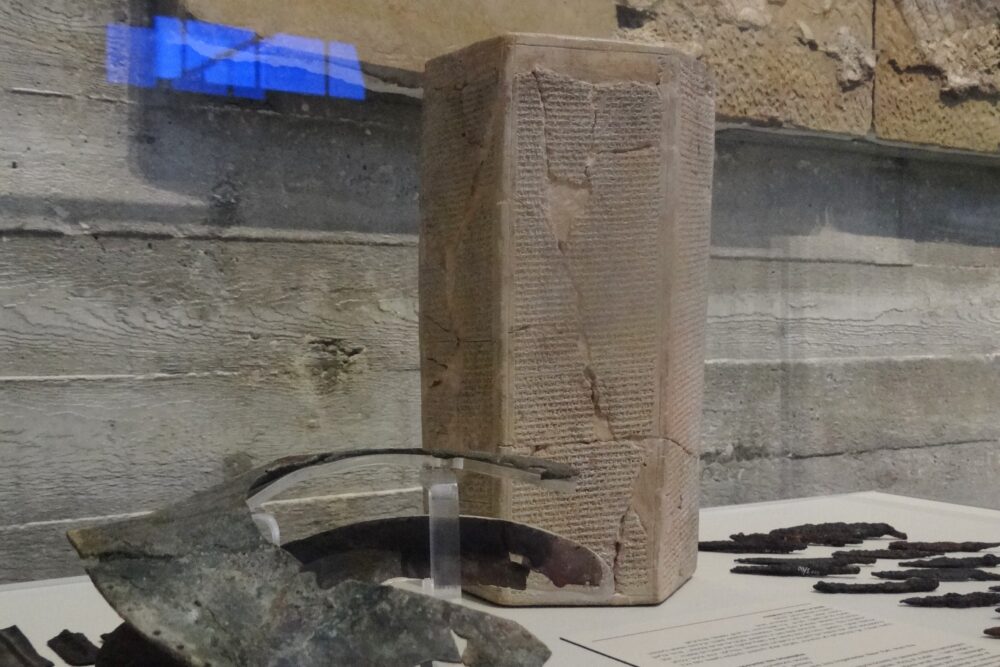
Archaeologists uncovered a clay seal impression in Jerusalem inscribed with “Belonging to Hezekiah, son of Ahaz, king of Judah,” matching the biblical king’s full title. The seal, known as the Hezekiah Bulla, dates to the late 8th century BCE and is widely accepted as authentic.
Hezekiah also appears in the Assyrian “Sennacherib Prism,” which describes the Assyrian campaign against Judah. These two independent sources firmly establish him as a real historical ruler consistent with biblical accounts.
2. The Tel Dan Stele Mentions the “House of David”
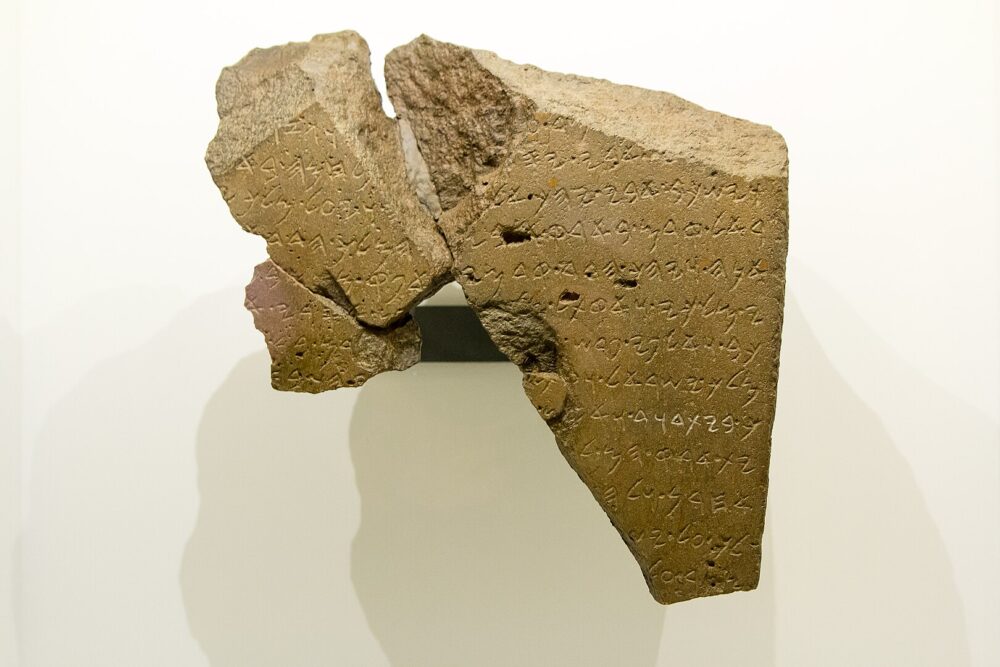
Discovered in northern Israel, the Tel Dan Stele is a 9th-century BCE Aramaic inscription that contains the phrase “House of David,” referring to a royal dynasty traced to a historical David. This interpretation is widely accepted among scholars.
Although a small minority propose alternative readings, the mainstream consensus is that the inscription supports David’s status as a genuine founding monarch. It remains one of the strongest archaeological references to the biblical dynasty.
3. King Omri Clearly Identified in the Mesha Stele
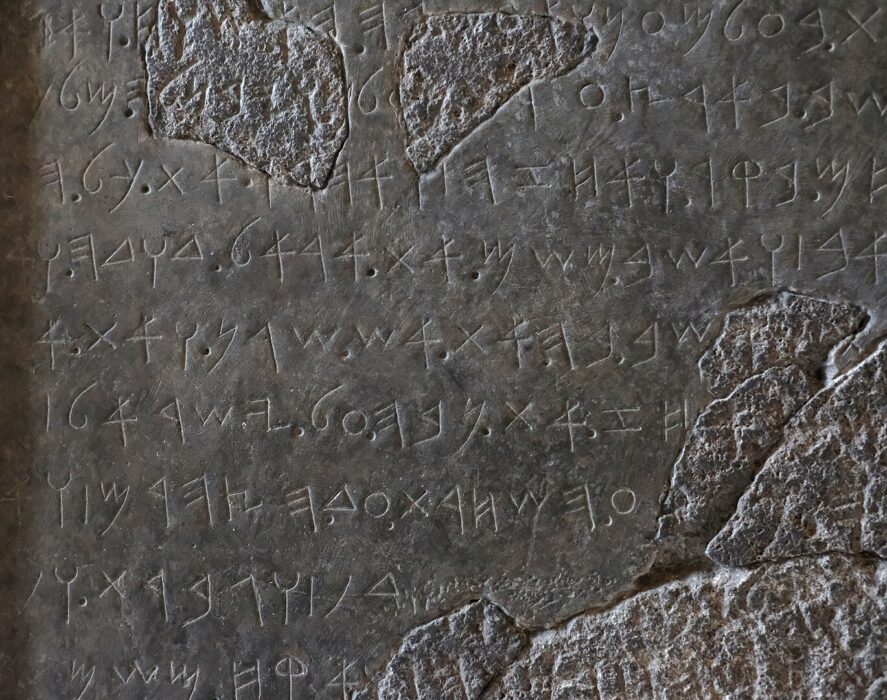
The Mesha Stele, found in Jordan and dating to the 9th century BCE, explicitly names Omri, king of Israel, and describes his rule over Moab—paralleling conflicts described in the Bible. This makes Omri one of the best-attested Israelite kings outside scripture.
The stele also mentions “Omri’s son,” which aligns with the biblical dynasty that included King Ahab. While Ahab is not named directly, the inscription confirms a ruling dynasty consistent with the biblical narrative.
4. King Jehu Depicted on the Black Obelisk
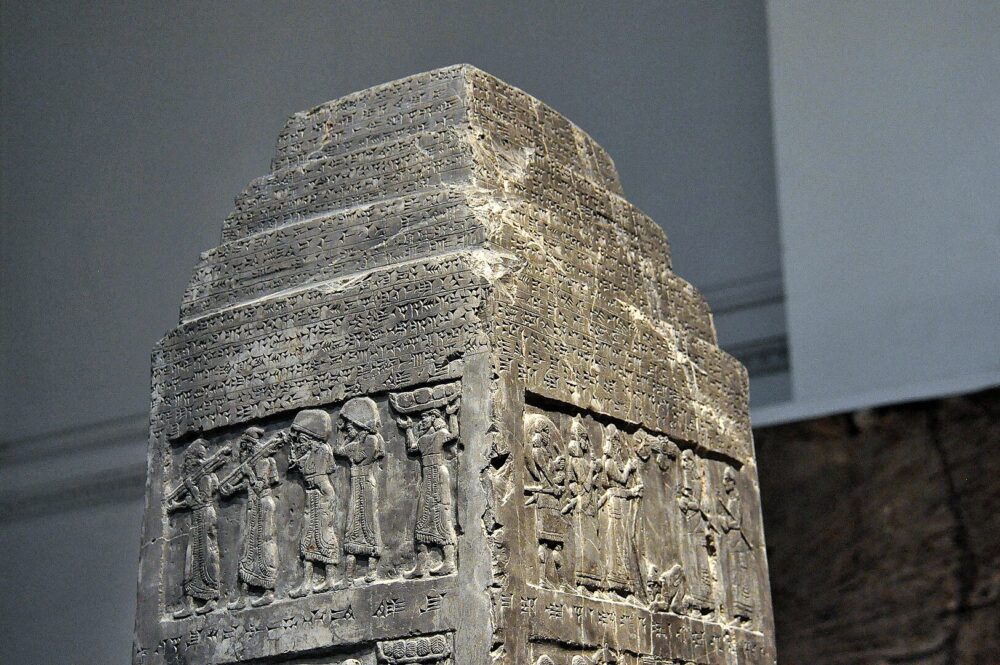
The Black Obelisk of Shalmaneser III, discovered in ancient Nimrud, shows King Jehu of Israel kneeling before the Assyrian monarch in a scene of tribute. The inscription clearly names Jehu and describes his submission.
This artifact is the earliest known depiction of an Israelite ruler and provides strong corroboration of Jehu’s existence, political activity, and relationship with the Assyrian empire during the 9th century BCE.
5. King Jehoiachin Recorded in Babylonian Tablets
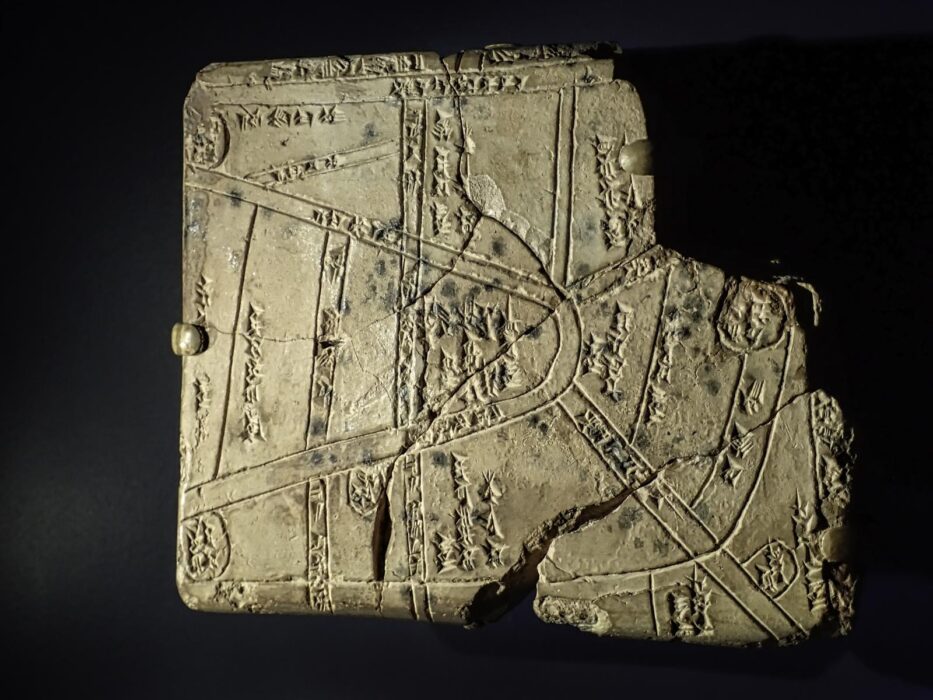
Administrative tablets from Babylon list “Yaukin, king of Judah,” receiving rations while in captivity—an unmistakable reference to King Jehoiachin. These tablets date to the 6th century BCE and are considered highly reliable.
Their details match the biblical account of Jehoiachin’s exile after Nebuchadnezzar’s conquest. This evidence confirms both his existence and his unusual status as an imprisoned foreign king maintained by the Babylonian court.
6. Pontius Pilate Verified Through the Pilate Stone
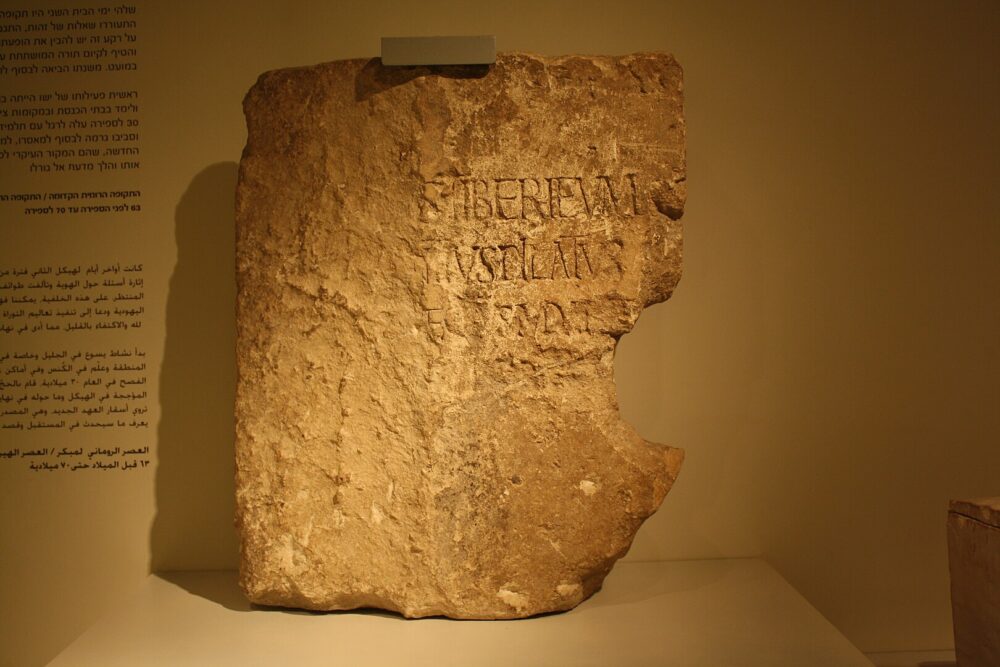
A limestone inscription found in Caesarea Maritima bears the name “Pontius Pilatus, Prefect of Judea,” identifying him by both name and official title. The artifact dates to the early 1st century CE and is universally accepted as authentic.
Before this discovery, Pilate was known primarily through the Bible and Roman historians. The Pilate Stone provides direct archaeological confirmation of the Roman governor involved in the trial of Jesus.
7. Caiaphas Likely Identified Through an Inscribed Ossuary
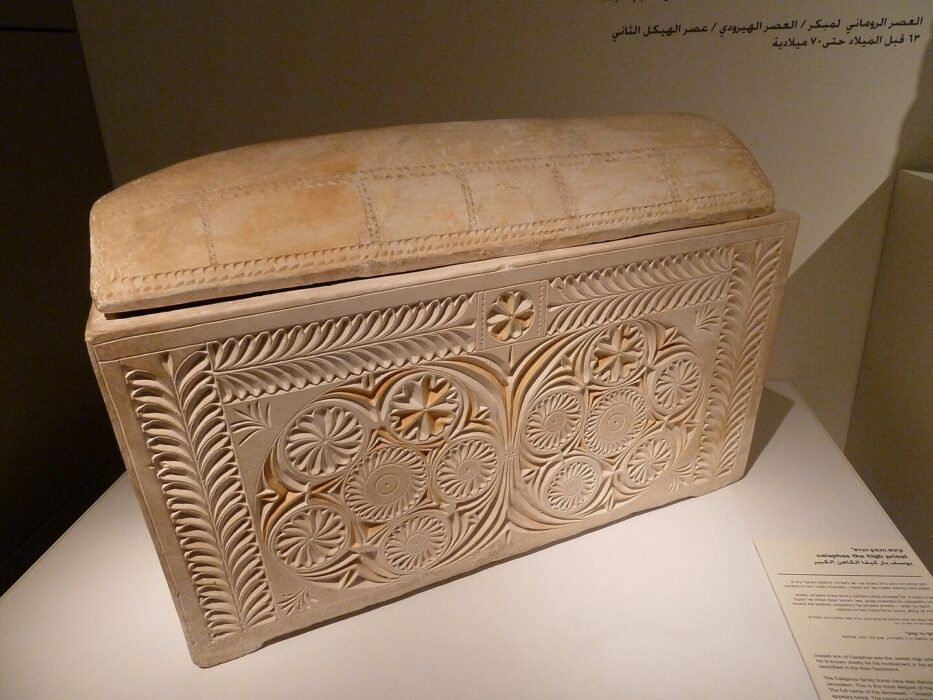
An ornate ossuary discovered in Jerusalem bears the inscription “Joseph son of Caiaphas,” believed by many scholars to refer to the high priest involved in Jesus’s trial. The box dates to the early 1st century CE and fits the known period of Caiaphas’s leadership.
While absolute certainty is impossible, the combination of the name, date, and craftsmanship makes this one of the strongest archaeological connections to a major New Testament figure.
8. Baruch’s Name Appears on Seal Impressions—But With Caution
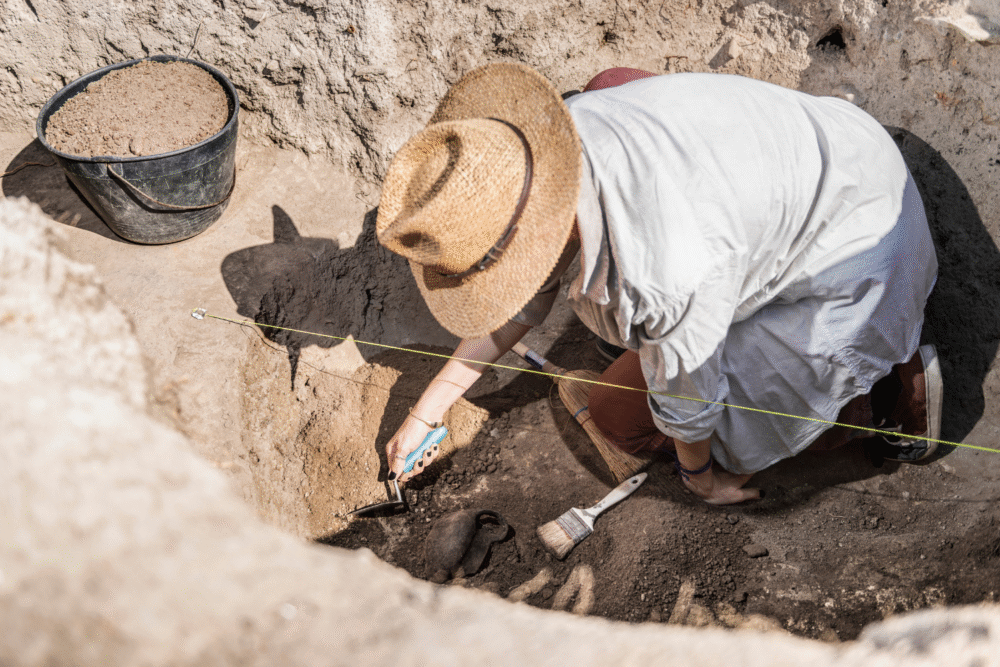
Two ancient seal impressions bearing the name “Baruch son of Neriah” have been found, matching the name of Jeremiah’s scribe. These artifacts fit the correct time period and administrative context described in the Bible.
However, some scholars question the authenticity of one or both impressions, arguing they may come from the antiquities market rather than controlled excavations. Because of this, they are intriguing but not definitive evidence of Baruch’s historical existence.
9. Assyrian Inscriptions Confirm Multiple Israelite Kings
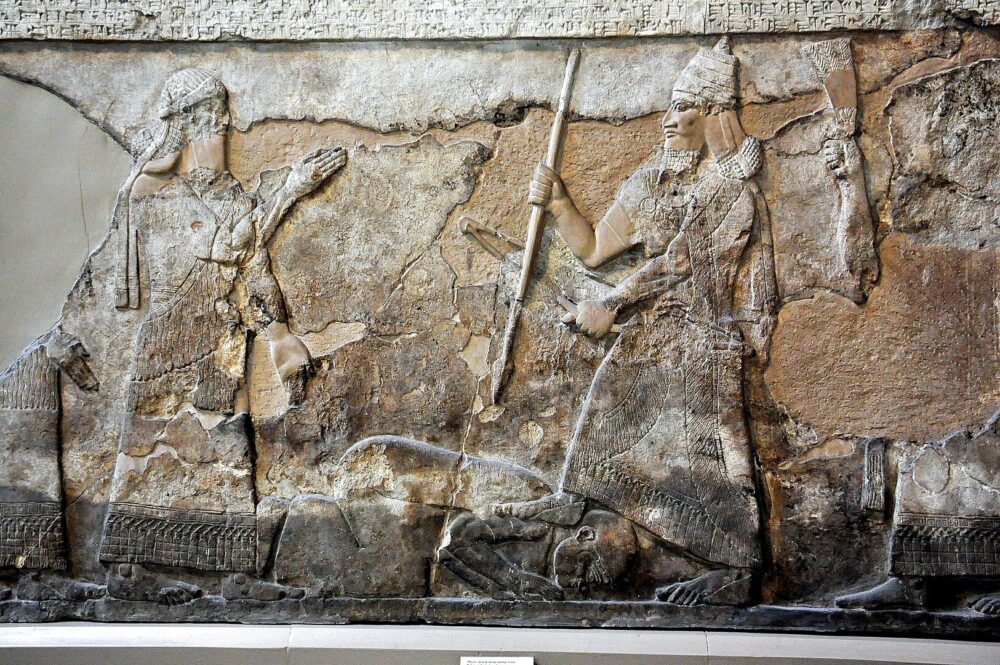
Records from the Assyrian king Tiglath-Pileser III mention Israelite rulers such as Menahem and Pekah, describing their tribute payments and political conflicts. These inscriptions align closely with biblical accounts from Kings and Chronicles.
The consistency across Assyrian and biblical records indicates the writers were documenting real regional leaders and events. These texts form a strong historical framework for the 8th-century BCE political landscape.
10. King Nebuchadnezzar II Thoroughly Documented in Archaeology
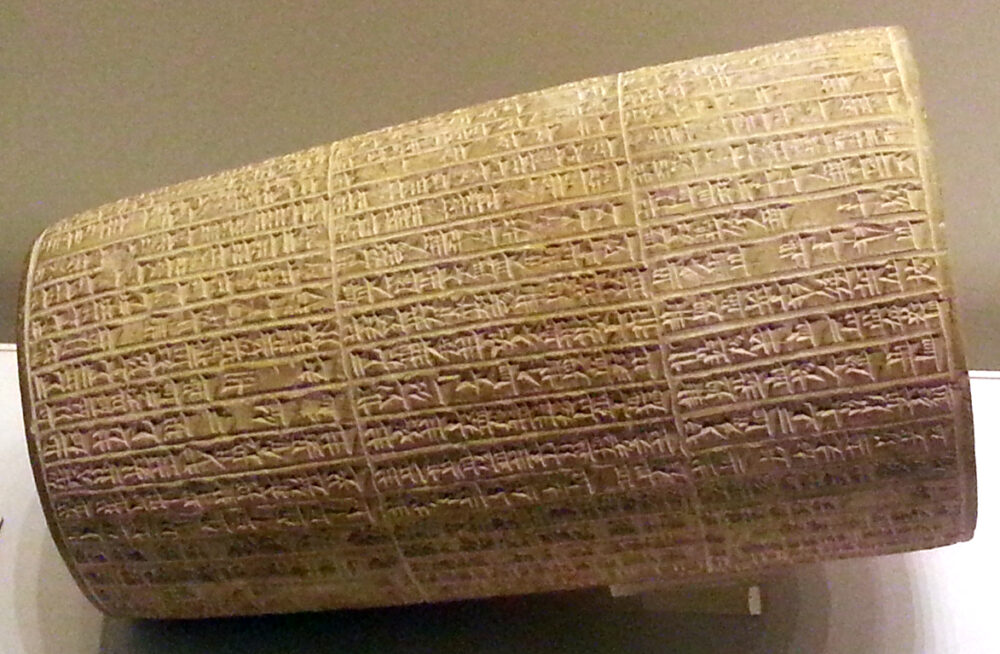
Nebuchadnezzar II, known for conquering Jerusalem and exiling its population, is one of the best-documented rulers in ancient history. Archaeologists have uncovered inscriptions, building projects, and administrative records across Iraq tied directly to him.
These sources confirm his military campaigns, building achievements, and dominance over Judah—aligning with biblical descriptions of the Babylonian exile in the early 6th century BCE.
11. The Siege of Lachish Matches Both Biblical and Assyrian Accounts
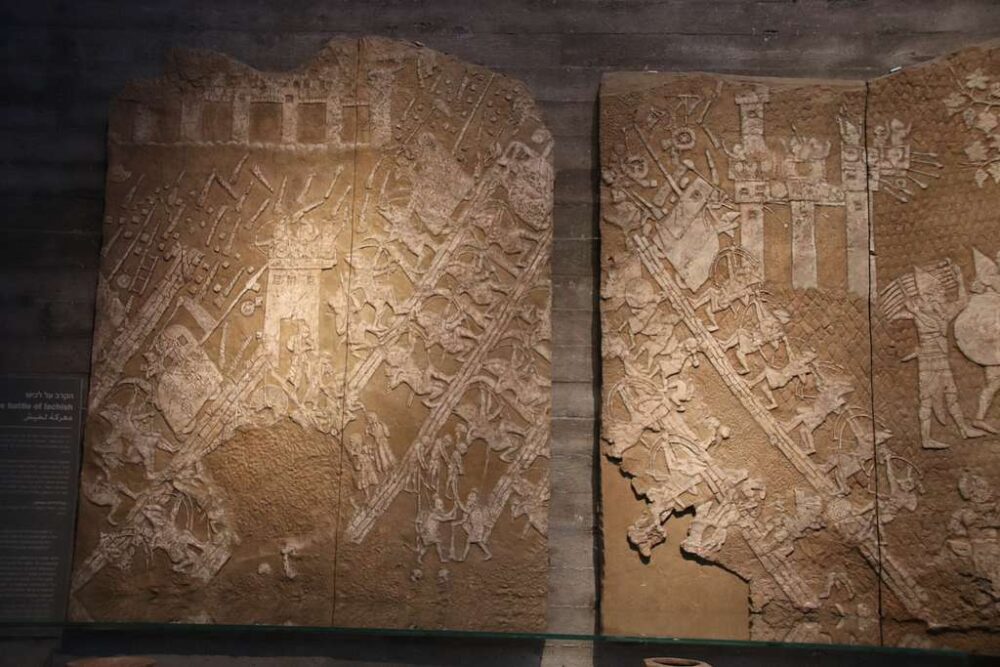
Excavations at Lachish revealed siege ramps, arrowheads, and destruction layers consistent with an Assyrian attack—matching the biblical account of Sennacherib’s campaign.
Assyrian palace reliefs from Nineveh depict the siege in vivid detail, showing soldiers, captives, and the fortified city. The alignment between archaeology and text provides one of the clearest examples of a biblical event corroborated by physical evidence.