
A remarkably preserved funerary scroll is shedding new light on how ancient Egyptians prepared for the afterlife.
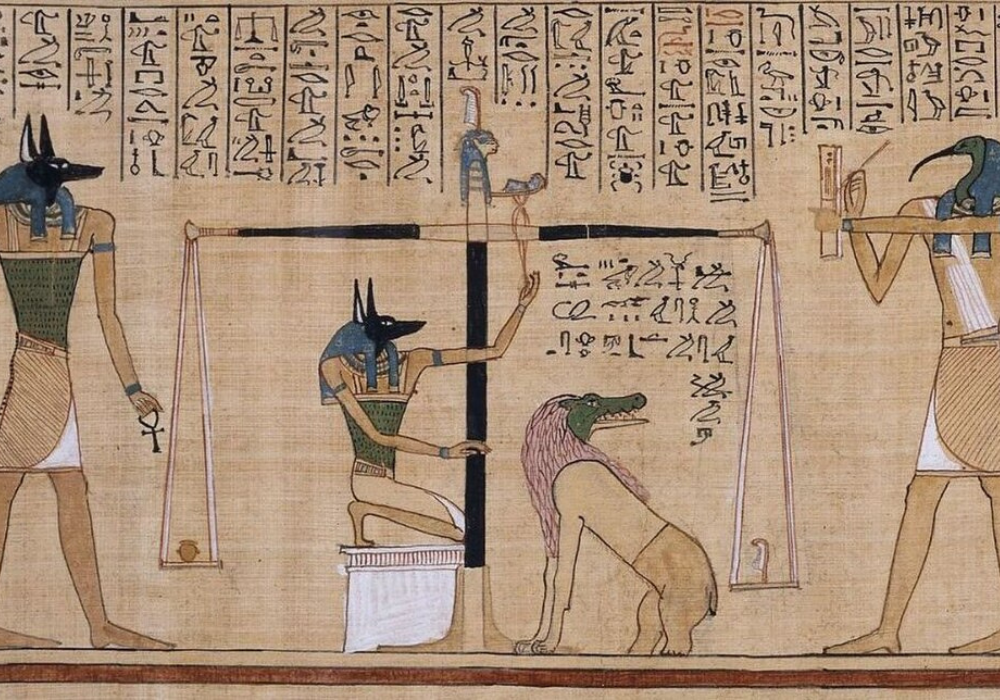
Archaeologists working in Egypt have uncovered a rare funerary scroll containing spells from the ancient Book of the Dead—one of the civilization’s most important religious texts. The manuscript, found in a burial shaft at Saqqara, had been sealed underground for thousands of years. Written for the deceased to navigate the afterlife, the scroll includes protective spells, ritual instructions, and passages meant to guide the soul safely to the next world. Discoveries like this are exceptionally rare, and researchers say it offers a deeper look at how ordinary Egyptians prepared for eternity.
1. The Scroll Was Found in a Deep Burial Shaft at Saqqara
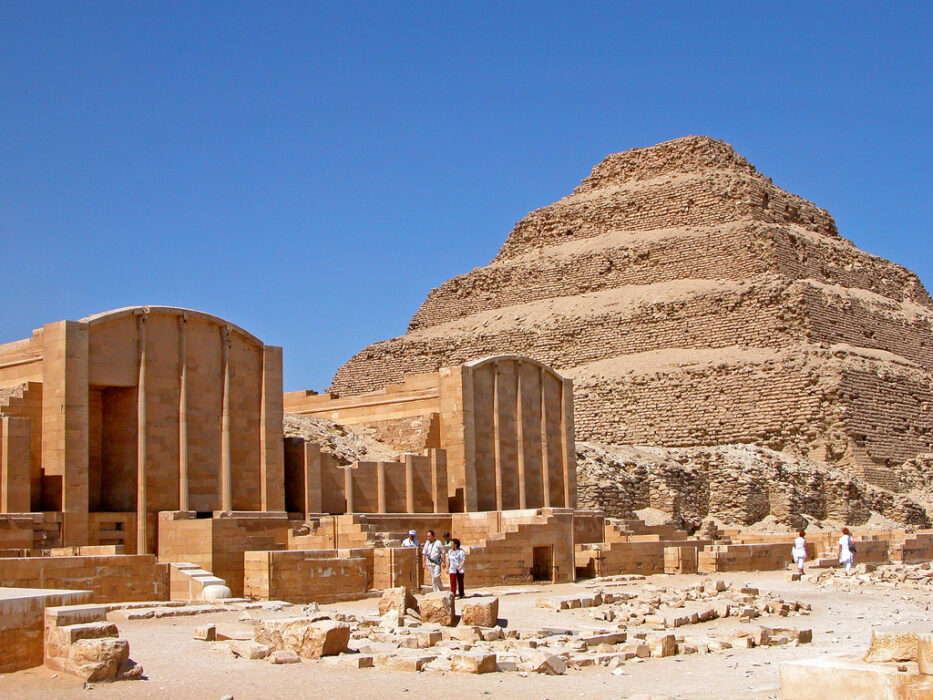
Archaeologists uncovered the manuscript inside a long, vertical shaft near the burial complexes of ancient officials. Saqqara has produced many major discoveries in recent years, but complete Book of the Dead texts remain extremely unusual.
The scroll was found close to wooden coffins and burial goods, indicating it belonged to someone of status. Because the shaft was sealed for millennia, the dry environment helped preserve the ink and linen, allowing researchers to read sections that would normally crumble on contact.
2. It Contains Spells Straight From the Ancient Book of the Dead

The manuscript includes passages recognizable from the wider Book of the Dead tradition, a collection of funerary spells used from around 1550 BCE onward. These spells were meant to protect the deceased from danger and guide them through the afterlife’s challenges.
Researchers identified lines referencing purification rituals, judgment scenes, and safe passage through the underworld. Each section reflects beliefs about the soul’s journey and the magical assistance needed to reach the Field of Reeds—the paradise of ancient Egyptian religion.
3. The Scroll Stretches More Than 16 Meters in Length

Measuring roughly 16 meters (around 52 feet), the scroll is comparable in size to some of the longest-known Book of the Dead manuscripts. Its impressive length suggests it was created with significant care and expense.
Long scrolls often contained more complex or personalized sets of spells, indicating the owner wanted extensive protection. The size also helps researchers reconstruct ancient scribal practices, including how papyrus sheets were joined, illustrated, and prepared for burial.
4. It Was Likely Written for a Man Named “Auch-Im-Hor”
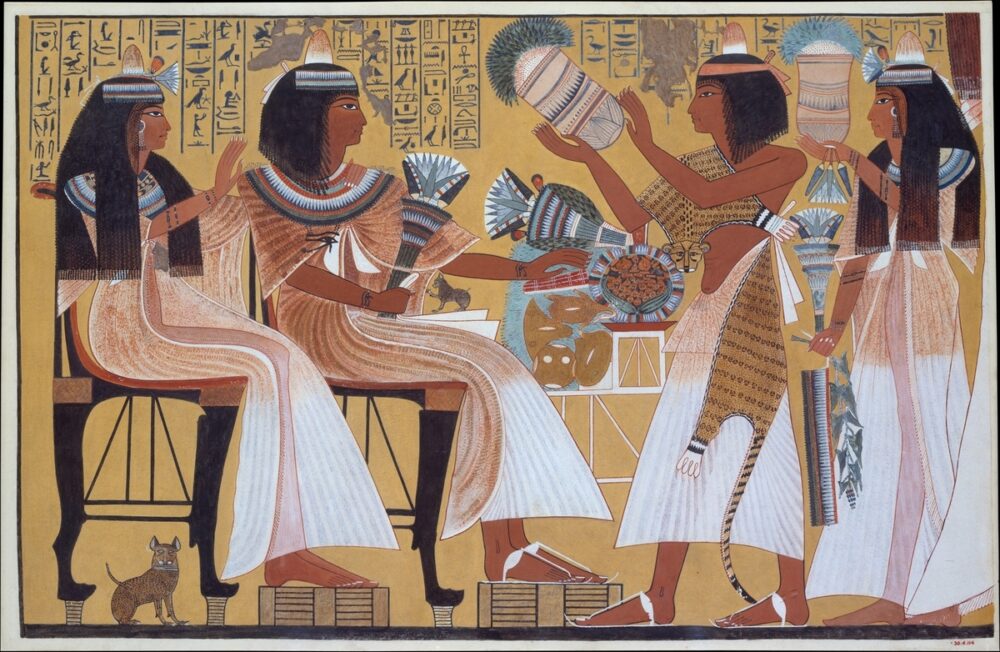
Hieroglyphic inscriptions link the scroll to a man whose name translates roughly to “Horus Protects Me.” Personal Book of the Dead manuscripts were customized, reflecting the individual’s spiritual needs, titles, or family connections.
Identifying the owner provides valuable clues about social status and religious beliefs. The name and associated titles suggest he belonged to a literate, well-connected community—possibly a priestly or administrative family serving the Saqqara necropolis.
5. The Manuscript Was Found Alongside Coffins and Ritual Objects
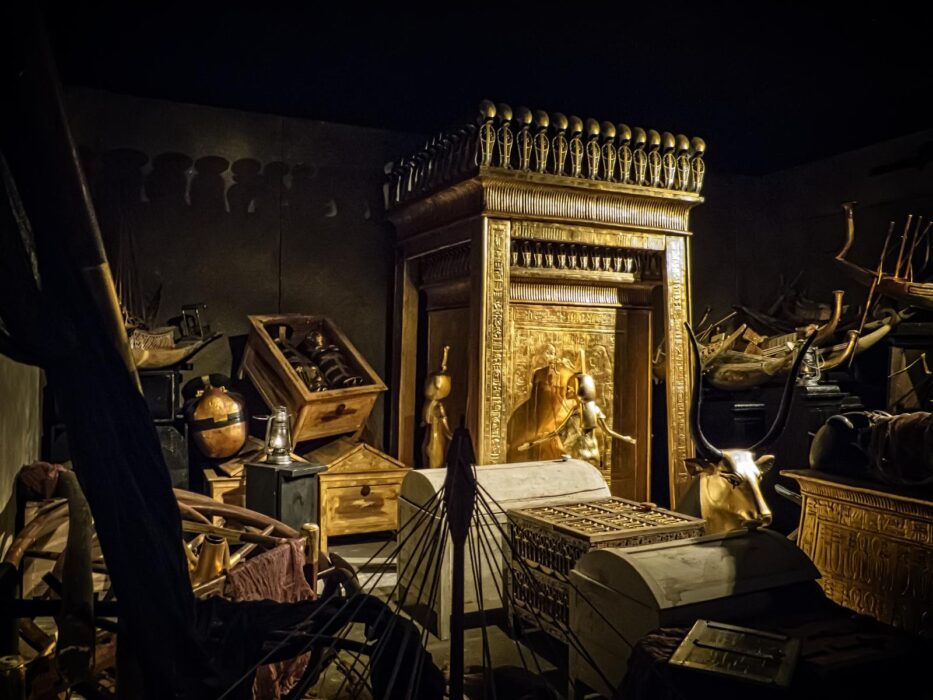
The scroll wasn’t buried alone. Archaeologists found painted wooden coffins, ushabti figurines, amulets, and pottery nearby. These objects formed a complete burial assemblage meant to support the deceased in the afterlife.
Funerary goods help researchers piece together burial customs of the period, revealing how much effort families invested in preparing loved ones for eternity. The objects also confirm the tomb dates to Egypt’s Late Period, when Book of the Dead manuscripts were still widely used.
6. Many of the Spells Focus on Safely Navigating the Afterlife
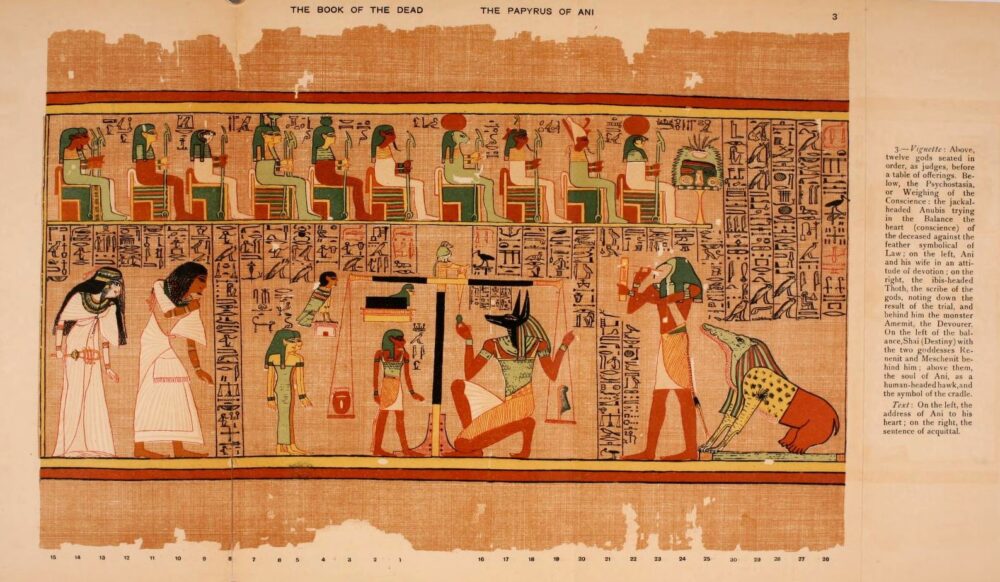
Sections of the scroll include spells for avoiding supernatural dangers, opening gates in the underworld, and presenting oneself favorably before the gods. These were among the most important functions of the Book of the Dead.
The presence of these passages suggests the owner believed strongly in the challenges awaiting the soul. Having a detailed set of instructions was seen as essential protection, especially in eras when spiritual beliefs emphasized judgment and cosmic balance.
7. The Text Helps Scholars Understand Scribal Traditions

The handwriting, ink composition, and layout give Egyptologists new material for studying ancient scribes. Subtle variations in character shapes and spacing reveal differences in training and regional writing styles.
Because this manuscript is unusually complete, it helps researchers compare it with other Book of the Dead scrolls to identify patterns—such as how scribes arranged chapters, corrected errors, or added decorative flourishes.
8. It Offers Rare Insight Into Everyday Religious Beliefs

Most complete scrolls come from elite tombs, but finds like this shed light on beliefs held by everyday Egyptians. Even non-royal families invested heavily in funerary rituals, reflecting the importance of the afterlife across all levels of society.
The combination of modest burial goods and an elaborate scroll suggests the deceased’s family prioritized spiritual protection over lavish burial architecture, giving researchers a clearer picture of middle-class religious life.
9. Saqqara Continues to Produce Major Discoveries
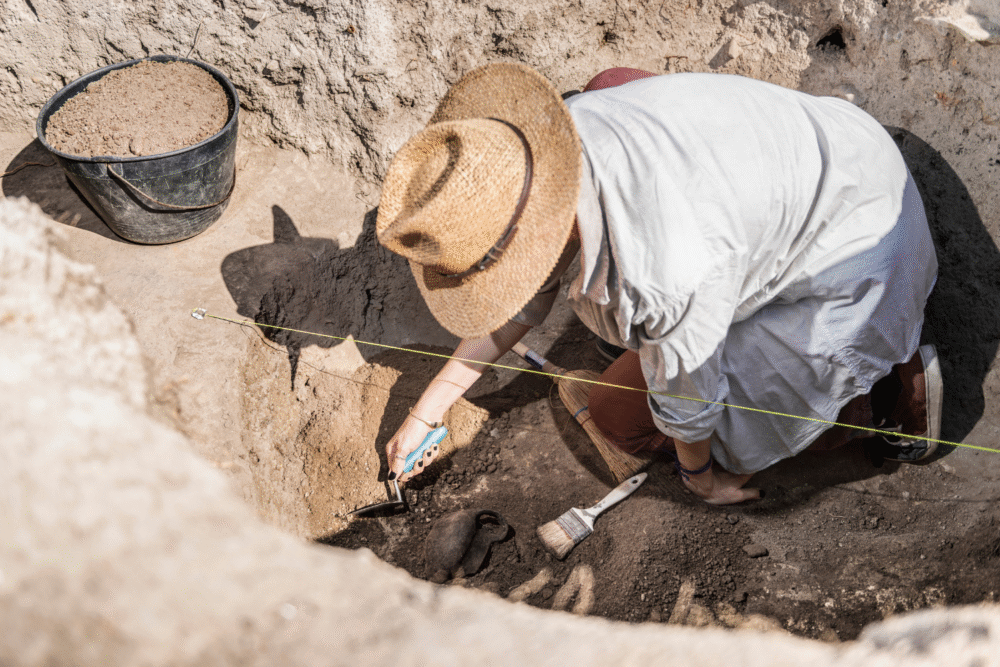
This scroll is part of a recent wave of discoveries at Saqqara, where archaeologists have unearthed new burial shafts, sealed coffins, embalmers’ workshops, and artifacts dating across thousands of years. The site served as a necropolis for ancient Memphis and remains one of Egypt’s richest archaeological landscapes.
Each new find helps fill gaps in the historical record. The discovery of a nearly complete Book of the Dead scroll confirms that Saqqara still has much to reveal about daily life, writing, and spirituality.
10. The Preservation Quality Is Exceptionally High
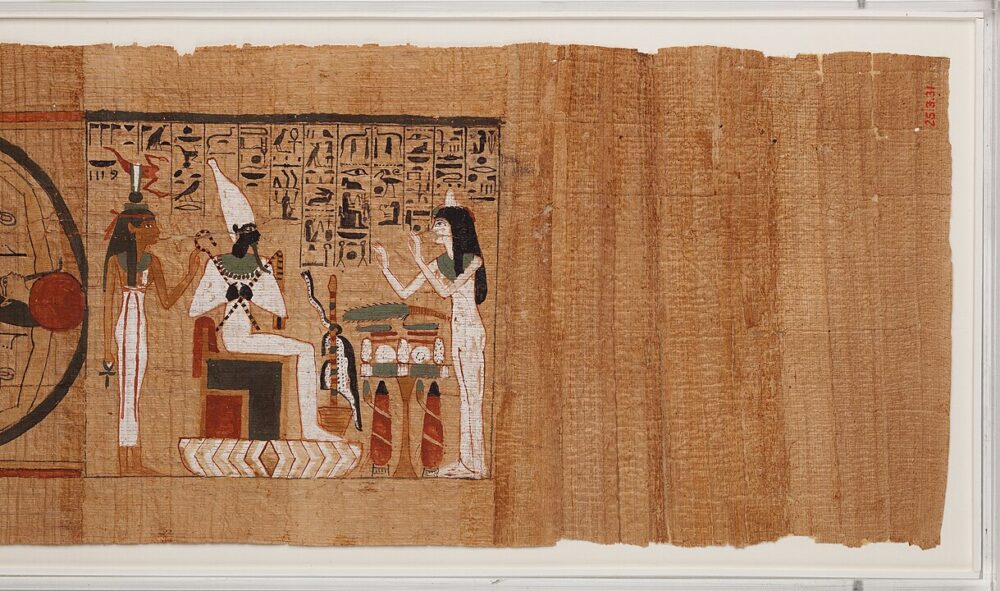
Many papyri discovered in Egypt survive only in fragments, but this scroll retained its structure, ink, and legible text thanks to stable burial conditions. Researchers could carefully unroll it without the document turning to dust—a rarity for papyrus over 2,000 years old.
The level of preservation makes the scroll invaluable for studying ancient language and iconography. Clear text means scholars can determine which chapters were chosen and how they were arranged—crucial for understanding the manuscript’s original purpose.
11. The Find Helps Reconstruct Ancient Afterlife Rituals
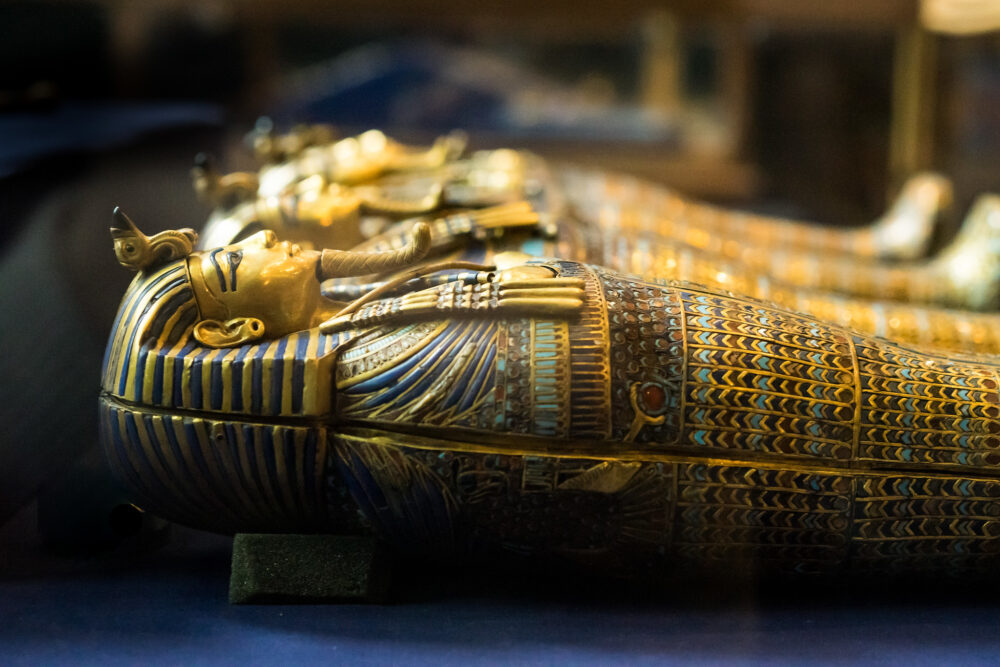
Book of the Dead scrolls were used during mummification rituals and then placed in the tomb so the deceased could “consult” the spells as needed. The presence of this manuscript alongside other burial artifacts helps archaeologists reconstruct these rituals step by step.
By analyzing the scroll’s chapters, researchers can see which rituals were emphasized and how religious practices evolved. This scroll’s contents align with known Late Period traditions, confirming continuity in funerary beliefs even during turbulent political eras.
12. It May Lead to Future Discoveries in the Same Cemetery

When archaeologists find a scroll of this scale, it often signals that a cemetery or burial shaft has more secrets waiting. Similar discoveries at Saqqara have led to clusters of tombs, workshops, and artifacts uncovered in the surrounding area.
Researchers expect ongoing excavations could reveal related burials, additional manuscripts, or tools used by scribes and embalmers. Each discovery helps deepen our understanding of Egypt’s spiritual world and the people who shaped it.