
New discoveries suggest early humans reached key regions thousands of years sooner than once believed.
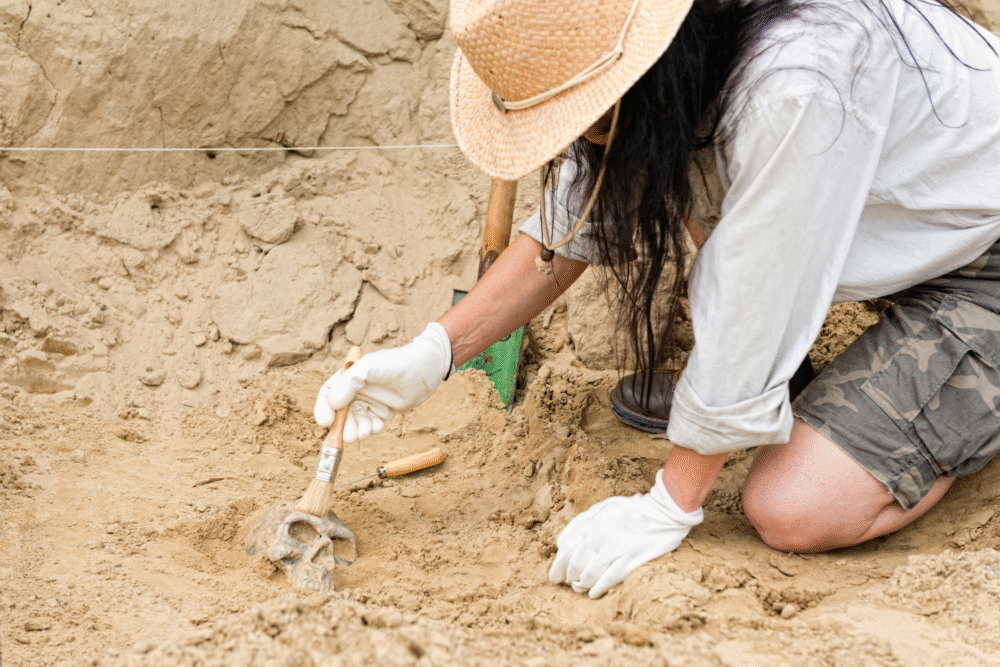
For decades, history books taught fairly clear timelines for when humans spread across the globe. The story felt settled, with neat dates marking when people first arrived in different regions. Those timelines shaped how we understood survival, migration, and early innovation.
But archaeologists keep finding evidence that doesn’t fit the old schedule. New tools, footprints, and campsites are being dated far earlier than expected, forcing researchers to revisit long-held assumptions.
Together, these discoveries suggest humans were more adaptable, mobile, and resilient than we once thought—and that our shared story started earlier than we were taught.
1. For years, archaeologists agreed on a narrow migration window
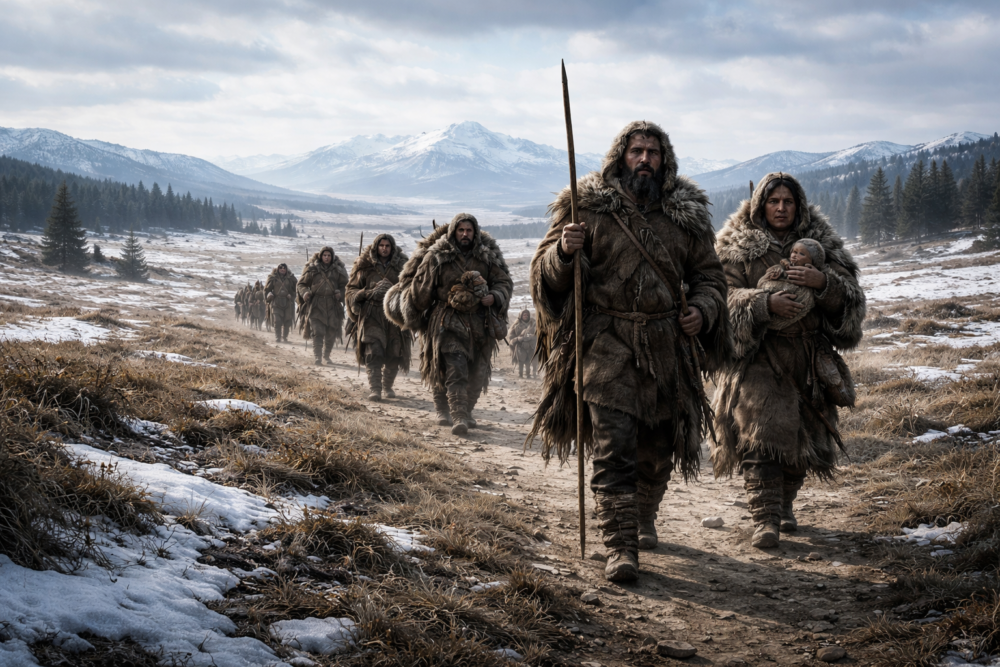
Early timelines were built around the oldest known sites and limited dating methods. Based on that evidence, researchers believed humans arrived in many regions during a short, well-defined period.
That consensus shaped textbooks and museum displays. Once a timeline is widely accepted, new ideas face high scrutiny, especially when they challenge decades of research and established theory.
2. New discoveries began appearing in unexpected places
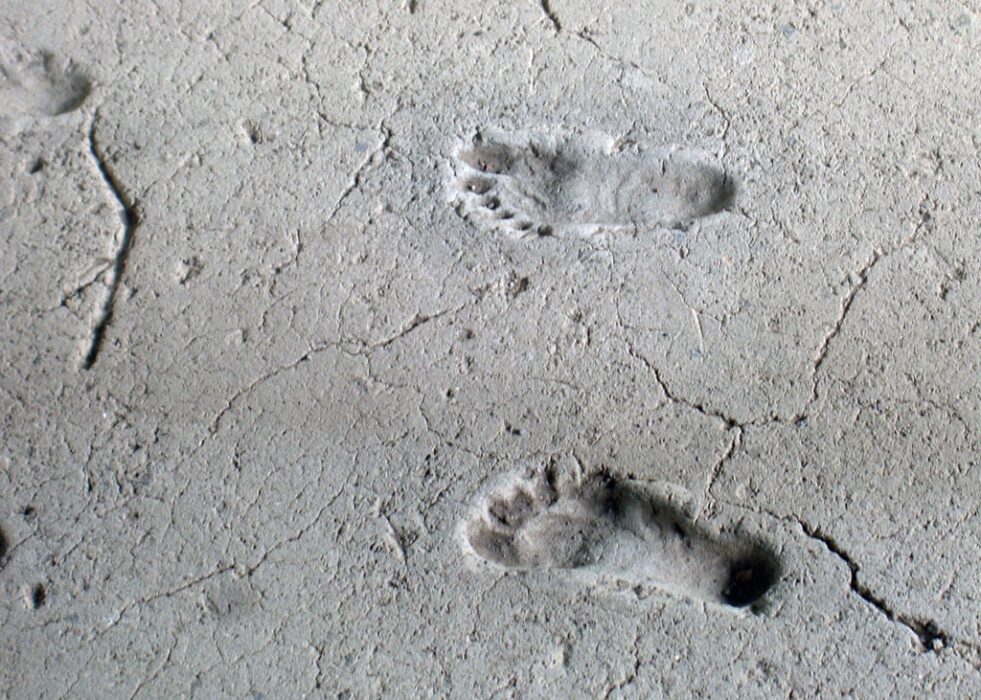
Archaeologists started uncovering stone tools, hearths, and footprints far from known settlements. Even more surprising, some of these sites were located in harsh environments thought uninhabitable at the time.
At first, many researchers assumed errors or contamination. But as more sites appeared across different regions, the pattern became harder to dismiss.
3. Improved dating methods changed the conversation
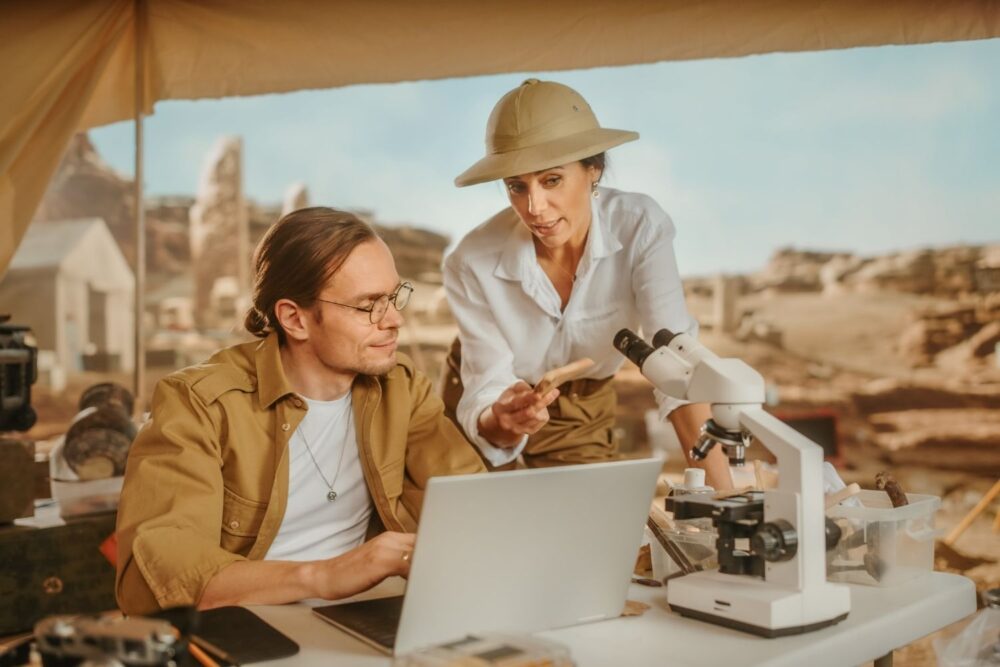
Advances in radiocarbon dating, sediment analysis, and luminescence techniques allowed scientists to date materials more precisely. These tools revealed ages that conflicted with accepted timelines.
What once looked impossible now appeared plausible. Older dates weren’t anomalies—they were consistent results backed by multiple methods and independent teams.
4. Evidence suggests humans adapted earlier than expected
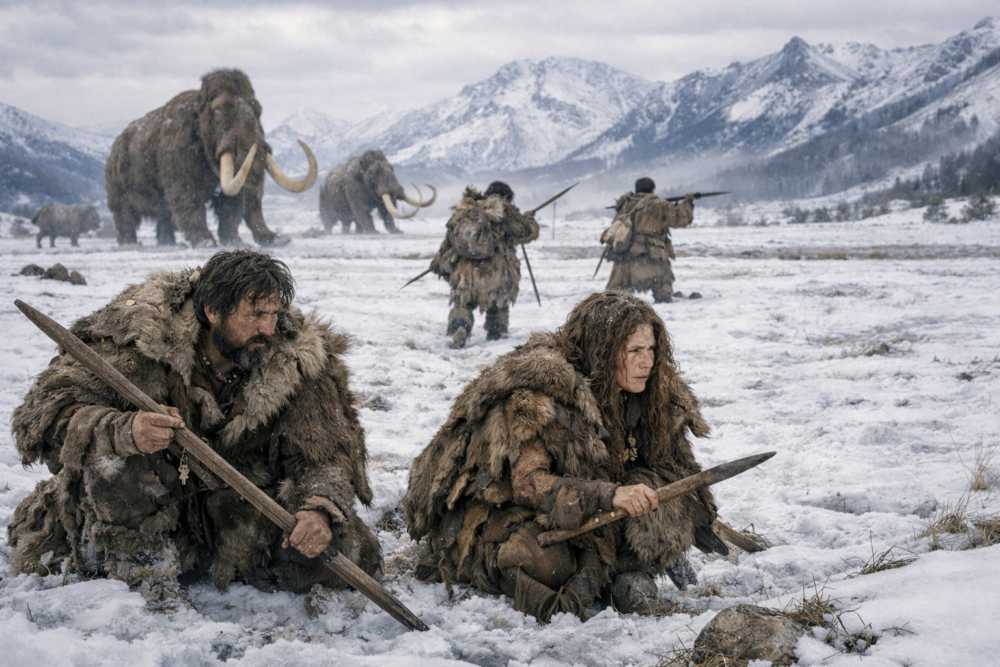
Surviving in new regions required planning, cooperation, and knowledge of local resources. Early arrival dates imply humans developed these skills much sooner.
This challenges the idea that early humans were slow to adapt. Instead, they may have been highly flexible, capable of thriving in diverse and difficult conditions.
5. Migration may have happened in waves, not one event
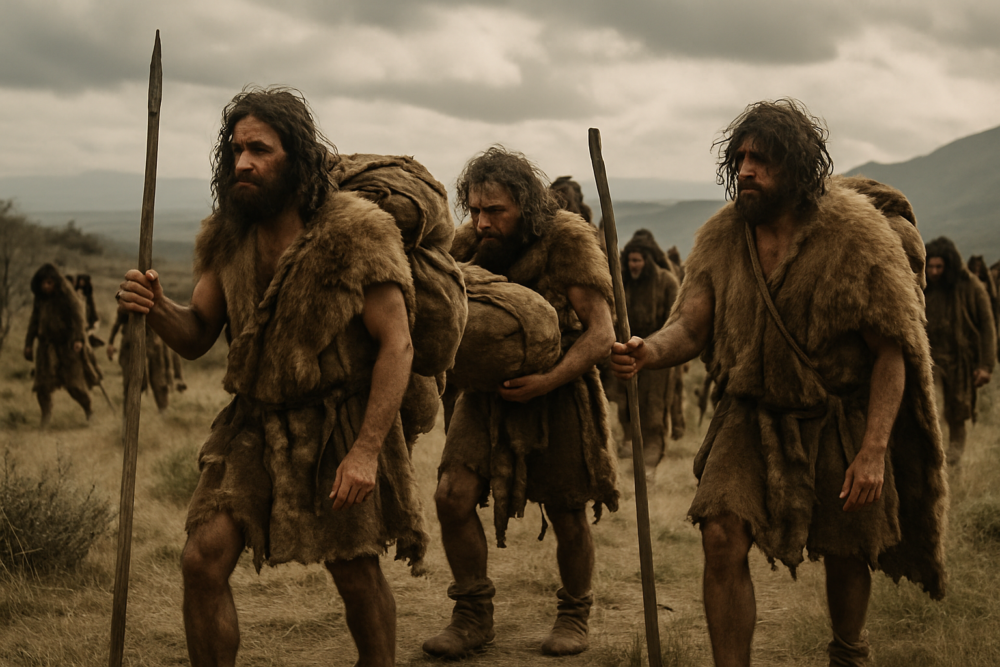
Rather than a single, orderly migration, evidence points to multiple movements over long periods. Some groups may have arrived, disappeared, and returned later.
This layered history explains why timelines are messy. Human movement was likely shaped by climate shifts, food availability, and changing landscapes.
6. Climate conditions may have opened temporary pathways

Periods of warming or cooling could have created short-lived routes across land bridges, coastlines, or ice-free corridors. These windows may not have lasted long.
If humans moved during these brief opportunities, their presence would be easy to miss without precise dating. That helps explain why evidence went unnoticed for so long.
7. Coastal evidence may have been lost to rising seas
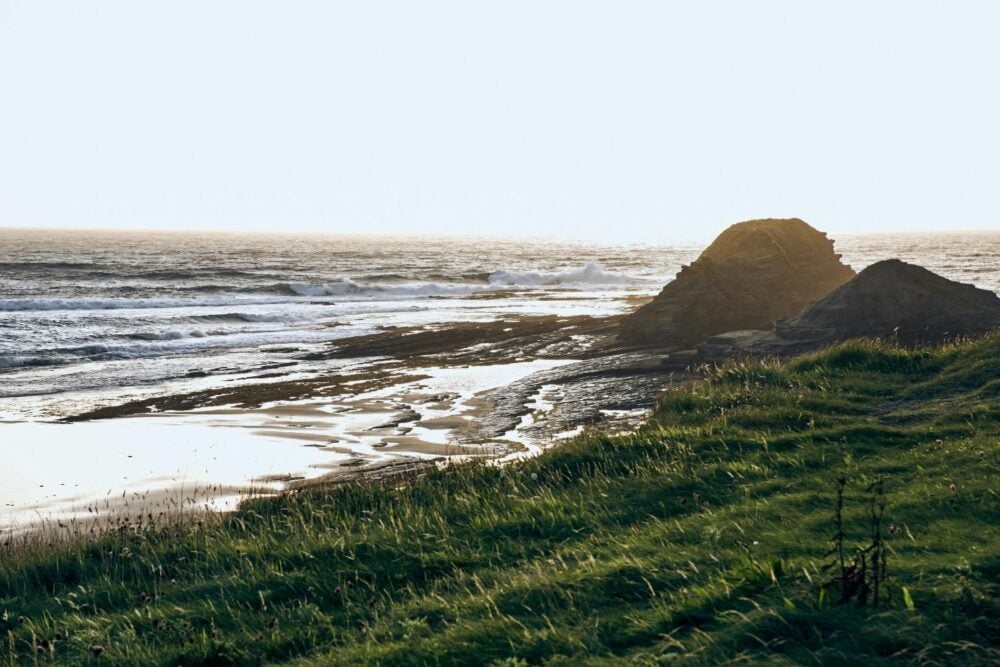
Many early settlements were likely near coastlines, where food was abundant. Since sea levels rose after the last ice age, those sites may now be underwater.
This means the archaeological record is incomplete. What remains on land may only tell part of the story of early human arrival.
8. Skepticism remains within the scientific community
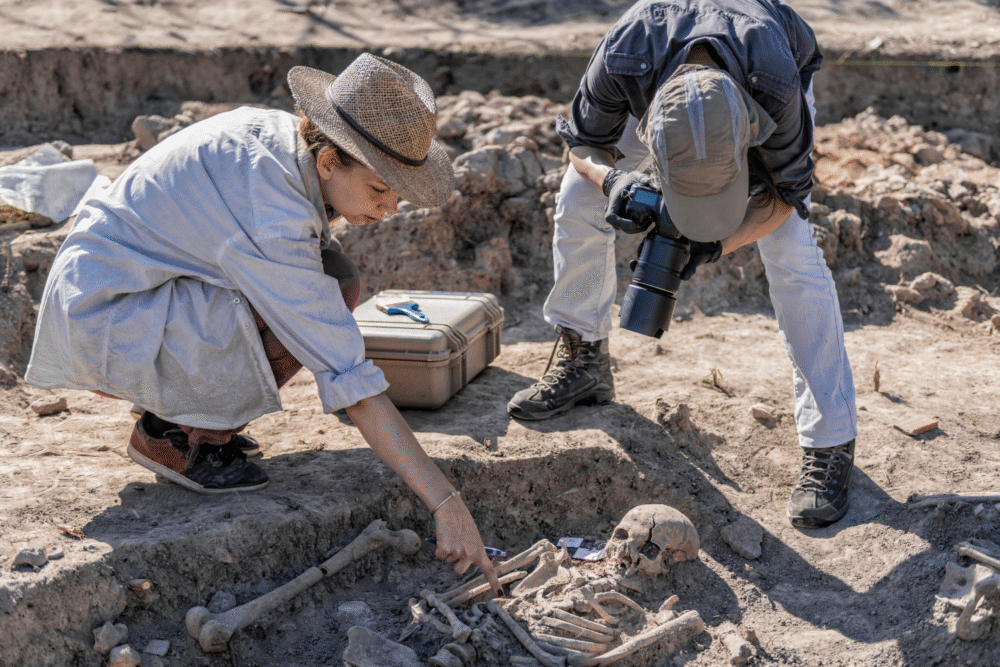
Extraordinary claims require strong evidence. Some archaeologists remain cautious, questioning site integrity or dating accuracy.
Healthy debate is part of the process. As more sites are studied and methods refined, confidence grows in findings that once seemed unlikely.
9. Earlier arrival changes how history is interpreted

If humans arrived earlier, they had more time to influence ecosystems, interact with other species, and develop regional cultures.
This reframes questions about extinction, environmental impact, and technological progress. Timelines affect how cause and effect are understood in deep history.
10. Textbooks may need to be rewritten

As evidence accumulates, old timelines become harder to defend. Educational materials often lag behind research, but change becomes inevitable.
What students learn today may soon look outdated. Science advances by correcting itself, even when revisions challenge familiar narratives.
11. Human history is proving more complex than once believed
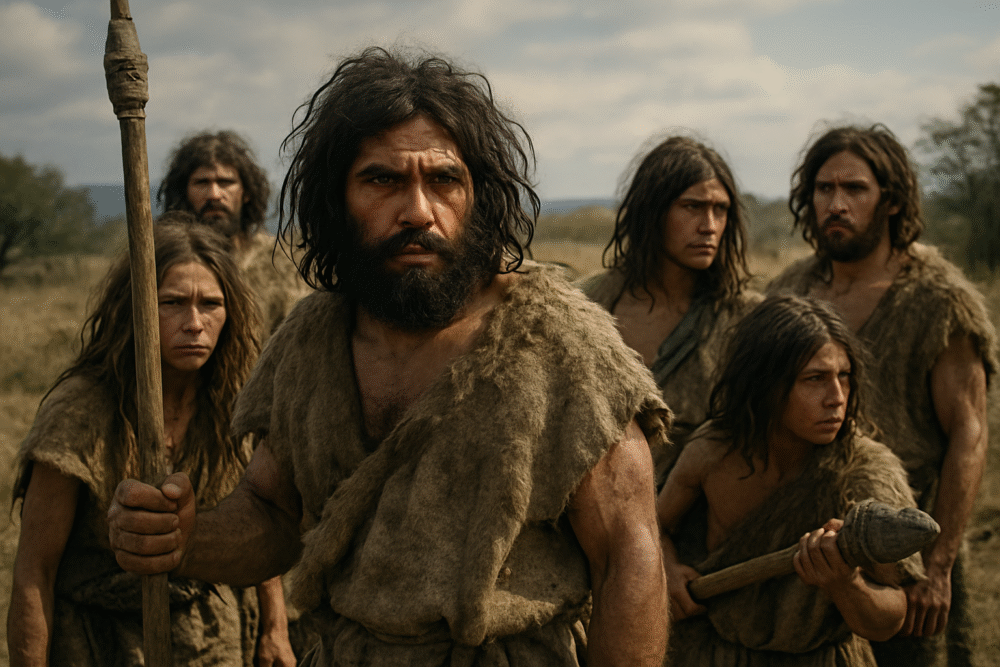
The growing body of evidence paints a picture of early humans as explorers, not late arrivals. They moved earlier, adapted faster, and spread wider than expected.
Rather than a simple timeline, human history looks more like a web of journeys. Each new discovery adds depth to a story still being uncovered.