
A faint handprint on the bottom of a 4,000-year-old soul house is offering a rare glimpse of its ancient maker.

Scientists are revisiting a remarkable artifact after spotting something no one had noticed before: a 4,000-year-old handprint pressed into the underside of an ancient Egyptian “soul house.” These clay models were placed in tombs as symbolic homes for the dead, and the handprint—never meant to be seen—was left by the potter who crafted it. Researchers say the accidental mark offers an unexpectedly intimate glimpse into the life of an anonymous worker whose touch survived across four millennia, revealing humanity in a place no one thought to look.
1. An Accidental Mark Hidden for 4,000 Years
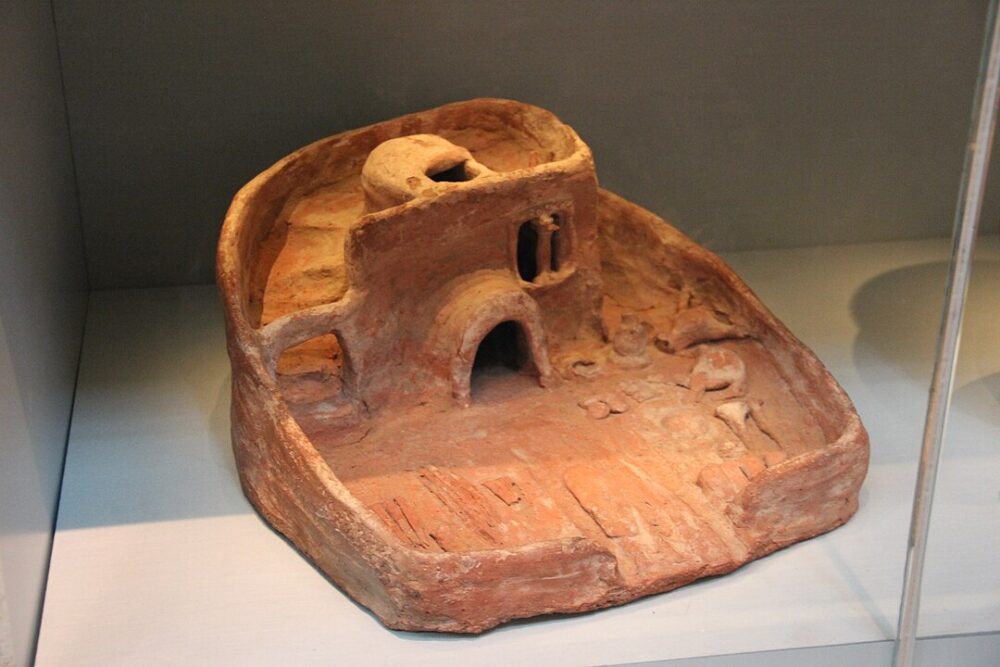
When curators re-examined the clay soul house, they noticed a complete handprint pressed into its underside. The location made it clear the print was never intended for viewing. It had remained hidden since the moment the potter lifted the damp clay thousands of years ago.
The discovery instantly stood out because it preserved a literal touch from an ancient artisan. Unlike planned artwork or carvings, this was an unintentional moment—an everyday gesture frozen in time. For researchers, it provided a rare, deeply personal connection to an individual who lived four millennia in the past.
2. The Handprint Belongs to the Potter Who Made the Model
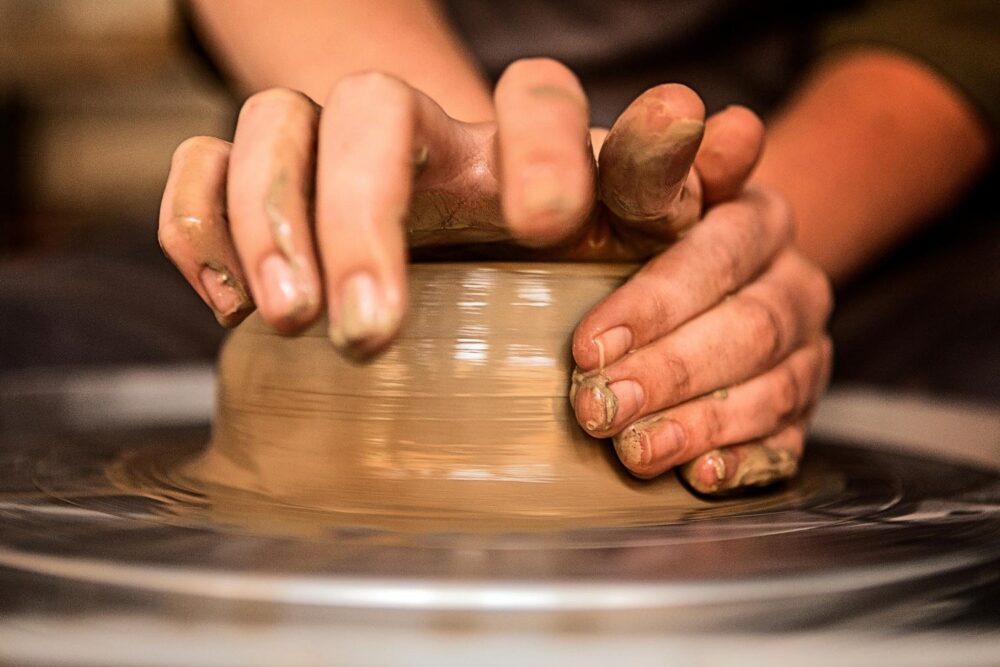
Experts determined the mark came from the maker of the soul house, likely left while shaping or moving the wet clay. There was no reason for the artisan to smooth the underside, so the print remained untouched. That oversight created a powerful link to the person who crafted the object.
Because ancient Egyptian potters rarely left signatures, this imprint acts as an unintended identifier. It’s not a name or inscription but something more intimate: the potter’s touch preserved in clay. For archaeologists, that tiny detail makes the artifact feel vividly human.
3. Soul Houses Served the Dead in the Afterlife
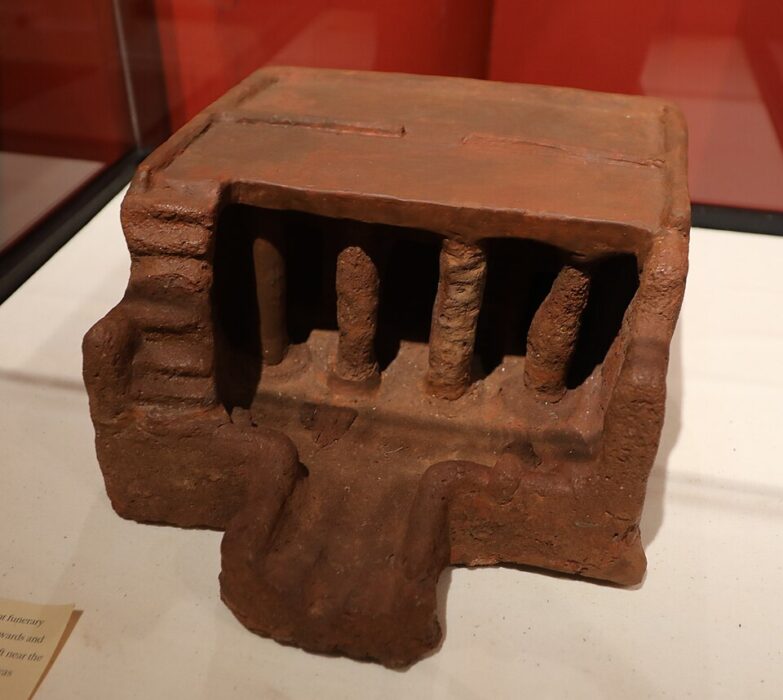
Soul houses were clay models placed in tombs to provide symbolic food, shelter, and offerings for the deceased. They often included courtyards, doorways, storage areas, and miniature basins where water or food could be left. These objects were never meant to be handled once sealed inside a burial.
The hidden handprint, therefore, wasn’t part of the design. It came from the moment of making—not the object’s intended function. Because tomb goods were treated with reverence, no ancient Egyptian would have turned the piece over, leaving the imprint unnoticed until modern researchers examined it closely.
4. The Artifact Reveals a Glimpse of an Ordinary Worker
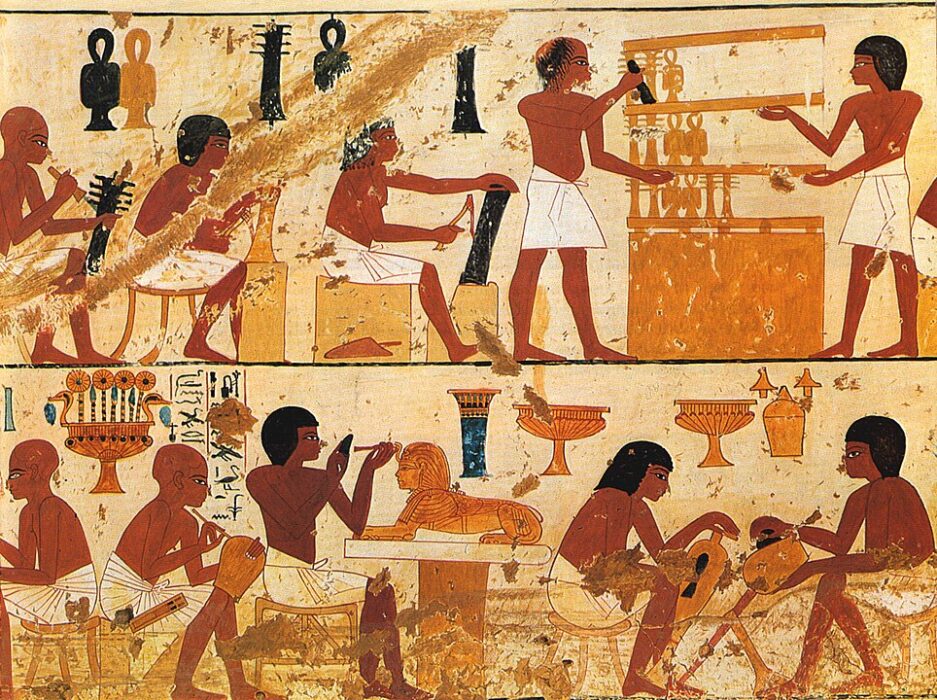
Most ancient Egyptian artifacts celebrate elites—kings, priests, or wealthy families. This discovery points instead to an unnamed craftworker whose labor supported burial traditions. The handprint is a reminder that everyday people played essential roles in shaping funerary customs.
Little is known about the potters who created soul houses, but their work was vital. This imprint personalizes their contribution, allowing modern viewers to connect with someone who lived thousands of years ago but left behind evidence of a single, unguarded moment.
5. The Discovery Was Made During Museum Re-Examination

The handprint came to light when curators at the Fitzwilliam Museum in Cambridge re-evaluated several artifacts for display. While preparing the soul house for exhibition, they turned it over—something its ancient users would never have done—and spotted the imprint.
The find highlights how even well-studied artifacts can still hold surprises. As museums continue examining older collections with fresh eyes, previously overlooked details often emerge, adding new layers of understanding to familiar pieces.
6. It Highlights How Ancient Objects Were Handcrafted
The deeply pressed imprint shows the potter handled the clay with significant pressure, likely while supporting the structure during shaping. This aligns with traditional techniques in ancient Egypt, where artisans molded clay buildings by hand before firing them.
Examining the imprint helps researchers understand how the object was made. Every curve, pressure mark, and texture offers clues about the potter’s workspace, tools, and methods. The handprint becomes more than a curiosity—it becomes evidence of ancient craftsmanship.
7. The Handprint Adds Humanity to Funerary Art

Funerary models can feel distant or symbolic, but the discovery of a human handprint adds warmth and immediacy. It transforms the soul house from a ritual object into something created by real people with real hands, working in real workshops.
This unexpected human connection resonates deeply with museum visitors. Instead of seeing the artifact solely as a tomb object, they now see it as the result of one person’s effort, concentration, and physical touch.
8. The Imprint Was Preserved Because It Was Never Handled

Soul houses were placed in tombs and left undisturbed, which explains why such a delicate impression survived for 4,000 years. The object didn’t experience daily wear or exposure, allowing the potter’s handprint to remain intact.
Its burial environment protected it from erosion and breakage. That preservation gives modern researchers a rare opportunity to study subtle details that wouldn’t have survived if the artifact had been used in everyday life.
9. Soul Houses Offer Clues About Ancient Daily Life

These models reflect architectural styles and household layouts from the Middle Kingdom. They help researchers understand how dwellings looked, how spaces were organized, and what kinds of features were important in both life and ritual.
The handprint adds another layer: evidence of the labor behind the artifact. It reminds us that these objects were produced by skilled artisans who translated real-life architecture into miniature form. The imprint deepens the story by showing the human role behind the craftsmanship.
10. The Discovery Sparks Interest in Re-Examining Other Artifacts
After identifying the hidden handprint, curators suggested that other soul houses and clay models may also hold unnoticed marks. Many artifacts were cataloged long before modern imaging and detailed re-inspection practices became standard.
Future examinations may reveal more accidental fingerprints, tool impressions, or manufacturing traces. These overlooked details can help reconstruct the lives and techniques of ancient craftworkers, offering rare glimpses into the people behind the objects.
11. A Small Mark Creates a Powerful Connection Across Time

Ultimately, the discovery resonates not because of its size but because of its humanity. A single touch—pressed unintentionally into clay—survived thousands of years to be seen by modern eyes. It bridges an enormous span of time and reminds us that even anonymous artisans leave traces of their lives.
This tiny imprint transforms a funerary object into a moment of shared humanity. It invites modern viewers to think about the maker as a person rather than a distant figure, creating one of the most meaningful connections archaeology can offer.