
A submerged circle of stones could date back thousands of years, raising questions about ancient North American history.

Beneath the waters of Lake Michigan, researchers have discovered something astonishing: a carefully arranged circle of massive stones that may be older than Stonehenge. Found by divers surveying the lake floor, the submerged formation includes carvings and alignments that suggest it once held deep cultural or ceremonial significance. Scientists say the structure could date back thousands of years, offering a rare glimpse into ancient human history in North America and sparking fresh debate about its origins.
1. A Monument Hidden Beneath the Waves
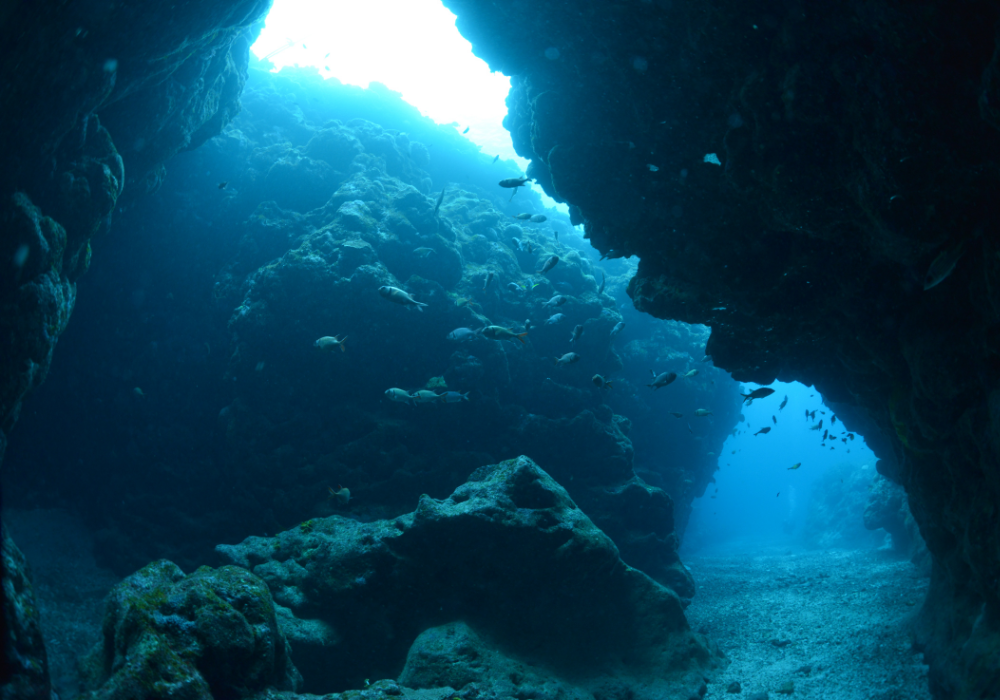
In the depths of Lake Michigan, researchers discovered a series of massive stones arranged in a deliberate circle. The formation was first detected during a sonar survey of the lake floor, and subsequent dives confirmed its unusual layout.
What makes the find so extraordinary is its age. Archaeologists believe the monument could predate Stonehenge by centuries, raising new questions about the people who once lived in the Great Lakes region. This discovery suggests ancient cultures were far more sophisticated than previously thought.
2. How the Discovery Was Made

The site came to light during a survey led by scientists searching for shipwrecks. Instead, sonar images revealed unusual shapes resting beneath the surface. Curious about what they had found, divers went down and confirmed the presence of carefully arranged stones.
This accidental discovery underscores how much remains hidden below the Great Lakes. With modern technology like sonar and underwater drones, archaeologists are only beginning to uncover what ancient human activity might still lie beneath the waters.
3. The Stones Form a Circle

At the heart of the discovery is a striking stone circle. The arrangement is too precise to be random, with large rocks positioned in a deliberate pattern. Archaeologists believe such circles often served ceremonial or cultural purposes for early societies.
Stone circles are significant because they reflect intentional human design. Similar structures around the world are often linked to rituals, seasonal tracking, or community gatherings. The Lake Michigan circle suggests that early North American cultures shared in this tradition of monumental construction.
4. Carvings Found on the Rocks

One of the most intriguing aspects of the site is that at least one stone appears to bear markings resembling carvings. Some researchers suggest the patterns could depict ancient animals, possibly including a mastodon, which roamed North America thousands of years ago.
If confirmed, these carvings would dramatically increase the site’s significance. They would show not only that the stones were arranged intentionally, but also that they carried symbolic or artistic meaning for the people who created them. This could make the monument a unique cultural treasure.
5. Older Than Stonehenge?

Dating underwater structures is notoriously difficult, but archaeologists estimate the Lake Michigan monument could be at least 9,000 years old. That would make it older than Stonehenge, which was built roughly 5,000 years ago in England.
The key clue lies in when the Great Lakes’ water levels rose, submerging ancient landscapes. If the stones were placed before the flooding, it means this site may have been built by some of the earliest known inhabitants of the region.
6. What It Reveals About Early Cultures

The monument challenges long-held assumptions about the capabilities of ancient North American societies. For years, archaeologists believed these early groups were primarily nomadic hunters, lacking the resources or organization to build large monuments.
This find suggests otherwise. The careful arrangement of stones points to cooperation, planning, and cultural meaning. It adds to growing evidence that early communities in North America created lasting landmarks, much like their counterparts in Europe and the Middle East.
7. The Great Lakes Were Once Dry Land

Thousands of years ago, parts of the Great Lakes region looked very different. Glaciers were retreating, and water levels were much lower than they are today. Areas now underwater would have been open land used by ancient people.
That means the monument likely sat on dry ground before Lake Michigan eventually rose and covered it. Understanding this environmental shift helps archaeologists estimate when the site was constructed and who may have built it. It also highlights how natural changes shape human history.
8. A Mystery That Sparks Debate

Not all experts agree on how to interpret the Lake Michigan monument. Some believe it may simply be a natural rock formation that happens to look man-made. Others argue the arrangement is too deliberate to dismiss.
This debate is part of what makes the discovery so fascinating. If the site is confirmed as a true monument, it will reshape our understanding of prehistoric cultures in North America. Until further studies are done, the stones remain a tantalizing mystery at the bottom of the lake.
9. Comparisons to Other Ancient Sites

The Lake Michigan monument invites comparisons to Stonehenge, as well as other stone circles found in places like Scotland and Ireland. While the functions of these sites are still debated, they are often seen as ceremonial centers or astronomical markers.
Finding a similar structure in North America suggests that early human societies across the globe may have independently developed similar traditions. It highlights how universal the human drive was to build monuments, mark the seasons, and connect with the spiritual world.
10. Preserving the Underwater Site
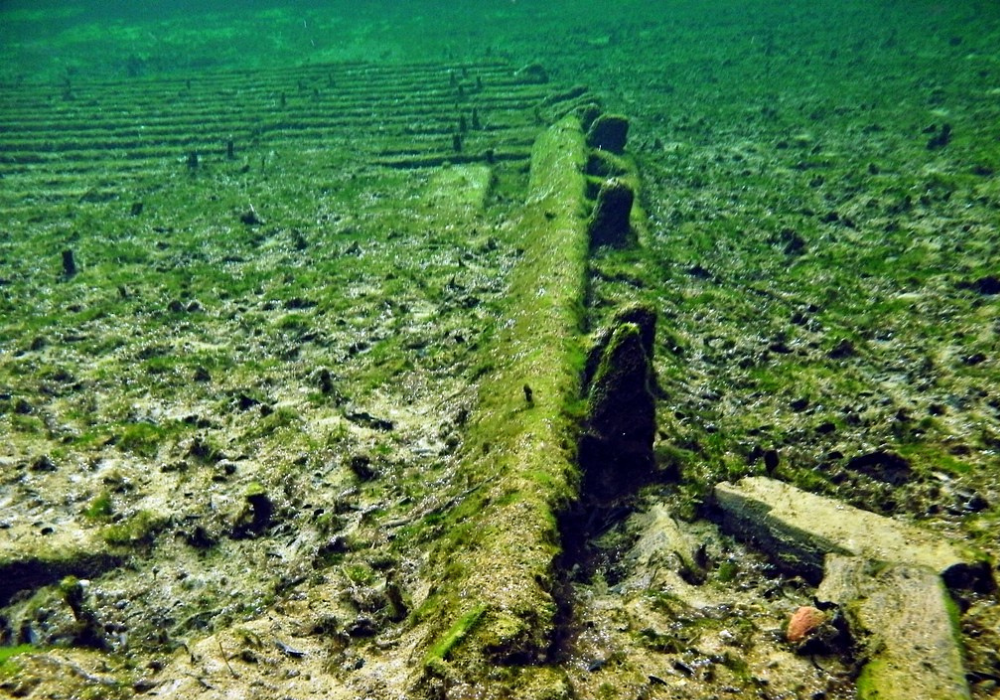
Because the site is submerged, it has been somewhat protected from looting and damage. Still, underwater currents and natural erosion pose risks. Archaeologists are calling for careful preservation efforts to ensure the monument can be studied for years to come.
Preservation is also important because of the cultural significance the site may hold for Indigenous communities in the region. Many tribal groups have long histories tied to the Great Lakes, and this discovery may provide a direct link to their distant ancestors.
11. What Comes Next for Research

Scientists plan to continue surveying the site with more advanced technology, including 3D sonar mapping and underwater excavation tools. The goal is to confirm the age of the stones, identify carvings more clearly, and determine whether artifacts may be buried nearby.
Each new piece of evidence could bring archaeologists closer to solving the mystery of who built the monument and why. For now, the discovery stands as one of the most intriguing finds in North American archaeology, fueling both excitement and debate.