
Scientists uncover the oldest ice ever found in Antarctica, preserving air from millions of years ago.
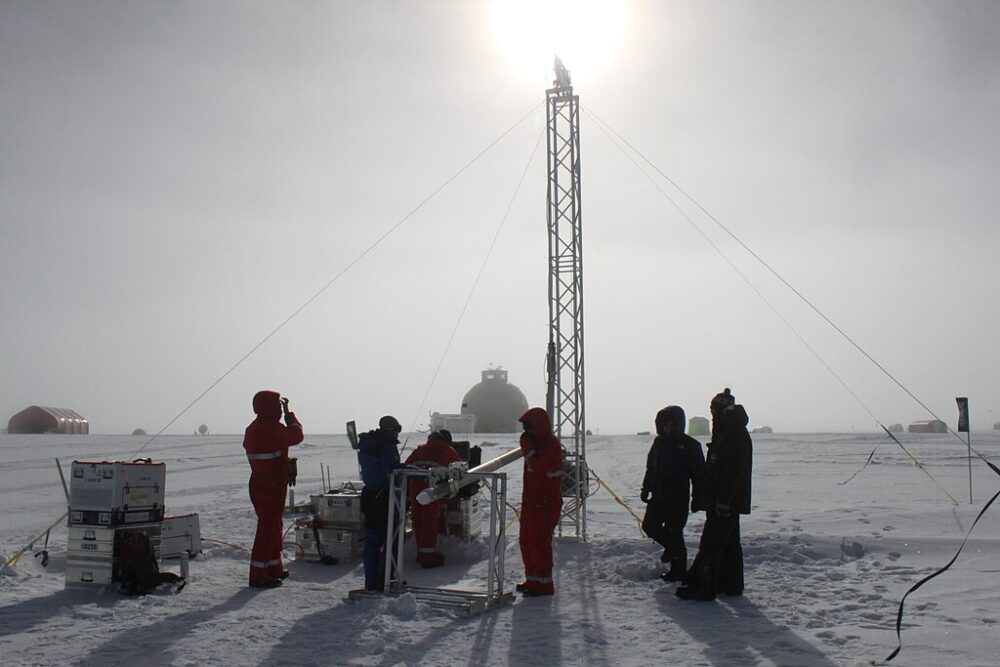
Researchers working in Antarctica have discovered ice that formed roughly 6 million years ago, making it the oldest known ice ever recovered. The groundbreaking find contains tiny bubbles of ancient air, offering a rare glimpse into Earth’s atmosphere during a dramatically warmer period in the planet’s history. By studying the chemical makeup of these trapped gases, scientists hope to reconstruct past climate conditions with unprecedented detail. The discovery could transform understanding of how climate systems responded to warm phases long before humans existed.
1. This Ice Is Far Older Than Anything Previously Recovered
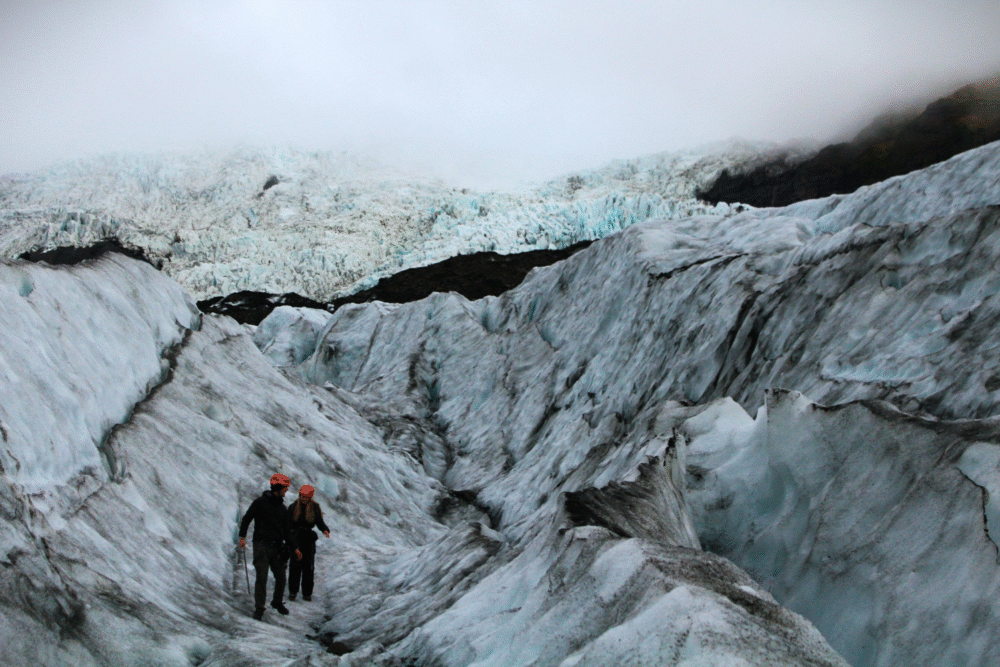
Until now, the oldest ice ever sampled dated back about 2.7 million years. The new discovery more than doubles that record, pushing deep into the ancient past. Scientists drilling in Antarctica collected sections of ice that formed around 6 million years ago, when the continent was warmer and glaciers behaved very differently than they do today.
This breakthrough opens an extraordinary window into Earth’s climate long before the ice ages began, giving researchers access to information that was once thought permanently lost.
2. Ancient Air Bubbles Preserve a Snapshot of Earth’s Past Atmosphere
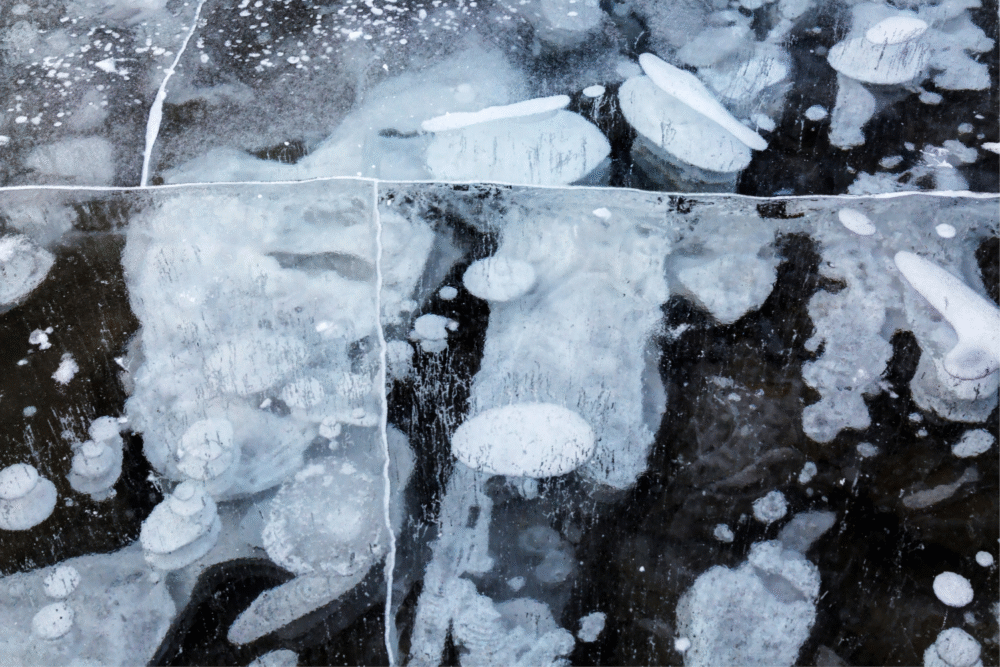
Inside the newly recovered ice are microscopic bubbles of air trapped when the snow originally fell. These tiny pockets hold the chemical signature of the atmosphere that existed at the time. By analyzing the gases inside, including carbon dioxide, scientists can reconstruct past climate conditions with exceptional clarity.
This method provides a direct measurement of ancient air, making it one of the most reliable tools for understanding how greenhouse gases varied during earlier warm periods.
3. The Ice Dates Back to a Much Warmer Period in Earth’s History
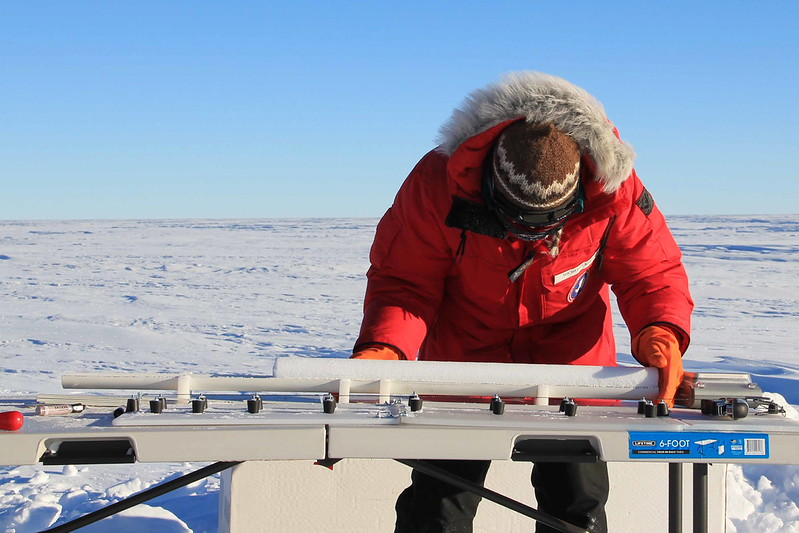
Six million years ago, global temperatures were significantly higher than today. Antarctica was still glaciated, but ice sheets may have been thinner and more dynamic. Sea levels were also higher, and the climate was marked by natural changes linked to long-term Earth cycles.
Studying ice from this period helps scientists understand how the planet responded to warmth before human-driven climate change. The comparison could shed light on how modern climate systems might behave under similar conditions.
4. The Discovery Came From a Remote Zone of “Million-Year Ice”

Researchers targeted an area of Antarctica where ice flows extremely slowly, allowing very old layers to remain preserved instead of being destroyed by natural movement. These regions are difficult to reach and require precise modeling to locate sections where ancient ice might rise close to the surface.
By drilling in the right location, scientists retrieved cores containing extremely old ice without having to dig through miles of material. This strategic approach greatly increases the chances of finding even older ice in the future.
5. The Find Supports Theories About Long-Lived Antarctic Ice

The existence of 6 million-year-old ice confirms the idea that parts of Antarctica have remained glaciated far longer than previously confirmed through direct samples. While scientists believed the ice sheets were ancient, they had limited physical evidence to support that timeline.
This discovery provides a crucial piece of physical confirmation. It demonstrates that certain parts of the East Antarctic Ice Sheet have been stable enough to preserve ice from deep within Earth’s geological past.
6. The Ice Helps Scientists Study Ancient Climate Transitions

Around the time the ice formed, Earth was shifting from the warm Miocene climate toward cooler conditions that would eventually lead to repeated ice ages. This transition period is important for understanding how climate systems respond to natural changes in carbon dioxide levels and long-term orbital cycles.
With this ancient ice, scientists can study the chemical signatures that reflect those transitions, improving models of how quickly climate patterns can shift under different conditions.
7. Understanding Ancient CO2 Levels Could Guide Future Climate Models

The air bubbles in the ice allow researchers to measure historic carbon dioxide concentrations directly, rather than relying on indirect clues from sediments or fossils. Knowing exactly how much CO2 was present during warm periods millions of years ago helps refine climate sensitivity estimates.
These measurements can improve forecasts for how today’s rising CO2 levels may affect global temperatures, ice sheets, and sea levels in the coming centuries and millennia.
8. The Discovery May Indicate Even Older Ice Is Still Out There

The success of this drilling effort suggests that Antarctica could contain ice much older than 6 million years. Some models predict the possibility of ice approaching 10 to 15 million years in age, preserved in areas with minimal melting or flow.
Finding ice that old would offer an even deeper look into Earth’s climate during the Miocene, when global temperatures and greenhouse gas levels were significantly different from today.
9. This Ice Could Reveal Clues About a Past Similar to Our Future
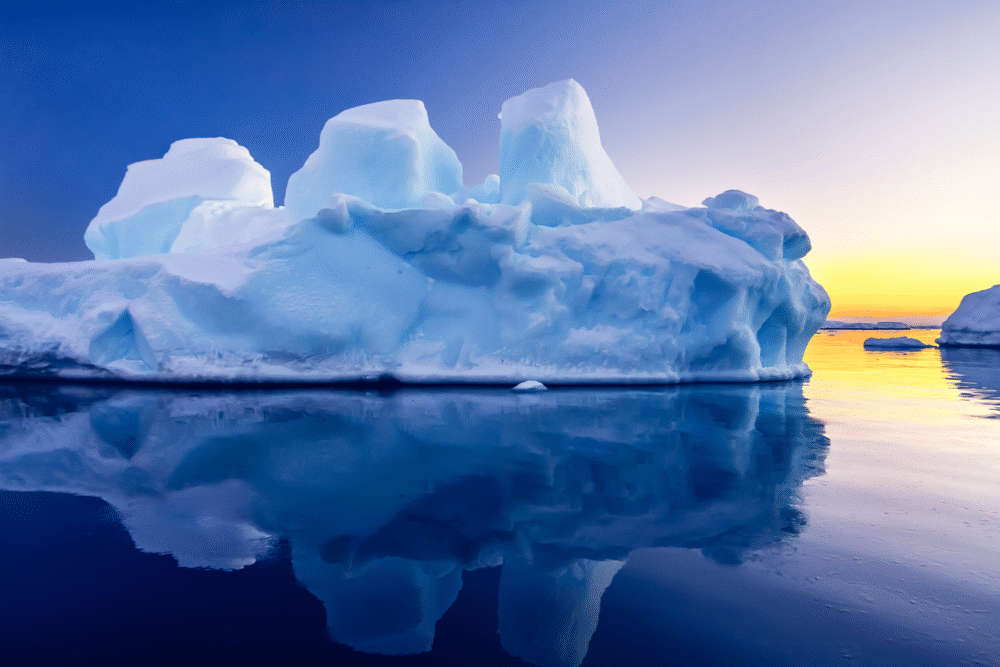
The world 6 million years ago was warmer than today, with higher sea levels and very different ecosystems. Studying this period helps scientists understand how Earth behaves under warm natural conditions, offering insights that may be relevant as human-caused warming accelerates.
By analyzing this ice, researchers can learn how quickly climate systems responded to warming, how ice sheets retreated, and how atmospheric chemistry changed during earlier warm phases.
10. The Find Marks a Major Breakthrough in Paleoclimate Research
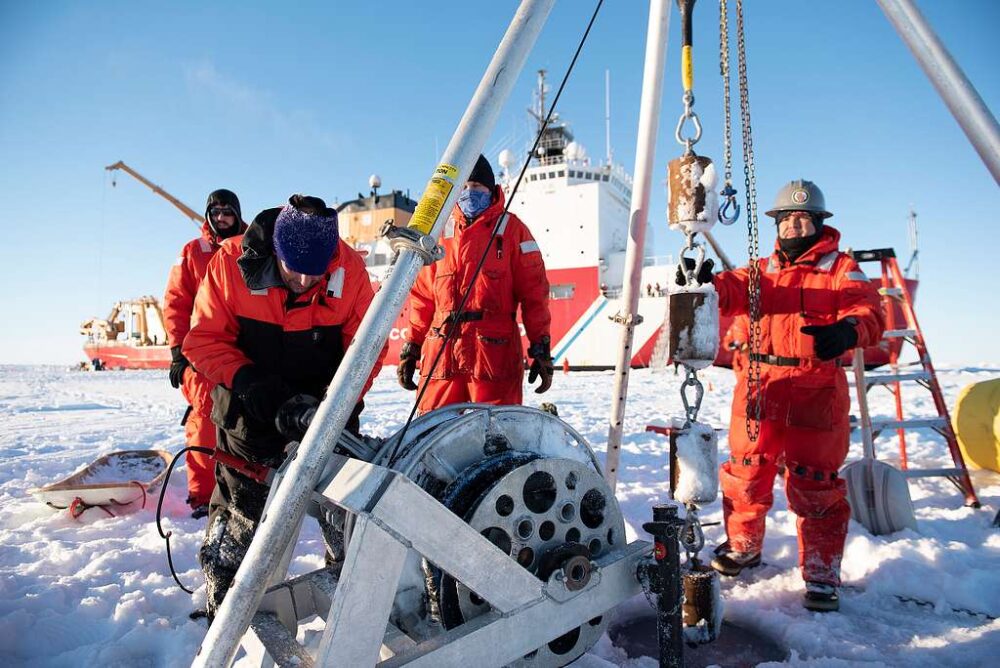
Discovering 6 million-year-old ice is a milestone that reshapes what scientists believed was possible to recover. Ice cores are some of the most valuable climate records on Earth, and extending them this far back opens new opportunities for research.
This breakthrough will guide future drilling missions, improve climate reconstructions, and expand scientific understanding of how Antarctica and global climate systems evolved over millions of years.