
From cosmology to medicine, scientific evidence has overturned some of humanity’s oldest sacred explanations.
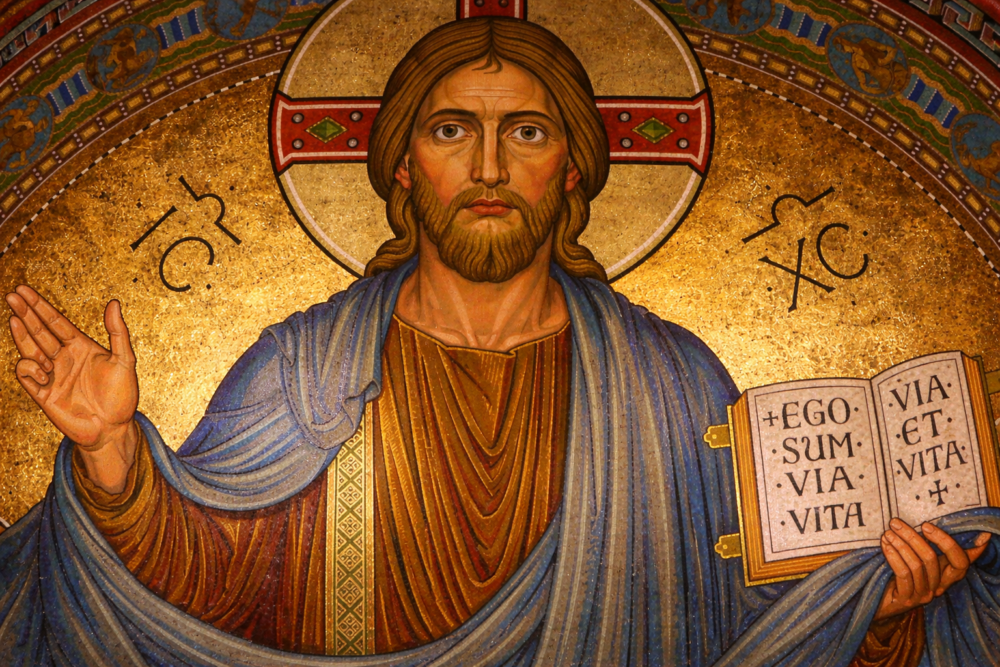
For most of human history, religion served as the primary framework for explaining how the world worked. Sacred texts and oral traditions answered questions about the Earth, the sky, disease, and human origins long before scientific tools existed to test those ideas.
Modern science has since provided new ways to observe, measure, and verify reality. In doing so, it has confirmed some ancient intuitions while clearly disproving others. The shift hasn’t erased religion’s cultural or spiritual value, but it has fundamentally changed how many long-held teachings are understood.
1. The Earth was not created just a few thousand years ago

Many ancient religious traditions describe a young Earth created within a brief, defined timeframe. For centuries, these timelines shaped how people understood history and humanity’s place in the universe.
Scientific evidence tells a very different story. Radiometric dating, geology, and astronomy consistently show that Earth formed about 4.5 billion years ago. Layers of rock, fossil records, and cosmic measurements align across independent methods, leaving little doubt that the planet’s age far exceeds ancient creation timelines.
2. The Earth is not the center of the universe
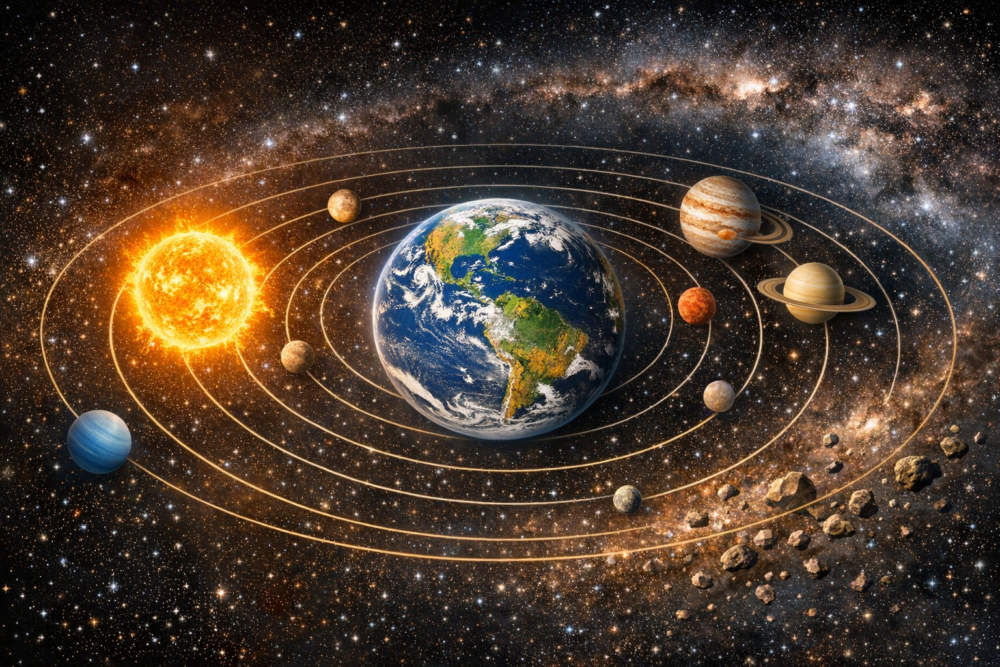
Early religious worldviews often placed Earth at the center of all creation, with the Sun, planets, and stars revolving around it. This geocentric model reinforced humanity’s perceived central role in the cosmos.
Astronomy overturned that idea. Observations show Earth orbits the Sun, which itself is one star among hundreds of billions in the Milky Way. Our galaxy is just one among trillions. The universe has no single center, fundamentally dismantling the idea that Earth occupies a privileged cosmic position.
3. The Sun does not circle the Earth each day
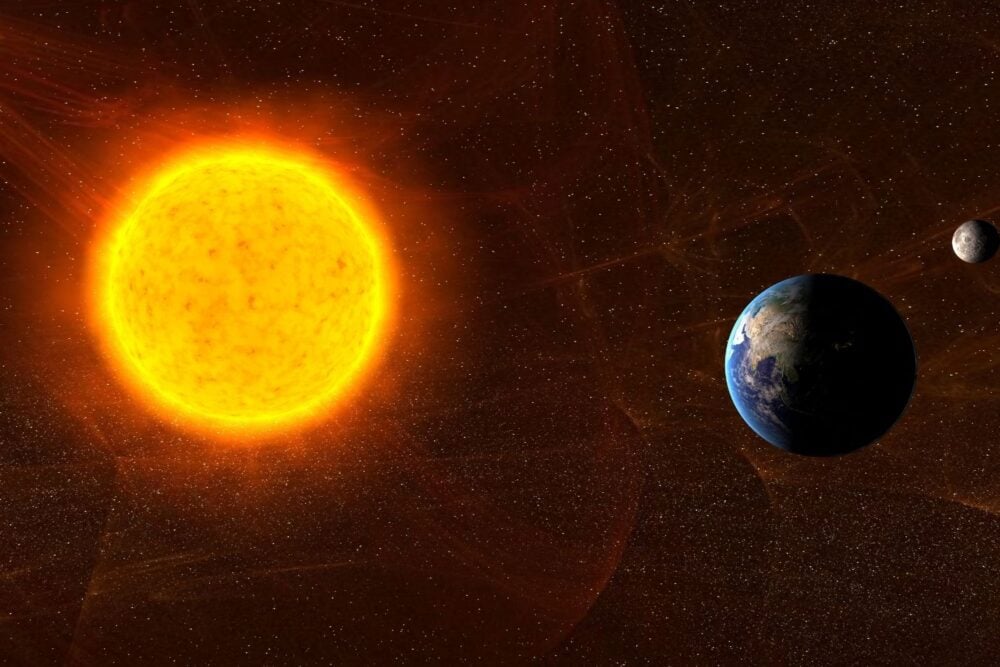
Many ancient texts describe the Sun as moving across the sky while the Earth remains stationary. This view fit everyday observation and was treated as literal truth in many belief systems.
Physics and astronomy proved otherwise. Earth rotates on its axis once every 24 hours, creating the illusion of the Sun’s movement. This understanding explains day and night with precise mathematical consistency, replacing symbolic descriptions with measurable, repeatable evidence.
4. Disease is not caused by spirits or divine punishment
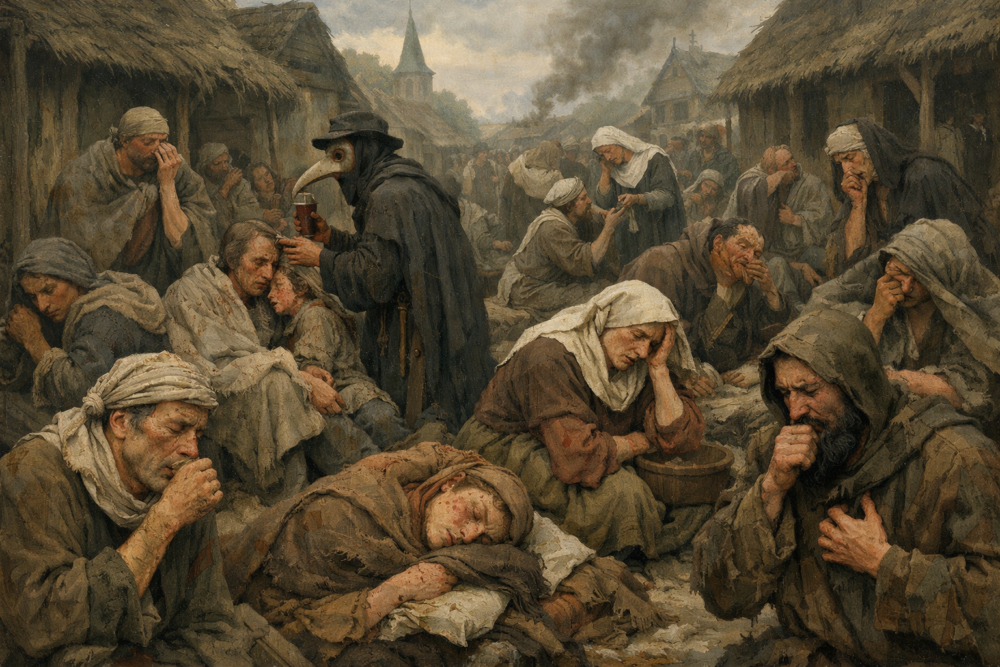
For much of history, illness was blamed on demons, curses, or the anger of gods. Religious rituals, prayer, or exorcism were often prescribed as treatments.
Medical science demonstrated that diseases are caused by bacteria, viruses, genetic mutations, and environmental factors. Germ theory, microscopes, and controlled experiments replaced supernatural explanations. While spiritual care can support emotional well-being, it does not cure infections or replace medical intervention.
5. Mental illness is not possession or moral failure

Ancient religious teachings frequently interpreted mental illness as spiritual corruption or demonic influence. Those beliefs shaped harsh responses to people experiencing psychological distress.
Modern neuroscience and psychology show that mental illnesses involve brain chemistry, trauma, genetics, and neurological processes. Conditions like depression, schizophrenia, and anxiety are medical issues, not spiritual defects. This shift has driven more humane, evidence-based treatment and reduced stigma.
6. Humans were not created separately from all other life

Many religious traditions teach that humans were created independently from animals and fundamentally separate from the natural world.
Evolutionary biology has shown that humans share common ancestry with all life on Earth. Fossils, DNA, and comparative anatomy demonstrate a clear evolutionary lineage. Humans are biologically connected to other species, not isolated from them, reshaping how humanity’s origins are understood.
7. The diversity of life did not appear all at once

Some ancient teachings describe the sudden appearance of fully formed plants and animals. This view left little room for gradual change.
Science shows that life diversified slowly through natural selection over billions of years. Species emerge, adapt, and go extinct in response to environmental pressures. This gradual process explains biological complexity without invoking instantaneous creation events.
8. Natural disasters are not divine messages
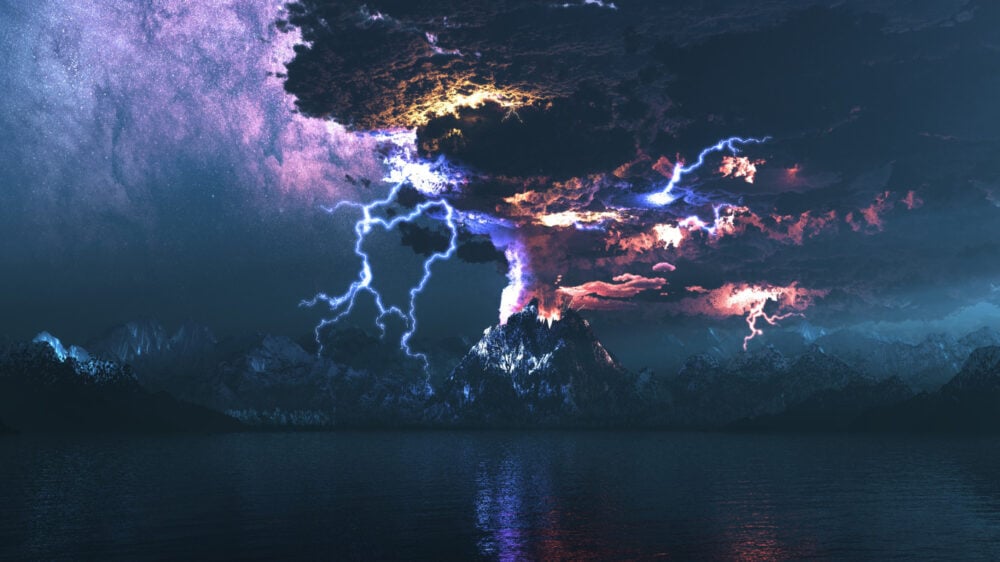
Earthquakes, floods, and volcanic eruptions were often interpreted as signs of divine anger or judgment. These beliefs shaped moral and political responses to catastrophe.
Geology and physics show that natural disasters result from tectonic movement, atmospheric processes, and energy release within Earth’s systems. While disasters can carry profound human meaning, their causes are physical, predictable, and independent of moral behavior.
9. The sky is not a solid dome or layered heaven
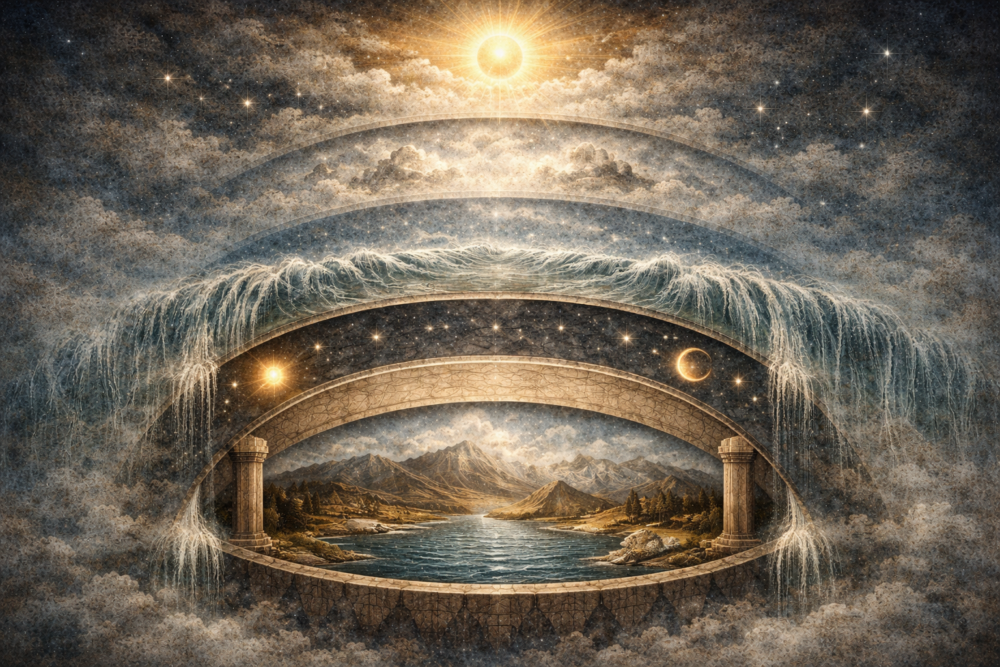
Ancient cosmologies frequently described the sky as a physical structure holding back celestial waters or housing multiple spiritual realms stacked above Earth.
Space exploration has shown that the sky is not a structure at all. It is an atmosphere fading into the vacuum of space. Planets, stars, and galaxies exist at vast distances, governed by gravity and physics rather than layered spiritual architecture.
10. The end of the world is not fixed or scheduled
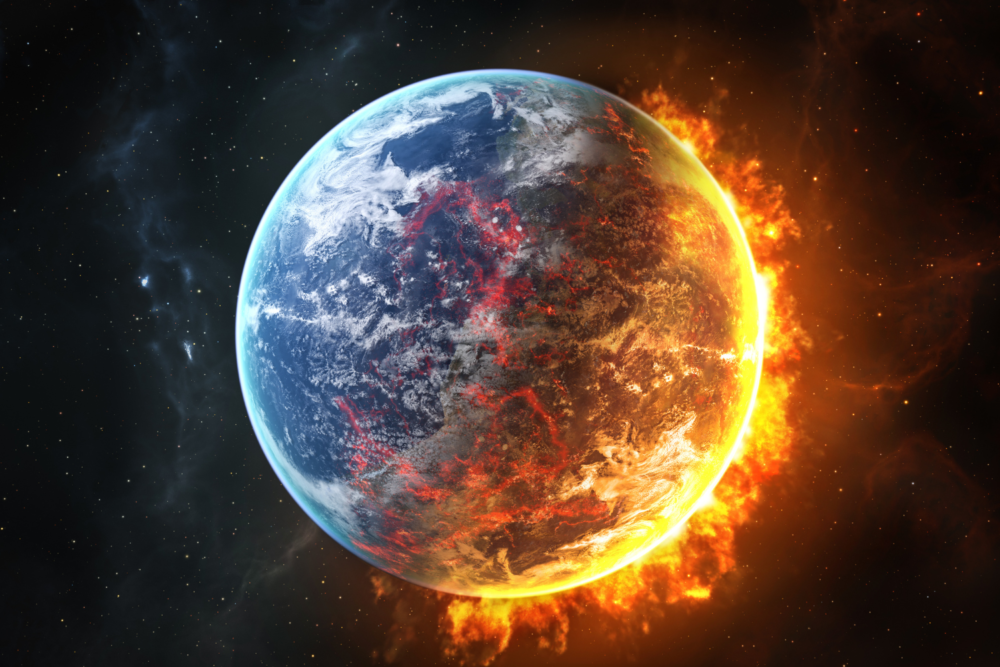
Many religious traditions predict specific timelines or signs for the end of the world. These prophecies often carried moral urgency and social control.
Science shows no evidence of a predetermined cosmic deadline. While humanity faces real risks from climate change, asteroid impacts, and technology, none follow a prophetic schedule. Earth’s future depends on natural processes and human choices, not ancient countdowns.
11. Why these teachings mattered and why science replaced them

Ancient religious explanations filled gaps in knowledge when evidence was unavailable. They offered meaning, order, and comfort in an unpredictable world.
Science replaced many of these teachings not out of hostility, but because it provided better tools for understanding reality. Observation, testing, and revision corrected ideas that no longer matched evidence. The result is a clearer picture of how the universe works, even as spiritual beliefs continue to shape human values in other ways.