
Ancient tracks in New Mexico hint that humans reached North America much earlier than experts once thought.

In the white sands of southern New Mexico, scientists have uncovered fossilized human footprints that could transform our understanding of early American history. Dating analysis shows the prints are around 23,000 years old—thousands of years earlier than the migration timeline long accepted by archaeologists.
The discovery challenges the idea that humans first crossed into the Americas after the last Ice Age. Researchers say these tracks offer direct, physical evidence of people living here much sooner than anyone thought possible.
1. The Discovery Was Made in New Mexico’s White Sands National Park
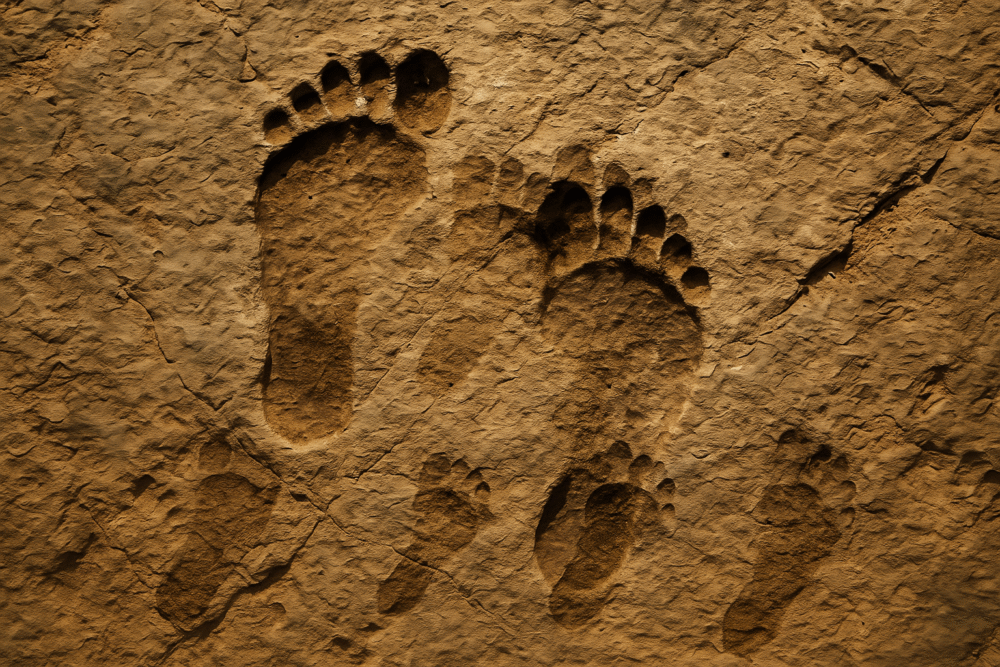
Archaeologists uncovered the fossilized footprints within a dry lakebed in White Sands National Park, an area once covered by a vast ancient lake. The site’s fine gypsum sand preserved the tracks in remarkable detail, protecting them for thousands of years beneath shifting layers of sediment.
The prints were first identified in 2021, but continued excavations and dating analyses have now confirmed their extraordinary age. This region, once teeming with Ice Age wildlife, provides a rare glimpse into a world where humans and megafauna coexisted.
2. The Footprints Date Back Roughly 23,000 Years
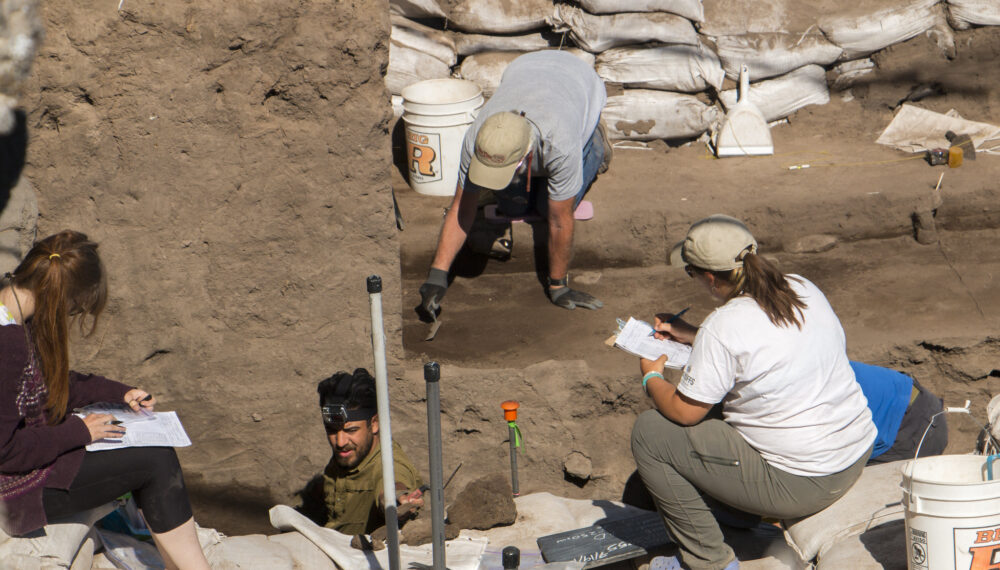
Using radiocarbon dating of seeds found within the same sediment layers as the footprints, scientists determined that the impressions were made about 23,000 years ago. This places humans in North America during the height of the Last Glacial Maximum, when large parts of the continent were covered in ice.
Before this discovery, most archaeologists believed people arrived no earlier than 13,000 years ago, following retreating glaciers. The findings push that timeline back by nearly 10,000 years, forcing a major reevaluation of how and when humans reached the continent.
3. They’re the Oldest Direct Evidence of Humans in the Americas

While tools and artifacts can sometimes be disputed, footprints offer direct proof that people were physically present at a specific time and place. The White Sands impressions are now considered the oldest unambiguous evidence of humans anywhere in the Americas.
Each footprint records a moment of life frozen in time—some showing adults walking alongside children, others revealing careful steps through soft mud. Their clarity and age make them one of the most important paleoarchaeological discoveries of the past century.
4. The Tracks Reveal Everyday Life in the Ice Age Desert
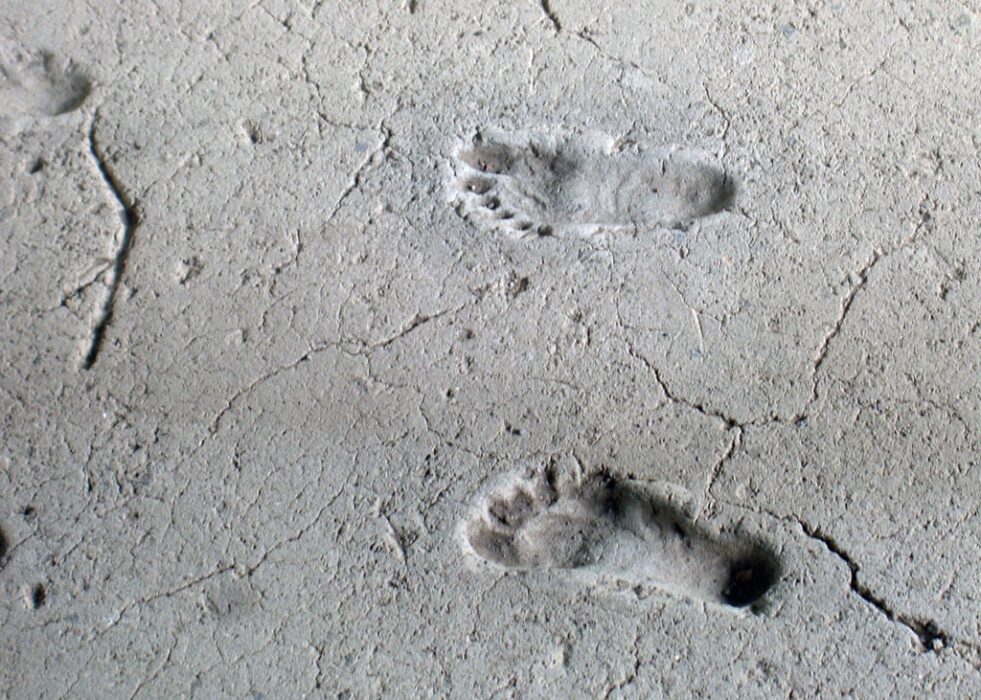
The footprints aren’t random; they tell a story. Scientists have identified hundreds of impressions showing movement across the landscape—adults carrying infants, children running, and groups traveling together.
These patterns suggest that family groups or small communities once roamed this area, perhaps gathering food or tracking animals near the ancient lake. Their presence shows that Ice Age humans were adaptable and capable of thriving in harsh, cold environments long before previously thought.
5. New Dating Techniques Strengthened the Findings

The study team used multiple dating methods to verify the footprints’ age, including radiocarbon analysis of aquatic plant seeds and optically stimulated luminescence testing of surrounding sediments.
Independent labs confirmed the results, bolstering confidence in the timeline. Early skepticism has largely faded as more samples produce consistent results. Together, these methods establish a strong scientific foundation showing that humans lived in the region more than 20,000 years ago—far earlier than traditional migration models suggested.
6. The Discovery Challenges the Long-Held “Clovis-First” Theory

For decades, archaeologists believed the first Americans were members of the Clovis culture, known for distinctive stone tools dating to about 13,000 years ago. The White Sands footprints completely upend that idea.
If people were already present 10,000 years earlier, they must have migrated into the Americas long before the Clovis period began. This revelation supports newer models proposing multiple migration waves, possibly using coastal routes or crossing ice-free corridors far earlier than once imagined.
7. The Ancient Lakebed Preserved Both Humans and Animals
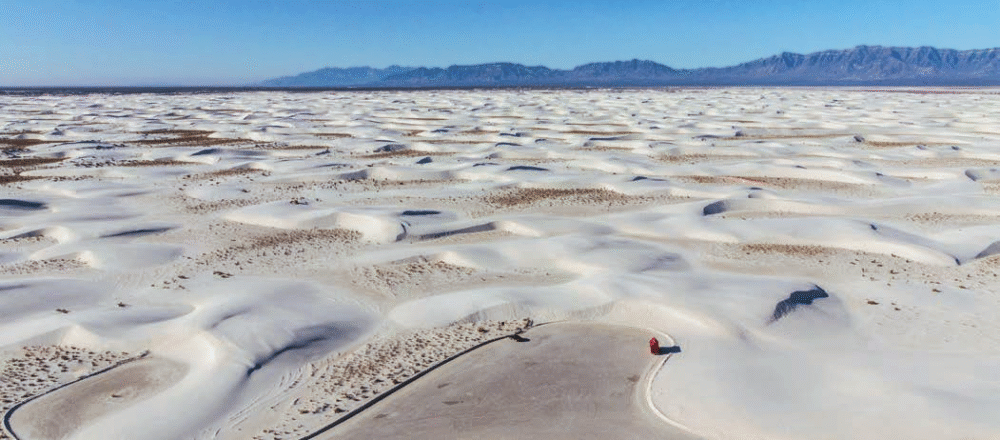
Alongside the human footprints, scientists found tracks from mammoths, giant ground sloths, camels, and dire wolves—all species that roamed North America during the late Ice Age.
Some human prints overlap with those of extinct animals, suggesting close interaction and perhaps hunting or tracking behavior. The co-preservation of these tracks provides an extraordinary snapshot of an ancient ecosystem frozen in time, capturing how early humans lived among massive prehistoric creatures.
8. Researchers Say Early Migrants Likely Followed Coastal Pathways

The existence of people in New Mexico 23,000 years ago means the first Americans may have arrived even earlier, possibly along the Pacific coast. Geological evidence indicates that an ice-free shoreline existed before inland routes opened.
These early migrants could have used boats or followed resource-rich coastal environments to move southward from Beringia. The footprint evidence fits this newer migration model, suggesting humans reached the interior of North America through multiple, complex routes.
9. The Discovery Has Sparked Global Scientific Debate

The White Sands footprints have become one of the most discussed archaeological findings in recent decades. Some researchers initially questioned the dating methods, but repeated tests have produced consistent results that strengthen the case for their antiquity.
The debate has also spurred fresh interest in reexamining older North and South American sites once dismissed as too ancient. As new evidence accumulates, a growing number of scientists agree that humans were in the Americas long before conventional timelines suggested.
10. The Tracks Are a Reminder of Humanity’s Deep History in the Americas
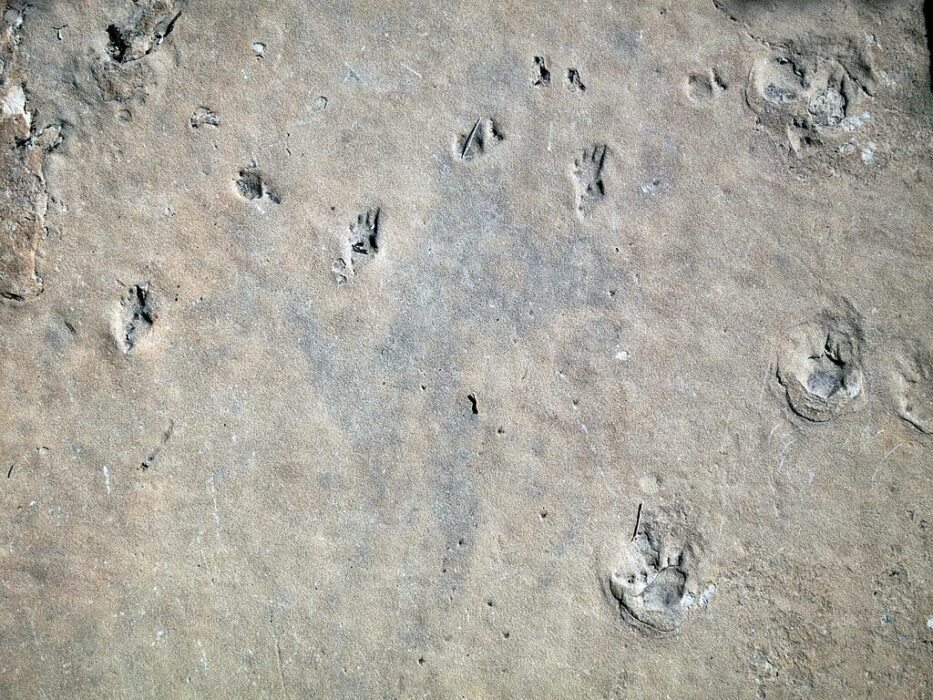
These footprints represent more than an archaeological record—they are traces of real people navigating a changing Ice Age world. Their steps link modern Americans to an ancient past stretching back at least 23 millennia.
The discovery at White Sands underscores how much remains unknown about early migration and adaptation. For scientists and the public alike, it’s a vivid reminder that human history on this continent runs far deeper than textbooks once claimed.