
Ancient DNA reveals a surprising chapter in European history that challenges long-held assumptions.

A major new DNA study has uncovered evidence that most early Europeans had dark skin until only about 3,000 years ago, far later than scientists once believed. Researchers analyzed genetic samples from ancient remains and found that lighter skin tones didn’t become common in Europe until the Bronze Age, when new populations migrated into the region. The findings challenge older ideas about European ancestry and show how dramatically human appearance can shift over time. Scientists say the research sheds new light on how environment, diet, and migration shaped the continent.
1. DNA Shows Dark Skin Was the Norm for Ancient Europeans

Genetic samples taken from early European remains reveal that dark skin pigmentation was widespread across the continent for thousands of years. These ancient populations lacked several of the gene variants that today contribute to lighter skin tones in modern Europeans. Instead, their DNA suggests they shared closer pigmentation traits with early hunter-gatherers found in other regions.
Researchers say this finding overturns long-held assumptions about what early Europeans looked like. The study shows that skin color in Europe was far more diverse in prehistory than previously thought.
2. Skin Lightening Became Common Only Around the Bronze Age
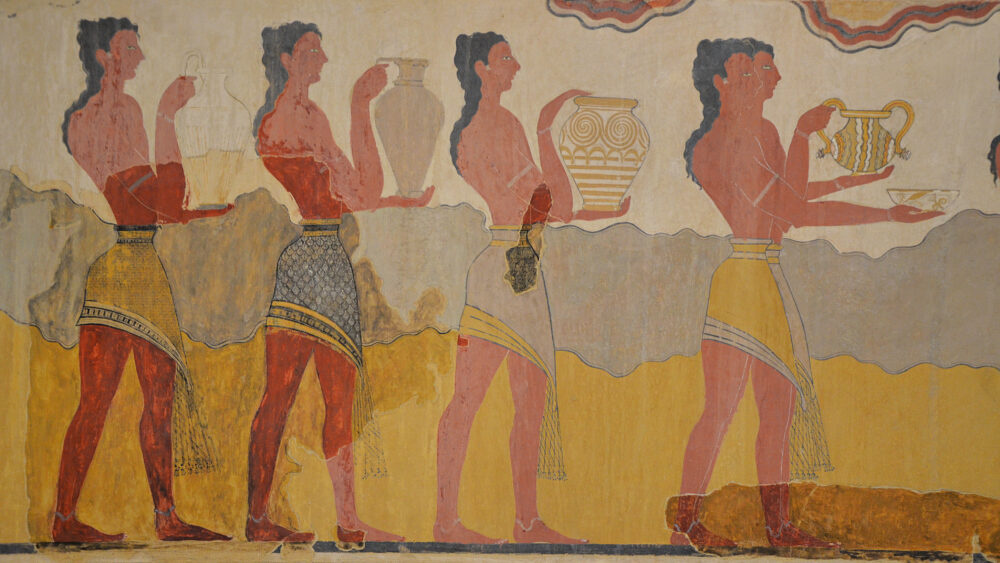
The research indicates that lighter skin tones did not become widespread until roughly 3,000 years ago. This timing aligns with major population movements during the Bronze Age, when new groups migrated from regions around the Black Sea and mixed with existing European communities. These incoming populations carried gene variants associated with lighter pigmentation.
The blending of these groups gradually shifted the genetic landscape. As these variants became more common, lighter skin grew more prevalent across Europe. The change happened far more recently than earlier models suggested.
3. Early Hunter-Gatherers Looked Very Different from Today’s Europeans
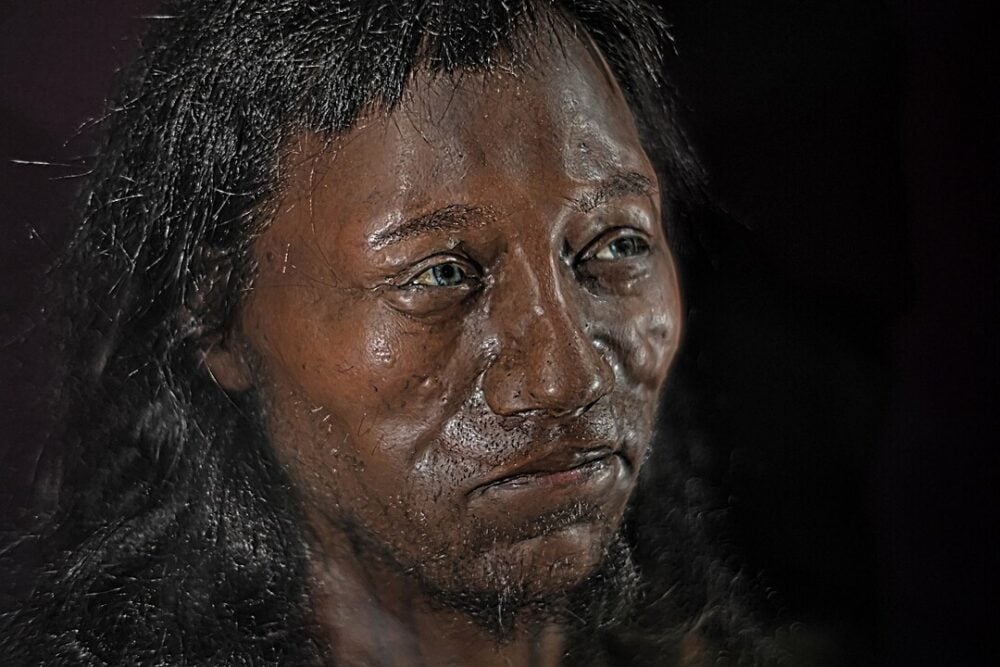
Compared with modern Europeans, early hunter-gatherer groups had a striking combination of genetic traits. Many carried darker skin tones while also possessing lighter eye colors, such as blue or hazel. This combination, once thought improbable, appears to have been quite common in Europe’s distant past.
These findings reveal how differently traits were distributed before later migrations reshaped the genetic profile of the continent. Scientists say the physical appearance of early Europeans might surprise many people today.
4. Agriculture Played a Role in Changing Skin Color

As agriculture spread through Europe, diets and lifestyles changed dramatically. Early farmers consumed fewer vitamin-D-rich foods than hunter-gatherers, which may have created evolutionary pressure for lighter skin that absorbs sunlight more efficiently. Over time, gene variants tied to paler pigmentation offered advantages in regions with limited sunlight.
This shift contributed to the spread of lighter skin tones as farming populations expanded. The combination of diet, climate, and migration all played a role in reshaping the genetics of later Europeans.
5. The Study Used Advanced Ancient DNA Techniques

Researchers extracted genetic material from bone samples thousands of years old, using modern laboratory methods to prevent contamination. These techniques allowed scientists to map pigmentation-related genes with far greater accuracy than earlier studies. Improved DNA sequencing technology also enabled researchers to analyze a broader range of samples.
Thanks to these advances, scientists were able to build a clearer timeline of when skin-color genes emerged and spread. The findings demonstrate how powerful ancient DNA research has become in understanding human history.
6. Lighter Skin Genes Spread Through Migration and Mixing

The study shows that gene variants responsible for lighter skin entered Europe through waves of migration. As new groups mixed with local populations, these genes gradually became more common. This genetic blending transformed the appearance of later European communities.
Scientists emphasize that human traits often spread through population movement rather than abrupt biological shifts. The process was gradual, shaped over centuries by travel, trade, and settlement patterns.
7. Skin Color Changed Quickly in Evolutionary Terms

The emergence of lighter skin in Europe over just a few thousand years is considered rapid in evolutionary terms. Most major physical traits take far longer to shift across entire populations. This speed suggests strong environmental or dietary pressures that favored certain genetic combinations.
Researchers say the study highlights how adaptable humans can be when confronted with new conditions. Evolution can move swiftly when multiple factors reinforce a particular advantage.
8. The Research Challenges Popular Assumptions About Ancient Europe

Many people imagine early Europeans as resembling today’s populations, but the genetic evidence tells a different story. The new research shows that physical traits in Europe were far more fluid and changed significantly over time. Darker skin tones remained common even as other traits, such as eye color, varied widely.
These findings encourage a more accurate and nuanced view of ancient populations. They also remind us that modern appearances reflect only a brief snapshot of human history.
9. Scientists Say Appearance Alone Can Mislead Our Understanding of Ancestry

The study demonstrates that skin color is not a reliable indicator of ancient ancestry. Genetic traits shift in response to environment, diet, and migration, often in surprising ways. Understanding ancestral populations requires careful DNA analysis rather than assumptions based on modern appearance.
Researchers hope the findings will help people interpret human history more scientifically. Traits we consider fixed or defining today often emerged recently and can change again in the future.
10. The Study Adds to a Growing Understanding of Europe’s Complex Past
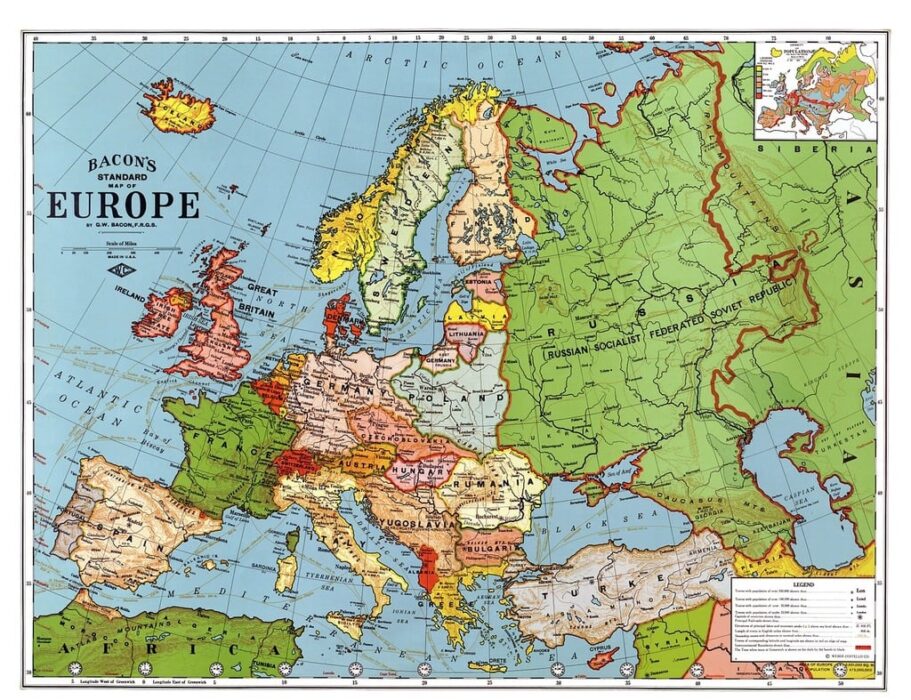
The research builds on years of discoveries showing that Europe’s history involved repeated migrations, cultural shifts, and genetic mixing. The rise of lighter skin tones is only one chapter in this long and dynamic story. New DNA methods continue to reveal unexpected details about how the continent’s populations evolved.
Scientists believe that future studies will uncover even more surprising insights. Ancient DNA research is rapidly transforming what we know about human origins, movement, and diversity.